
Enchanted Gorge: A Photographer's Guide to Johnston Canyon Lower Falls, Alberta
Tucked within the dramatic limestone corridors of Banff National Park, Johnston Canyon Lower Falls is a location that enchants photographers with its blend of emerald waters, thunderous cascades, and textured canyon walls. This spot is among the most accessible natural wonders in the Canadian Rockies, offering close encounters with dynamic water features and forested trails through one of Alberta's most captivating landscapes. Photographers of all skill levels can find opportunities here to experiment with motion, light, and seasonal contrast, making it a rewarding destination year-round.
Best Photography Opportunities
• Waterfall close-ups from the lower viewing platform:
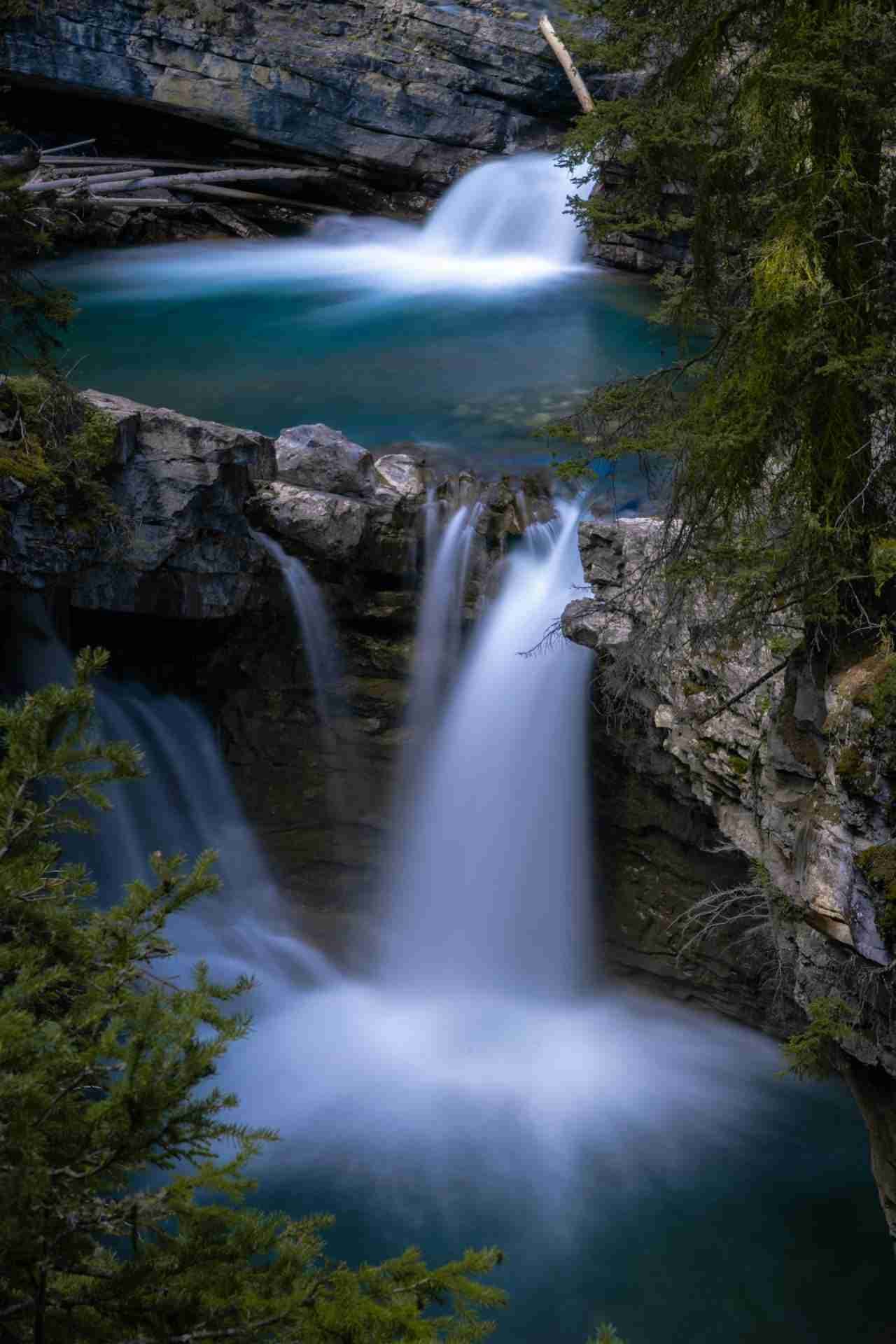
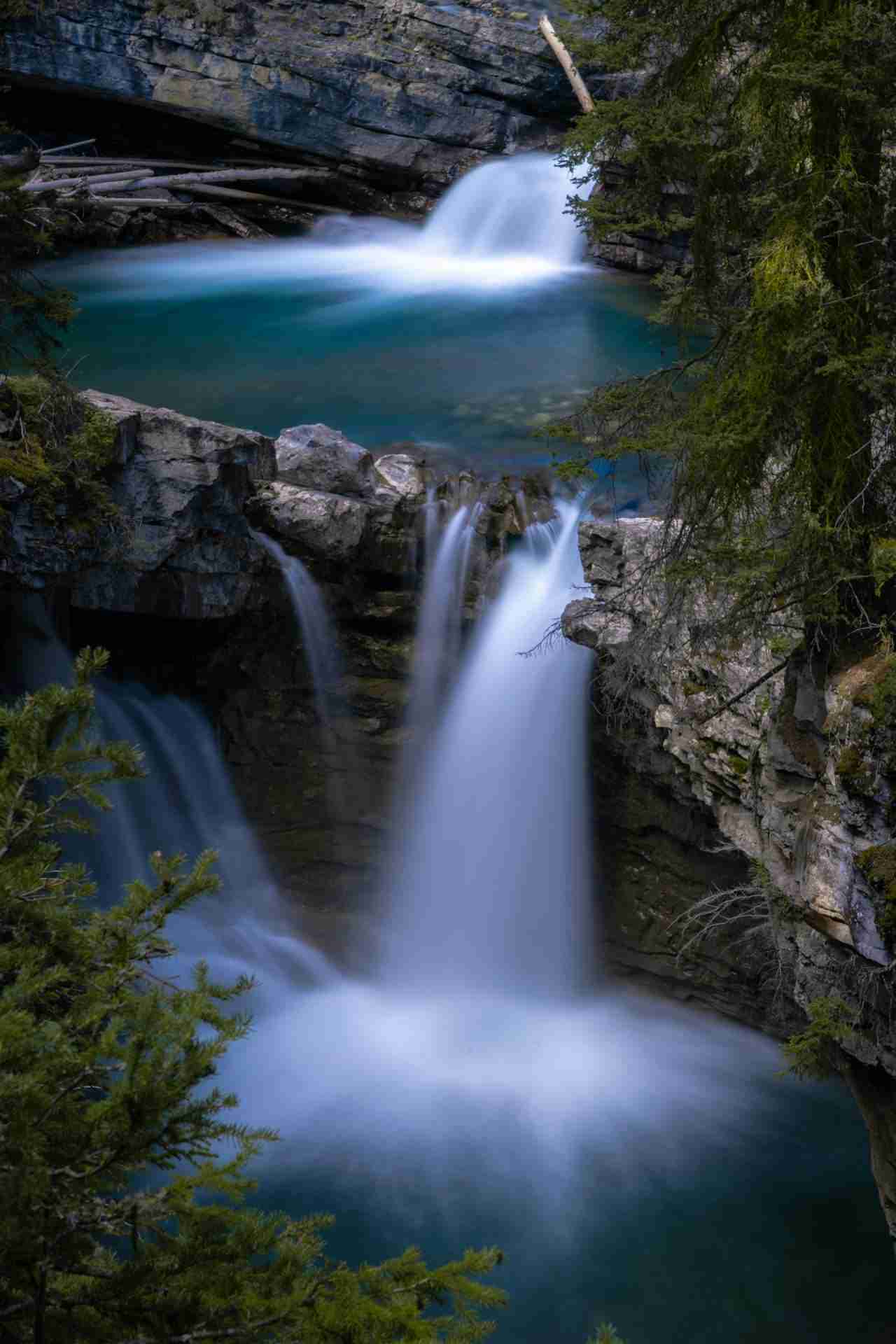
The designated platform places you just meters from the crashing cascade of Lower Falls, ideal for tight compositions that showcase the interaction between water and rock. A telephoto lens allows you to compress the scene, highlighting swirling eddies, water arcs, and textural stone details. Long exposures at half a second to two seconds can smooth water flow while retaining clarity in the surrounding rock. Try varying your shutter speed to capture different motion effects and emphasize either the power or grace of the falling water. This platform also gives a low angle view that enhances the feeling of being enveloped by the canyon walls, which can be used compositionally to frame your shot and heighten visual drama.
• Framing the falls through the natural cave alcove:
A short side tunnel through the rock opens to a small viewing chamber, offering one of the most iconic compositions of Johnston Canyon. The waterfall appears framed by the rugged edges of the cave, providing a natural vignette that draws the eye inward. Use a tripod to stabilize your camera in the dim light and bracket your exposures to handle the extreme contrast between the bright waterfall and the shadowed rock. Including the jagged rock edges of the cave in your foreground can create a sense of place and depth, while also offering shelter for longer exposures in rain or snow. For an added storytelling element, you might frame a fellow visitor or hiker silhouetted against the water beyond.
• Reflections in the turquoise plunge pool:
When wind is low and light hits the canyon just right, the pool beneath Lower Falls becomes a mirror of color and form. Position yourself slightly upstream on the boardwalk to capture reflections of greenery and limestone in the water's glassy surface. A polarizing filter will help control glare while deepening colors. Timing is crucial here—early morning and late evening tend to offer the calmest conditions and the most saturated hues. You can experiment with both horizontal and vertical orientations to either emphasize the symmetry of the reflection or focus on the interplay between stone texture and water clarity. Adding natural elements like overhanging branches or fallen logs into your composition can provide a sense of narrative.
• Winter ice formations and snow-covered cliffs:
During the coldest months, Lower Falls transforms into a frozen sculpture garden. The flowing water partially freezes into shimmering columns while the surrounding rocks are dusted with snow. Use a mid-range zoom to capture layered textures and cold hues. With the right conditions, icy mist backlit by soft winter light can result in ethereal images. Close-up shots of ice patterns and frozen spray create abstract, textural studies that contrast with the broader canyon scenes. Consider using exposure compensation to prevent snow from being underexposed and losing detail. If visiting during a snowfall, you can even capture motion blur of flakes against the frozen forms for a dynamic, atmospheric image.
• Dramatic lighting from morning and evening shafts:
The narrowness of the canyon means that direct sunlight filters through at very specific times, creating beams of light that slice through mist and catch on wet rock. Early morning and late afternoon are best, particularly when the sun is low enough to graze the canyon walls. Watch for lens flare and use manual exposure settings to retain highlight detail in the mist. These light shafts can act as powerful leading lines that draw the eye toward the falls or guide it along the curve of the canyon. Capture these ephemeral effects from multiple vantage points, including elevated boardwalks or lower viewpoints closer to the water. If you're lucky, you may even catch rainbows forming in the mist, adding an extra layer of magic to your composition.
Best Time to Visit
Johnston Canyon Lower Falls can be photographed throughout the year, but each season brings distinct advantages. Spring, particularly from late May through June, delivers powerful flow from snowmelt, giving the waterfall its most dynamic character. The increased water volume creates misty atmospheres and enriches the pool's turquoise tones, while fresh vegetation adds contrast against the canyon's gray walls.
Summer is peak tourist season, but early morning or late evening visits reward you with soft light, tranquil water surfaces, and more room to compose thoughtful shots. The vibrant greenery along the trail and deep blue skies complement the canyon's natural palette. Autumn introduces golds and oranges as the larches and aspens shift color, while the waterfall maintains steady flow under diffused lighting conditions. This is an excellent time for moody, quiet compositions.
Winter, though more demanding, provides a unique experience. From December through February, the falls begin to freeze, forming surreal blue and white ice formations. The icy surfaces catch light in unexpected ways and offer strong compositional contrasts against the dark canyon walls. Make sure to use crampons or ice cleats for safety and to take advantage of early golden hour light reflecting off the snow.
How to Get There
Johnston Canyon is located along the Bow Valley Parkway (Highway 1A) in Banff National Park, roughly 25 kilometers northwest of Banff townsite. From Banff, take the Trans-Canada Highway (Highway 1) west to the Castle Junction exit, then turn onto Highway 1A. The drive from Banff takes about 30 minutes and offers scenic views of the Bow River and surrounding peaks.
The trail to Lower Falls begins at the Johnston Canyon Day-Use Area, which features a large parking lot and seasonal restrooms. Parking is free, but during peak summer months it fills quickly—arriving early or later in the evening is strongly advised. The walk to Lower Falls is a gentle 1.2-kilometer route along a paved and catwalk-supported trail. While accessible to most visitors, winter conditions can make the trail slippery, so proper footwear is essential. There is no entrance fee specific to Johnston Canyon, though a Parks Canada pass is required to access the national park.
Recommended Gear for Johnston Canyon Lower Falls
A tripod is essential for low-light and long-exposure photography, especially in shaded canyon conditions. For lens selection, a wide-angle zoom like a 16–35mm lets you capture the full breadth of the falls and the dramatic vertical rise of the canyon walls. A mid-range lens such as a 24–70mm is ideal for tighter waterfall scenes and compositions involving reflections. For icy details or isolating small elements like icicles or ripples, a telephoto lens in the 70–200mm range is invaluable.
Bring a circular polarizer to enhance the color of the water and reduce glare from wet rocks. A remote shutter release or a two-second timer will minimize camera shake, and extra batteries are a must in cold weather. Waterproof lens cloths or microfiber towels will help keep your gear clean from spray and mist. In winter, traction aids and insulated gloves will allow you to move safely while staying nimble behind the camera. Also consider packing a headlamp if you plan to shoot at twilight or in the early morning.
Nearby Photography Locations
Just one kilometer beyond the Lower Falls, the Upper Falls are taller and more dramatic, offering overhead views and broader compositional angles. Catwalks lead to viewing decks that allow for both side and frontal perspectives.
• Ink Pots:
A five-kilometer continuation past the Upper Falls brings you to a series of mineral springs in a quiet alpine meadow. These pools shift in color throughout the year, reflecting the surrounding forest and sky with remarkable clarity.
• Morant's Curve:
Located on the Bow Valley Parkway, this famous railway bend offers one of the most iconic train landscape shots in Canada. With the river, forest, and distant peaks, it's especially rewarding during sunrise and after fresh snowfall.
• Lake Louise:
Less than 40 minutes from Johnston Canyon, Lake Louise offers classic alpine reflections, glacier-fed waters, and a wide range of compositions throughout the day. Try the lakeshore or hike to the Lake Agnes Tea House for elevated perspectives.
This roadside stop provides panoramic views of one of Banff's most photogenic peaks. Best captured at sunrise or sunset, the mountain glows with rich light while the Bow River winds gently below.
Johnston Canyon Lower Falls combines beauty and accessibility in a way that few locations in Banff National Park can match. Whether you're navigating the icy paths of winter or enjoying the emerald clarity of summer water, the canyon presents a visual richness that rewards both quick snapshots and patient, deliberate compositions. With its ever-changing light, seasonal variety, and cinematic geology, this location should be on every landscape photographer's list when visiting the Canadian Rockies.
Comments
Loading comments…