
A Majestic Ice Flow Along BC-37A
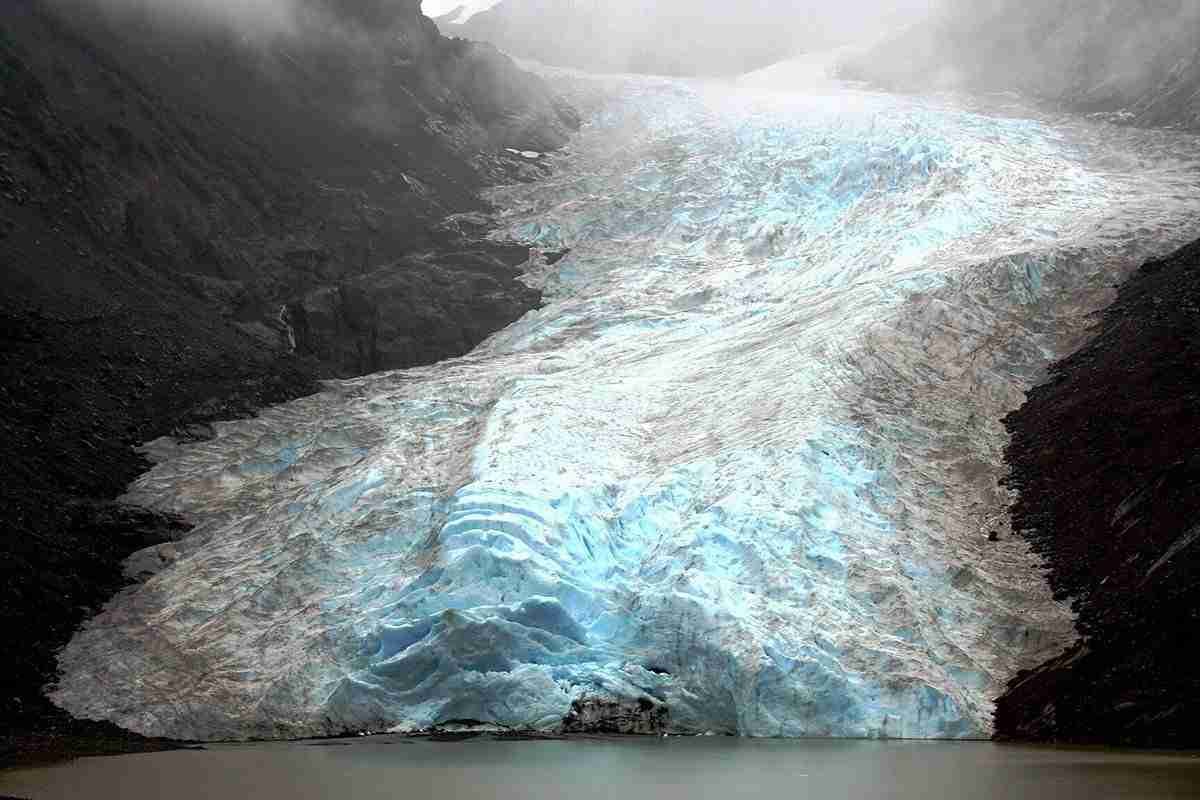
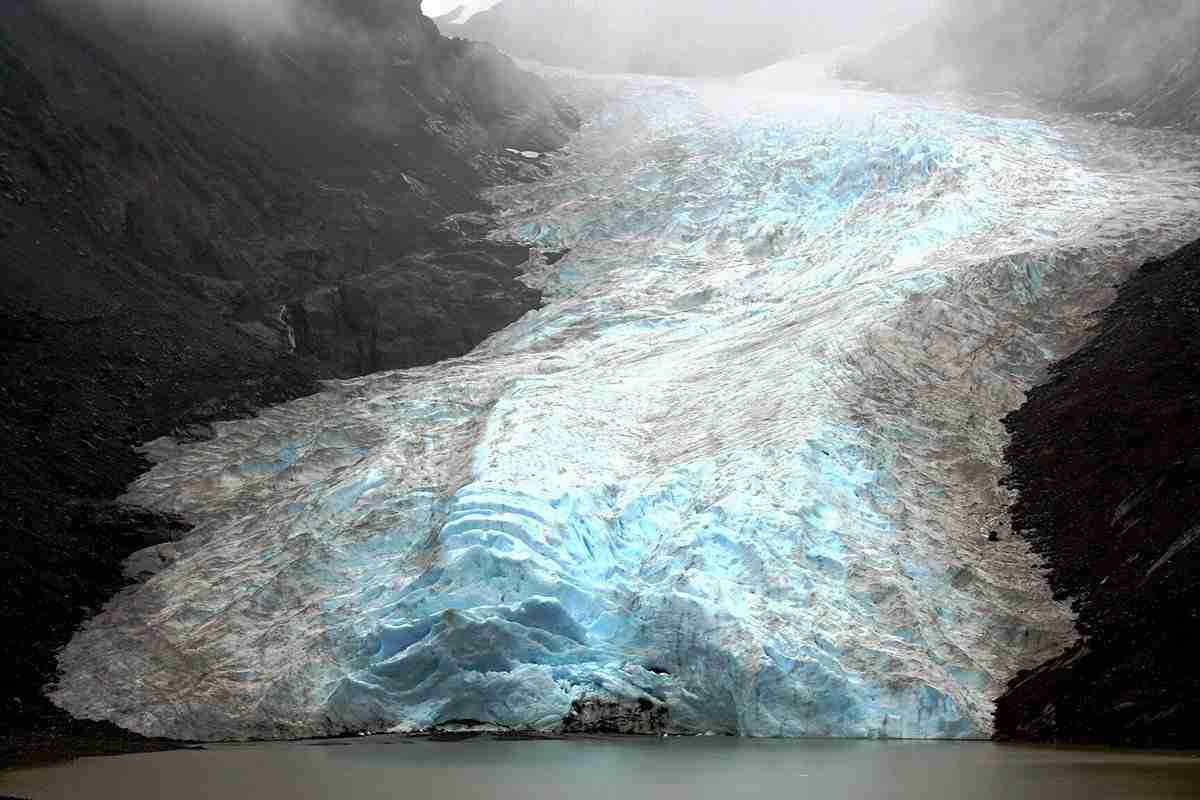
Bear Glacier is a breathtaking natural wonder where a striking ice flow descends between two rugged mountain peaks into the tranquil waters of Strohn Lake. Located in Bear Glacier Provincial Park, this stunning glacier is easily visible from the Stewart-Cassiar Highway (BC-37A), making it one of the most accessible glaciers in British Columbia. The glacier's vivid blue ice contrasts dramatically with the surrounding dark rock faces, providing an incredible subject for landscape photography. Whether capturing the glacier's reflection in the lake or the intricate textures of its crevassed surface, Bear Glacier is a must-visit for photographers traveling through northern BC.
Best Photography Opportunities & Best Time to Visit
Bear Glacier offers a variety of stunning compositions, whether shooting from the roadside pullouts or hiking closer to Strohn Lake for a more immersive perspective. Wide-angle shots emphasize the glacier's immense scale, while a telephoto lens is useful for capturing intricate details in the ice, such as deep crevasses and vibrant blue tones. On calm days, the still waters of Strohn Lake provide a perfect mirror-like reflection of the glacier and surrounding peaks, adding symmetry and depth to compositions.
The best time for photography is during the early morning or late afternoon when the sun casts soft, golden hues over the ice and rock, enhancing textures and reducing harsh midday shadows. Sunset creates a striking contrast as the warm light reflects off the rugged cliffs while the glacier remains cool and blue, adding drama to the scene. Overcast days can also work well for photography, as diffused light prevents glare and enhances the deep blues of the glacier.
Seasonal changes create different photographic opportunities. Summer and early fall provide the best access, with clear roads and vibrant greenery contrasting with the icy landscape. In autumn, golden foliage adds warmth to the foreground, while winter transforms the scene into a true Arctic wonderland, with snow-covered peaks and frozen surfaces. Photographers can also document the glacier's retreat over time, as it continues to shrink due to climate change, creating an opportunity for environmental storytelling.
For creative compositions, photographers can explore different vantage points along the highway or near the lake's edge. Leading lines created by the glacier's flow or the curves of the mountains help draw the eye into the image. Long-exposure shots can enhance the movement of clouds over the peaks, adding a dynamic element to the landscape. Wildlife enthusiasts should keep an eye out for mountain goats on the cliffs or bears in the area, making a telephoto lens a useful addition for unexpected encounters.
How to Get There
Bear Glacier is located along BC-37A (the Glacier Highway), approximately 25 kilometers east of Stewart, British Columbia. Several roadside pullouts provide safe spots for photography, allowing visitors to capture stunning images without a strenuous hike. For those looking to explore further, there are paths leading down to Strohn Lake, offering closer vantage points of the glacier.
About Bear Glacier Provincial Park
Bear Glacier Provincial Park was established to protect this rapidly receding ice flow and the surrounding mountainous terrain. The glacier was once part of a much larger ice sheet that covered the region, and its gradual retreat has shaped the stunning landscape seen today. The park is home to diverse wildlife, including mountain goats and black bears, adding potential for wildlife photography in addition to the striking glacier views.
Nearby Photography Locations
• Salmon Glacier – One of the largest glaciers accessible by road, offering sweeping panoramic views from the summit of a winding mountain route. The best shots are captured at sunrise when the ice reflects the soft golden light, creating a stunning contrast with the surrounding peaks.
• Portland Canal – A dramatic fjord stretching between British Columbia and Alaska, perfect for seascape photography. The deep blue waters contrast beautifully with the towering, forested cliffs along the shoreline, and misty conditions often add an ethereal atmosphere.
• Stewart, BC – A charming town near the Alaska border, featuring historic buildings, mountain backdrops, and scenic waterfront views. Sunset shots of the harbor capture the town's peaceful, remote beauty, and the surrounding forests are particularly photogenic in autumn.
• Hyder, Alaska – Just across the border, this small Alaskan town is famous for its bear-watching opportunities at Fish Creek. The boardwalk provides a great vantage point for photographing grizzly bears fishing for salmon, as well as bald eagles and other wildlife.
• Meziadin Lake – A stunning glacial lake surrounded by mountains, offering excellent reflection photography. The lake's still waters create a perfect mirror effect during early morning and evening hours, while the surrounding forests add seasonal color and texture.
With its awe-inspiring ice flow, rugged mountain setting, and easy accessibility, Bear Glacier is a must-visit destination for photographers traveling through northern British Columbia. (Bear Glacier Provincial Park, British Columbia, Canada)
Comments
Loading comments…