
Capturing Lynn Canyon: A Photographer's Guide
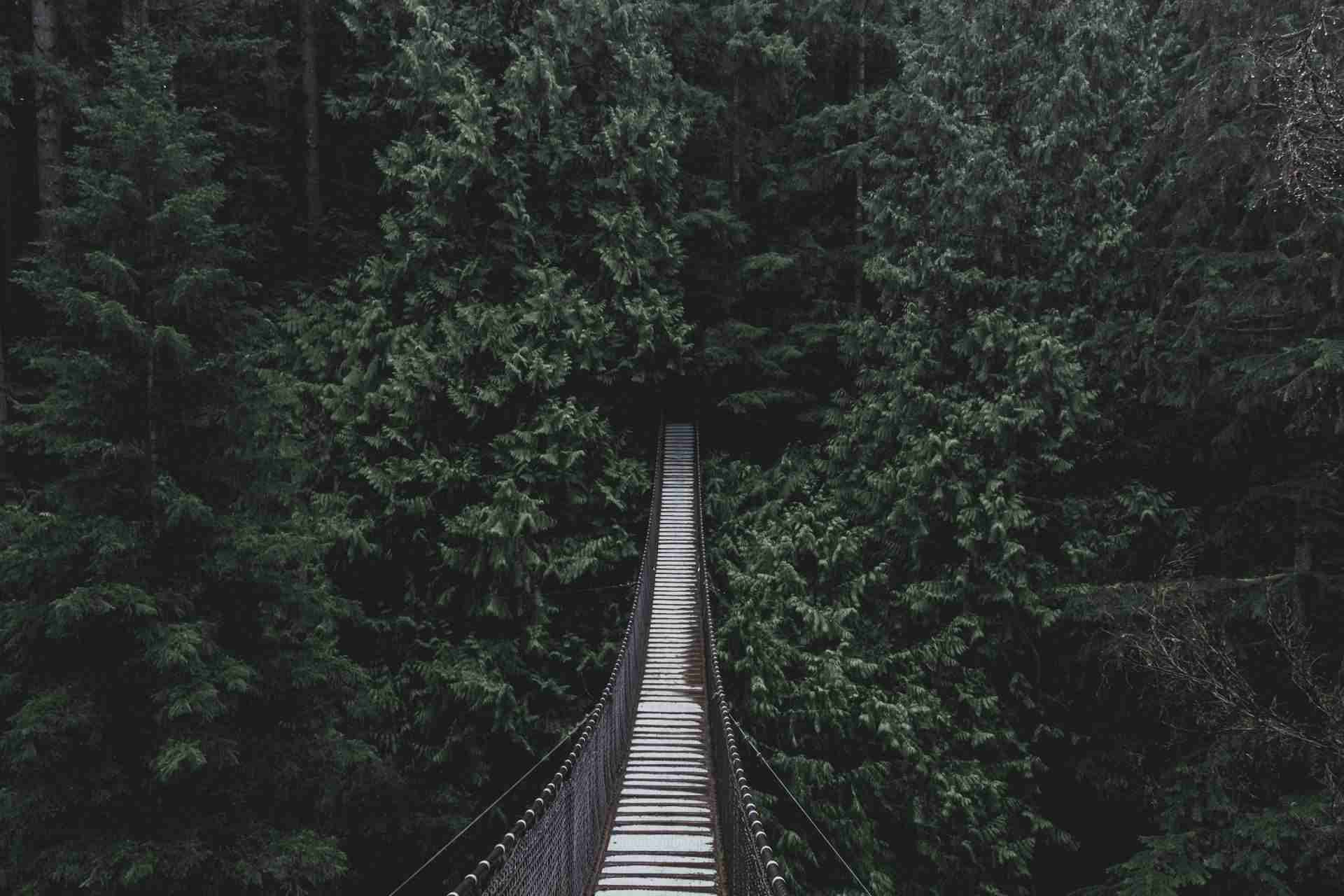
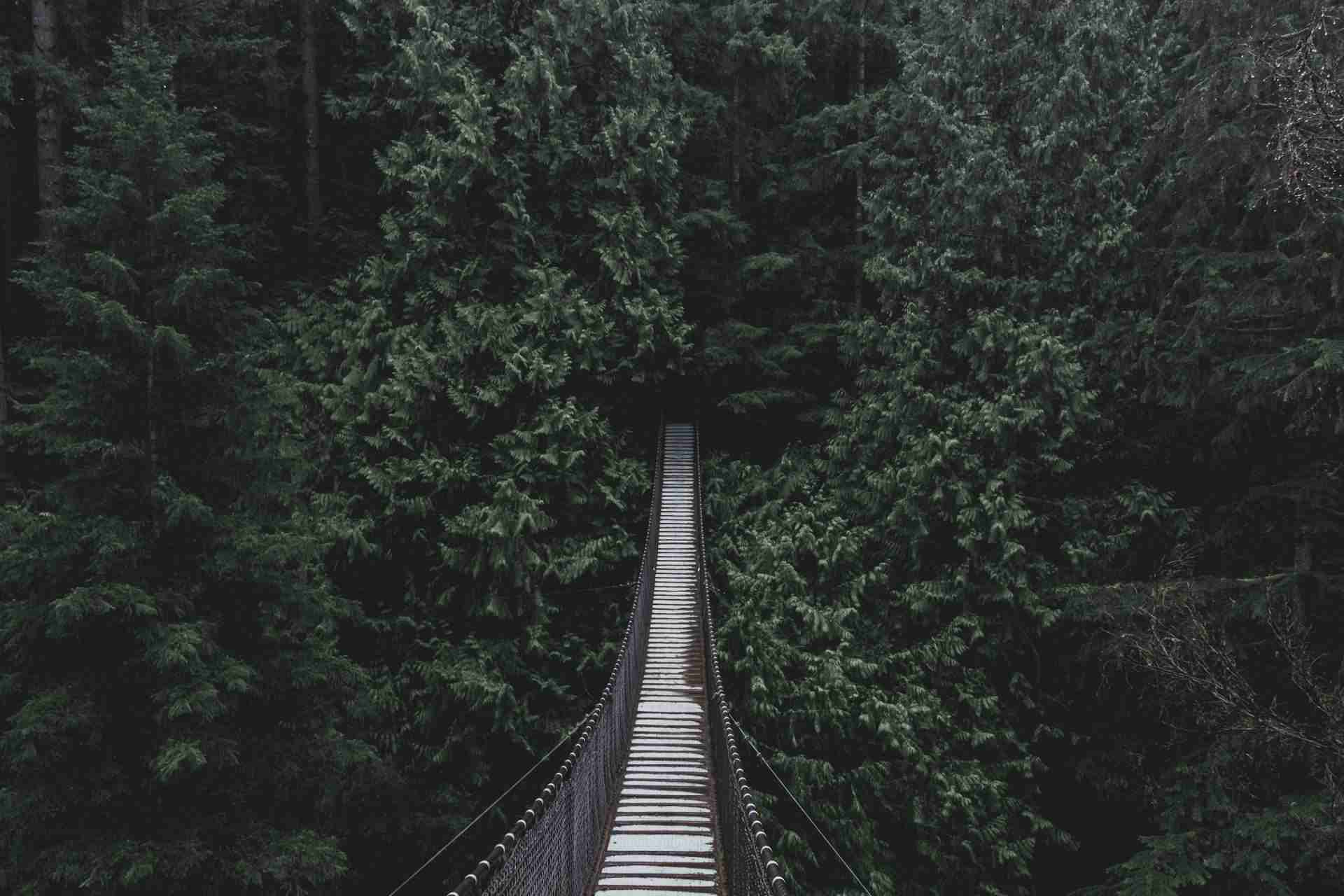
Nestled in North Vancouver, Canada, the Lynn Canyon Suspension Bridge is a stunning photography destination that stretches 50 meters across a lush canyon with the rushing waters of Lynn Creek below. Surrounded by towering evergreens and dense temperate rainforest, the bridge provides breathtaking perspectives of the rugged landscape. Misty mornings create an almost ethereal atmosphere, making this location an absolute gem for nature and landscape photographers.
Best Photography Conditions & Tips
The best time to photograph the bridge is early in the morning before 10 AM when soft, diffused light filters through the trees, and fewer visitors are present. Overcast days enhance the rainforest's deep greens and add a moody atmosphere, while fall and winter offer misty conditions, fallen leaves, and dramatic lighting. Bringing a sturdy tripod allows for long exposure shots of Lynn Creek, capturing the silky flow of water beneath the bridge. A wide-angle lens (16-35mm) is ideal for emphasizing the bridge's scale and leading lines, while foggy days create opportunities for minimalist compositions. A polarizing filter reduces glare and enhances the forest's rich colors. Since the terrain remains slippery year-round, waterproof hiking shoes are highly recommended. Beyond the bridge, serene pools within the park provide excellent opportunities for reflective compositions.
How to Get There
Lynn Canyon Suspension Bridge is located within Lynn Canyon Park, approximately a 25-minute drive from downtown Vancouver. Public transit is available via buses from Lonsdale Quay. Parking is free but fills up quickly, especially on weekends. The bridge and main trails are accessible to most visitors, though the natural paths beyond can be uneven and steep in places. Entrance is by donation, the park suggests $2 per person.
About Lynn Canyon Park
Lynn Canyon Park is a 617-acre natural area that offers a pristine temperate rainforest experience. Established in 1912, the park features a network of scenic hiking trails, beautiful waterfalls, and lush greenery. The park is home to diverse wildlife, including birds, deer, and small mammals, making it a fantastic destination for nature photographers. The park's ecological reserve helps preserve its old-growth forest, offering visitors a chance to capture the striking contrast of towering Douglas firs and Western red cedars against the vibrant undergrowth. Popular trails include the Baden-Powell Trail and the route to Twin Falls, both of which offer stunning photographic opportunities.
Nearby Photography Spots
• Twin Falls: A short hike from the bridge, this small but photogenic waterfall is framed by moss-covered rocks and deep forest. The movement of the cascading water creates beautiful long-exposure opportunities, especially in soft morning light.
• 30 Foot Pool: A beautiful emerald-green swimming hole, perfect for capturing reflections and tranquil water compositions. The surrounding rocks provide excellent framing options, enhancing the scene's depth.
• Rice Lake: Just a short drive away, this serene lake is a great alternative for peaceful, mirror-like water shots. Early mornings provide the best chance to capture mist hovering over the water's surface.
• Quarry Rock: A moderate hike from Deep Cove leading to a spectacular viewpoint over Indian Arm, ideal for panoramic landscape photography. Sunset shots from this location can be particularly stunning, with vibrant colors reflecting off the water.
Another stunning suspension bridge in North Vancouver, offering dramatic forest and canyon views with excellent lighting opportunities. The bridge is illuminated at night during the holiday season, providing unique low-light photography potential.
Comments
Loading comments…