
Magog Lake and Mount Assiniboine: A Photographer's Guide to the "Matterhorn of the Rockies"
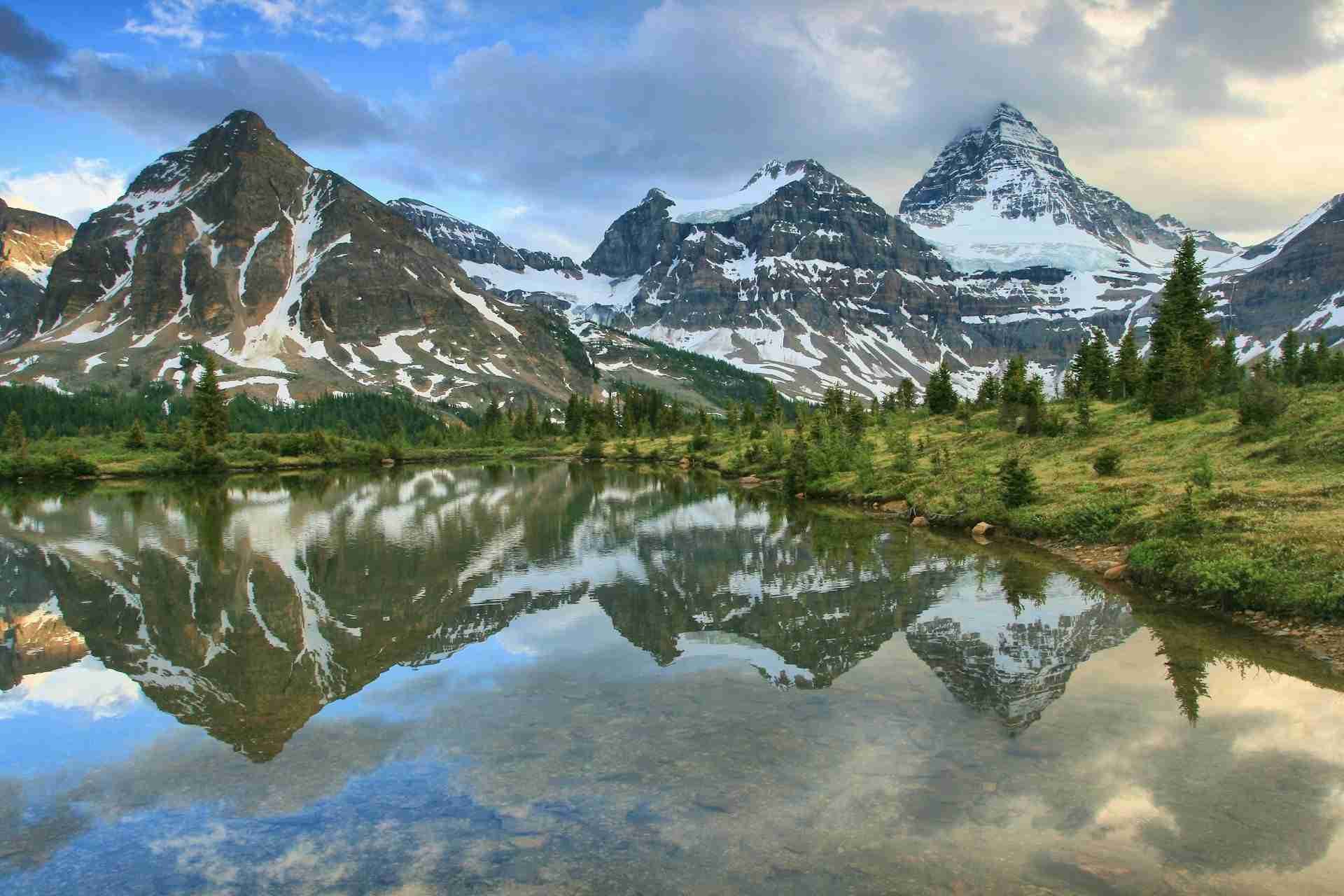
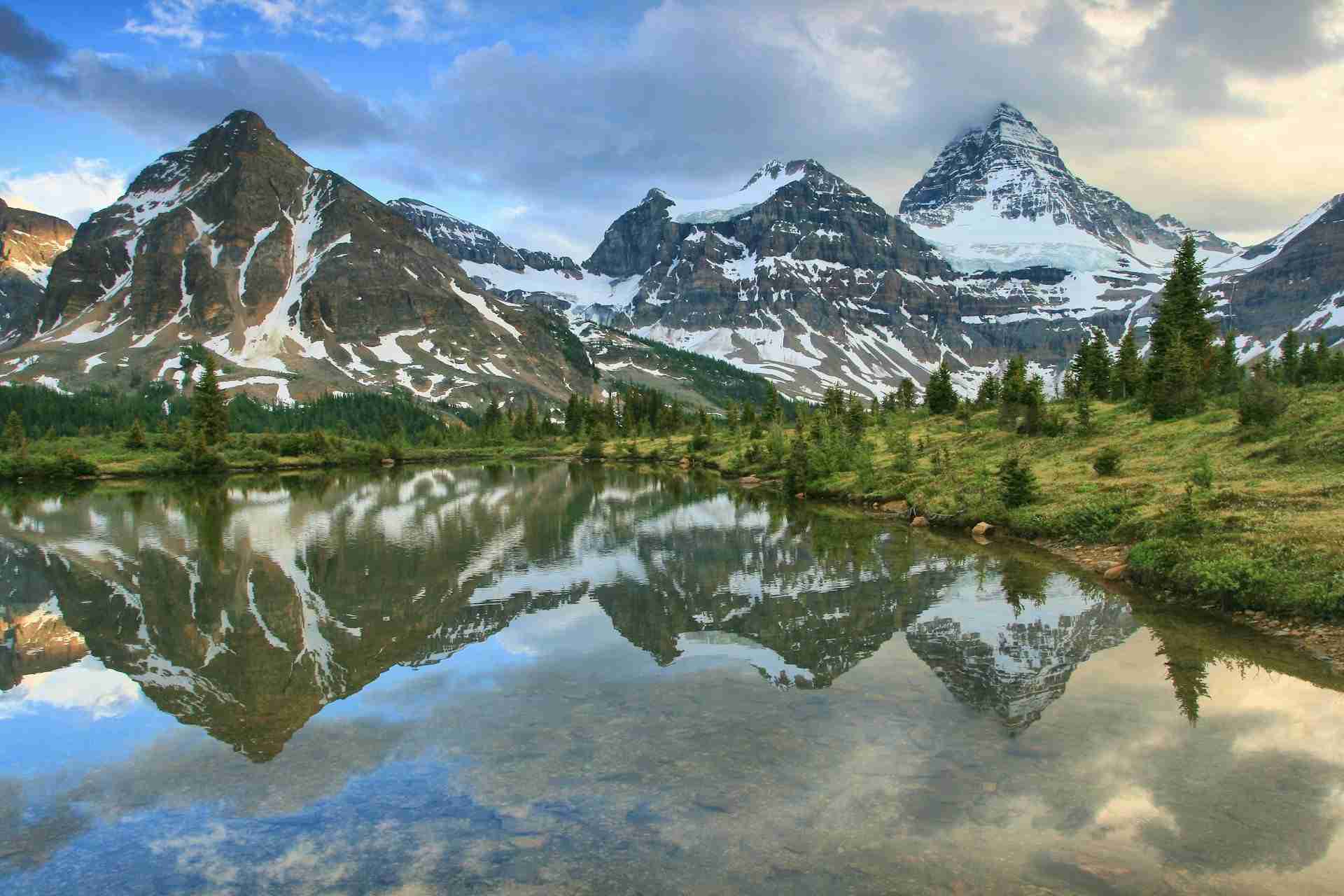
Tucked deep within Mount Assiniboine Provincial Park, Magog Lake offers one of the most breathtaking alpine landscapes in the Canadian Rockies. Towering over the pristine waters, Mount Assiniboine—often called the "Matterhorn of the Rockies"—rises dramatically to 3,618 meters, creating a near-perfect reflection on the lake's surface. This remote and untouched wilderness is a dream destination for photographers, with its dramatic peaks, lush meadows, and ever-changing light. Whether capturing the warm glow of sunrise, the star-filled night sky, or the golden larches of autumn, Magog Lake and Mount Assiniboine provide endless opportunities for stunning compositions.
Best Photography Opportunities
Sunrise and Alpenglow on Mount Assiniboine
The first light of day bathes the sharp, pyramidal peak of Mount Assiniboine in a warm pink and orange glow. Shooting from the shores of Magog Lake allows for incredible reflections, while a graduated ND filter helps balance the exposure between the bright sky and darker foreground.
Crystal-Clear Reflections in Magog Lake
On calm mornings, Magog Lake provides a mirror-like surface that perfectly reflects Mount Assiniboine and the surrounding peaks. A wide-angle lens (16–35mm) helps capture the full scene, and a polarizing filter enhances the sky while reducing glare from the water.
Golden Larches in Autumn
From mid-September to early October, the alpine larches surrounding Magog Lake turn a brilliant gold, creating a striking contrast against the deep blues of the lake and sky. Hiking up to the Nub Peak area offers a sweeping view of the golden forests with Mount Assiniboine in the distance.
Astrophotography and Nightscapes
With minimal light pollution, Mount Assiniboine Provincial Park is an excellent location for astrophotography. The Milky Way often aligns beautifully over the peak, and long-exposure shots can capture the starry sky reflected in the lake.
Wildflowers and Alpine Meadows in Summer
From July to early August, vibrant wildflowers blanket the meadows around Magog Lake, providing a colorful foreground for landscape shots. A macro lens is perfect for capturing intricate details of the alpine flora.
How to Get There
Reaching Magog Lake and Mount Assiniboine requires effort, as there are no direct roads to the park. The most common way to access the area is via a multi-day hike from the Mount Shark Trailhead (approximately 26 km one way) or by helicopter from Canmore or Mount Shark. The hike, while challenging, passes through breathtaking alpine scenery, making it a rewarding journey for landscape photographers.
Best Time to Visit
The best time to photograph Magog Lake and Mount Assiniboine depends on the season. Summer (July–August) offers lush green landscapes, wildflowers, and long daylight hours. Autumn (mid-September to early October) is especially magical, with golden larches and crisp mountain air creating perfect conditions for dramatic landscape shots. Winter transforms the park into a snowy wonderland, but access is difficult and requires backcountry experience.
Exploring the Local Area
Mount Assiniboine Provincial Park is a remote backcountry paradise filled with breathtaking scenery. Nearby, the Nublet and Nub Peak provide some of the most stunning panoramic views of Mount Assiniboine and the surrounding lakes. Sunburst and Cerulean Lakes, just a short hike from Magog Lake, offer dazzling blue waters and incredible reflections of the mountains. Og Lake, another alpine gem, provides a quieter location for capturing the rugged beauty of the area.
Nearby Photography Locations
(45 minutes to 2 hours hike) – One of the best viewpoints in the Canadian Rockies, offering sweeping vistas of Mount Assiniboine, Magog Lake, and the surrounding peaks. The ascent is steep but provides multiple stunning compositions from different elevations.
(20 minutes hike from Magog Lake) – A small, intensely blue lake that perfectly reflects Mount Assiniboine in calm conditions. Best photographed at sunrise or early morning when the water is still.
(30 minutes hike from Magog Lake) – Named for its deep blue color, this lake is surrounded by rugged peaks and makes for a striking contrast against the greenery of summer or the golden larches of fall.
• Og Lake
(1.5 hours hike from Magog Lake) – A more secluded alpine lake with a stunning view of Mount Assiniboine rising directly in the background. A great location for moody, dramatic shots, especially in changing weather.
(2 hours hike from Magog Lake) – A high alpine pass offering breathtaking views of the surrounding peaks and valleys. The larch trees here turn a brilliant gold in autumn, making it a fantastic spot for wide-angle landscape shots.
Magog Lake and Mount Assiniboine represent the pinnacle of backcountry photography in the Canadian Rockies. The effort required to reach this pristine wilderness is rewarded with some of the most spectacular landscapes in North America, making it a must-visit destination for photographers seeking dramatic, untouched beauty.
Comments
Loading comments…