
Trial Islands Lighthouse: A Photographer's Guide to a Coastal Icon
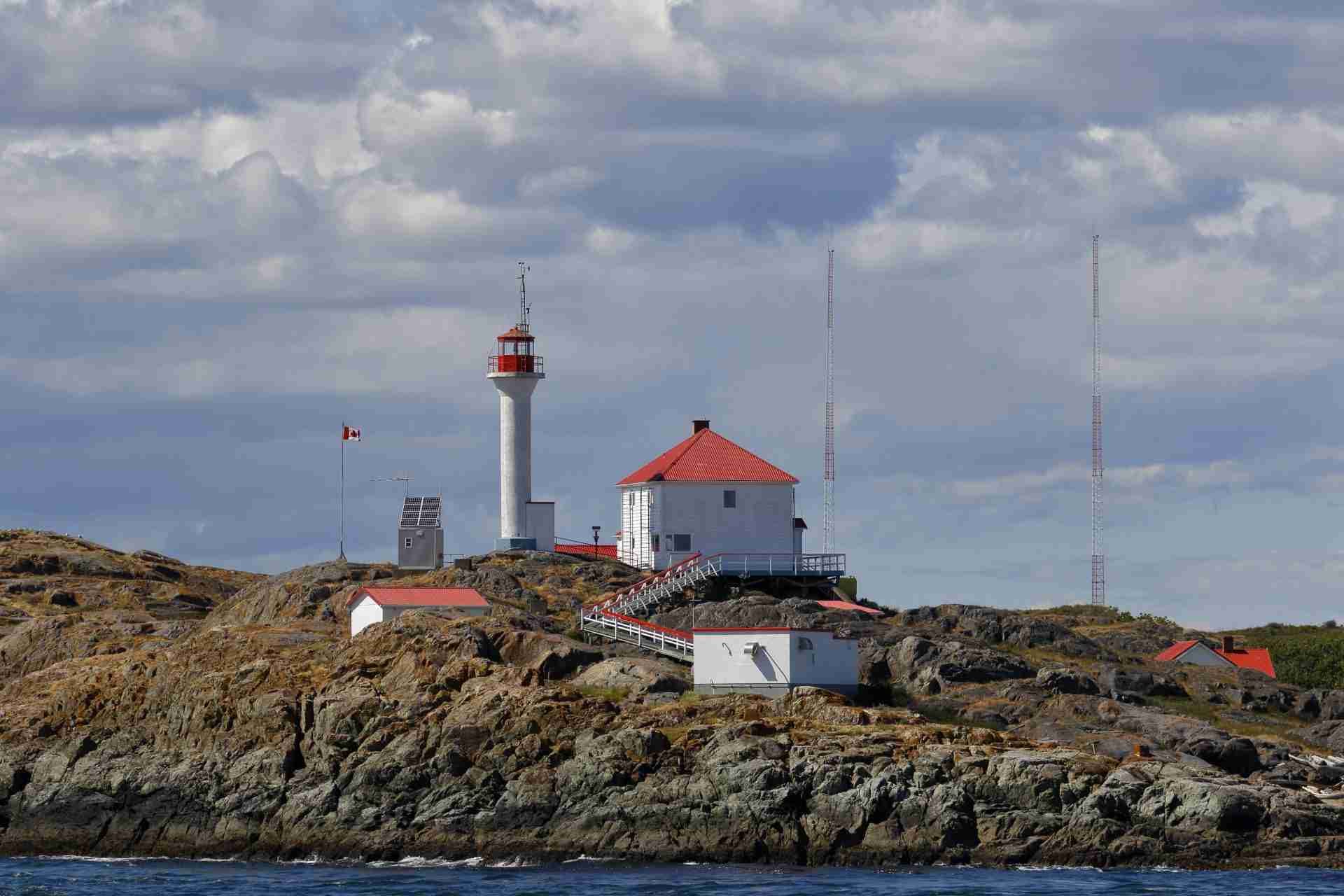
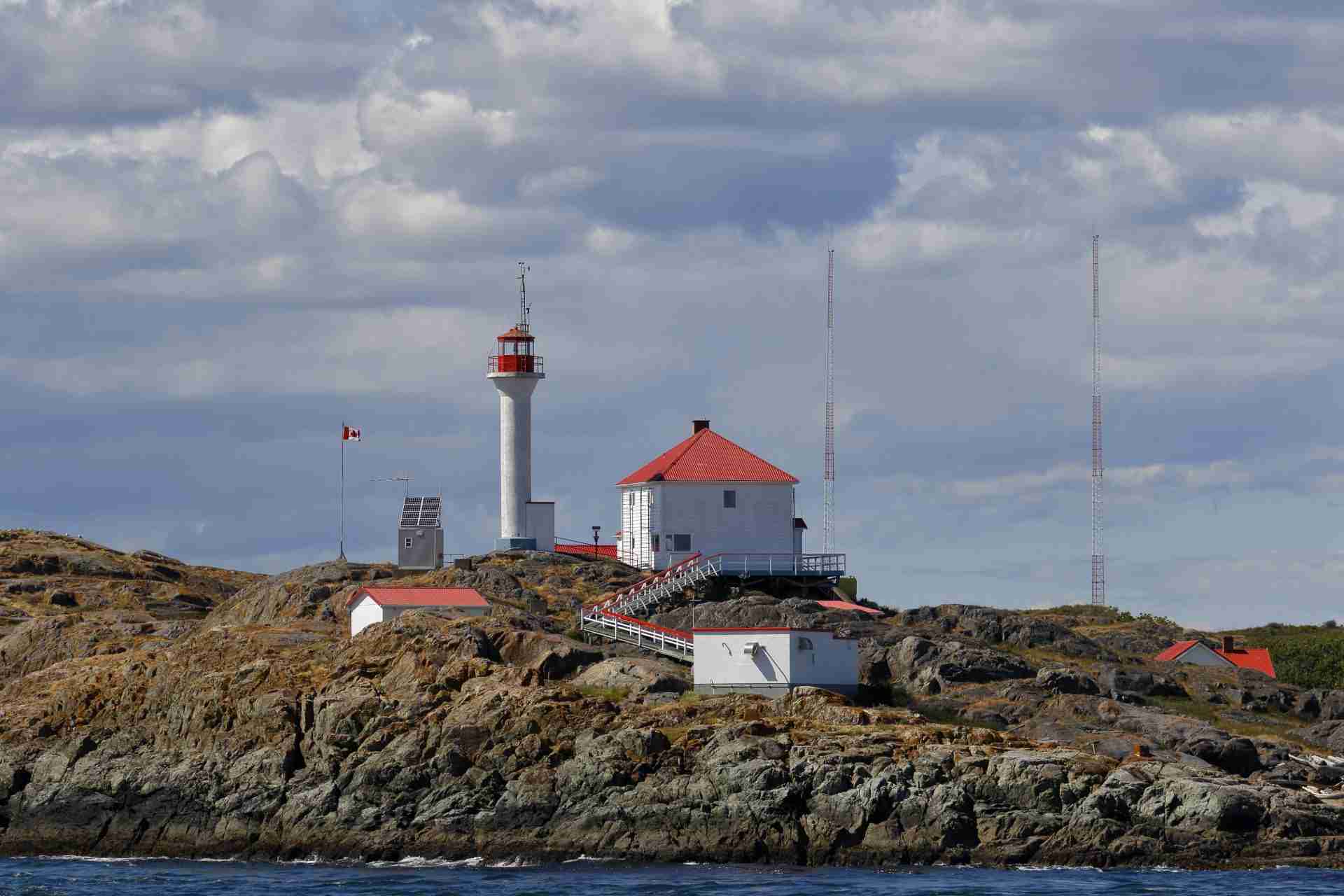
Trial Islands Lighthouse, situated on the scenic southern tip of Vancouver Island in Oak Bay, British Columbia, stands as a historic beacon guiding vessels through the Strait of Juan de Fuca. Established in 1906, this active lighthouse is an integral part of the maritime heritage of the region. Photographers are drawn to its picturesque location, which offers dramatic panoramic views of the Olympic Mountains to the south and the bustling marine traffic of the strait.
Best Photography Opportunities
The rugged coastline surrounding Trial Islands Lighthouse provides a striking contrast to the calm waters of the strait, making it an excellent subject for seascape photography. The lighthouse itself, with its classic white tower and red accents, stands out beautifully against the deep blues and greens of the ocean and sky. Capturing the lighthouse at sunrise or sunset adds warmth and depth to compositions, while stormy weather can create dramatic, moody scenes with crashing waves and shifting cloud formations.
The area is also a hotspot for wildlife photography. Seabirds such as gulls, cormorants, and bald eagles frequently soar above the coastline, while seals and sea lions can often be spotted resting on nearby rocky outcrops. The unique microclimate of the Trial Islands supports rare plant species, offering opportunities for nature photography that highlights the region's biodiversity.
Photography Tips
A telephoto lens is essential for capturing close-up shots of the lighthouse from nearby vantage points on Vancouver Island, as access to the islands themselves is restricted to protect their fragile ecosystem. A wide-angle lens will help frame expansive coastal scenes, incorporating the lighthouse, ocean, and distant mountain ranges. For long-exposure photography, using a tripod and a neutral density (ND) filter will allow for smooth water effects and dynamic cloud movements.
To enhance wildlife photography, patience is key—waiting for seabirds to take flight or seals to surface can result in dynamic, storytelling images. A polarizing filter can help reduce glare on the water and bring out richer colors in the sky and landscape.
How to Get There
While the Trial Islands are not accessible to the public due to conservation efforts, excellent views of the lighthouse can be found from various points along the Oak Bay shoreline. Cattle Point and McNeill Bay offer some of the best perspectives for photographing the lighthouse, with easy access via walking trails and parking areas. Kayakers and boaters can also capture unique water-level angles, though caution should be taken due to strong currents in the area.
Local Area
Oak Bay is a picturesque and historic coastal community known for its charming village atmosphere, scenic waterfronts, and rich cultural history. The area offers a mix of rugged shorelines, quiet beaches, and well-preserved heritage buildings, making it a fantastic destination for photographers. Visitors can enjoy local cafés, art galleries, and scenic walks along Beach Drive, which showcases some of the best ocean views in the region.
Nearby Photography Locations
• Cattle Point A rocky outcrop with stunning views of Trial Islands Lighthouse, ideal for sunrise and sunset photography. The tide pools here also provide excellent opportunities for capturing marine life and unique foreground textures.
• McNeill Bay A scenic waterfront area that provides a clear line of sight to the lighthouse with opportunities for wildlife and seascape photography. The bay's rocky shoreline and frequent sightings of harbor seals make it a rewarding location for nature photographers.
• Gonzales Hill Regional Park A high-elevation lookout offering panoramic views of Oak Bay, the Strait of Juan de Fuca, and the Olympic Mountains. The park's elevated perspective is perfect for capturing sweeping landscapes, especially during the golden hour.
• Willows Beach A sandy beach with calm waters and excellent opportunities for coastal landscape and sunset photography. This family-friendly spot also features driftwood-lined shores that can add depth and interest to compositions.
• Finnerty Gardens A lush botanical garden at the University of Victoria, featuring vibrant seasonal blooms and tranquil forested pathways. The garden's variety of rare plant species makes it an exceptional location for macro and floral photography.
Comments
Loading comments…