
Photographing Wapta Mountain & Takakkaw Falls: A Guide to Yoho National Park's Iconic Landscapes
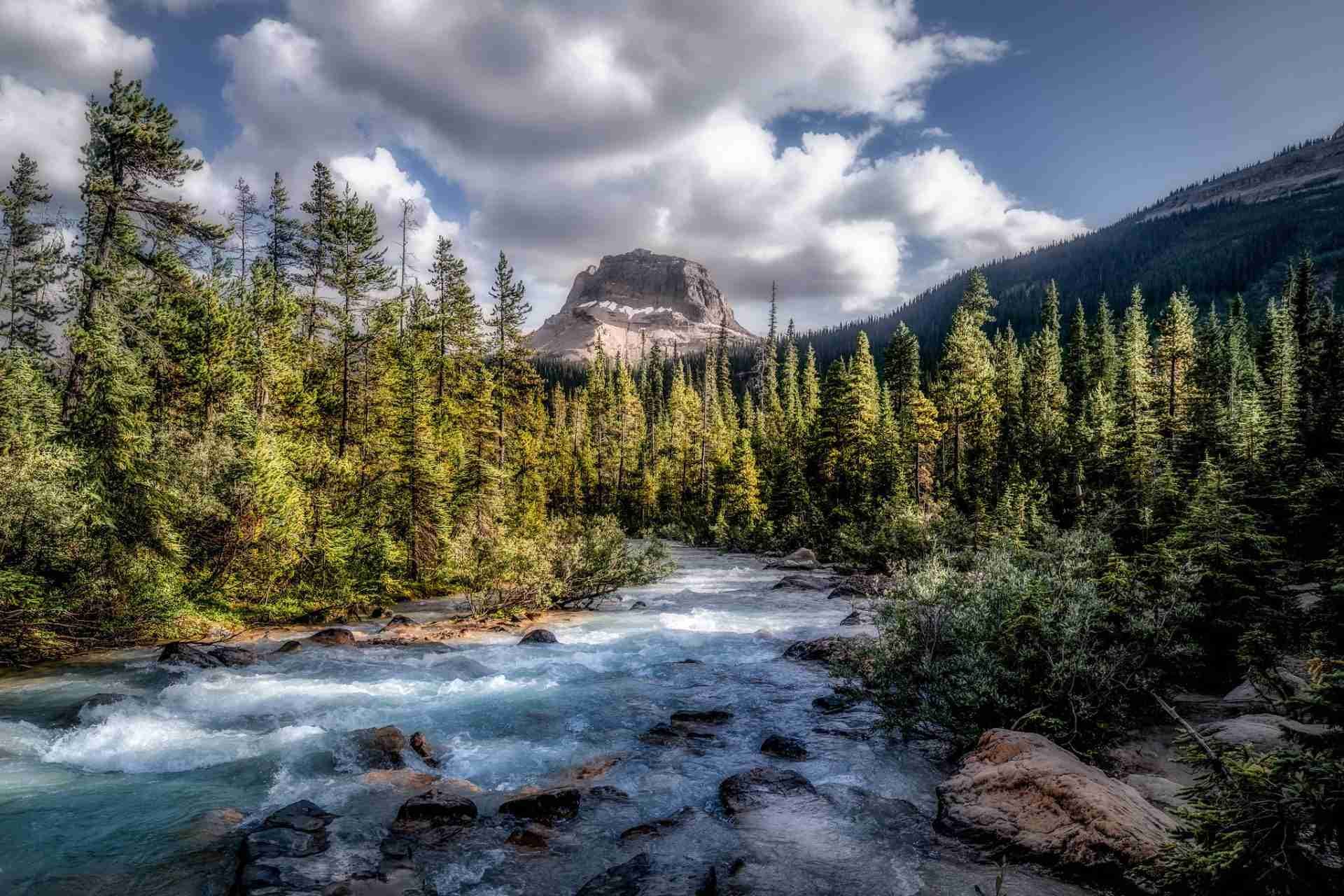
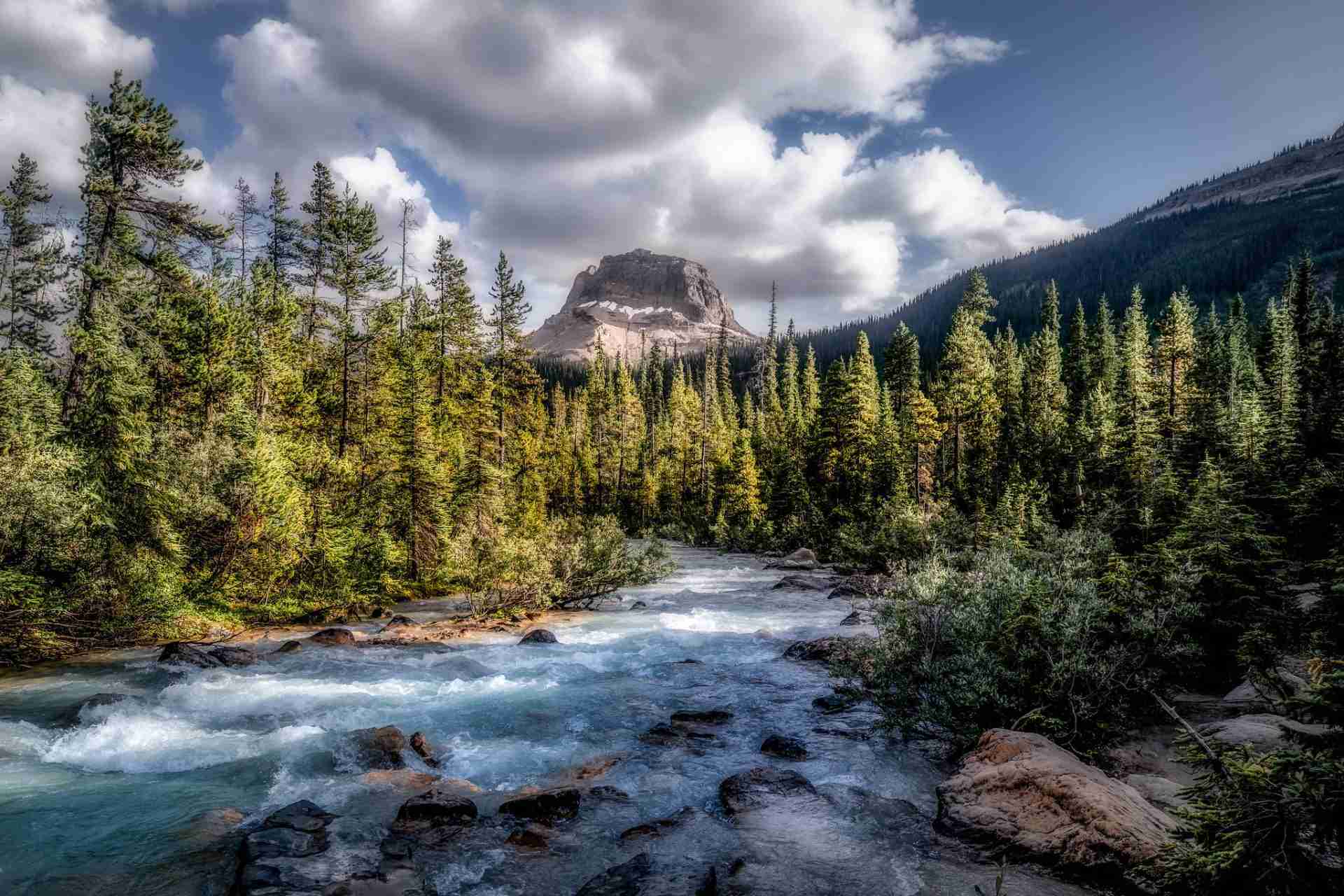
The magnificent view of Wapta Mountain in Yoho National Park, resembling a butte with its distinct flat top, is one of the most striking natural landmarks in the region. This awe-inspiring landscape can be seen from the Red Chairs hiking area along the trail to Takakkaw Falls, offering photographers breathtaking compositions of rugged peaks, dramatic skies, and pristine wilderness. Nearby, the powerful Takakkaw Falls adds another incredible subject to capture, with its towering cascade fed by the Daly Glacier. The combination of Wapta Mountain's commanding presence and the rushing waters of Takakkaw Falls makes this area a dream destination for nature photographers.
Best Photography Conditions & Tips
The best time to photograph Wapta Mountain and Takakkaw Falls is during the golden hour, when the soft light enhances the textures of the cliffs and creates beautiful contrasts against the sky. In the morning, the first rays of sunlight illuminate the mountain's flat summit, while sunset provides a dramatic backdrop as the light fades over the rugged terrain.
A wide-angle lens (16-35mm) is ideal for capturing the grandeur of the mountain and falls, while a telephoto lens (70-200mm) allows for isolating intricate details such as the misty spray of the waterfall or the stratified rock layers of Wapta Mountain. A tripod and neutral density (ND) filter are essential for long-exposure shots of Takakkaw Falls, creating a silky effect in the cascading water.
For the best compositions, position foreground elements like alpine wildflowers, boulders, or trees to add depth and scale. If visiting in early summer, the surrounding meadows will be lush and vibrant, adding an extra layer of color to your shots. Cloudy and moody weather conditions can also enhance the atmosphere, providing a dramatic effect against the mountain's imposing cliffs.
How to Get There
Wapta Mountain and Takakkaw Falls are located in Yoho National Park, British Columbia. Visitors can reach the falls by driving along Yoho Valley Road, which is open seasonally from late June to early October due to snowfall. The Takakkaw Falls parking lot provides free parking and is a short walk from the base of the falls. From there, the Red Chairs hiking area offers a fantastic vantage point for photographing Wapta Mountain.
About Yoho National Park & Its Surroundings
Yoho National Park is renowned for its dramatic mountain landscapes, pristine rivers, and glacial-fed lakes. As part of the Canadian Rockies, the park is home to diverse wildlife, including mountain goats, elk, and black bears, offering additional opportunities for nature photography. The park's rich geological history is evident in its towering peaks and rock formations, including the famous Burgess Shale fossil beds.
Takakkaw Falls, one of Canada's tallest waterfalls at 373 meters, is a highlight of the park. The falls are especially powerful in late spring and early summer when glacial meltwater increases the flow. The misty spray creates rainbows on sunny days, adding another stunning element to compositions.
Nearby Photography Spots
• Takakkaw Falls One of the most photogenic waterfalls in Canada, with its dramatic drop and surrounding cliffs providing endless composition possibilities. A long-exposure shot from the base captures the full power and misty ambiance of the falls.
• Emerald Lake A stunning turquoise lake framed by towering peaks, offering exceptional reflection shots, particularly in the early morning when the water is still. The bridge leading to Emerald Lake Lodge provides an excellent focal point.
• Natural Bridge A fascinating rock formation where the Kicking Horse River carves through stone, creating powerful rapids and a dynamic composition. The rushing water adds a dramatic element to long-exposure photography.
• Burgess Shale Fossil Beds A UNESCO World Heritage Site offering incredible views of the surrounding valleys and unique opportunities to photograph 500-million-year-old marine fossils. The high-elevation trails provide sweeping panoramic landscapes.
• Lake O'Hara A pristine alpine lake with emerald waters, framed by rugged peaks and vibrant larch trees in the fall. Limited access keeps this area relatively untouched, making it a true gem for photographers.
Comments
Loading comments…