
Miss Piggy Plane Wreck: A Photographer's Guide to Churchill's Historic Crash Site
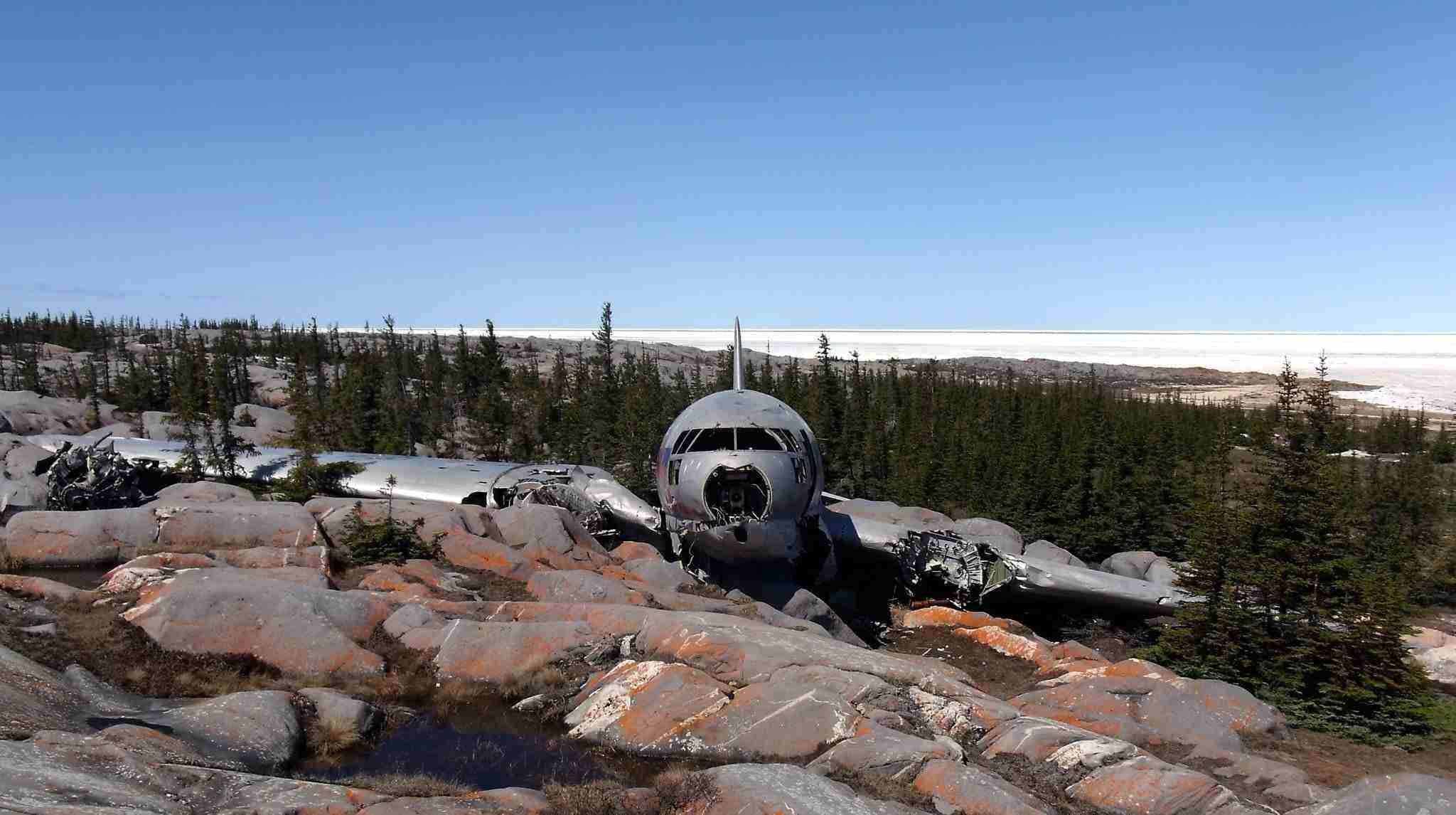
On 13 November 1979, a C-46 cargo plane crashed while attempting to land at the Churchill Airport. The Lamb Air cargo aircraft earned the nickname "Miss Piggy" because of the large loads it carried in and out of Northern Manitoba. At approximately 9:30 AM, shortly after takeoff, the pilot reported mechanical problems and a drop in oil pressure. Attempts to return to the Churchill Airport failed, and the plane crashed just short of the runway. The crew and pilot on board suffered injuries but all survived. Today, the remains of the aircraft rest broken on the rocks, largely intact, and open for exploration.
Best Photography Opportunities
Miss Piggy's weathered fuselage, with its twisted metal and scattered debris, provides a haunting yet fascinating subject for photography. Wide-angle shots capture the full scale of the wreck against the stark subarctic landscape, while close-up details highlight the aircraft's rusted textures, exposed interior, and layers of graffiti left by visitors over the years.
The wreckage is especially photogenic during the golden hours of sunrise and sunset when the low-angle light casts dramatic shadows and enhances the textures of the metal. Snow-covered scenes in winter create an eerie contrast between the bright, frozen surroundings and the dark, decaying aircraft. The northern lights, visible in Churchill at certain times of the year, provide an incredible opportunity for long-exposure night photography with the wreck as a foreground element.
Photography Tips
A wide-angle lens is ideal for capturing the entire wreck in its remote setting, while a macro or telephoto lens can emphasize the details of the wreckage, from peeling paint to twisted metal. A tripod is essential for night photography, particularly if attempting to capture the aurora borealis above the plane.
HDR photography can help balance the high contrast between the bright sky and shadowed interior of the aircraft. In winter, protecting camera gear from the extreme cold and using spare batteries is crucial, as frigid temperatures can drain power quickly. Experimenting with different perspectives, such as shooting from inside the fuselage or framing the wreckage with Churchill's tundra landscape, can add depth and context to images.
How to Get There
Miss Piggy is located just outside Churchill, Manitoba, along a gravel road near the airport. The site is easily accessible by car or on foot from town, though visitors should be cautious of rough terrain, particularly in icy or snowy conditions. Churchill's remote location requires travel by plane or train, with flights available from Winnipeg. The site is open year-round and free to explore.
Exploring Churchill
Churchill is famous for its diverse wildlife and stunning landscapes, making it a dream destination for photographers. Beyond Miss Piggy, visitors can capture breathtaking shots of polar bears, beluga whales, and vast tundra landscapes. The town's historic buildings and cultural sites provide additional photography opportunities. Winter visitors may also experience some of the best northern lights displays in the world.
Nearby Photography Locations
• Cape Merry Battery A historic fortification offering stunning views of Hudson Bay and dramatic coastal landscapes. The site's rugged cliffs and weathered stone structures provide compelling compositions, especially during sunrise and sunset.
• Churchill Northern Studies Centre A research facility surrounded by tundra, perfect for photographing Arctic wildlife and night skies. The remote location ensures minimal light pollution, making it an excellent spot for capturing the aurora borealis.
• SS Ithaka Shipwreck A partially submerged freighter stranded on the coast, creating an eerie and photogenic subject. The rusting hull against the icy waters provides a striking contrast that changes with the seasons.
• Polar Bear Point A prime location for spotting and photographing Churchill's world-famous polar bears in their natural habitat. The vast tundra backdrop and shifting ice conditions make for dramatic and unpredictable wildlife shots.
• Aurora Viewing Spots Various remote areas around Churchill offer excellent opportunities for capturing the northern lights with minimal light pollution. Winter nights provide the clearest skies, allowing for vivid and detailed astrophotography.
Comments
Loading comments…