
St. Boniface Cathedral: A Photographer's Guide to Winnipeg's Historic Landmark
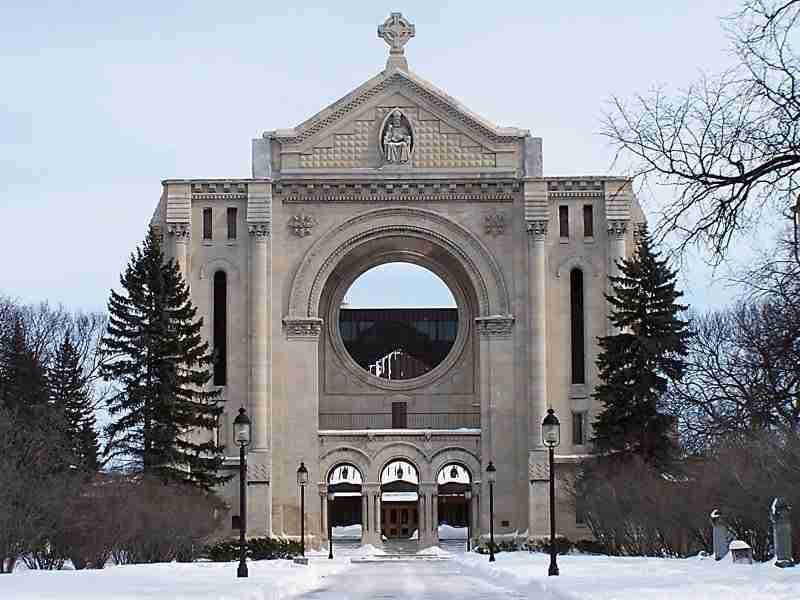
St. Boniface Cathedral is a Roman Catholic basilica and cathedral built in 1862 and then expanded to its present form in 1906. A large portion of it was destroyed by fire in 1968, leaving only the façade, walls, and sacristy. In 1972, a smaller cathedral was built behind the original façade, blending historical ruins with modern architectural elements. This unique fusion of past and present makes it a fascinating subject for photographers, offering opportunities to capture striking contrasts between the historic stonework and contemporary design.
Best Photography Opportunities
The cathedral's grand stone façade, with its large central arch and intricate detailing, provides a dramatic focal point for both wide-angle and close-up compositions. Sunrise and sunset create stunning lighting effects, casting warm tones on the stone and enhancing the textures of the weathered ruins.
The contrast between the original walls and the modern glass-and-steel structure behind them offers intriguing perspectives that highlight the cathedral's resilience and transformation. Exploring different vantage points around the site can reveal hidden details, from intricate carvings to the play of light through open arches. The surrounding St. Boniface Cemetery, one of the oldest in Western Canada, adds historical depth to compositions with its historic tombstones and peaceful atmosphere.
Photography Tips
A wide-angle lens is recommended to capture the full grandeur of the cathedral's towering façade. For more detailed shots, a telephoto lens can isolate architectural features like the ornate stone carvings and window tracery. A tripod is useful for low-light conditions, especially when capturing the illuminated cathedral at night.
To emphasize the contrast between old and new, experiment with different compositions that frame the modern cathedral through the ruins. A polarizing filter can help reduce glare and enhance the texture of the stone, while HDR photography techniques can balance the bright sky with the shadowed interiors of the ruins.
How to Get There
St. Boniface Cathedral is located in the heart of Winnipeg's French Quarter, at 180 Avenue de la Cathédrale. It is easily accessible by car, public transit, or on foot from downtown Winnipeg. Parking is available nearby, and the cathedral grounds are open to visitors year-round. There is no entrance fee, making it an accessible and rewarding destination for photographers.
Exploring St. Boniface
The surrounding neighborhood of St. Boniface is rich in history and French-Canadian culture, offering numerous opportunities for street and architectural photography. Visitors can explore charming cafés, historic sites, and the scenic Red River walkway, which provides beautiful waterfront views of downtown Winnipeg. The area's vibrant culture and historic landmarks make it a must-visit for photographers looking to capture the city's diverse character.
Nearby Photography Locations
• Esplanade Riel A striking pedestrian bridge over the Red River, featuring sleek modern design and stunning skyline views. The bridge's unique architecture is particularly eye-catching when illuminated at night, making it a great subject for long-exposure photography.
• The Forks A historic and cultural gathering place with scenic river walks, bustling markets, and urban landscapes. The site offers dynamic photo opportunities year-round, from summer festivals to serene winter scenes along the frozen river.
• Legislative Building A grand neoclassical structure known for its impressive architecture and iconic Golden Boy statue. The building's beautifully landscaped grounds provide additional opportunities for capturing seasonal colors and historic details.
• St. Boniface Museum A former Grey Nuns' convent and one of the oldest buildings in Manitoba, perfect for capturing historical charm. The museum's rustic wooden exterior and period artifacts offer a glimpse into the early history of the province.
• Red River Walkway A picturesque riverside trail offering beautiful reflections and panoramic cityscapes at sunset. The changing light throughout the day creates diverse opportunities for capturing stunning water reflections and silhouettes.
Comments
Loading comments…