
Machias Seal Island Migratory Bird Sanctuary: A Photographer's Guide to an Exclusive Seabird Haven
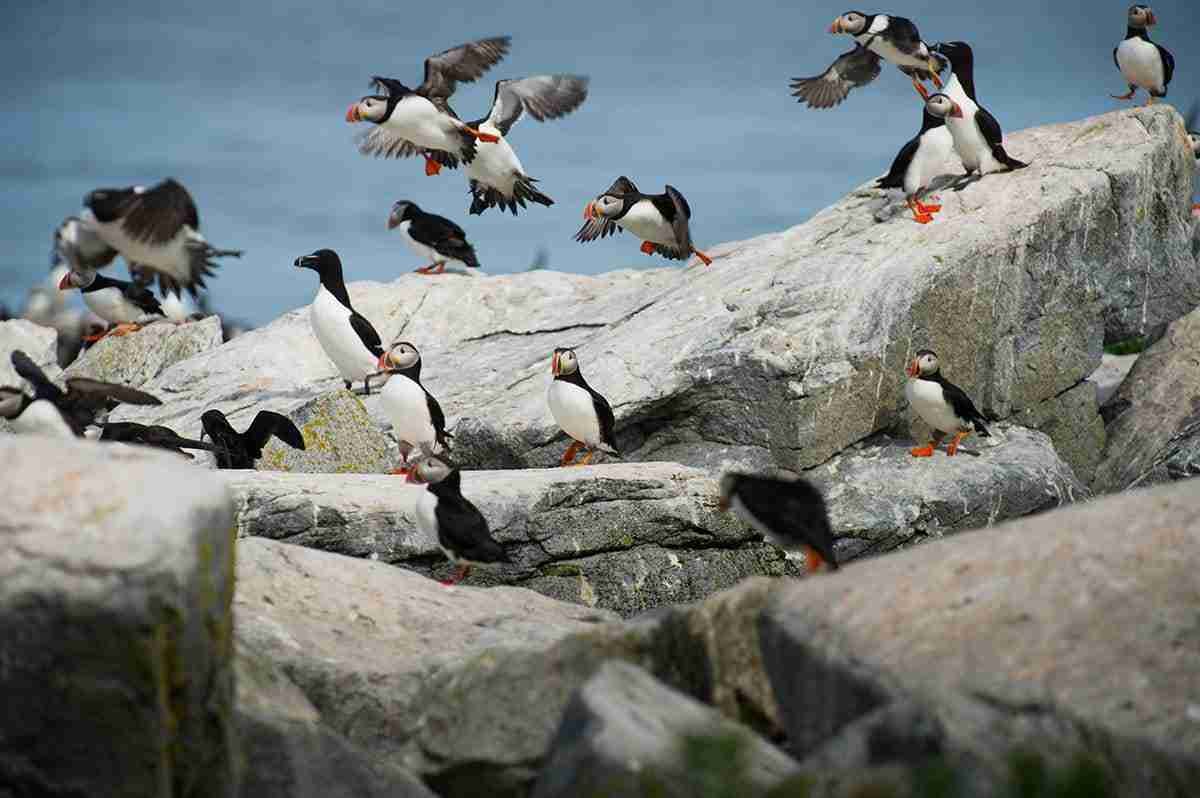
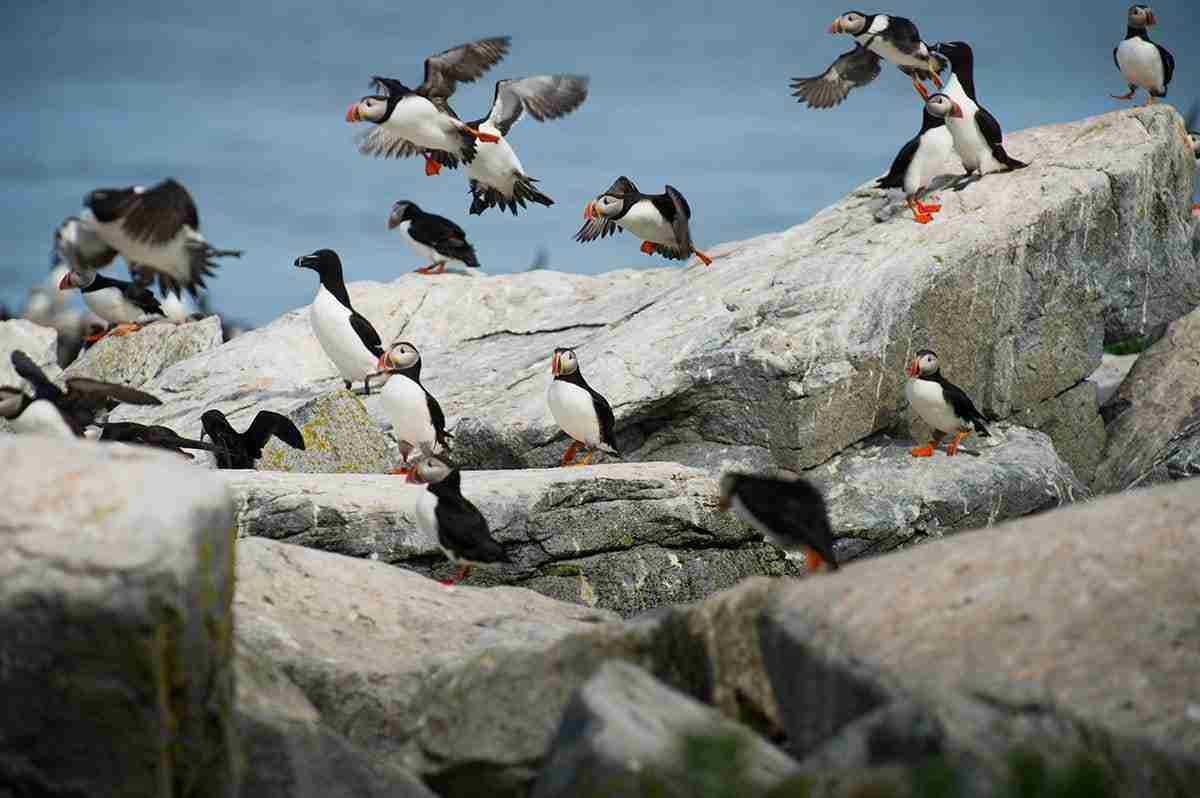
Machias Seal Island Migratory Bird Sanctuary is a tiny, treeless oceanic island rising barely 9 meters above sea level. This small island is one of the most important seabird nesting colonies in the Gulf of Maine. It is home to one of the most southerly colonies of the Atlantic Puffin, with well over 1,000 pairs, whose breeding range extends north all the way to Greenland. In addition to puffins, the island hosts razorbills, common murres, and Arctic terns, making it a dream destination for wildlife photographers. The ownership of the island has long been disputed between Canada and the United States, but it remains a protected sanctuary.
Best Photography Opportunities
Machias Seal Island offers exceptional opportunities for capturing seabirds in their natural habitat. The dense population of Atlantic Puffins provides countless chances to photograph these charismatic birds up close, especially during the breeding season from May to August. Their vibrant orange beaks and expressive eyes make for striking portraits, while in-flight shots showcase their agility as they dart between rocky perches.
Photographers can also capture dynamic interactions between puffins, razorbills, and terns, creating storytelling wildlife compositions. The low-lying, rocky terrain allows for excellent ground-level shooting angles, and overcast days provide ideal lighting to avoid harsh shadows on the birds' black and white plumage. Long-lens photography is crucial to capturing detailed close-ups, while wide-angle shots can help document the rugged island landscape.
Photography Tips
A telephoto lens (400mm or longer) is essential for close-up shots of seabirds, as maintaining a respectful distance is crucial. Fast shutter speeds (1/2000s or higher) help freeze birds in flight, while a lower ISO setting ensures sharp, noise-free images. A tripod or monopod can be useful for stabilizing shots, especially in windy conditions.
Since access to the island is highly restricted, advance booking through Sea Watch Tours is necessary. Visitors should prepare for unpredictable weather and ocean spray, so bringing lens protection and a waterproof camera cover is recommended. Patience is key—waiting for puffins to return to their burrows with beaks full of fish can yield spectacular images.
How to Get There
Access to Machias Seal Island is highly limited. Sea Watch Tours, operating from Grand Manan, New Brunswick, is the only company in Canada with permission to land visitors on the island. They are allowed to bring just 15 people per day, six days a week, during the summer season. The journey involves a boat trip across potentially rough seas, so motion sickness precautions may be advisable. Due to the island's protected status, visitors must adhere to strict guidelines to minimize disturbance to wildlife.
Exploring Grand Manan
Grand Manan, the departure point for Machias Seal Island tours, is an excellent destination for additional photography opportunities. Its dramatic coastal cliffs, fishing villages, and abundant marine life provide a variety of subjects, from scenic landscapes to bustling harbors. Photographers can capture everything from lighthouses perched on rugged cliffs to migrating whales in the Bay of Fundy.
Nearby Photography Locations
• Swallowtail Lighthouse A picturesque lighthouse perched on rocky cliffs, offering breathtaking sunrise and sunset photography. The steep walk up to the lighthouse provides multiple vantage points for capturing dramatic coastal views.
• The Anchorage Provincial Park A coastal park featuring tidal pools, diverse birdlife, and stunning shoreline compositions. The park's varied landscapes make it ideal for capturing both macro shots of marine life and expansive seascapes.
• Seal Cove A historic fishing village with weathered fishing shacks, offering excellent opportunities for maritime photography. The reflections of the old buildings on the calm harbor waters create striking compositions.
• Hole-in-the-Wall Park A dramatic natural rock arch along the coastline, ideal for capturing unique geological formations. The surrounding hiking trails provide additional vantage points for sweeping coastal panoramas.
• Dark Harbour A striking location known for its high cliffs and floating seaweed-covered rock formations, perfect for moody seascapes. The area is especially atmospheric during foggy conditions, adding depth and drama to photographs.
Comments
Loading comments…