
Reversing Falls Bridge: A Photographer's Guide to Saint John's Unique Natural Phenomenon
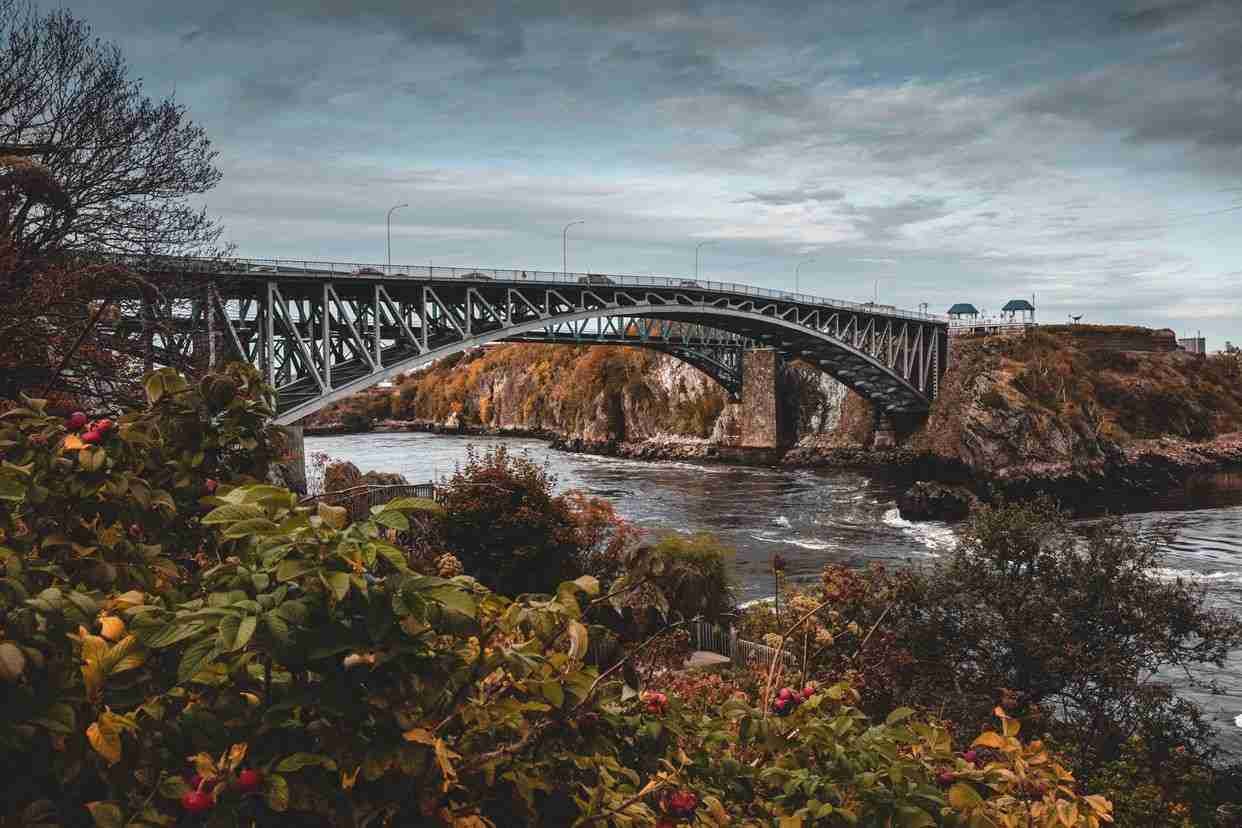
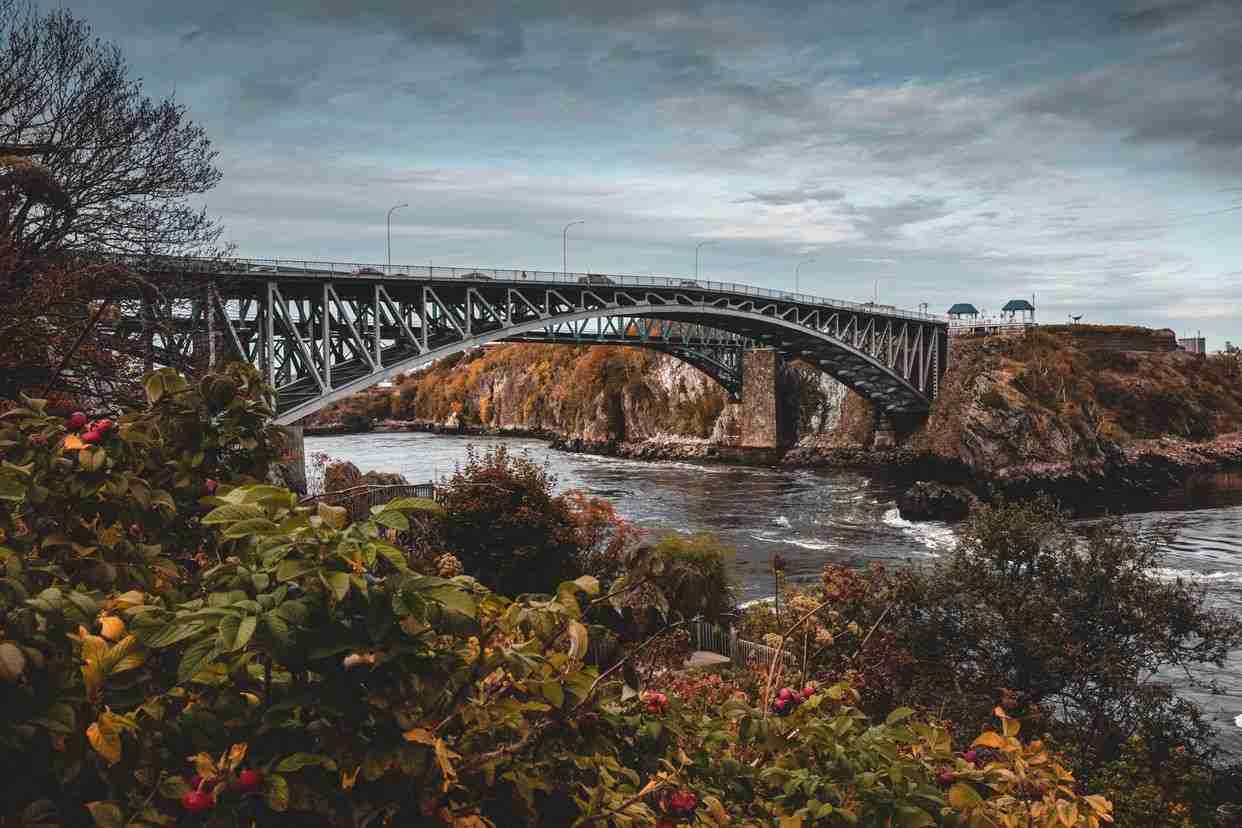
In the heart of Saint John, New Brunswick, is a lovely trestle bridge that spans the Reversing Falls. The Reversing Falls Bridge stretches 190 meters across the gorge, connecting the east and west sides of the city. Built in 1915, the bridge was an essential transportation route, and until the 1940s, it also carried streetcars across the river. Beyond its historical significance, the bridge offers a stunning vantage point over one of nature's most fascinating tidal phenomena.
Best Photography Opportunities
The Reversing Falls is a rare sight where the rapid-moving tide of the Bay of Fundy collides with the flow of the Saint John River, creating a dynamic and ever-changing scene. At low tide, the river empties, revealing dramatic rapids and swirling whirlpools, while at high tide, the waters reverse direction, creating a calmer but no less impressive spectacle. The best times for photography are during these transitional periods when the water's movement is at its most striking.
Capturing the bridge against the backdrop of the churning river makes for compelling compositions, especially when framed with the surrounding cliffs and cityscape. The area is particularly breathtaking in autumn when the foliage bursts into vibrant hues of red, orange, and yellow, providing a stunning contrast against the blue waters of the river.
Photography Tips
A tripod is useful for long-exposure shots to smooth out the motion of the water or emphasize the dramatic movement of the rapids. A neutral density (ND) filter can help extend exposure times, particularly when shooting the falls during daylight. Wide-angle lenses work well for capturing the bridge within the expansive landscape, while a telephoto lens can help isolate details like swirling whirlpools and crashing waves.
The best viewpoint for photography is just below the parking area, where a scenic overlook provides an unobstructed view of the bridge and the river below. Experimenting with different tide levels will allow photographers to capture a variety of compositions that showcase the falls' changing nature. Sunrise and sunset offer beautiful soft lighting, enhancing the textures of the bridge and the surrounding cliffs.
How to Get There
The Reversing Falls Bridge is located in Saint John, New Brunswick, and is easily accessible by car. Parking is available near the bridge, with a designated viewpoint just below the parking area for the best photography angles. Visitors should check tide schedules in advance to plan their visit around the most dramatic tidal changes.
Exploring Saint John
Saint John is a vibrant coastal city with a rich maritime history and plenty of scenic photography locations beyond the Reversing Falls. The historic Uptown district offers charming architecture, colorful streets, and waterfront views, making it perfect for urban photography. The Bay of Fundy coastline provides additional opportunities for seascapes, wildlife, and dramatic cliffside views.
Nearby Photography Locations
• Irving Nature Park A coastal nature reserve with scenic trails, rocky beaches, and panoramic views of the Bay of Fundy. The park is home to diverse wildlife, including migratory birds and seals, making it a fantastic location for nature photography.
• Fort Howe Lookout A historic site offering a sweeping view of Saint John's harbor and skyline, especially striking at sunset. The lookout's elevated vantage point allows for dynamic cityscape shots and long-exposure photography of the harbor lights.
• Harbour Passage A scenic waterfront walkway lined with public art, historic landmarks, and stunning cityscape views. The walkway's changing perspectives provide excellent opportunities for capturing both architectural and maritime scenes.
• Lepreau Falls A picturesque waterfall surrounded by lush greenery, providing excellent long-exposure photography opportunities. The rushing water over tiered rock formations creates a dramatic and textured natural composition.
• Bay of Fundy Cliffs A breathtaking stretch of coastline where towering cliffs meet the world's highest tides, perfect for capturing dramatic landscapes. The ever-changing light and shifting water levels make this a versatile and rewarding location for coastal photography.
Comments
Loading comments…