
Cape Spear, Newfoundland: A Photographer's Guide
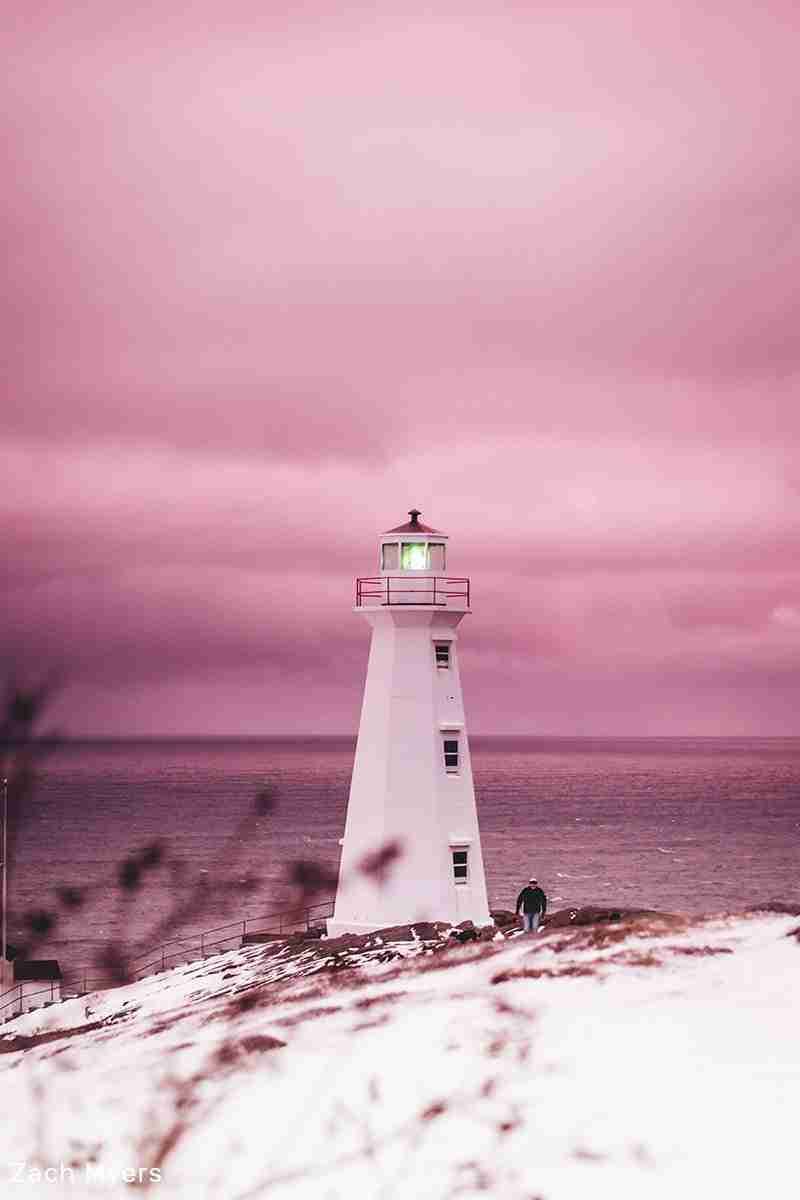
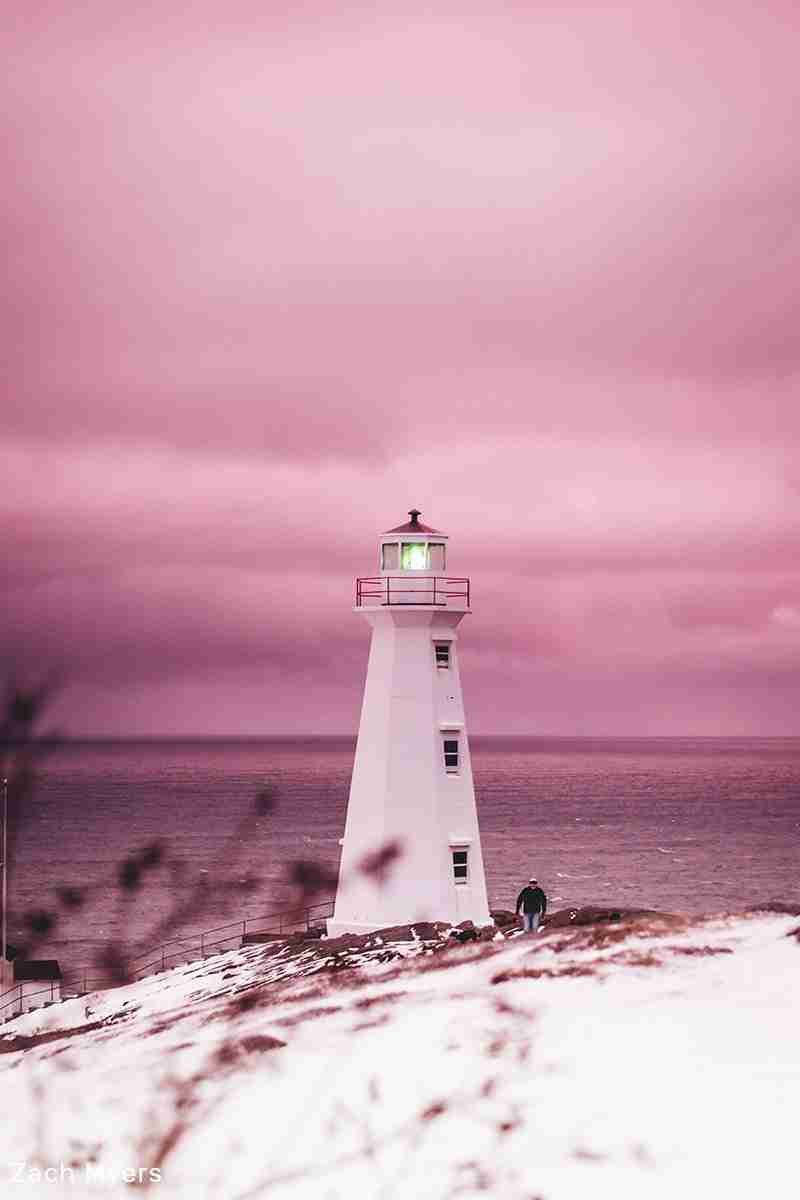
Cape Spear, located on the easternmost point of North America, offers photographers an unparalleled blend of rugged coastal scenery, historic architecture, and breathtaking light. The Cape Spear New Lighthouse, built in 1955 to replace the nearby historic lighthouse, sits on the rocky shoreline overlooking the vast Atlantic Ocean. This location is especially photogenic at sunset, with golden light illuminating the cliffs, but it is best known for welcoming the first sunrise on the continent every morning. With dramatic waves crashing against the rocks, the rhythmic pulse of the ocean, and the ever-changing sky, Cape Spear is an essential stop for any landscape photographer visiting Newfoundland.
Best Photography Opportunities
First Light on the Continent
– As the first place in North America to see the sunrise, Cape Spear offers spectacular golden-hour compositions. The soft morning light bathes the lighthouse, cliffs, and ocean in warm tones, while mist and sea spray add an ethereal quality to the scene. Positioning the lighthouse against the rising sun creates a striking silhouette, while including the rocky foreground adds depth.
Sunset and Golden Hour
– Although Cape Spear is famed for its sunrises, its sunsets are equally stunning, with the cliffs glowing in the last light of day. The golden hues reflecting off the water create mesmerizing seascapes, and as the sun dips below the horizon, the sky transitions through brilliant shades of pink, orange, and purple. A wide-angle lens will help capture the expansive sky, while a telephoto lens can compress the lighthouse against the horizon for a dramatic effect.
Long Exposure Seascapes
– The rocky shoreline and crashing Atlantic waves make for incredible long-exposure compositions. Using a neutral density (ND) filter, you can transform the turbulent ocean into a silky, mist-like surface, creating a contrast between the smooth water and the sharp, rugged rocks. A shutter speed of 10 to 30 seconds is ideal for capturing this effect.
Stormy and Moody Skies
– Newfoundland's weather is known for its unpredictability, making Cape Spear an excellent location for dramatic storm photography. Dark clouds rolling in from the ocean, heavy mist, and crashing waves create an intense atmosphere that can result in powerful, cinematic images. A polarizing filter can enhance contrast in stormy skies and deepen the blues and grays of the ocean.
Wildlife and Iceberg Photography
– From late spring to early summer, Cape Spear offers incredible opportunities to photograph icebergs drifting down Iceberg Alley. The sight of massive ice formations floating past the lighthouse is unforgettable, particularly when framed against the rugged coastline. In addition, humpback whales are often seen just offshore, making a telephoto lens (200mm or longer) useful for capturing close-up shots of these majestic creatures.
Best Time to Visit
The best time to visit Cape Spear depends on the type of photography you're after. Summer (June to September) provides the warmest temperatures, vibrant greens, and the best chances for iceberg and whale sightings. Spring and autumn offer moody lighting conditions, dramatic skies, and fewer tourists, making them ideal for capturing atmospheric landscapes. Winter, while harsh, transforms the coastline into a frozen wonderland with ice-covered rocks and crashing waves, adding another layer of drama to the scene. Early morning is best for sunrises and peaceful seascapes, while sunset provides striking golden-hour compositions.
How to Get There
Cape Spear is located just 20 minutes from downtown St. John's, Newfoundland, making it one of the most accessible yet dramatic coastal locations in the province. The drive along Route 11 offers scenic coastal views before reaching the Cape Spear Lighthouse National Historic Site, where parking is available. Paved and gravel walking trails lead to various viewpoints, including the old and new lighthouses, rugged cliffs, and lookout platforms offering sweeping ocean vistas.
Exploring Cape Spear
Cape Spear is more than just a lighthouse—it's a place where history, nature, and dramatic seascapes converge. The area surrounding the lighthouse is a protected national historic site, featuring remnants of Newfoundland's maritime and military history. The original Cape Spear Lighthouse, built in 1836, still stands nearby and offers a glimpse into the past, with its white wooden exterior and red lantern room contrasting beautifully against the rocky cliffs. The site has interpretive displays detailing the life of lighthouse keepers, making it an interesting stop for those who enjoy blending history with photography.
Beyond the lighthouses, the rugged cliffs and expansive ocean views create an immersive coastal experience. A network of trails winds through the headland, leading to dramatic vantage points overlooking the Atlantic. The raw power of the ocean is on full display, with waves crashing into the jagged rock formations, sending white spray high into the air. Photographers can explore different elevations, capturing the interaction between land and sea from multiple perspectives.
Cape Spear is also home to an extensive network of bunkers and gun emplacements built during World War II to defend St. John's from potential enemy attacks. These concrete structures, now weathered by time, provide a unique juxtaposition against the natural beauty of the area. Their angular forms and weathered textures make for compelling black-and-white compositions, particularly under overcast or stormy skies.
In addition to its historical and scenic appeal, Cape Spear is an excellent location for birdwatching. Seabirds such as puffins, gannets, and kittiwakes can often be seen soaring above the cliffs or perched on rocky outcroppings. During migration seasons, the strong coastal winds bring a variety of bird species close to shore, offering photographers the chance to capture stunning wildlife portraits against a dramatic ocean backdrop.
During winter, the Cape takes on an entirely different character. Ice and snow cling to the cliffs, and the ocean churns with deep, dark blues beneath a sky that shifts between soft pastels and stormy grays. The frozen landscape presents opportunities for striking, high-contrast compositions, with the white snow accentuating the rugged textures of the rock formations.
Whether hiking along the trails, photographing the historic structures, or simply standing at the edge of the continent, Cape Spear offers an unforgettable experience. The sheer power of nature, the rich history, and the unrelenting beauty of the coastline ensure that every visit brings something new for photographers to capture.
Nearby Photography Locations
(20 minutes away) – Overlooking St. John's Harbour, Signal Hill offers stunning views of the city, dramatic cliffs, and the Atlantic Ocean, making it a fantastic location for sunrise and sunset photography. The historic Cabot Tower adds an architectural element to wide-angle shots.
(30 minutes away) – A charming fishing village with colorful boats, wooden piers, and traditional Newfoundland houses, offering excellent opportunities for capturing maritime culture and reflections in the water. The surrounding hills provide a beautiful elevated perspective of the village.
(10 minutes away) – A section of the East Coast Trail that starts near Cape Spear and provides incredible coastal views, with rugged cliffs, sea stacks, and hidden coves perfect for wide-angle landscape shots. The trail is especially stunning in the early morning light.
(25 minutes away) – A historic fishing village nestled within a rocky inlet, offering picturesque waterfront scenes, vibrant fishing sheds, and a scenic walking trail leading to breathtaking views of the coastline. The reflections in the calm harbor create postcard-worthy compositions.
(30 minutes away) – A peaceful urban park in St. John's with picturesque walking trails, waterfalls, and a variety of birdlife, making it a great spot for nature and wildlife photography away from the rugged coastline. The park is particularly beautiful in autumn when the trees turn golden.
Cape Spear is a destination that embodies the raw beauty of Newfoundland's coastline, offering photographers an ever-changing canvas of light, weather, and motion. Whether capturing the continent's first sunrise, the power of the Atlantic waves, or the quiet solitude of the lighthouse, this location provides limitless creative potential. With its easy accessibility and proximity to other incredible photography spots, Cape Spear is a must-visit for any landscape photographer exploring Newfoundland.
Comments
Loading comments…