
Change Islands: A Hidden Gem for Photographers
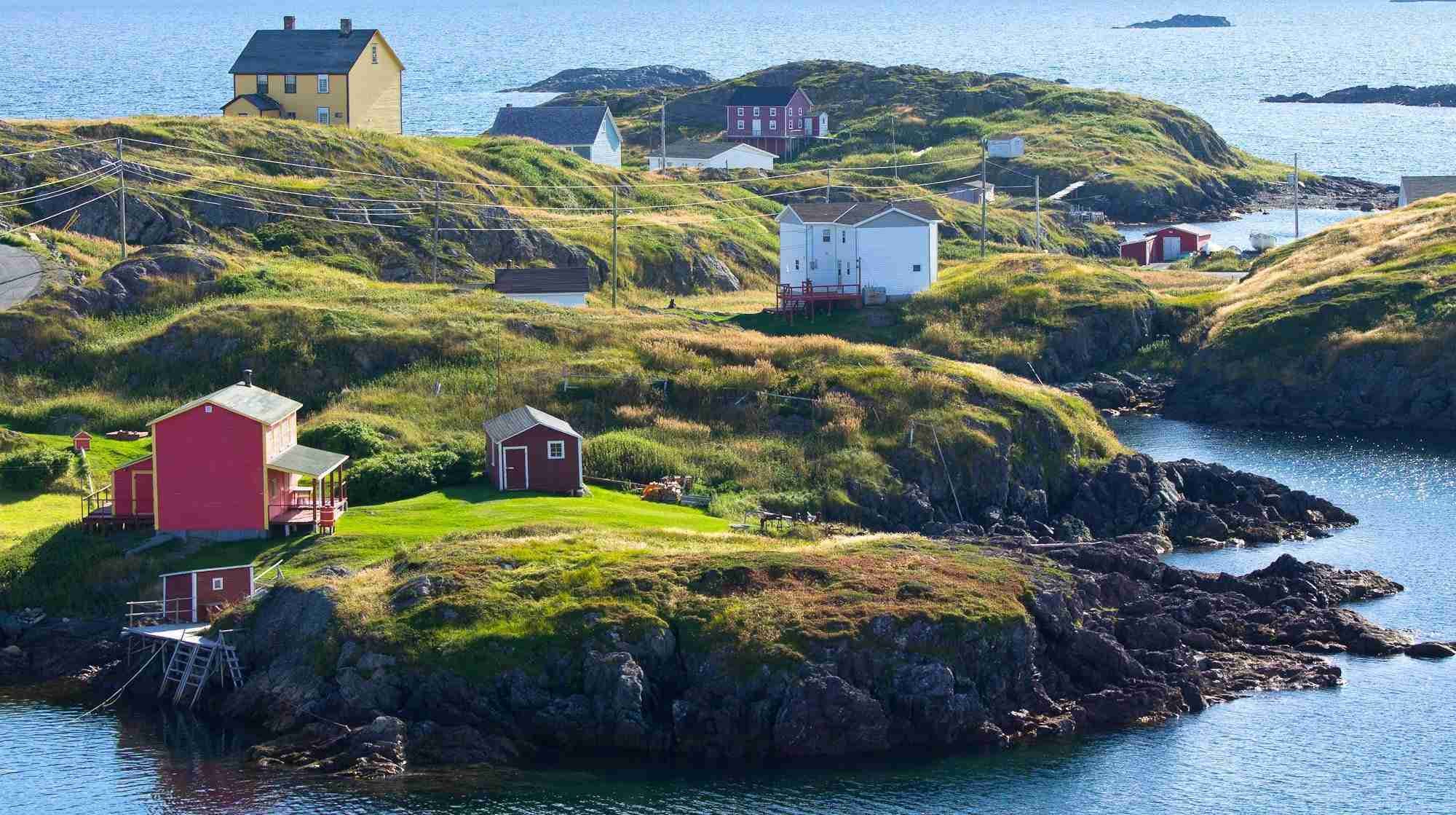
Change Islands is a charming and photogenic destination nestled off the northeast coast of Newfoundland, between Notre Dame Bay and the Labrador Sea. Known for its historic fishing stages, rolling green landscapes, and rugged granite outcroppings, this small island community offers an unparalleled opportunity for photographers to capture Newfoundland's traditional outport culture. Accessible only by ferry from Port Albert, Change Islands remains a quiet retreat untouched by modern development, making it ideal for those seeking to document authentic maritime life.
Best Photography Opportunities
Photography Tips
To capture the best of Change Islands, use a polarizing filter to cut glare from the water and enhance the colors of the vibrant buildings. A wide-angle lens is ideal for capturing the expansive landscapes and coastline, while a telephoto lens will help with wildlife photography, particularly seabirds and distant icebergs. Planning your shots during sunrise or sunset allows you to take advantage of the warm, soft lighting that enhances the textures of the wooden buildings and rock formations. Long exposures can create dreamy seascapes, and overcast days provide excellent lighting for capturing the rich details of historic structures without harsh shadows.
Best Time to Visit for Photography
Spring (May–June) offers the chance to capture icebergs along the coastline while the landscape begins to bloom. Summer (July–August) is ideal for warm temperatures, vibrant greenery, and bustling fishing communities that provide dynamic subject matter. Autumn (September–October) enhances the scenery with striking fall colors and softer, golden light, perfect for landscape photography. Winter (November–April) transforms the island into a stark yet stunning snowscape, creating a dramatic and moody atmosphere for photographers seeking a more rugged aesthetic.
Getting There & Accessibility
Change Islands is accessible by a ferry. The ferry ride itself is scenic, offering stunning ocean views. Once on the islands, exploring by foot is the best way to appreciate the small details that make Change Islands so special. While there are limited accommodations, visitors can find cozy bed-and-breakfasts and vacation rentals.
Nearby Photography Destinations
(Accessible by a second ferry): Fogo Island is known for its dramatic, windswept landscapes and the renowned Fogo Island Inn. The island is a blend of rugged coastline, traditional fishing villages, and contemporary architecture, making it an incredible destination for photographers seeking a variety of subjects.
(On the mainland): Often referred to as the "Iceberg Capital of the World," Twillingate offers breathtaking views of icebergs drifting along the coast in spring and early summer. The town's lighthouse at Long Point provides a spectacular vantage point for capturing sweeping ocean vistas and marine life.
• Durrell
(Near Twillingate): This small community just outside Twillingate is home to stunning coastal cliffs and picturesque fishing sheds. The Durrell Museum offers a unique historical perspective and houses a polar bear exhibit, adding an intriguing subject for documentary photography.
(Fogo Island): A striking geological feature, Brimstone Head is considered one of the four corners of the world by the Flat Earth Society. The hike to the top rewards photographers with panoramic views of the North Atlantic, perfect for dramatic landscape shots at sunrise or sunset.
• New World Island
(Between Change Islands and Twillingate): This lesser-known gem boasts quiet fishing communities, rolling hills, and hidden coves. Its unspoiled scenery offers an excellent opportunity to capture the authentic beauty of Newfoundland's rural coastal life.
Comments
Loading comments…