
Crow Head, Newfoundland: A Photographer's Guide
Crow Head is a rugged, rocky point jutting out into the powerful North Atlantic Ocean, offering breathtaking coastal scenery and dramatic seascapes. Located near Twillingate, Newfoundland, this windswept headland is a prime destination for landscape photographers seeking raw, untamed beauty. Towering cliffs, crashing waves, and the ever-changing sky provide endless opportunities to capture the dynamic energy of the Atlantic coastline. With its remote and wild character, Crow Head is an ideal location for those looking to photograph Newfoundland's striking geology, dramatic weather, and maritime heritage.
Best Photography Opportunities
Sunrise and Sunset Seascapes
– The open horizon over the Atlantic provides spectacular lighting conditions during golden hour. The rising or setting sun paints the sky with fiery hues, reflecting off the rugged rock formations and turbulent waves. Positioning the coastline in the foreground adds depth, while longer exposures can soften the movement of the ocean for a dreamy effect.
Long Exposure Photography
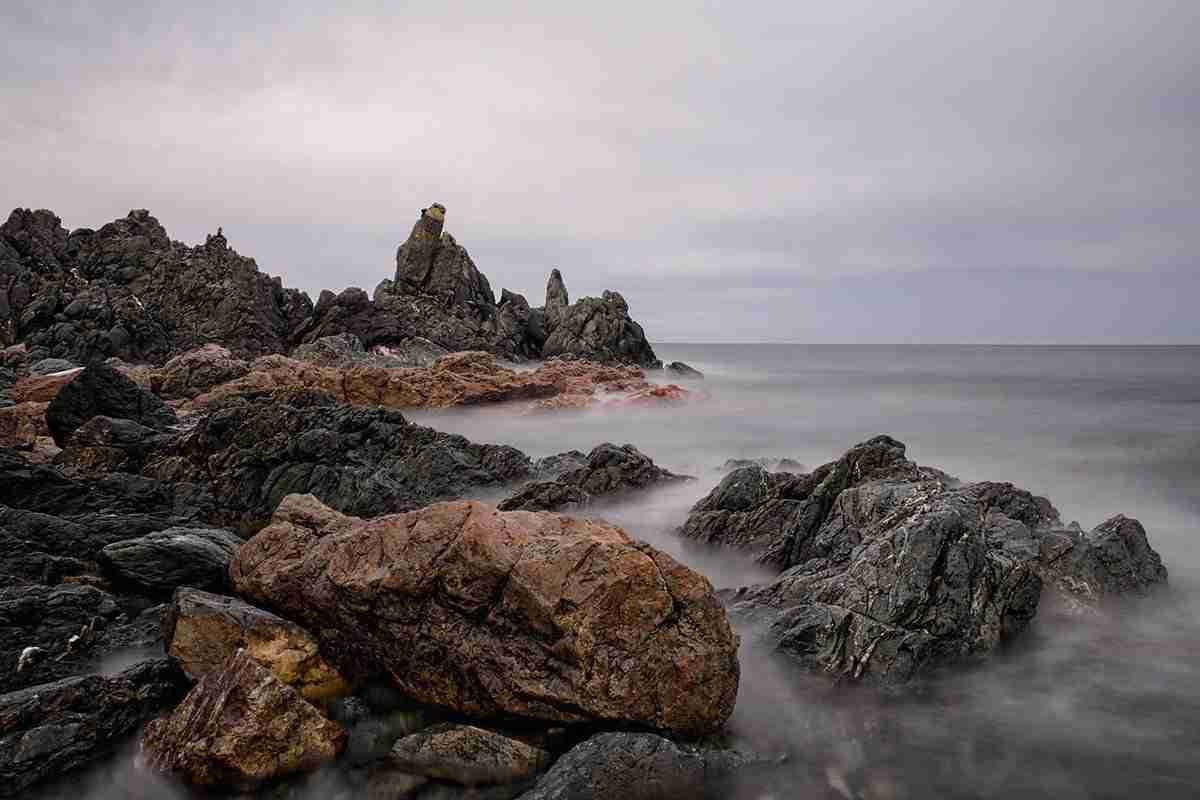
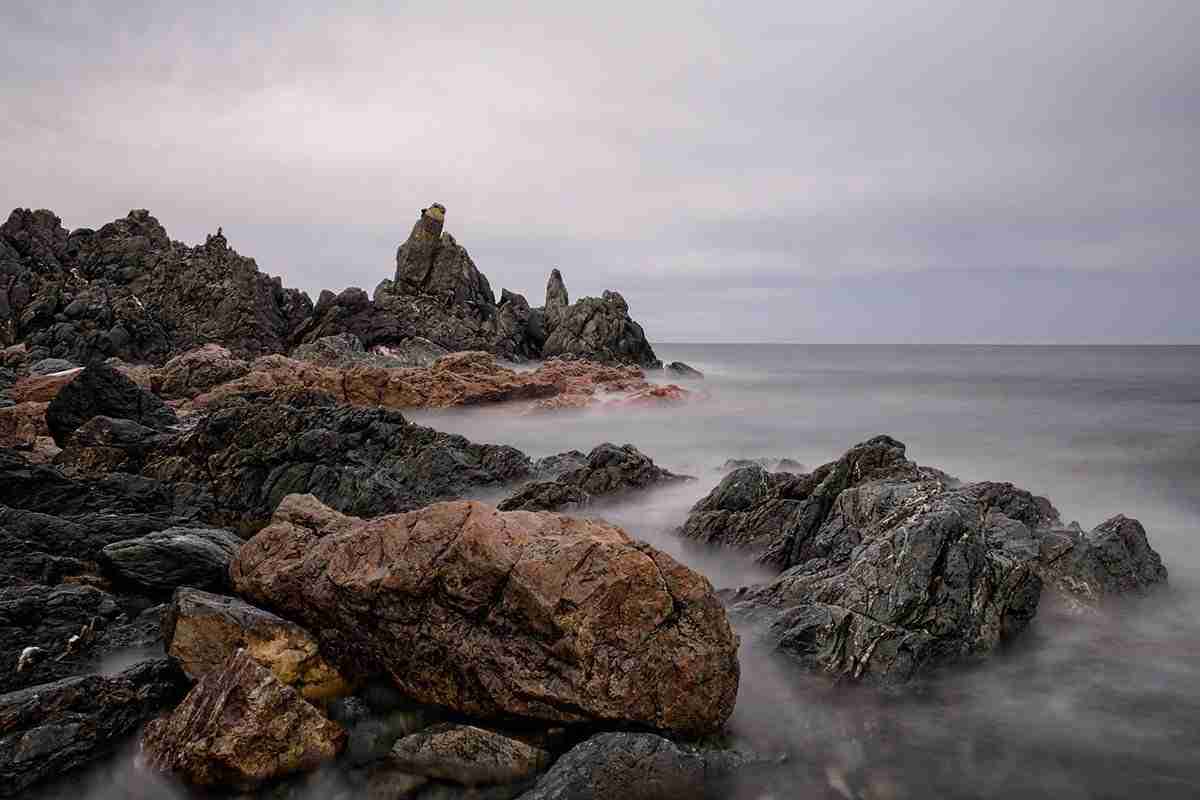
– The North Atlantic's powerful waves create incredible motion against Crow Head's jagged cliffs. Using a neutral density (ND) filter and long exposure techniques, you can capture the ocean's swirling patterns, turning crashing waves into a misty, ethereal scene. A shutter speed of 10 to 30 seconds is ideal for creating smooth, flowing water effects.
Stormy Weather Drama
– Newfoundland's unpredictable coastal weather often brings heavy cloud cover, fog, and rough seas, making Crow Head a fantastic location for moody, atmospheric shots. The dark, stormy sky over the white-capped waves creates a perfect setting for capturing the raw power of nature. Fast shutter speeds (1/1000s or faster) will freeze the action of crashing waves, while a polarizing filter can help enhance contrast in dramatic skies.
Iceberg and Whale Watching Photography
– During the late spring and early summer, massive icebergs drift down Iceberg Alley, creating surreal and otherworldly compositions against the rocky shore. A telephoto lens (200mm or longer) will allow for detailed iceberg shots. This is also an excellent time to capture humpback whales breaching in the distance, adding a dynamic wildlife element to your seascapes.
Night Photography and Astrophotography
– With minimal light pollution, Crow Head is a fantastic spot for capturing the Milky Way, particularly from late spring to early fall. The contrast between the dark cliffs and the brilliant stars overhead creates striking nightscapes. In winter, with the right conditions, you may even catch a glimpse of the Northern Lights shimmering over the Atlantic.
Best Time to Visit
The best time to visit Crow Head depends on the type of photography you're after. Summer (June to September) provides the warmest temperatures and the best chances for iceberg sightings and whale photography. Spring and fall offer dramatic weather conditions, with moody skies and intense waves that add drama to coastal scenes. Winter transforms the landscape into a frozen wonderland, though access can be challenging due to snow and ice. Sunrise and sunset provide the best lighting conditions, while clear, moonless nights are ideal for astrophotography.
How to Get There
Crow Head is located near the town of Twillingate, Newfoundland, approximately a 5-hour drive from St. John's. The scenic drive along the Kittiwake Coast is worth the journey, offering stunning coastal vistas along the way. Once in Twillingate, Crow Head is easily accessible by car, with parking areas near key viewpoints. Walking trails provide additional vantage points for photographing the dramatic cliffs and ocean beyond.
The Surrounding Area
Crow Head is part of a larger coastal region known for its rugged beauty and rich maritime history. Nearby, Twillingate is a charming fishing village offering colorful boats, historic homes, and classic Newfoundland architecture, perfect for capturing authentic maritime culture. The Long Point Lighthouse, just minutes from Crow Head, is another excellent photography location, offering panoramic views of Iceberg Alley and the surrounding coastline. The area also features hiking trails that wind through coastal cliffs and forests, providing a variety of compositions and perspectives for landscape photographers.
Nearby Photography Locations
(5 minutes away) – A striking lighthouse perched on the cliffs overlooking Iceberg Alley, offering panoramic seascapes and dramatic views of passing icebergs.
(10 minutes away) – A picturesque fishing village with colorful boats, rustic wharves, and charming Newfoundland character, great for capturing maritime culture.
(15 minutes away) – A rugged coastal hiking area with dramatic rock formations, sea caves, and wild ocean vistas, perfect for wide-angle landscapes.
(10 minutes away) – A high vantage point offering sweeping views over Twillingate, Crow Head, and the Atlantic Ocean, ideal for aerial and drone photography.
(20 minutes away) – A secluded cove featuring turquoise waters, towering cliffs, and opportunities for wildlife photography, including seabirds and seals.
Crow Head is a destination that offers photographers an unparalleled opportunity to capture the raw power and beauty of Newfoundland's Atlantic coastline. Whether you're drawn to stormy seas, golden hour light, or the towering presence of icebergs, this rugged landscape provides limitless inspiration. The constantly changing conditions ensure that every visit presents a new and unique photographic experience, making Crow Head a must-visit location for any photographer exploring Newfoundland's coastal wonders.
Comments
Loading comments…