
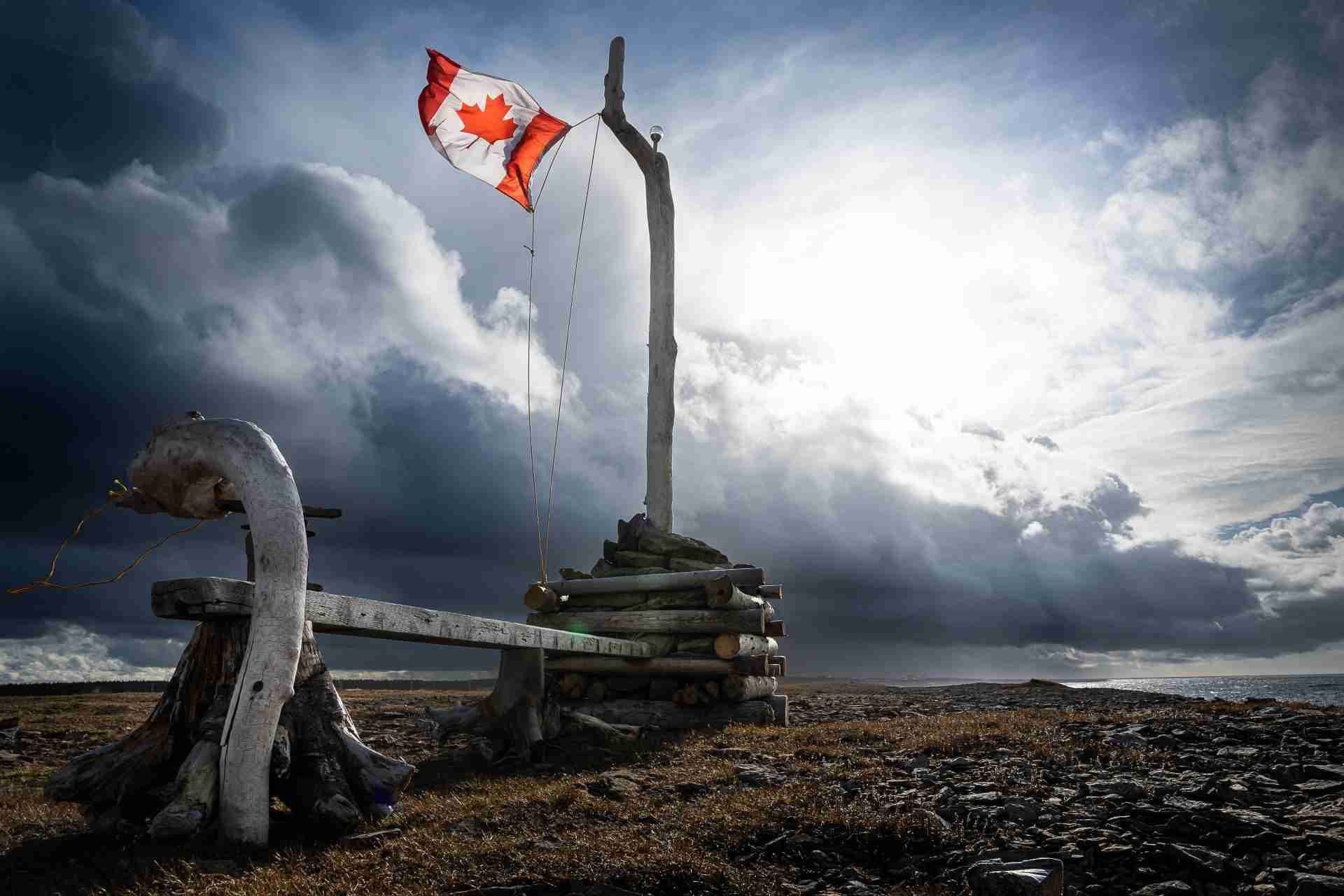
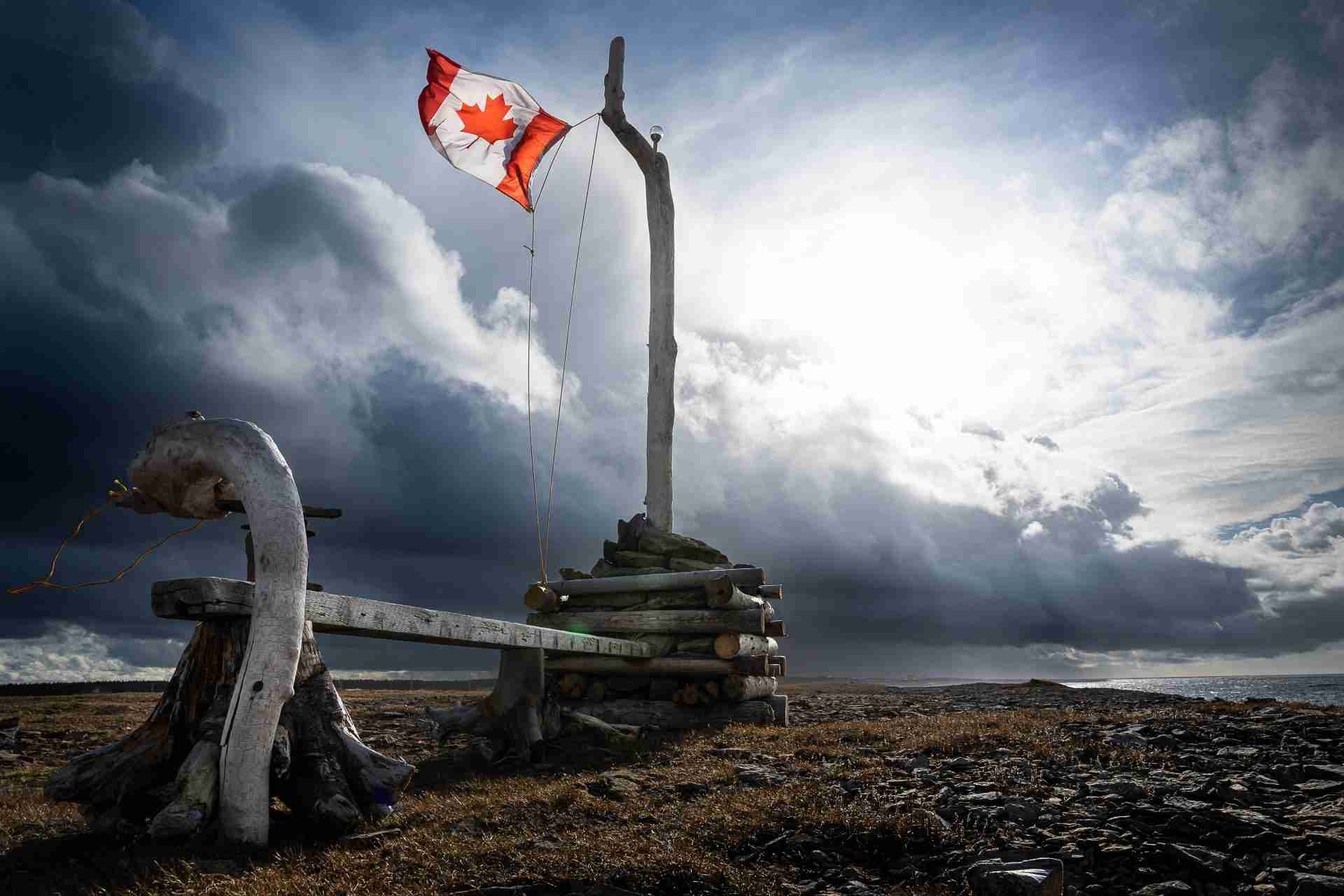
Tucked away along Newfoundland and Labrador's rugged coastline, Deadman's Cove is a secluded and breathtaking destination known for its dramatic cliffs, pristine sandy beach, and ever-changing ocean vistas. This hidden gem, located near the town of St. Anthony on the Great Northern Peninsula, offers photographers a stunning mix of natural elements—from jagged rock formations to turquoise waters and rolling waves. Unlike many of Newfoundland's well-known coastal sites, Deadman's Cove remains relatively undiscovered, making it an ideal location for capturing the raw, untouched beauty of Canada's easternmost province.
Best Photography Opportunities
• Coastal Landscapes and Dramatic Cliffs
– The towering cliffs surrounding Deadman's Cove create a striking contrast against the soft sands of the beach. Wide-angle compositions that include both the rocky headlands and the ocean horizon highlight the cove's rugged charm. Changing tides and shifting weather conditions ensure that no two shots are ever the same.
• Sunrise and Sunset Seascapes
– As the sun rises or sets over the Atlantic, the colors of the sky reflect beautifully on the water and the surrounding rock faces. Long-exposure photography during these times enhances the movement of waves, creating a dreamy, mist-like effect against the shoreline.
• Icebergs and Whale Watching
– Depending on the season, massive icebergs drifting down Iceberg Alley can be seen from Deadman's Cove, adding a dramatic focal point to ocean shots. In summer, humpback whales and other marine life are often spotted just offshore, providing an incredible opportunity for wildlife photography.
• Beach and Water Reflections
– The stillness of the cove on calm days creates near-perfect reflections of the cliffs and sky on the wet sand, offering beautiful symmetry in compositions.
• Stormy and Foggy Conditions
– Newfoundland's coastal weather is unpredictable, but fog rolling over the cliffs or storm waves crashing against the rocks can create some of the most atmospheric and powerful images. Dramatic skies and moody light add to the mystique of this remote location.
Best Time to Visit
The best time to visit Deadman's Cove depends on what you want to capture. Summer (June to September) offers mild temperatures, lush greenery, and abundant wildlife, including puffins, whales, and icebergs. Spring (April to June) is the prime iceberg season, when massive chunks of ancient ice float past the coastline. Fall (September to November) provides golden foliage and fewer tourists, while winter transforms the landscape into a snow-covered wonderland, though access may be more challenging.
For ideal lighting conditions, early mornings and late afternoons are best, as the soft golden light enhances the textures of the cliffs and sand. Midday can be harsh, but overcast days help create more even tones for landscape photography. Stormy weather adds drama, but safety should always be a priority when photographing near the ocean.
How to Get There
Deadman's Cove is located near St. Anthony on Newfoundland's Great Northern Peninsula. From St. John's, the drive takes approximately 10–12 hours via the Trans-Canada Highway (Route 1) and then Route 430, also known as the Viking Trail. The final approach involves smaller coastal roads leading toward the cove. While exact access details may require local guidance, nearby walking trails offer scenic routes to the coastline.
St. Anthony Airport, located about 50 km from the cove, provides regional flights for those looking to shorten the travel time. However, driving allows visitors to experience Newfoundland's breathtaking northern landscapes along the way.
Exploring Deadman's Cove and the Surrounding Area
Beyond the cove itself, the surrounding area is rich in photographic opportunities. St. Anthony, a historic fishing town, offers picturesque harbors, traditional boats, and rugged coastal scenery. Just a short drive away, L'Anse aux Meadows National Historic Site, a UNESCO World Heritage site, presents a fascinating glimpse into the Viking history of North America with reconstructed sod houses and breathtaking ocean views.
Nearby hiking trails, such as the Dare Devil Trail, provide sweeping views of the coastline and the chance to capture expansive panoramas of the Atlantic. Iceberg hunters and whale watchers will find plenty of scenic viewpoints along the shoreline, where dramatic cliffs provide excellent vantage points for spotting marine life.
Nearby Photography Locations
– This UNESCO-listed Viking settlement offers striking landscape compositions, historic structures, and sweeping ocean views. The mix of history and nature provides compelling storytelling opportunities.
– Home to the famous Fox Point Lighthouse, this area offers dramatic cliffs, iceberg viewpoints, and excellent whale-watching opportunities, making it perfect for landscape and wildlife photography.
– Throughout the Great Northern Peninsula, various coastal lookout points provide some of the best iceberg photography opportunities in Newfoundland, particularly during the spring and early summer months.
– Located a short distance from Deadman's Cove, this rugged and remote reserve is home to unique Arctic plant life and dramatic limestone cliffs. The stark, windswept landscape makes for striking minimalist compositions.
– The northernmost lighthouse in Newfoundland, Cape Norman offers dramatic ocean views, rocky shorelines, and a sense of isolation that adds to the mystique of this remote part of the island.
Deadman's Cove is a must-visit location for photographers looking to capture Newfoundland's wild, untamed beauty. Whether shooting the interplay of cliffs and ocean, the delicate details of an iceberg drifting by, or the vibrant hues of a sunset over the Atlantic, this hidden coastal treasure promises unforgettable images and a deep connection to the natural world.
Comments
Loading comments…