
Gros Morne Mountain Trail: A Breathtaking Hike for Photographers
The Gros Morne Mountain Trail, located within Gros Morne National Park in Newfoundland, is one of the most spectacular hikes in Canada. This challenging trail leads adventurers to the summit of Gros Morne Mountain, the park's highest peak at 806 meters (2,644 feet). The trail offers a stunning variety of landscapes, from dense boreal forests and alpine tundra to sweeping panoramic views of fjords and coastal lowlands. For photographers, this hike presents endless opportunities to capture Newfoundland's rugged beauty, making it a must-visit destination for landscape and nature photography.
Best Photography Opportunities
Photography Tips
A wide-angle lens is ideal for capturing the vast landscapes and sweeping mountain vistas, while a telephoto lens helps document distant wildlife and geological details. A tripod is useful for sunrise and sunset shots, as well as long exposures of cloud movement over the mountain. Harsh midday light can create strong contrasts, so early morning or late afternoon hikes provide better lighting conditions. The unpredictable mountain weather means photographers should bring protective gear for both their camera and themselves. Layered clothing is essential, as temperatures can drop significantly at higher elevations.
Best Time to Visit for Photography
Summer (July–August) offers the best hiking conditions, with clear trails, warmer temperatures, and lush green vegetation. Spring (May–June) brings wildflowers and rushing waterfalls from melting snow, though some sections of the trail may still be wet or muddy. Autumn (September–October) transforms the landscape with vibrant fall colors, providing a striking contrast against the rugged mountain scenery. Winter hiking is not advised due to extreme weather conditions, but early snowfall in late autumn can create stunning seasonal contrasts for those willing to brave the cold.
Getting There & Accessibility
The Gros Morne Mountain Trailhead is located near the town of Rocky Harbour, accessible by car via Route 430. The full hike is a strenuous 16-kilometer (10-mile) loop, requiring 6–8 hours to complete. The first section of the trail is relatively moderate, leading through dense forests, but the second half involves a steep and rocky ascent to the summit. Proper hiking boots and ample water are essential for a safe and enjoyable trek. While the trail is well-marked, weather conditions can change rapidly, so checking forecasts before starting is highly recommended.
Nearby Photography Destinations
: One of the most iconic locations in Gros Morne, this glacial-carved fjord features towering cliffs, pristine waters, and breathtaking reflections. A boat tour offers unparalleled perspectives for dramatic landscape shots.
: A geological marvel with barren, orange-hued rock formations that resemble a Martian landscape. The unique contrast between the arid terrain and surrounding greenery makes for stunning compositions.
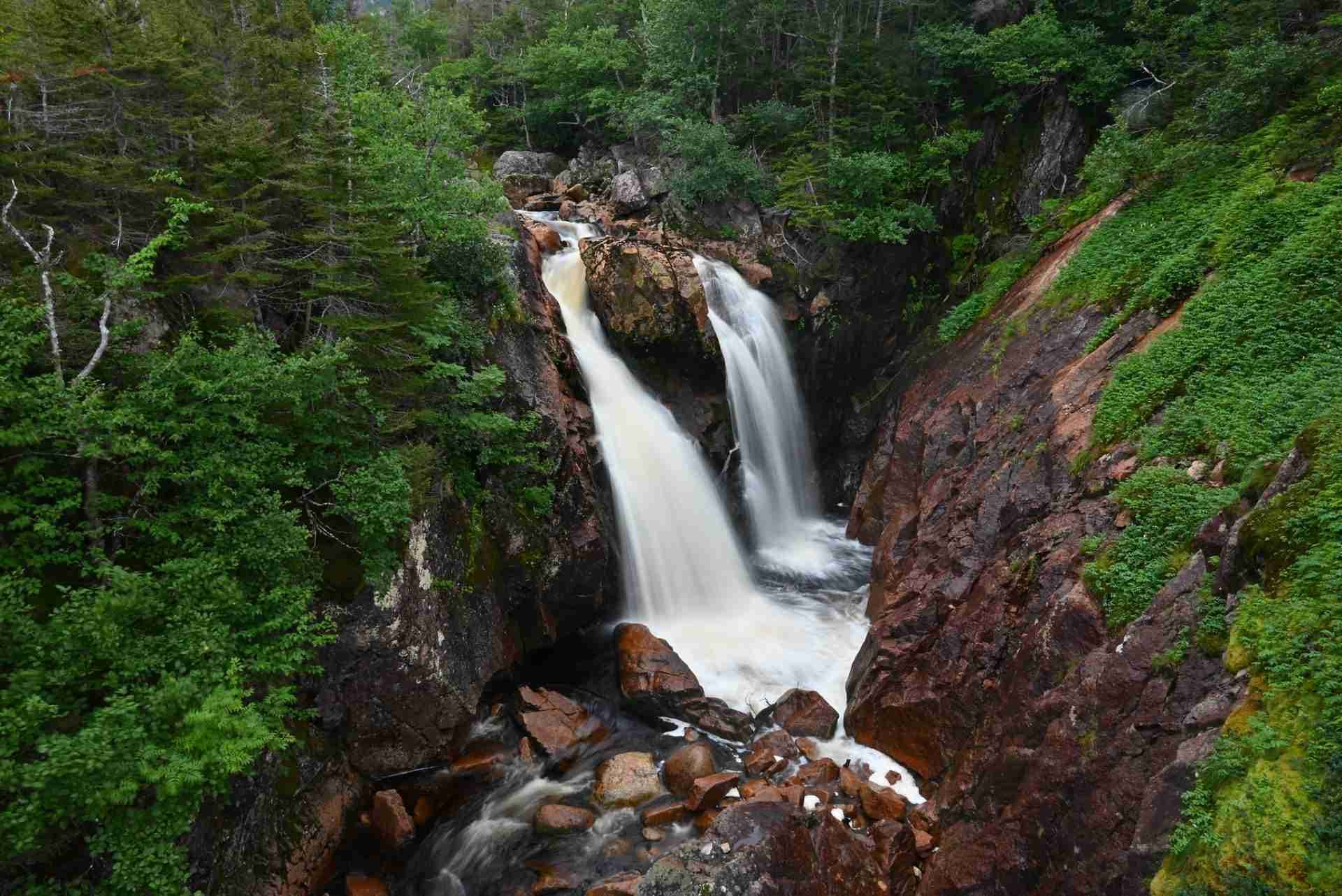
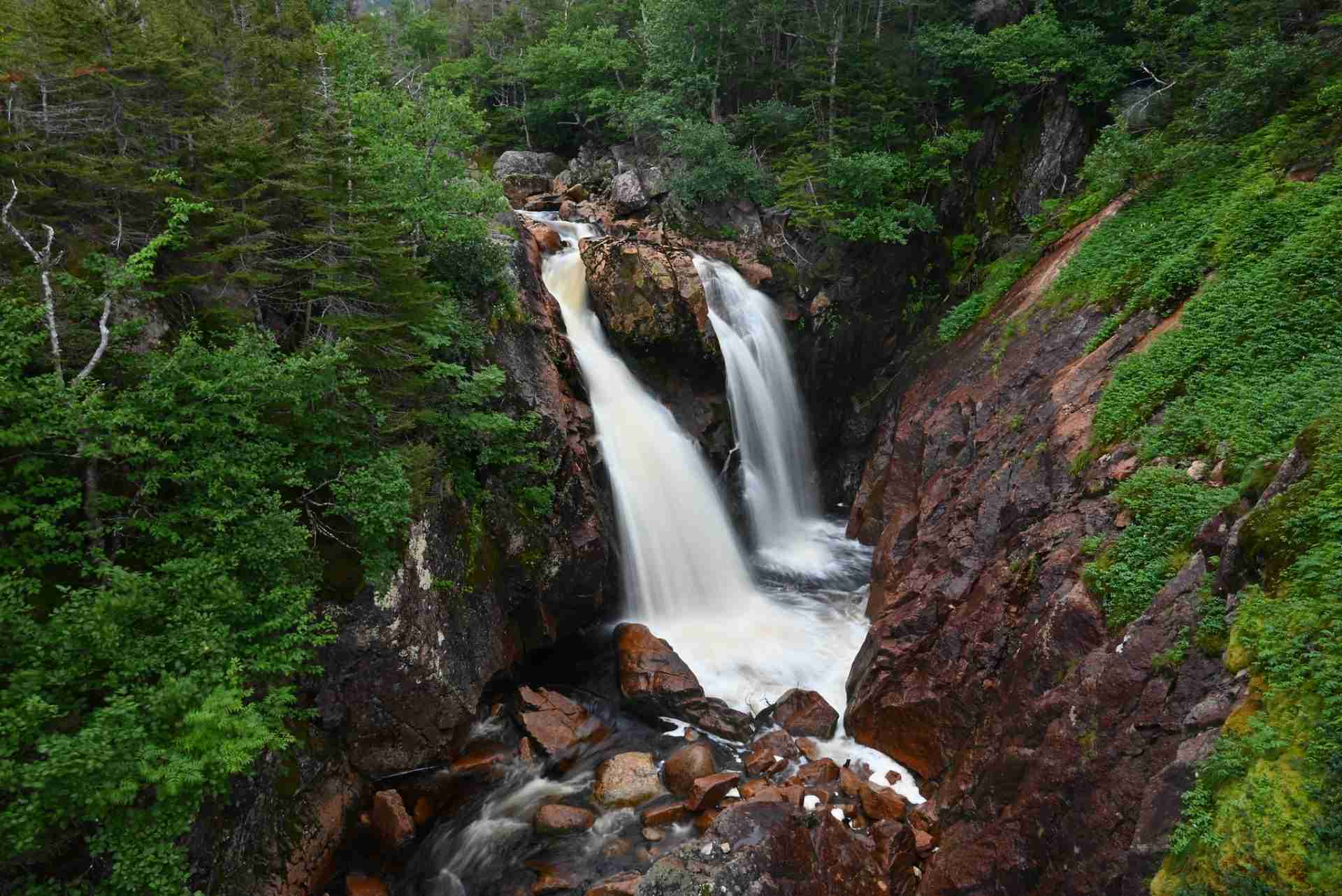
: A scenic multi-tiered waterfall set in a dense forest, perfect for long-exposure photography. The well-maintained trail leading to the falls offers additional nature photography opportunities.
: Overlooking the Gulf of St. Lawrence, this picturesque lighthouse provides excellent opportunities for coastal and sunset photography. The rocky shoreline adds strong foreground interest to compositions.
: A quieter fjord with still waters that create incredible mirror-like reflections. Surrounded by dramatic cliffs, this location is ideal for capturing Newfoundland's untouched wilderness.
Comments
Loading comments…