
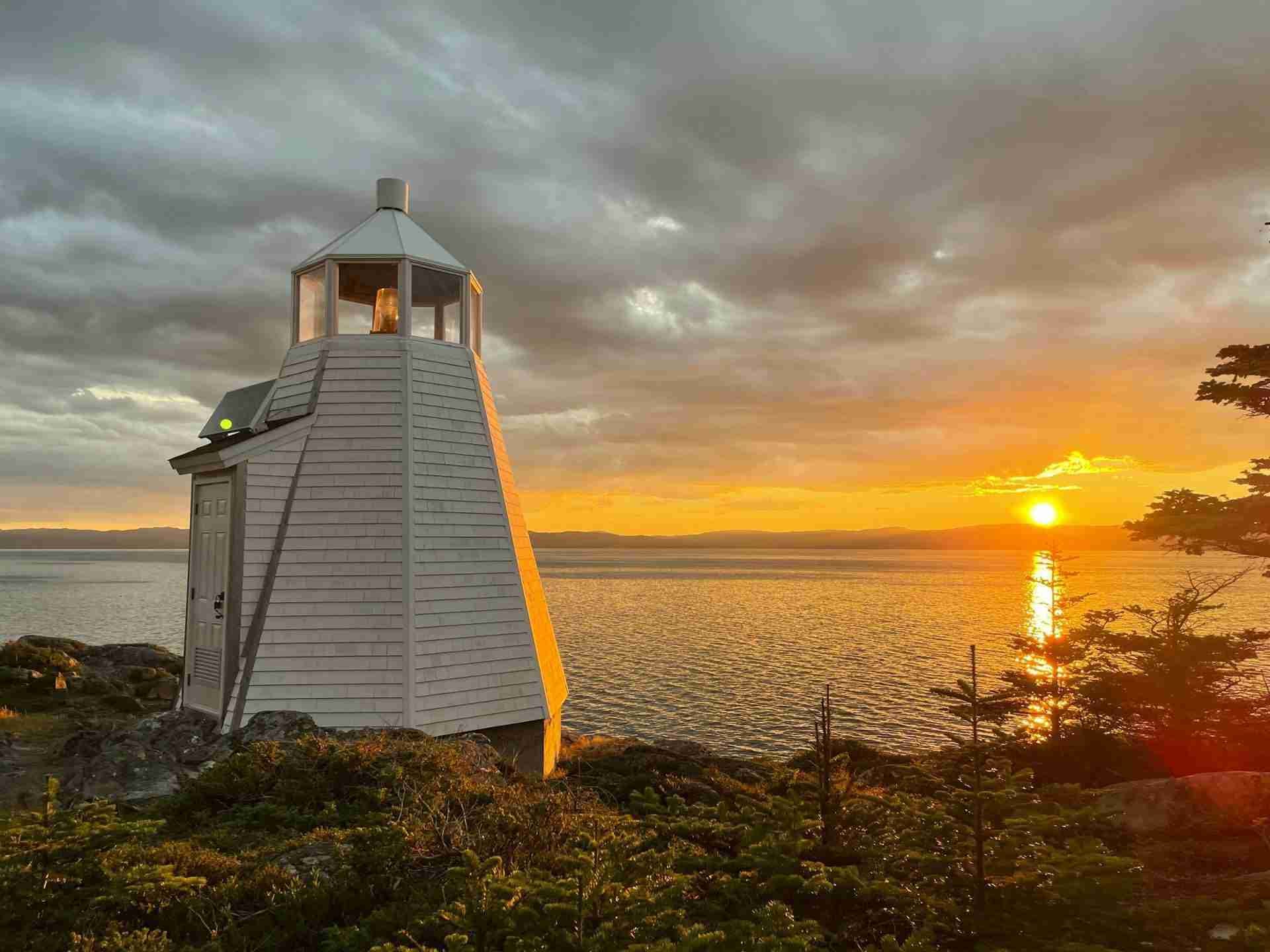
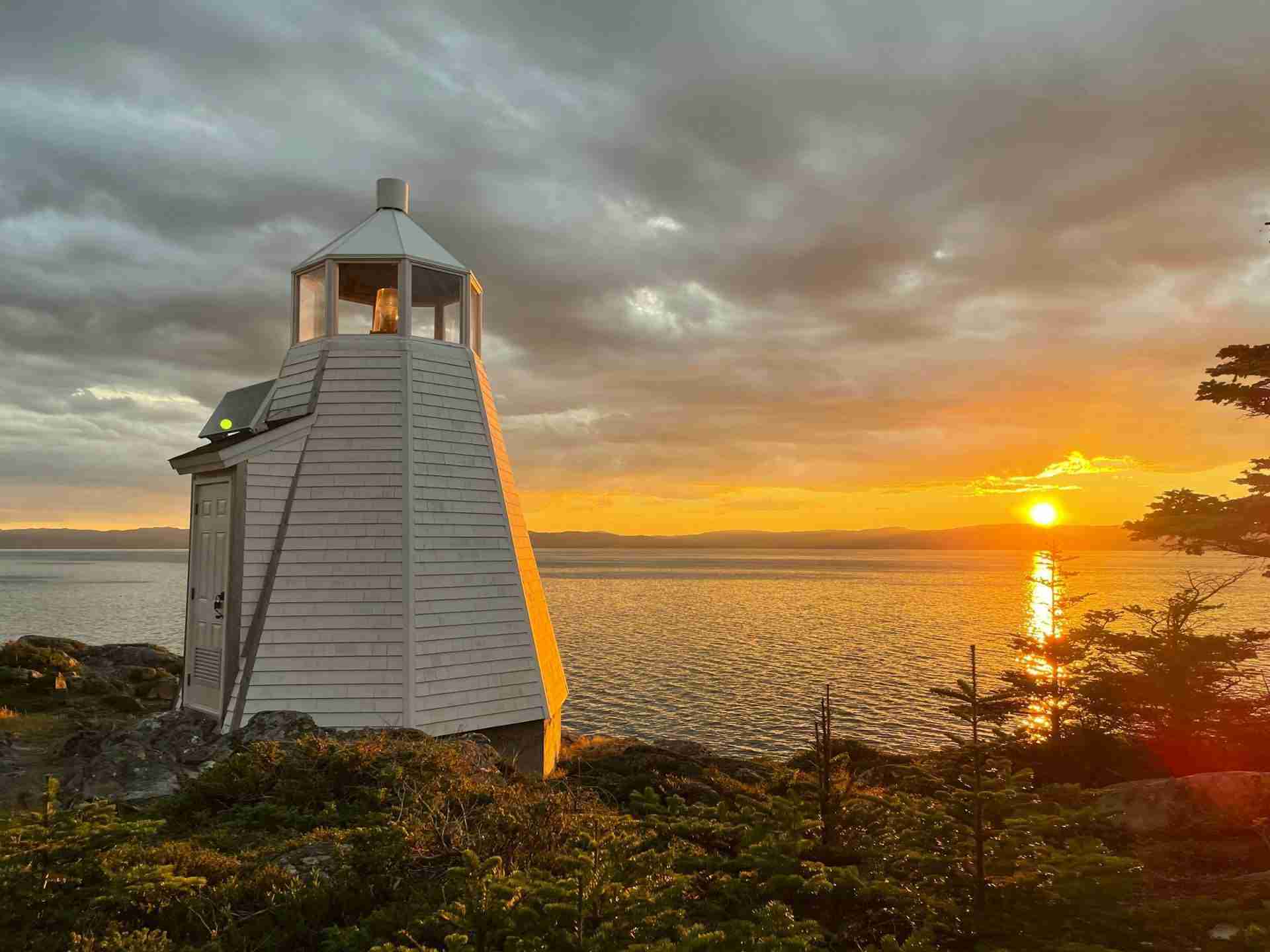
Westport Cove Lighthouse is a small working lighthouse set right above the shoreline in northern Newfoundland. The tower sits close to the water, with rocky ground around it and open views across White Bay. There is very little development nearby, which keeps the area visually simple and easy to work with. The shoreline is uneven but accessible, allowing photographers to shoot from multiple angles without long walks or technical terrain. Light changes quickly here due to moving cloud and open exposure to weather, which means the scene rarely looks the same for long. This is a location where careful framing and timing matter more than dramatic features. If you enjoy working slowly and adjusting to conditions as they change, this lighthouse offers consistent opportunities.
Best Photography Opportunities
• Lighthouse and shoreline compositions
The most effective images here place the lighthouse firmly within its surroundings rather than isolating it against empty sky. Rocks near the water provide natural foreground that helps create depth and lead the eye toward the structure. As the tide shifts, those same rocks either become dominant shapes or soften into simpler forms, giving you different looks from one spot. Shooting from low angles emphasizes texture, while slightly higher positions help clean up busy foregrounds. Reworking the same composition over time often produces better results than constantly moving.
• Weather driven seascapes
Westport Cove reacts quickly to changes in weather, which makes it a good place to photograph moving water and changing skies. Wind adds texture to the surface of the bay without usually becoming unmanageable. Clouds often move in layers, which gives the sky shape and keeps it from feeling flat. After rain, rocks darken and colors deepen, making it easier to hold detail without strong contrast. Staying on location as conditions shift usually leads to stronger images than waiting for ideal weather.
• Trail viewpoints
A short walking trail near the lighthouse provides slightly higher viewpoints above the shoreline. These angles make it easier to separate the lighthouse from the horizon, especially when the water is darker than the sky. A longer focal length works well here to simplify background elements and tighten compositions. Small changes in position can remove overlaps and improve balance in the frame. These viewpoints are useful when the immediate shoreline feels cluttered or uneven.
• Long exposure
The rock edges around the cove create clear paths for moving water, which works well for long exposure photography. When the sea is active but not rough, you can smooth motion while keeping structure in the image. Overcast light helps control highlights on wet rock and prevents harsh contrast. Timing shots between wave sets makes a noticeable difference in how clean the water movement looks. A stable tripod setup is important because wind is common even on calm days.
• Rock textures and tide lines
Instead of stepping back for wide views, spend time close to the shoreline looking at how the water interacts with the rocks. As the tide rises or falls, thin lines of wet stone form clear patterns that show direction and movement. Look for areas where water flows around a single rock or cluster, creating repeatable shapes. These scenes work best when the light is soft, since harsh sun flattens texture and creates glare. Use a slightly longer lens to frame small sections of shoreline without pulling in clutter.
Best Time to Visit
Late spring through early fall is the most reliable time for photography at Westport Cove. Summer offers long daylight hours, which makes it easier to shoot early mornings and evenings without rushing. Morning light is often softer and more directional, while evenings can produce warmer tones when cloud cover breaks. Overcast days are very workable here, as the lighthouse and rocks hold detail well without strong contrast. These conditions are also helpful for long exposure work without heavy filters.
Fall brings stronger winds and faster moving weather systems. This adds energy to the water and sky but requires flexibility, since conditions can change quickly. Winter can produce simple scenes with snow and ice, but access and safety become more important. Cold temperatures, wind, and slippery rock mean winter shooting should only be attempted by photographers comfortable working in those conditions.
How to Get There
Westport is located on the Baie Verte Peninsula and is reached by turning off the Trans Canada Highway onto regional roads. Once in the community, the lighthouse is accessed by local roads and a short walking trail. Parking is informal and usually available near trail access points or within town. There are no regular access fees to photograph the lighthouse or shoreline. Be mindful of private property and fishing activity near the water. Weather can affect road and trail conditions, especially outside the summer season.
Recommended Photography Gear
A sturdy tripod is important because wind is common and long exposures are useful here. A tripod that allows low positioning helps when working with rock foregrounds near the water. A wide to standard zoom lens will cover most compositions, while a short telephoto is useful for tighter framing and details. Neutral density filters help control shutter speed when the sea is moving. A polarizing filter can reduce glare on wet rock and water when light allows.
Weather protection should be treated as essential gear. A rain cover, lens cloths, and waterproof footwear make longer sessions easier. Extra batteries are helpful in cooler conditions since cold drains them faster. A headlamp is useful for early morning or late evening shooting, especially when cloud cover reduces light. A weather resistant camera bag helps protect equipment if conditions change quickly.
Nearby Photography Locations
Baie Verte offers a working harbor with docks, boats, and shoreline views. It provides a clear contrast to the quieter setting at Westport Cove. Calm conditions can produce reflections, while cloudy days bring out shape and texture.
• La Scie
La Scie sits along White Bay and offers wide views across open water. The shoreline faces a different direction, which can help when light is not working at Westport Cove. It is useful for broader water and sky scenes.
• Pacquet
Pacquet has a sheltered harbor that often stays calmer than exposed coastline. This makes it a good option when wind makes tripod work difficult elsewhere. Boats and shoreline structures provide clear, simple subjects.
• Fleur de Lys
Fleur de Lys offers higher ground and open coastal viewpoints. The added elevation allows for layered scenes with more distance. It works well as a complementary stop when photographing the area.
• Tilt Cove
Tilt Cove combines coastal scenery with traces of past settlement. Road access makes it easy to explore different shoreline angles. It adds variety and context to a photography trip in the region.
Westport Cove Lighthouse is not about chasing dramatic moments. It works best when you give it time, pay attention to light and water, and make small adjustments as conditions change. Photographers who approach it with patience usually leave with a solid, usable set of images rather than just one lucky frame.
Comments
Loading comments…