
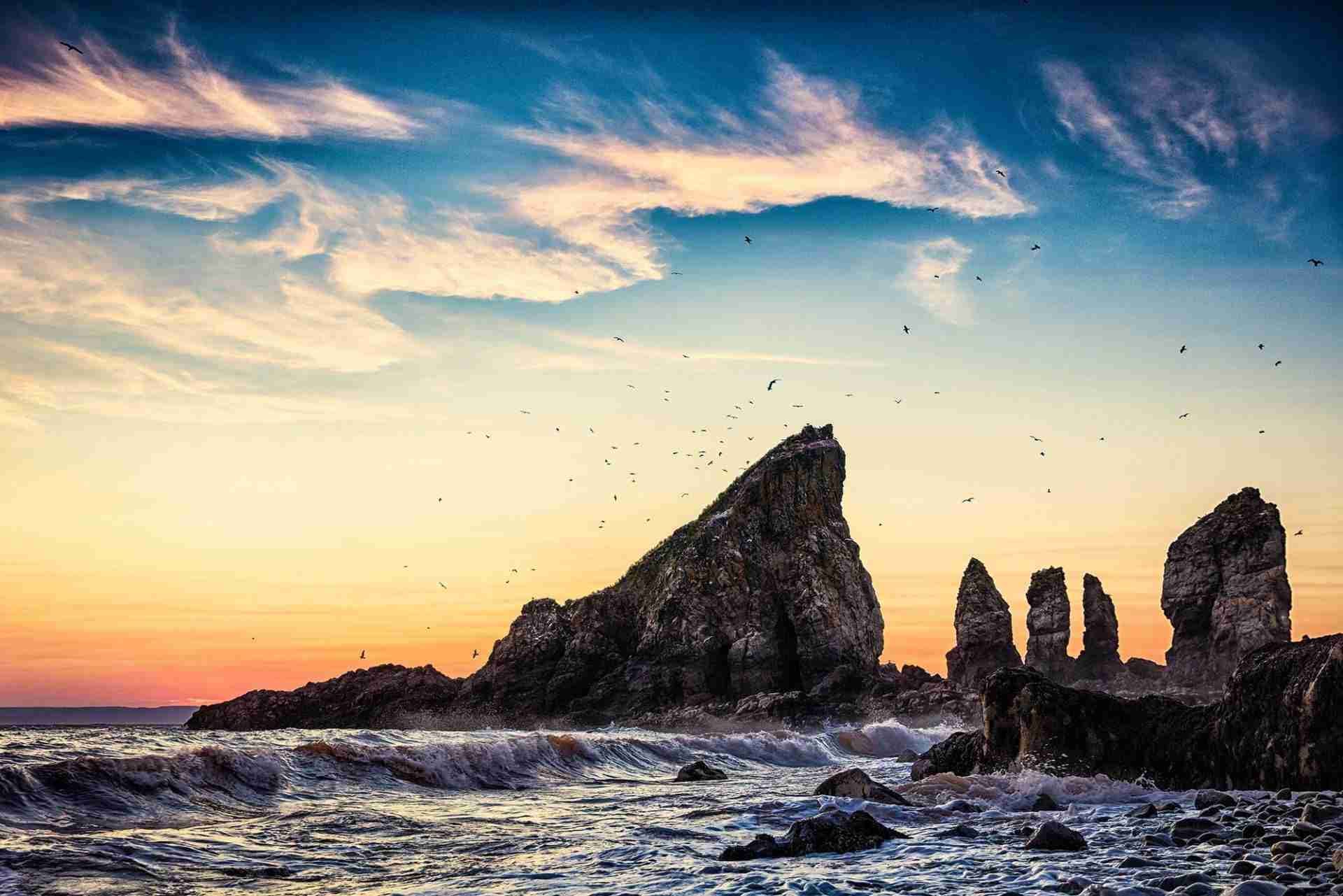
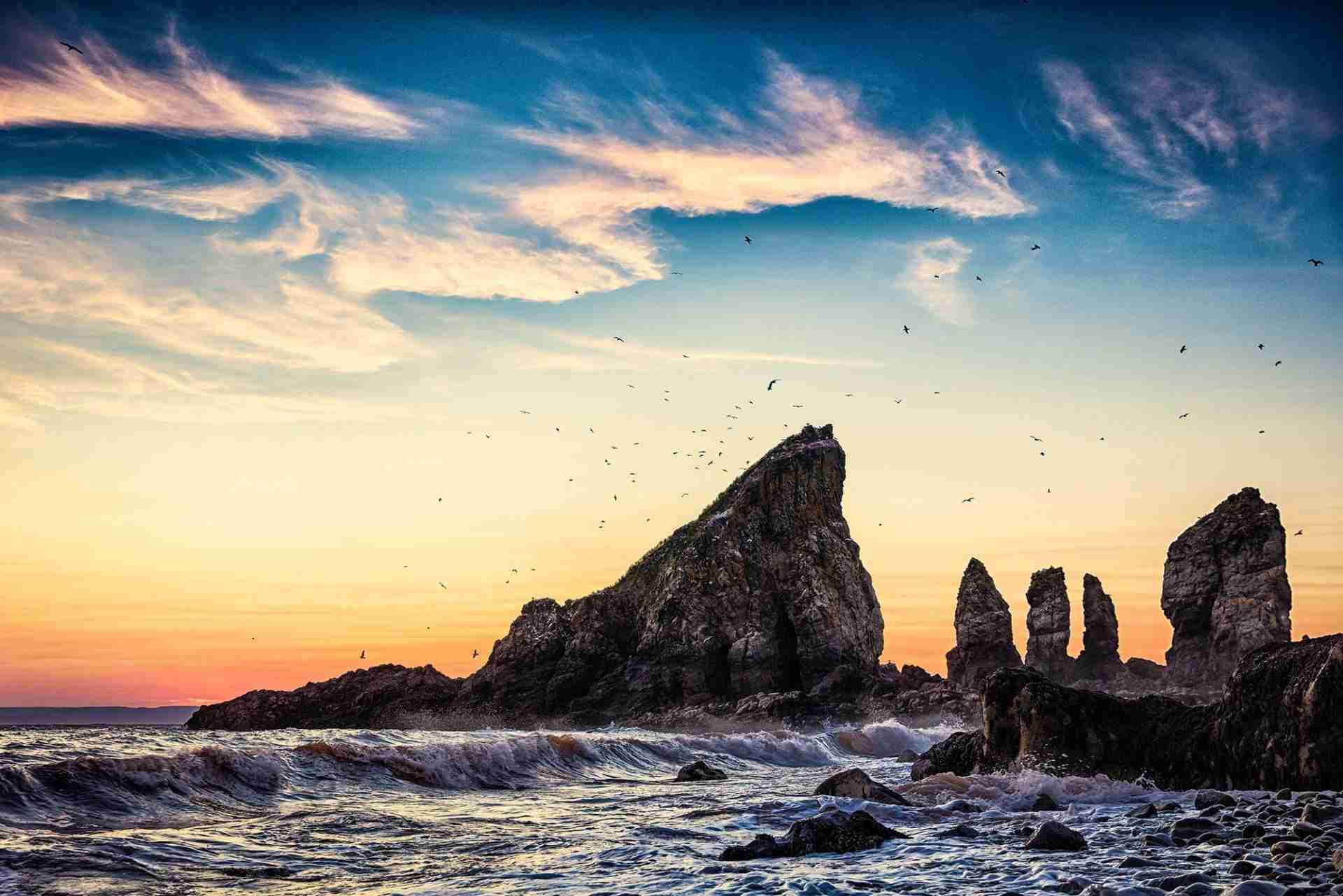
Cape Split is one of Nova Scotia's most breathtaking natural landmarks, known for its dramatic cliffs, towering sea stacks, and incredible views of the Bay of Fundy. A 6 km hike through lush coastal forest leads to the top of the cliffs, where photographers can capture stunning geological formations shaped by some of the world's most powerful tides. Despite its beauty, Cape Split remains relatively unknown to tourists, making it a peaceful retreat for photographers looking to document the raw power of nature.
For those seeking a more adventurous perspective, the Little Split Cove trail offers an opportunity to descend to a secluded, rock-strewn beach. From here, you can capture the iconic cliffs from below—one of the best vantage points for truly appreciating Cape Split's rugged grandeur. However, this route is not for the faint of heart, requiring a steep rope-assisted descent and careful tide planning. Whether shooting from the clifftop or the shoreline, Cape Split provides a once-in-a-lifetime photography experience.
Best Photography Opportunities
• Clifftop Views of Cape Split
– From the end of the main hiking trail, you'll find a panoramic view of the jagged rock formations rising from the Bay of Fundy. Wide-angle shots work well here to capture the full scale of the cliffs, but a telephoto lens can help highlight the textures and erosion patterns in the rock.
• Little Split Cove Beach Perspective
– Descending to this rocky beach offers an incredible, low-angle view of the towering cliffs above. The contrast between the dark rocks, churning tides, and massive sea stacks makes for powerful and dramatic compositions. Keep an eye on the tides, it's very easy to get caught up shooting and not notice how quickly the tide is coming in.
• Bay of Fundy Tidal Action
– The world's highest tides create ever-changing coastal scenery, with exposed seaweed-covered rocks at low tide and swirling water rushing between the formations as the tide comes in. Long-exposure photography can create silky water effects, adding an ethereal quality to the scene.
• Dramatic Skies and Changing Light
– Cape Split's coastal location often brings moody, fast-moving clouds that add drama to landscape shots. Golden hour offers the best lighting, casting a warm glow over the cliffs, while stormy weather provides deep contrast between the sky and the sea.
• Seabirds and Wildlife
– The cliffs are home to nesting seabirds, including cormorants and gulls, which can add dynamic elements to your composition. Seals are sometimes spotted in the waters below, making a telephoto lens useful for wildlife photography.
Best Time to Visit
Sunrise and sunset provide the best lighting conditions for Cape Split, with warm tones highlighting the cliffs and creating long, dramatic shadows. The hike is best done in spring or autumn when temperatures are cooler, and the trail is less crowded.
For those venturing to the beach at Little Split Cove, careful tide planning is essential. The Bay of Fundy's tides are the fastest in the world, and the beach can become inaccessible quickly. Always check tide schedules before descending and allow at least 15–20 minutes to return to the trailhead.
How to Get There
Cape Split is located in Scots Bay, Nova Scotia, about 1.5 hours from Halifax. The main trailhead is accessible by car, with parking available near the entrance. The hike to the cliffs is approximately 6 km one way (12 km round trip) on a well-maintained forest trail.
For those seeking the beach viewpoint, the Little Split Cove trailhead can be found at 45.330117, -64.486450. This unofficial and rugged route requires scrambling down a steep bluff using a rope for assistance. Extreme caution is needed, and it is strongly recommended to bring a companion to help monitor the tides.
There is no entrance fee to access Cape Split, but visitors should be well-prepared with sturdy footwear, weather-appropriate clothing, and plenty of water for the hike.
Exploring Cape Split and the Surrounding Area
Beyond the iconic cliffs, the Scots Bay area offers additional scenic locations for photography. The drive to Cape Split winds through rolling farmland and coastal vistas, providing opportunities to capture Nova Scotia's rural charm. The rocky shoreline near the trailhead also offers interesting tide pools and wave-sculpted formations worth exploring.
Nearby, the Lookoff at Blomidon Provincial Park provides panoramic views of the Annapolis Valley and the Bay of Fundy, making it a great stop for landscape photographers. For those wanting to document more of the region's geological history, the Joggins Fossil Cliffs—a UNESCO World Heritage Site—showcase some of the world's best-preserved prehistoric fossils.
Nearby Photography Locations
– Just a short drive from Cape Split, this park offers expansive cliffside views over the Bay of Fundy. The combination of rolling hills, dramatic headlands, and the ever-changing tides makes for stunning landscape photography.
– A small fishing village famous for its extreme tide fluctuations, Hall's Harbour is an excellent place to capture colorful boats resting on the seabed at low tide or floating high in the water at high tide. The contrast between the two makes for compelling before-and-after compositions.
– This location is ideal for capturing wide, reflective tidal flats during low tide, creating mirror-like compositions that blend sea and sky. It's also a prime spot for bird photography, particularly during migration seasons.
– A UNESCO-listed site featuring exposed layers of rock containing 300-million-year-old fossils. The contrast between the ancient rock formations and the Bay of Fundy tides creates unique geological photography opportunities.
– A remote coastal area with a historic lighthouse, rugged beaches, and beautiful ocean views. The beach is scattered with driftwood and sea-worn rocks, offering excellent foreground elements for seascape photography.
Cape Split is one of Nova Scotia's most rewarding photography destinations, combining striking coastal geology with the raw power of the Bay of Fundy tides. Whether capturing the epic cliffside views from above, the dramatic seascapes from below, or the fascinating interplay of water and rock, this location provides endless creative inspiration for landscape photographers.
Comments
Loading comments…