
Citadel Hill Clock Tower: Halifax's Timeless Landmark Through the Lens
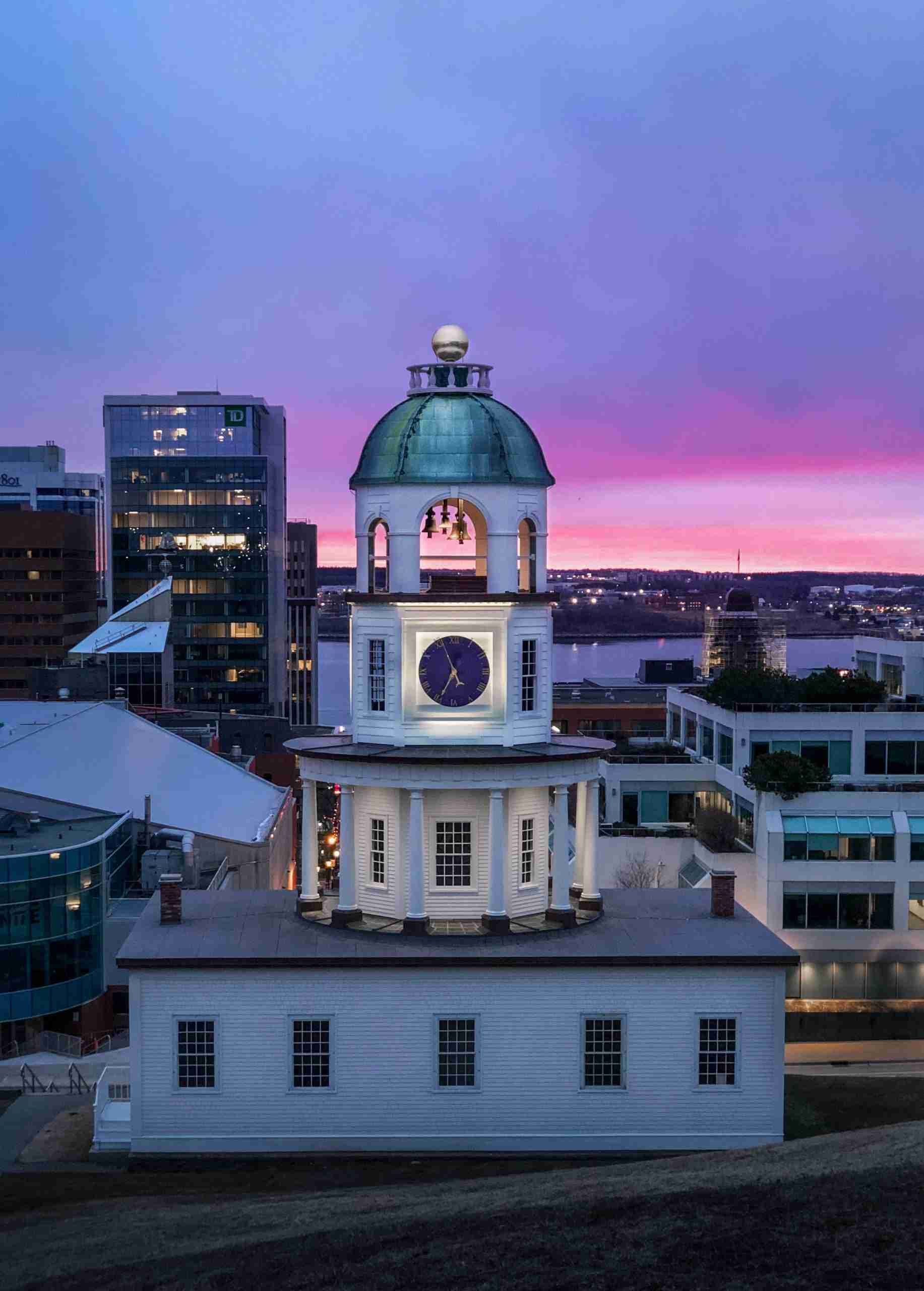
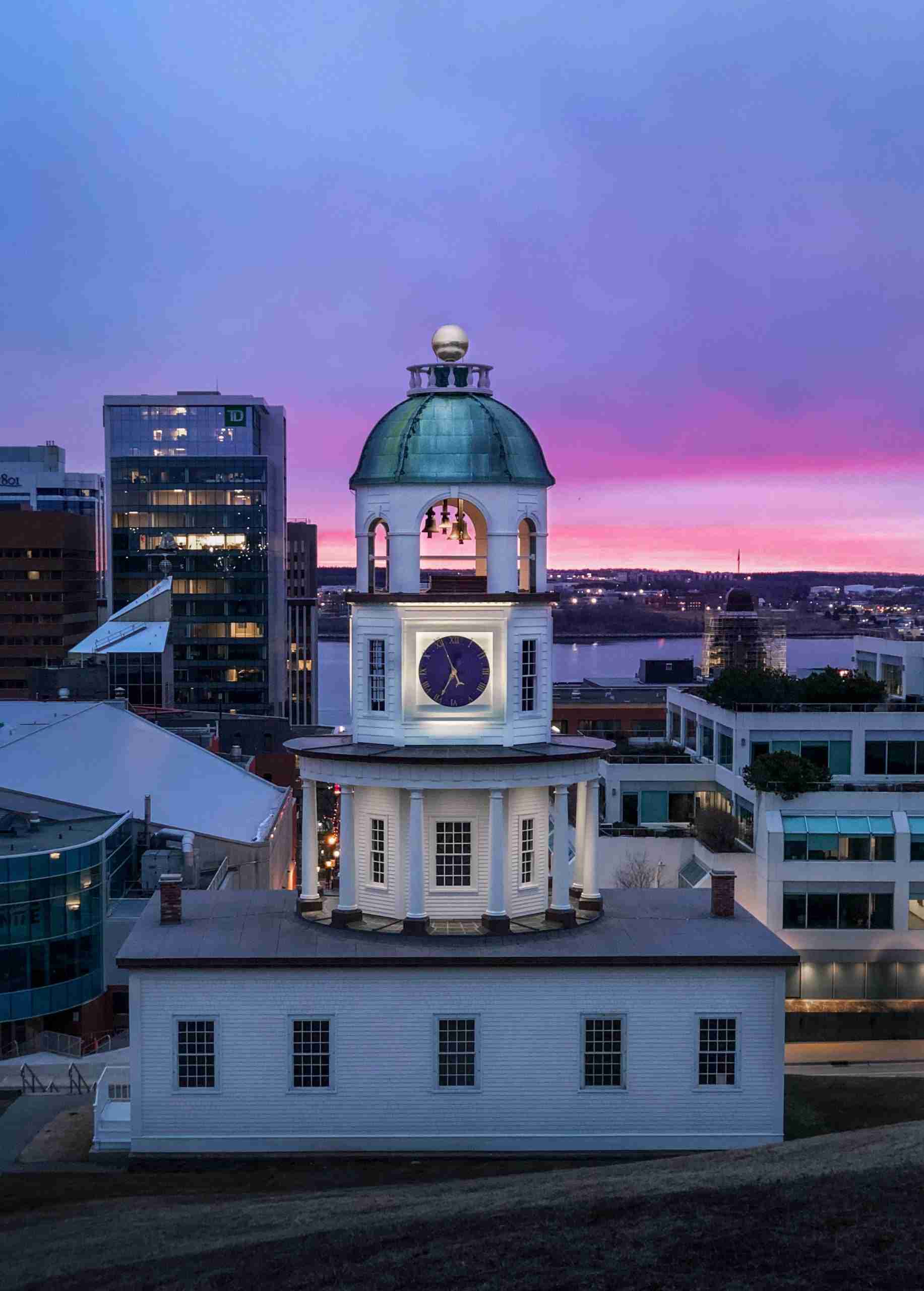
Perched on the slopes of Citadel Hill in Halifax, Nova Scotia, the Citadel Hill Clock Tower is one of the city's most recognizable landmarks. Built in 1803 by order of Prince Edward, Duke of Kent, this elegant, octagonal clock tower has stood the test of time, offering stunning photographic opportunities against the backdrop of Halifax's historic and modern skyline. Its neoclassical design, vibrant green surroundings, and elevated location make it a must-visit spot for photographers capturing the essence of Halifax. Whether shooting at sunrise, incorporating cityscapes, or using creative framing, the Citadel Hill Clock Tower offers endless possibilities for stunning imagery.
Best Photography Opportunities
• Golden Hour and Sunset Cityscapes
– The Clock Tower's elevated position on Citadel Hill provides breathtaking views of downtown Halifax. Shooting during golden hour enhances the structure's elegant details while creating a soft, warm glow over the city skyline. As the sun sets, the contrast between the illuminated tower and the modern high-rises makes for striking compositions.
• Symmetry and Architectural Details
– The neoclassical design of the Clock Tower features clean lines and balanced proportions, making it an excellent subject for symmetry-focused photography. Using a telephoto lens allows photographers to capture the intricate details of the clock face, windows, and ornate moldings.
• Aerial and Drone Perspectives
– A drone offers a unique perspective of the Clock Tower in relation to the Halifax Citadel and downtown skyline. Capturing it from above highlights its historical significance within the city's landscape while revealing its placement between the green slopes of Citadel Hill and the bustling harbor below.
• Seasonal Photography
– Each season brings a different mood to the Clock Tower. In the fall, golden and red foliage contrast beautifully with the tower's crisp white facade. Winter snow adds a dramatic and serene quality, while spring and summer provide lush green backdrops that enhance the tower's presence.
• Night Photography and Light Trails
– As darkness falls, the Clock Tower is illuminated, creating a glowing focal point against the city's nightscape. Long exposure shots capturing light trails from passing traffic on Brunswick Street add a dynamic and modern contrast to the historic landmark.
• Framing with Halifax Landmarks
– Incorporating the Halifax Harbour, Citadel National Historic Site, or the distant Macdonald Bridge in compositions provides a stronger sense of place. Using foreground elements like park benches, pathways, or city lights can add depth and storytelling to photographs.
Best Time to Visit
The best time to photograph the Citadel Hill Clock Tower is during sunrise and sunset when the light is soft, casting long shadows that enhance the structure's depth. Early mornings also provide the opportunity to capture the landmark without crowds, creating a clean and tranquil scene. Autumn and winter offer especially dramatic conditions, with colorful foliage or snow-covered grounds adding visual interest. For night photography, visiting just after sunset allows for a mix of natural and artificial lighting that enhances the tower's presence.
How to Get There
The Citadel Hill Clock Tower is centrally located in downtown Halifax, at the base of Citadel Hill National Historic Site. It is easily accessible on foot from downtown, with walking paths leading up from Brunswick Street and Sackville Street. Paid parking is available nearby, though walking or public transportation is recommended due to the area's popularity. While the tower itself is not open for public entry, its exterior can be freely photographed at all hours.
Exploring the Citadel Hill Clock Tower and the Surrounding Area
Citadel Hill is not just home to the Clock Tower; it offers panoramic views of Halifax and serves as a historic site rich with photographic opportunities. The star-shaped Halifax Citadel fortress, complete with costumed reenactors, cannons, and stone walls, makes for striking compositions. The grassy slopes of the hill provide a natural foreground for wide-angle cityscapes. Just below the tower, downtown Halifax offers vibrant street scenes, cafes, and historic architecture, all within walking distance.
Nearby Photography Locations
– The historic fortress atop Citadel Hill offers sweeping views of the city, dramatic stone walls, and military reenactments, making it an excellent location for historical and landscape photography. The changing of the guard ceremonies provide great action shots. The panoramic city views from the fortress walls create dramatic skyline compositions.
– Just a short walk away, the Halifax waterfront is a lively area featuring historic buildings, colorful boats, and scenic boardwalks. Sunrise and sunset reflections on the water add an extra layer of beauty to compositions. The busy harbor, with passing ferries and sailboats, adds movement and energy to waterfront shots.
– This expansive coastal park offers forested trails, rugged shorelines, and views of the Atlantic. It's a great location for capturing nature, seascapes, and distant perspectives of Halifax. In autumn, the changing foliage creates a vibrant backdrop for landscape photography.
– Accessible by ferry, this island in the middle of Halifax Harbour offers unique views of the city skyline, historic tunnels, and well-preserved military structures. The vantage points from the island provide fresh perspectives of Halifax. The fortifications and lighthouse offer excellent focal points for history and maritime photography.
• Macdonald Bridge Overlook
– For photographers seeking a high vantage point, this overlook provides an excellent perspective of the Macdonald Bridge stretching across the harbor, with Halifax's skyline in the background. Long exposure shots of traffic at night create mesmerizing light trails. The bridge's structure and symmetry make for strong leading-line compositions.
Comments
Loading comments…