
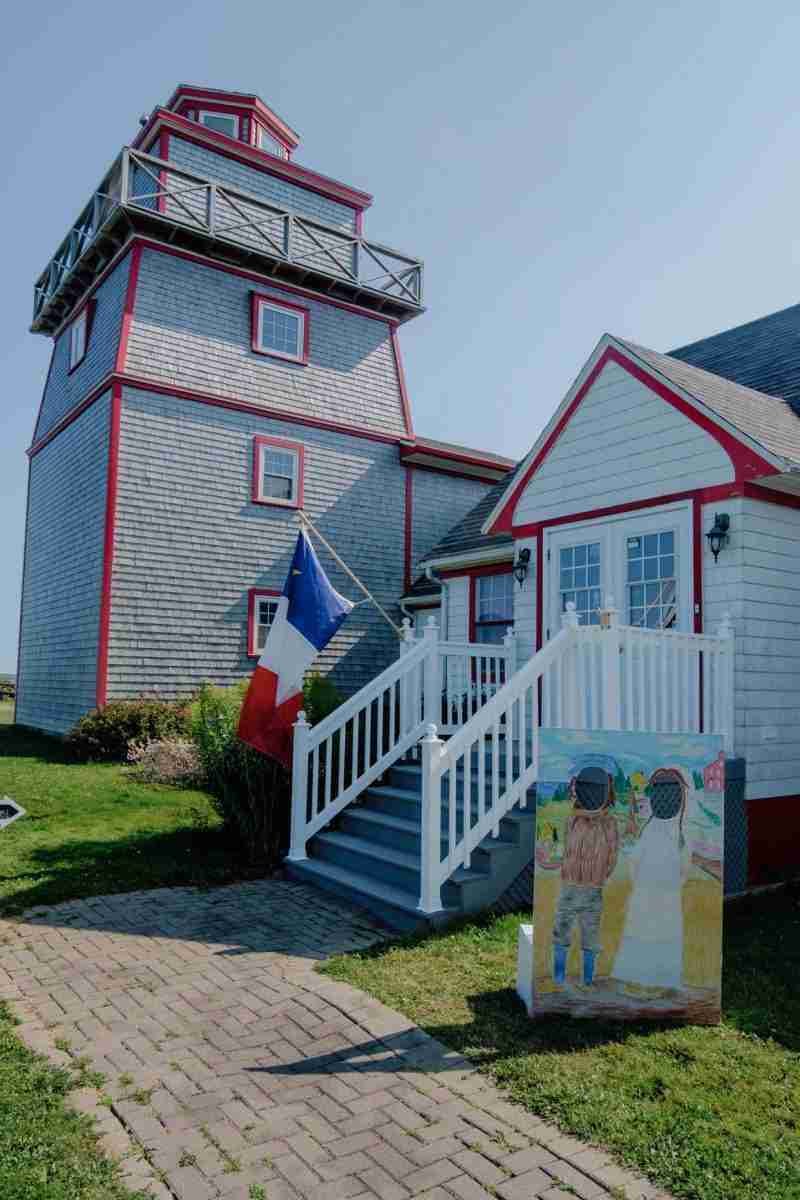
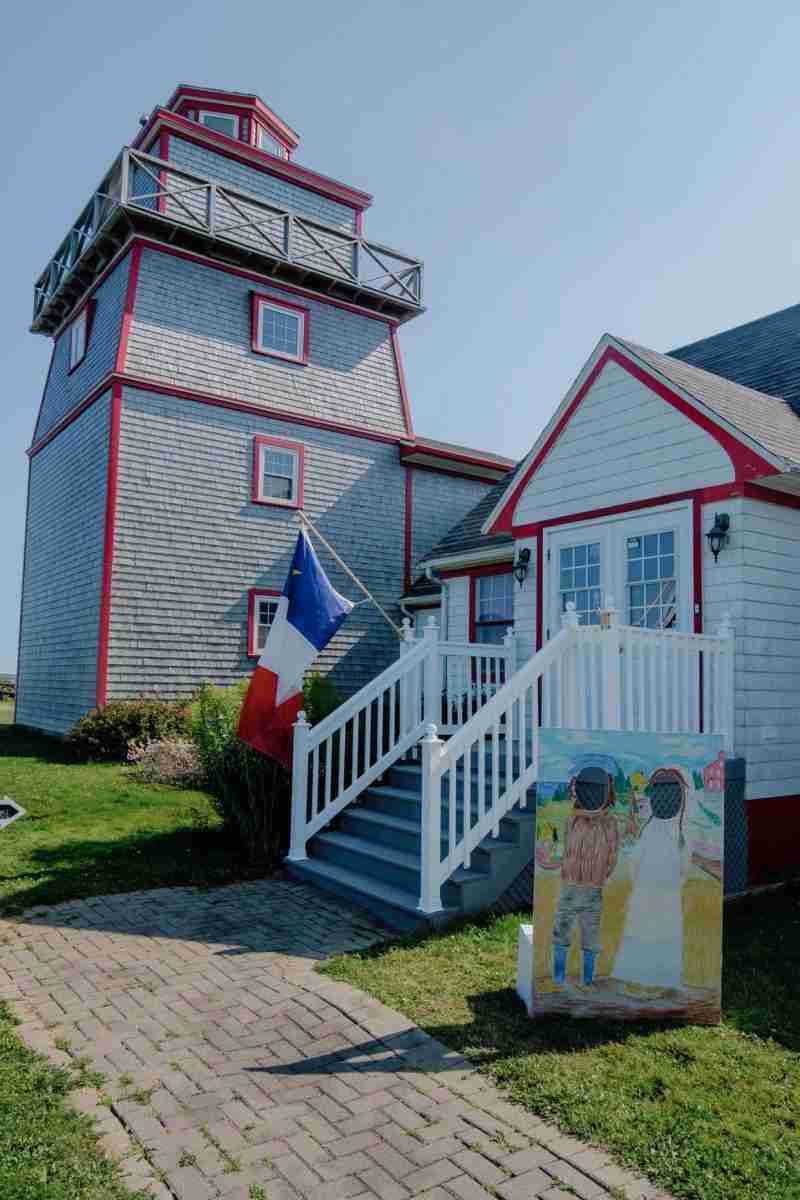
Nestled along the shores of Liverpool, Nova Scotia, Fort Point Museum is a historic site that blends rich colonial history with stunning coastal scenery. Once a military outpost guarding the entrance to the Mersey River, the fort has since been transformed into a museum that showcases the region's past. With its charming white lighthouse, cannons overlooking the water, and rugged Atlantic coastline, Fort Point Museum offers photographers a mix of maritime heritage and breathtaking landscapes. Whether capturing the play of light on historic structures or the dramatic ocean views, this location provides endless inspiration.
Best Photography Opportunities
• Fort Point Lighthouse and Coastal Views
– The white, square-shaped lighthouse, standing against the backdrop of the Atlantic, makes for a striking focal point in compositions. Shooting from different angles along the rocky shore enhances the contrast between the man-made structure and the natural elements surrounding it. On particularly clear days, the vibrant blue of the ocean contrasts beautifully with the lighthouse, making for a crisp, visually appealing shot.
• Historic Cannons Overlooking the Water
– The old cannons positioned along the fort's edge offer a unique foreground element for maritime-themed photography. Capturing them from a low angle emphasizes their historical significance while leading the viewer's eye toward the open sea. Incorporating the cannons into a wide-angle shot with the lighthouse in the background helps tell a compelling story of the fort's defensive past.
• Sunset and Golden Hour Reflections
– The museum's coastal location provides stunning opportunities for sunset photography. As the sun dips below the horizon, the water reflects soft golden hues, creating a warm and inviting scene that contrasts beautifully with the historic structures. Using a long exposure technique during this time can enhance the smoothness of the water and create an ethereal atmosphere.
• Stormy and Moody Skies
– Overcast days add an atmospheric, almost cinematic quality to Fort Point. Dark clouds rolling over the lighthouse and cannons evoke a sense of history and the fort's past role in coastal defense. Dramatic lighting changes caused by shifting storm clouds can create high-contrast images with deep, moody tones.
• Close-ups of Historical Details
– The museum features fascinating artifacts, weathered plaques, and wooden structures that provide excellent opportunities for detail shots. Textured surfaces, faded engravings, and aged materials add character to compositions. Capturing the wear and tear of these relics up close can highlight the passage of time and tell a more intimate story of the site's history.
• Birdlife and Maritime Activity
– The surrounding waters are often active with seabirds and fishing boats, adding movement and life to compositions. A long lens can capture distant boats navigating the harbor or gulls soaring above the lighthouse. Waiting for a bird to fly into the frame can add a dynamic focal point to an otherwise static scene, creating a sense of movement and energy.
Best Time to Visit
The best time to visit Fort Point Museum for photography is during golden hour, when the lighthouse and surrounding landscape are bathed in warm light. Summer provides vibrant greens and blues, while autumn offers rich foliage and dramatic skies. Winter can create a more rugged, desolate look, ideal for moody compositions. Overcast or stormy days enhance the site's historical atmosphere, while calm, clear days make for stunning reflection shots.
How to Get There
Fort Point Museum is located in Liverpool, Nova Scotia, approximately 1.5 hours from Halifax via Highway 103. The site is easily accessible by car, with parking available nearby. There is an entrance fee to access the museum, which helps support its preservation. Payment can typically be made on-site, and checking the museum's official website for hours and admission details is recommended. The exterior grounds, including the lighthouse and cannons, are open for public viewing year-round.
Exploring Fort Point Museum and the Surrounding Area
Beyond the museum itself, Liverpool's waterfront and historic district offer additional photography opportunities. The town is home to charming heritage buildings, working fishing wharves, and scenic river views. Exploring the surrounding coastline reveals hidden coves, rocky outcrops, and picturesque maritime landscapes perfect for seascape photography.
Nearby Photography Locations
– A short drive from Fort Point, this beach features crystal-clear waters and white sand, resembling a tropical paradise. The contrast between the turquoise water and rugged Nova Scotia coastline creates stunning compositions. The changing tides constantly reshape the shoreline, offering new photographic opportunities with each visit.
– A wide sandy beach with rolling dunes and dramatic Atlantic waves, ideal for landscape and long-exposure photography. Sunset shots here capture the warm glow over the water and dunes. The soft textures of the sand combined with crashing waves make for a compelling contrast in compositions.
– A breathtaking coastal park with windswept barrens, secluded beaches, and wildlife such as seals basking on the rocks. The mix of rugged terrain and ocean vistas makes it a paradise for nature photographers. The park's untouched landscapes provide excellent opportunities for dramatic wide-angle shots of the vast coastline.
– Featuring historic buildings, docked fishing boats, and a scenic boardwalk, this location offers a glimpse into the town's seafaring past. The reflections of boats on the calm water create dynamic compositions. During the early morning hours, mist often settles over the harbor, adding a dreamy, ethereal quality to photographs.
– Known for its unspoiled coastal landscapes, forested trails, and secluded beaches, this park provides excellent opportunities for capturing untouched maritime beauty. Early morning fog adds a mystical quality to the shoreline. The combination of driftwood, tidal pools, and panoramic ocean views creates diverse photographic possibilities.
Comments
Loading comments…