
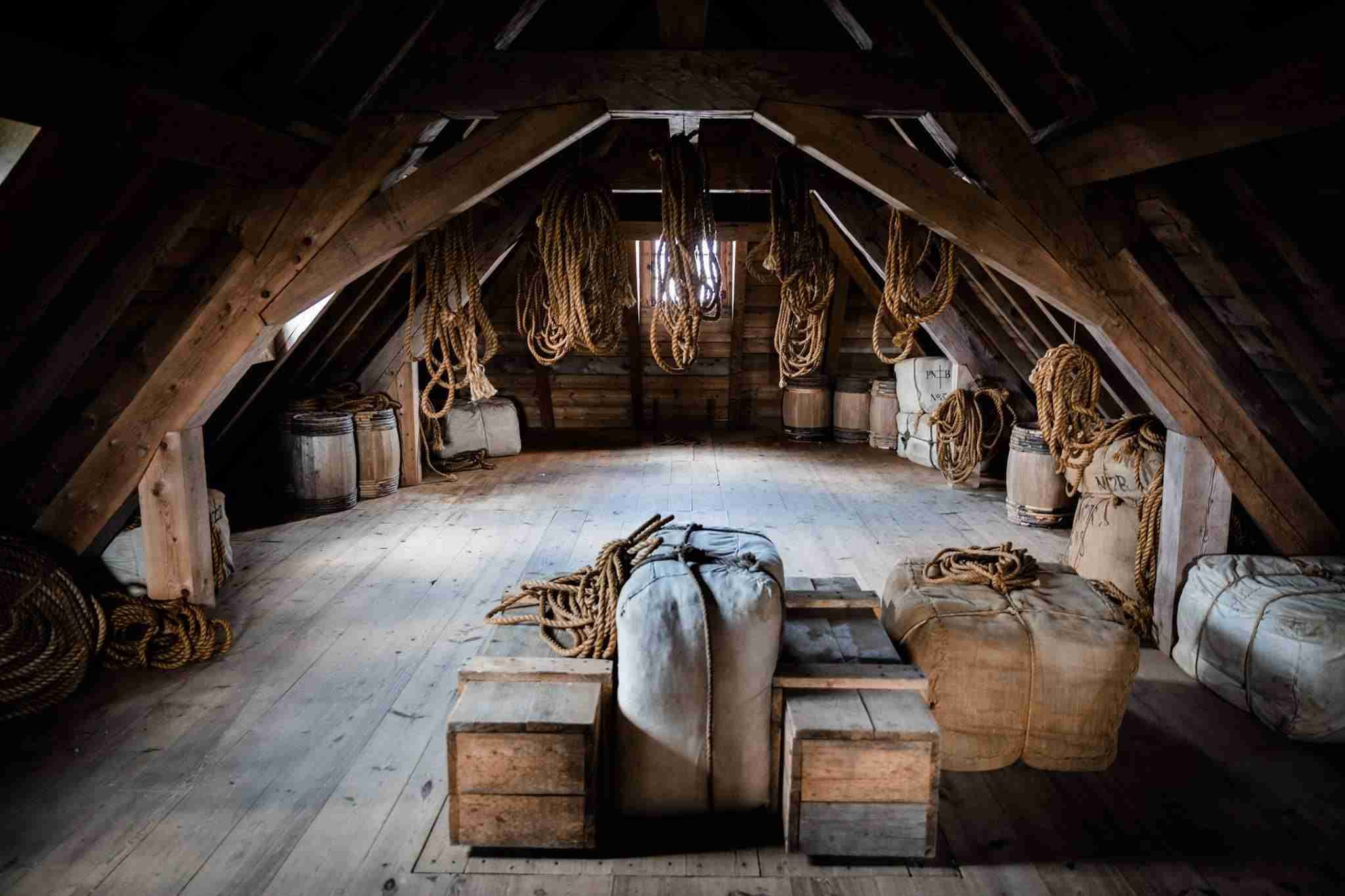
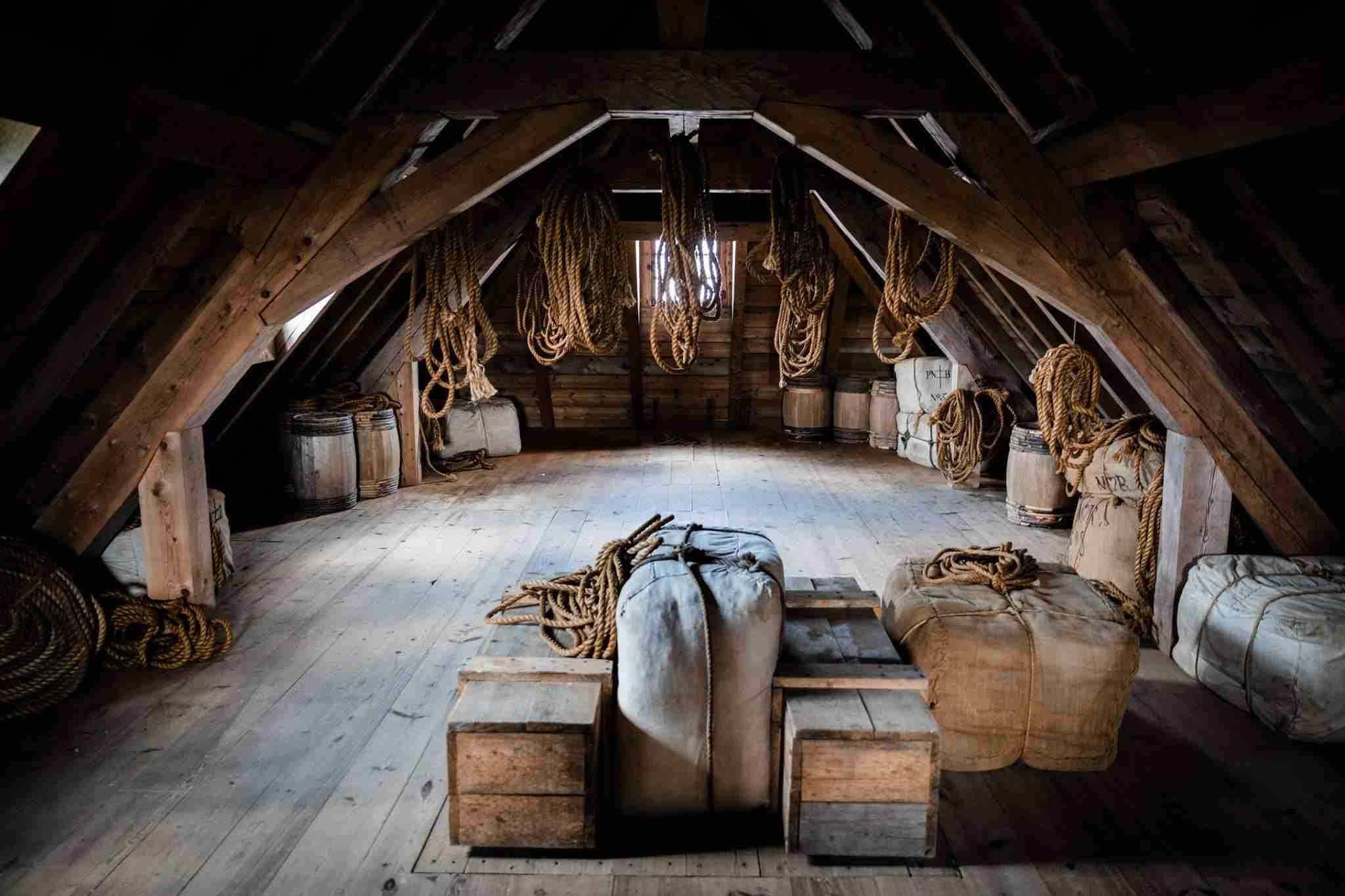
The Fortress of Louisbourg, located on Cape Breton Island in Nova Scotia, is a stunningly preserved 18th-century French fortress and one of Canada's most unique photography destinations. As the largest historical reconstruction in North America, this site transports visitors back to 1744, offering an immersive experience with costumed reenactors, stone walls, wooden palisades, and bustling period-accurate streets. The combination of historical architecture, dramatic coastal scenery, and moody Atlantic weather provides endless inspiration for photographers capturing everything from intricate details to sweeping landscapes.
Best Photography Opportunities
• The Fortress at Sunrise and Sunset
– The early morning and late evening light enhances the textures of the stone walls, rooftops, and cobblestone streets, creating a warm glow that contrasts beautifully with the cool tones of the Atlantic. Capturing the fortress against a vibrant sunrise or a golden sunset provides breathtaking images.
• Cannon Lined Ramparts and Defensive Walls
– The fortress's imposing walls, lined with cannons overlooking the ocean, make for dramatic compositions. Shooting from different angles along the ramparts can highlight the scale of the fortifications and their strategic coastal position.
• Costumed Reenactors
– One of the highlights of visiting Louisbourg is the presence of historical interpreters dressed in period attire. Capturing them in action—whether performing daily tasks, marching in formation, or firing muskets—adds an authentic and storytelling element to photographs.
• Narrow Streets and Wooden Buildings
– The recreated town within the fortress features rustic wooden homes, blacksmith workshops, bakeries, and stone storehouses. These elements provide excellent opportunities for architectural and documentary-style photography, focusing on the fine details of 18th-century life.
• Dramatic Coastal Views
– The fortress is set against the rugged coastline of Cape Breton, offering incredible seascape photography opportunities. Shooting from the rocky shorelines or capturing waves crashing against the walls of the fortress can create powerful compositions that showcase the site's maritime history.
• Stormy and Foggy Conditions
– The unpredictable Cape Breton weather adds an atmospheric mood to fortress photography. Thick fog rolling over the battlements or dark storm clouds gathering above the ocean can transform the scene into something truly dramatic and cinematic.
• Winter at Louisbourg
– Though less visited in winter, the fortress looks stunning under a blanket of snow. The contrast between the white landscape and dark stone walls creates a beautiful and unique perspective on this historic site.
Best Time to Visit
The best time to photograph the Fortress of Louisbourg is from late spring to early fall when reenactments are in full swing, and the site is bustling with historical activity. Summer offers the most lively scenes, while early morning and late afternoon provide the best light for capturing the architecture. Autumn adds rich golden tones to the surrounding landscape, and winter offers rare, snowy compositions with fewer visitors. Foggy or overcast days can enhance the historic atmosphere, adding depth and drama to photos.
How to Get There
The Fortress of Louisbourg is located on the eastern coast of Cape Breton Island, approximately 35 minutes from Sydney, Nova Scotia. Visitors can drive along Highway 22, following signs to the Parks Canada entrance. A visitor center provides parking, and shuttle buses transport guests to the fortress itself. There is an admission fee, which supports the ongoing preservation and interpretation of this national historic site. Checking the official website for seasonal hours, special events, and guided photography tours is recommended.
Exploring the Fortress of Louisbourg and the Surrounding Area
Beyond the fortress, the town of Louisbourg offers additional photographic opportunities. The coastline surrounding the site is rugged and dramatic, with crashing waves and rocky outcrops. Nearby, the Louisbourg Lighthouse provides another stunning subject, standing against the backdrop of the Atlantic. The area's rich maritime history, combined with its natural beauty, makes it a rewarding destination for both history buffs and landscape photographers.
Nearby Photography Locations
• Louisbourg Lighthouse
– Overlooking the fortress, this historic lighthouse is one of the oldest in Canada. It provides dramatic coastal compositions, especially when shot with crashing waves or in soft golden light.
– A short drive from the fortress, this scenic beach and rugged coastline were key landing sites during historical battles. The windswept dunes and crashing surf make for stunning seascape photography.
– Located near Glace Bay, this site marks the location of the first transatlantic wireless signal. The rocky coastline and remnants of Marconi's work provide a fascinating mix of history and landscape photography.
– One of the world's most famous scenic drives, the Cabot Trail is a must-visit for photographers exploring Cape Breton. Featuring dramatic cliffs, winding roads, and endless ocean views, it offers some of the best landscape photography in Canada.
– The largest town on Cape Breton Island, Sydney offers charming harbor views, historic buildings, and vibrant coastal scenes. The waterfront boardwalk provides excellent compositions with fishing boats, sunset reflections, and distant views of the Atlantic.
Comments
Loading comments…