
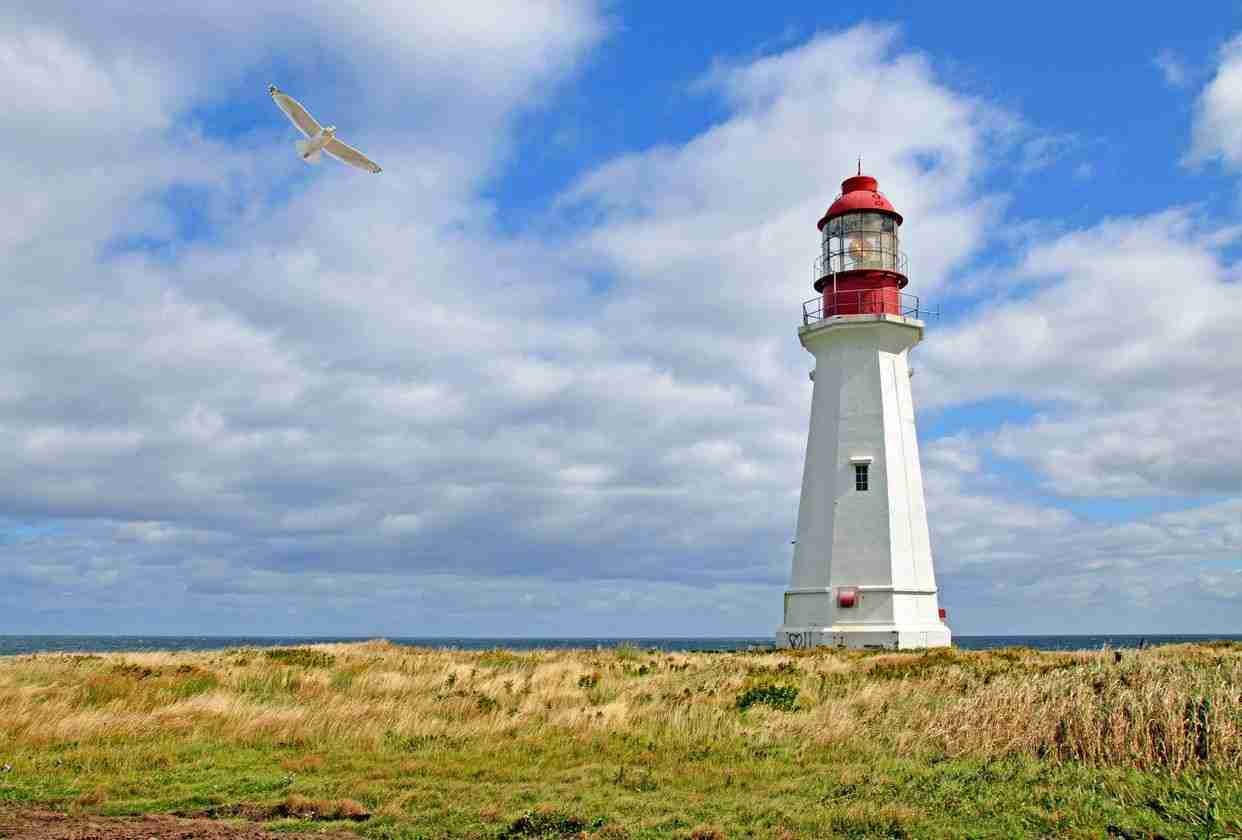
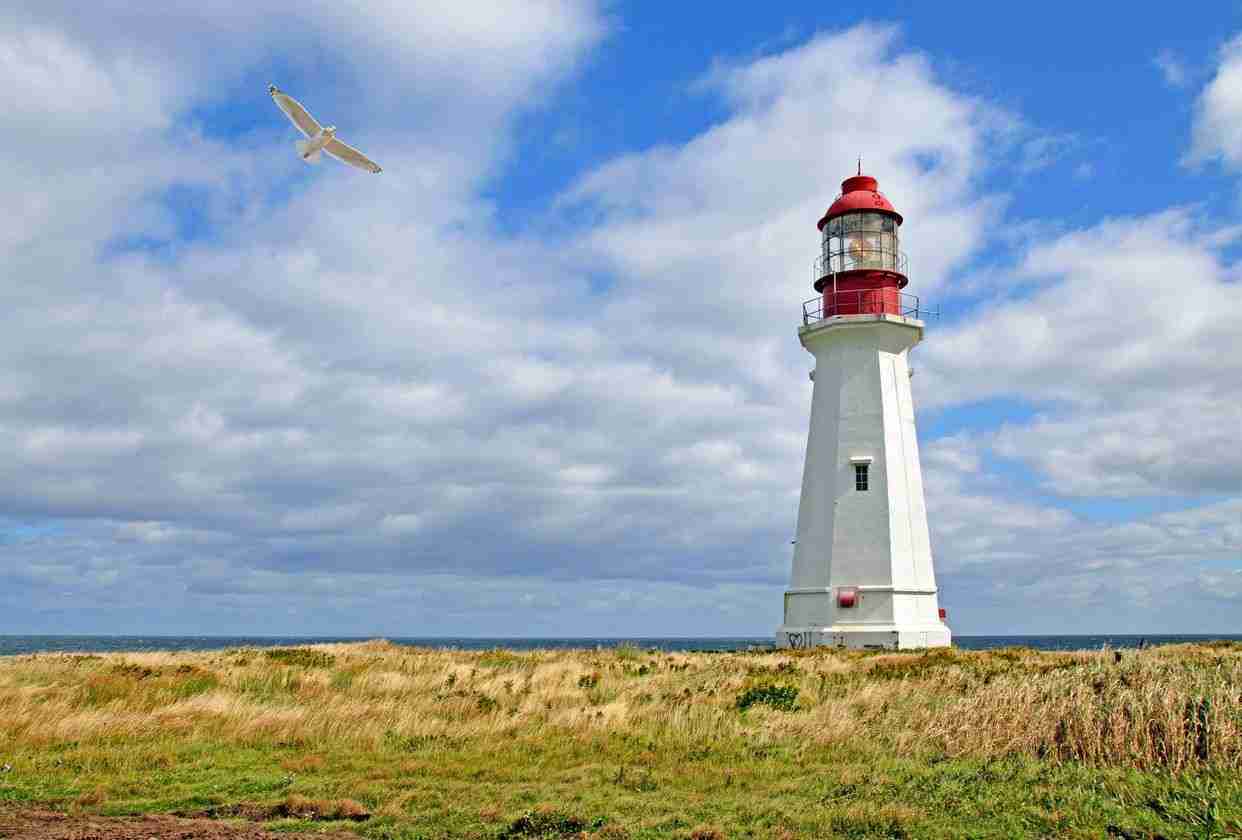
Low Point Lighthouse, also known as Flat Point Lighthouse, is a striking coastal landmark located at the eastern entrance of Sydney Harbour, Nova Scotia. Standing tall against the rugged shoreline, this classic red-and-white lighthouse has guided mariners since 1832 and remains an iconic subject for photographers. Surrounded by dramatic cliffs, wild coastal grasses, and the endless expanse of the Atlantic, Low Point Lighthouse offers stunning seascapes, moody weather compositions, and a glimpse into Nova Scotia's rich maritime heritage.
Best Photography Opportunities
• Sunrise and Sunset Coastal Views
– The lighthouse's exposed position on the coastline makes it a fantastic subject for capturing the warm hues of sunrise and sunset. The soft light at these times highlights the texture of the lighthouse, cliffs, and ocean waves. The shifting tides can change the landscape significantly, offering a variety of foreground elements throughout the day.
• Dramatic Seascapes and Storm Photography
– The unpredictable Atlantic weather creates powerful scenes, with storm clouds, crashing waves, and misty air adding mood and drama. Long exposure photography can capture the motion of the waves, creating a mist-like effect around the rocky shore. The combination of dramatic skies and turbulent seas provides endless opportunities for moody, atmospheric compositions.
• Close-ups of the Lighthouse Architecture
– The lighthouse's bold red-and-white color scheme, peeling paint, and weathered textures tell a story of resilience. Capturing these details can add character and a sense of history to your shots. The contrast between the lighthouse's smooth structure and the rugged coastal rocks makes for compelling abstract and textural photography.
• Reflections and Foreground Elements
– After a rainstorm, puddles along the coastal path can create striking reflections of the lighthouse. Including elements like driftwood, wildflowers, or eroded cliffs in the foreground helps add depth and context to compositions. Changing seasonal elements, such as ice in winter or blooming coastal plants in spring, can further enhance the variety of shots available.
• Wildlife and Bird Photography
– The surrounding coastal environment is home to seabirds, including gulls and cormorants, which can add movement and life to lighthouse shots. Occasionally, seals can be spotted offshore, making for unique wildlife photography opportunities. The contrast between wildlife and the historic lighthouse structure emphasizes the connection between nature and maritime heritage.
• Winter and Ice Formations
– In colder months, ice forms along the rocky shoreline, creating a surreal and dramatic landscape. The contrast of the bright lighthouse against the frozen surroundings makes for a striking winter composition. The play of light on icicles and frozen sea spray can add a shimmering, almost otherworldly effect to photographs.
Best Time to Visit
The best time to visit Low Point Lighthouse for photography is during sunrise and sunset when the changing light adds warmth and depth to compositions. Spring and summer offer lush green grasses and wildflowers, while autumn brings golden hues to the coastal landscape. Winter provides a unique, stark beauty, with icy shorelines and moody skies enhancing the lighthouse's solitary presence. Foggy or stormy conditions add an extra layer of drama, making for compelling, atmospheric images.
How to Get There
Low Point Lighthouse is located near New Victoria, Nova Scotia, approximately 20 minutes from downtown Sydney. From Highway 28, follow signs toward New Victoria and Low Point Road, which leads to a small, informal parking area near the lighthouse. The site is accessible via a short walk along a coastal path, but caution is advised, as the cliffs can be unstable in some areas. The lighthouse itself is not open to the public, but the exterior can be freely photographed.
Exploring Low Point Lighthouse and the Surrounding Area
Beyond the lighthouse, the surrounding coastal landscape provides additional photographic opportunities. The windswept cliffs, crashing waves, and abandoned remnants of maritime infrastructure create a sense of isolation and history. Nearby, the industrial skyline of Sydney Harbour contrasts with the natural beauty of the lighthouse, offering unique juxtaposed compositions. The area's rich coal mining history is also evident in the rugged terrain and remnants of old structures.
Nearby Photography Locations
– A short drive from Low Point, this long sandy beach offers stunning sunrise views, rolling waves, and opportunities for capturing seabirds in flight. The mix of sand and exposed rock formations adds texture to compositions. The tidal changes dramatically alter the landscape, providing different perspectives throughout the day.
– Located along Sydney Harbour, this historic fort offers a different perspective on Cape Breton's coastal defenses. The concrete bunkers and gun emplacements contrast with the natural landscape, making for striking industrial-meets-nature photography. The ocean backdrop adds an extra element of depth to historical compositions.
– The city of Sydney provides charming harbor scenes, fishing boats, and waterfront reflections. The iconic Big Fiddle statue, representing Cape Breton's musical heritage, makes for an interesting focal point. Evening shots capture the glow of city lights reflecting off the water, creating vibrant and dynamic images.
– This historic location near Glace Bay commemorates the first transatlantic wireless signal. The crumbling remnants of Marconi's transmission station, set against the wild coastal landscape, create a haunting and dramatic subject for photographers. The combination of history and raw natural beauty makes this site an excellent choice for documentary-style and landscape photography.
– A peaceful spot with golden sand dunes, tidal rivers, and an old railway bridge that creates leading lines for striking compositions. It's especially photogenic during sunset when the water reflects the sky's changing colors. The combination of natural elements and man-made structures provides varied perspectives for different photography styles.
Comments
Loading comments…