
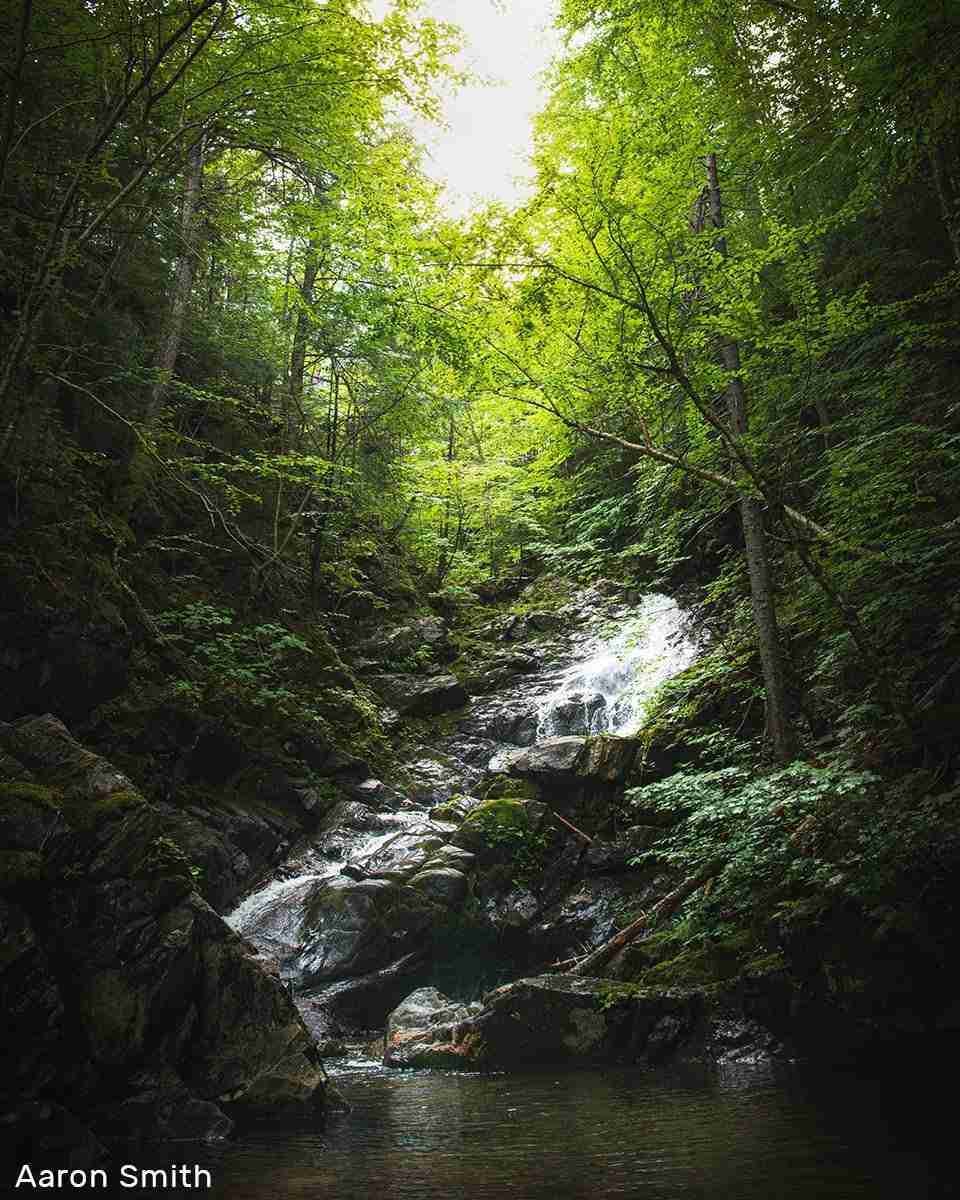
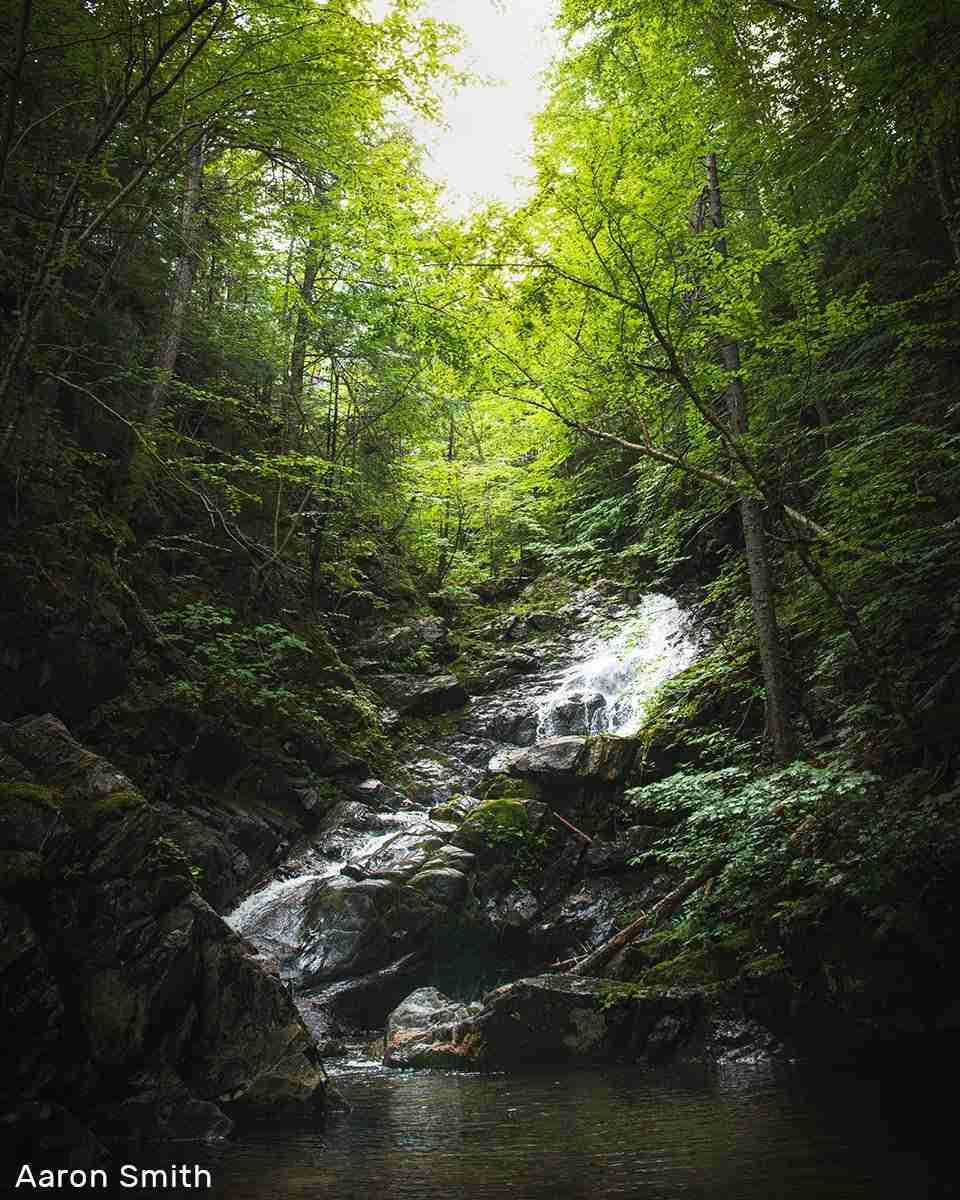
MacIntosh Brook Falls, nestled in the heart of Cape Breton Highlands National Park, is a hidden gem for photographers seeking to capture the beauty of Nova Scotia's lush forests and flowing waterfalls. This picturesque cascade is surrounded by towering hardwood trees, creating a peaceful and intimate setting perfect for long-exposure photography and nature compositions. The short and easy hike to the falls follows a scenic brook through a shaded forest, offering plenty of opportunities to capture the interplay of light, water, and foliage along the way.
With its tranquil atmosphere, MacIntosh Brook Falls is an excellent location for photographers looking to experiment with shutter speeds, composition techniques, and seasonal changes in the landscape. Whether capturing the silky flow of the falls with a long exposure, the vibrant colors of autumn leaves, or the lush greenery of summer, this location provides endless creative possibilities.
Best Photography Opportunities
• Long-Exposure Waterfall Shots
– The gentle cascade of MacIntosh Brook Falls is ideal for long-exposure photography. Using a tripod and a neutral density filter allows for silky smooth water effects, contrasting beautifully with the surrounding rocks and moss-covered logs.
• Forest and Brook Compositions
– The trail leading to the falls follows a winding brook, providing opportunities to capture the movement of water as it flows over small rocks and fallen branches. The surrounding forest adds depth and texture to compositions.
• Autumn Colors and Reflections
– During the fall, the trees surrounding MacIntosh Brook explode into shades of red, orange, and yellow, creating stunning reflections in the water. The combination of colorful leaves and the flowing brook makes for striking seasonal imagery.
• Close-Up and Macro Photography
– The forest floor is rich with textures, from vibrant mosses and ferns to delicate wildflowers and mushrooms. Photographers interested in macro photography will find plenty of small details to capture along the trail.
• Winter Ice Formations
– In colder months, the waterfall partially freezes, forming intricate ice structures along the rocks. Snow-covered branches and icicles create a serene, monochromatic scene that contrasts beautifully with the dark flowing water.
Best Time to Visit
The best time to visit MacIntosh Brook Falls depends on the type of photography you want to capture. Summer offers lush greenery and soft, dappled light filtering through the tree canopy, making it ideal for capturing the vibrancy of the forest. Autumn is particularly stunning, as the fall foliage provides a striking backdrop to the waterfall and stream. For those seeking unique winter compositions, colder months bring snow and ice formations that transform the falls into a frozen wonderland.
The best lighting conditions for photographing the waterfall are on overcast days, which help to reduce harsh shadows and create a soft, even light that enhances the textures of the rocks and flowing water. Early morning or late afternoon visits also offer the advantage of softer natural light and fewer visitors, allowing for a more peaceful photography experience.
How to Get There
MacIntosh Brook Falls is located within Cape Breton Highlands National Park, near Pleasant Bay along the Cabot Trail. From Cheticamp or Ingonish, follow the Cabot Trail toward Pleasant Bay and look for the MacIntosh Brook Trailhead, which is well-marked with park signage. The trail is an easy, family-friendly 1.7-kilometer loop that follows a gentle path through the forest before reaching the waterfall. The well-maintained trail makes for a short and scenic walk, with plenty of spots to pause and capture the beauty of the brook along the way.
Exploring the Cape Breton Highlands National Park
Cape Breton Highlands National Park offers a wealth of additional photographic opportunities beyond MacIntosh Brook Falls. The park is known for its rugged coastline, deep valleys, and sweeping mountain vistas, making it a must-visit for landscape photographers. The Cabot Trail winds through the park, offering breathtaking ocean views, dense forests, and highland plateaus that change dramatically with the seasons.
For wildlife photographers, the park is home to moose, bald eagles, and foxes, often spotted near wooded trails and open meadows. The mix of coastal and forested landscapes also makes it an excellent location for capturing the diverse ecosystems of Nova Scotia. Photographers exploring the area will find endless inspiration in the park's varied terrain, from misty mountain peaks to hidden waterfalls tucked away in the wilderness.
Nearby Photography Locations
– A charming fishing village with colorful boats, dramatic cliffs, and stunning sunset views over the Gulf of St. Lawrence. The harbor and surrounding coastline provide excellent compositions for coastal photography.
– One of Cape Breton's most famous hikes, the Skyline Trail offers sweeping views of the ocean and rolling highlands. It's an incredible location for sunset photography, with the winding trail providing a perfect leading line toward the horizon.
– Another beautiful waterfall within Cape Breton Highlands National Park, Beulach Ban Falls is a larger cascade surrounded by lush forest. It's an excellent secondary waterfall location for those exploring the area.
– Various roadside pull-offs along the Cabot Trail offer stunning panoramic views of Cape Breton's rugged coastline, winding roads, and vast ocean expanses. Each stop presents a different angle on the park's dramatic landscapes.
– A remote and rugged destination at the northern tip of Cape Breton, Meat Cove offers striking cliffside views, a wild coastline, and a dramatic meeting of land and sea. The isolated feel of the area makes for incredible moody and atmospheric shots.
MacIntosh Brook Falls is a peaceful and rewarding location for photographers looking to capture the beauty of Nova Scotia's forests and waterfalls. Whether focusing on the flowing water, the rich colors of autumn leaves, or the intricate details of the surrounding landscape, this hidden gem provides endless creative opportunities in the heart of Cape Breton Highlands National Park.
Comments
Loading comments…