
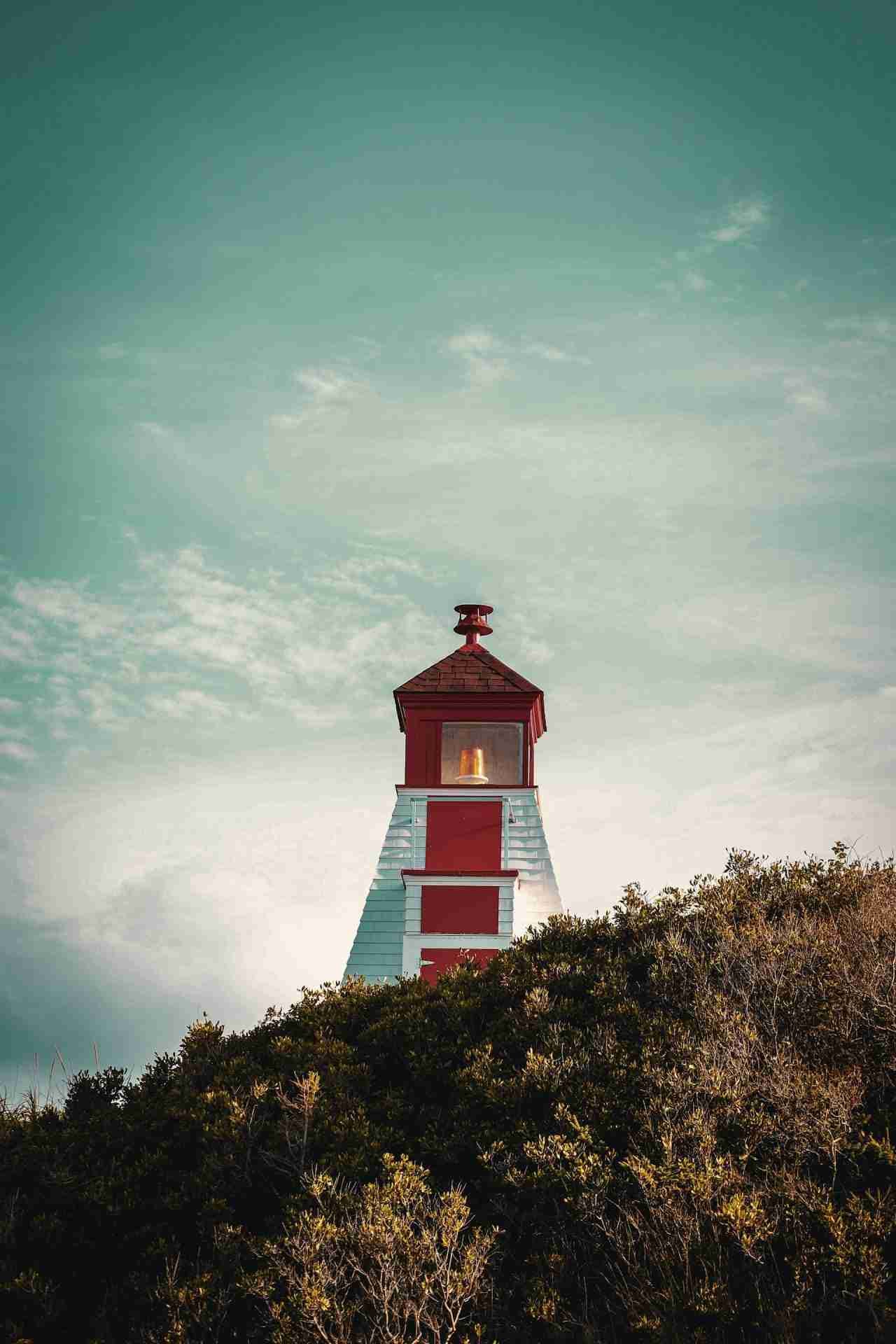
Where the Margaree River flows into the Gulf of St. Lawrence, the Margaree Harbour Range Front Lighthouse stands quietly at the edge of land and sea. Surrounded by driftwood-strewn beach, tall dune grasses, and wide Atlantic skies, this unassuming white tower is a remarkably versatile subject for photographers. While smaller than most lighthouses along Cape Breton's coast, it offers clear lines, a clean profile, and a rare simplicity that lets the surrounding environment shine. The scene is defined by open space, subtle coastal tones, and long, horizontal elements that stretch toward the horizon. Whether approached as a minimalist composition, a moody seascape, or a golden hour silhouette, this location is about finding elegance in restraint.
Best Photography Opportunities
• Minimalist Compositions in Soft Light
The lighthouse's white structure and functional design make it ideal for minimalist work, especially under flat skies or early fog. The beach provides open negative space, and the building's vertical lines stand out clearly against the horizon. Use a wide-angle lens and leave plenty of room around the subject to highlight the scale and simplicity of the environment. Low contrast conditions allow for gentle transitions between sky, sand, and sea. Early morning light gives the cleanest results, especially when paired with low tide.
• Sunset Silhouettes Over the Gulf
Facing west toward the open water, the lighthouse is well positioned for sunset silhouettes. Position yourself along the edge of the beach to catch the tower against the sky as the sun dips. A 24 to 70mm lens offers enough range to work both wide and tight. Expose for the sky and let the lighthouse go to shadow. Add dune grasses or rocks in the foreground to break up the line and give a sense of place. Clear evenings in late summer are especially productive for this type of image.
• Reflections and Low Tide Textures
At low tide, the wet sand surrounding the lighthouse creates shallow pools that reflect both sky and subject. These moments work well for symmetrical compositions or tight textural shots with long lenses. A tripod and a careful angle can help control unwanted elements like footprints or debris. Early light brings out the detail in the sand without introducing hard shadows. A circular polarizer can reduce glare on the surface while still allowing for soft reflections if positioned correctly.
• Foreground Framing with Dune Grass
The beach grasses near the lighthouse provide natural frames and textural layers. Shoot from a lower angle and focus through the grass for depth. A wide aperture such as f/2.8 allows the grass to blur while keeping the lighthouse sharp. Late afternoon and overcast days help preserve soft color and prevent highlights from blowing out in the grass. This is a great approach for giving more context and storytelling to the scene.
• Stormy Skies and Moody Contrast
Changing weather over the Gulf adds drama without needing a dramatic subject. The lighthouse holds its shape well in high-contrast conditions and works especially well in black and white. Use side light when clouds are breaking for separation between subject and background. A neutral density filter can help stretch exposures during moody conditions, turning choppy water into a smooth base that adds contrast to the sky above. Always monitor the tide and wind if working near the surf.
Best Time to Visit
Late spring through early fall is the best time for visiting Margaree Harbour with a camera. From May through July, the long days and cool mornings provide calm conditions, gentle light, and the best chance of fog coming off the Gulf. These early sessions often give you quiet beaches and the option to work undisturbed.
August and September bring more color into the sky and the surrounding grasses. Sunset angles shift slightly, creating longer reflections and better contrast behind the lighthouse. These months also tend to be less foggy and more consistent in visibility.
Winter is colder and often windier, but the lighthouse becomes especially stark against a snow-covered shoreline or dark sea. The shape and setting hold up well in monochrome. Just be aware that beach access can be limited if snow drifts are deep or ice is present near the shore.
Wind is a year-round factor. For mirror-like water or long exposures of reflections, early mornings typically offer the calmest conditions. Tides also play a key role. Low tide reveals more texture and space around the structure, while high tide brings waves closer to the lighthouse for dynamic compositions.
How to Get There
Margaree Harbour is located on Cape Breton Island, along the western stretch of the Cabot Trail. From Inverness or Baddeck, follow Route 19 and look for signs directing you toward the harbor and beach. Once in Margaree Harbour, local roads lead west toward the lighthouse and shoreline.
The lighthouse sits right at the edge of the beach, visible from the road. There is parking nearby, and no special access is required to reach the site. A short walk over grass and sand brings you into shooting position. There are no fences or barriers, and photography is permitted year-round.
There are no fees to visit, and no permits are needed. However, there are also no on-site amenities. Bring water, snacks, and anything else you need, especially if you plan to stay through golden hour or arrive before sunrise. Cell service is reliable, and the terrain is flat enough for carrying tripods or heavier kits.
Recommended Photography Gear
A well-rounded kit built for variable weather and open light will serve you best here. Start with a full-frame camera body that handles dynamic range and shadow detail well. A 24 to 70mm lens will cover most of the work, from wide beach shots to tighter silhouettes. For scenes with more negative space or low-angle compositions, a 16 to 35mm wide-angle gives more control and helps exaggerate the relationship between subject and sky.
A 70 to 200mm lens is excellent for working with compression, reflections, or tighter abstract shots of the tower and beach textures. For long exposures, bring a tripod with wide, stable feet that won't sink easily into soft sand. A 6-stop neutral density filter is enough to stretch shutter speeds without overexposing. A polarizer helps manage wet surface glare and deepen cloud contrast when needed.
Additional items to pack include a microfiber cloth to handle sea spray, a lens blower for sand, and weather protection for both camera and pack. A lightweight tarp or foam pad can help if you're setting up low on wet beach. Headlamps or small lanterns are useful for early starts, and grippy footwear is important if you're working on wet rock or around tide pools.
Nearby Photography Locations
Just up the coast, Inverness Beach offers wide open sands, long boardwalks, and strong evening light. Its simplicity and western-facing orientation make it ideal for long shadows and glowing skies. The beach is rarely crowded outside of summer weekends.
A small inland lake surrounded by low hills and trees, Lake O'Law is perfect for sunrise reflections or foggy morning work. The stillness here contrasts well with the movement of the nearby coast.
• Margaree River Valley
Winding through farmland and forest, the Margaree River provides excellent rural compositions. Small barns, old bridges, and layered landscapes make this a strong half-day shoot, especially in the golden hour.
• Cap Le Moine Overlooks
South of Margaree Harbour along the Cabot Trail, these roadside viewpoints give you access to cliffs, curves in the road, and the open sea. Visit in the afternoon for sidelight and stronger cloud contrast.
Further north along the trail, this working harbor gives a more active maritime feel. With boats, weathered docks, and low early light, it is a great place for candid coastal photography and tighter compositions.
Margaree Harbour Range Front Lighthouse might be a quiet landmark, but it gives photographers a reliable and clean subject to work with in all kinds of light. The openness of the coast, the shifting textures of beach and water, and the simplicity of the structure all come together in a place that rewards patience and clear framing. When the light is right, it needs very little else.
Comments
Loading comments…