
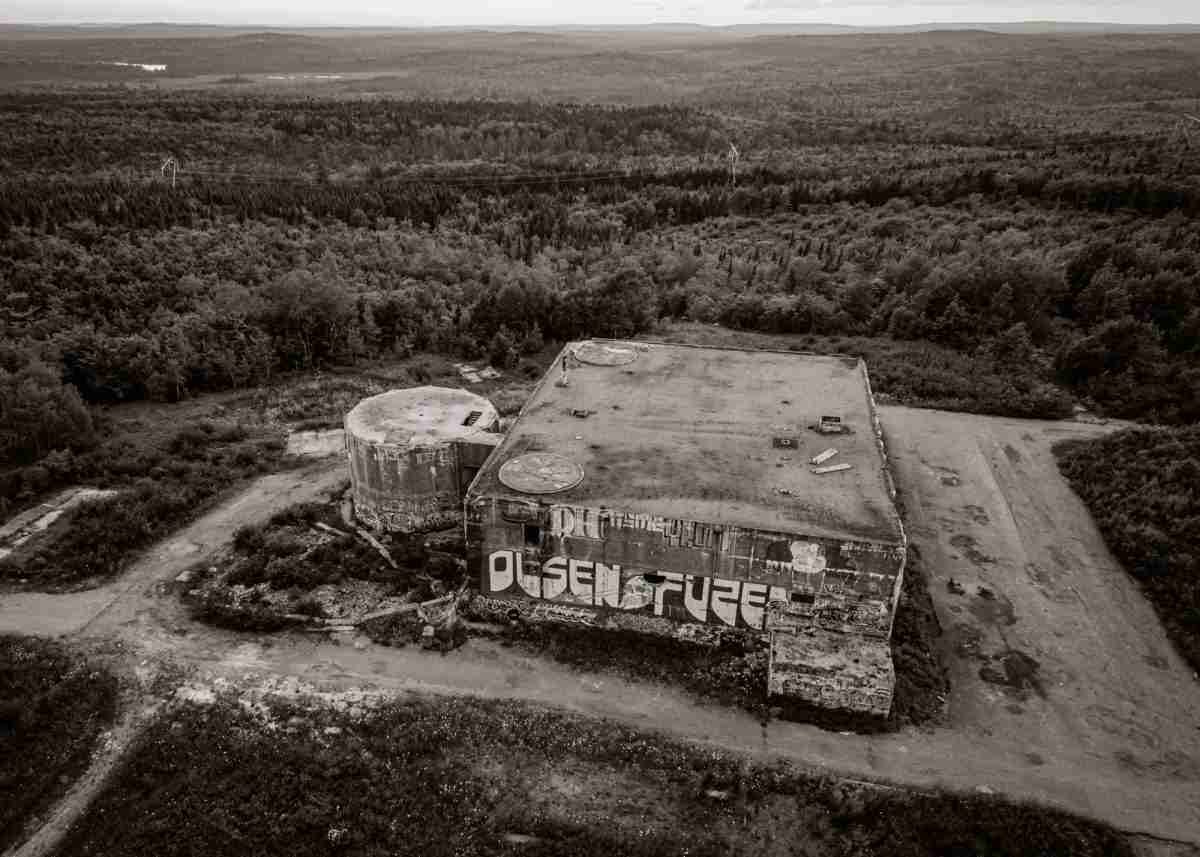
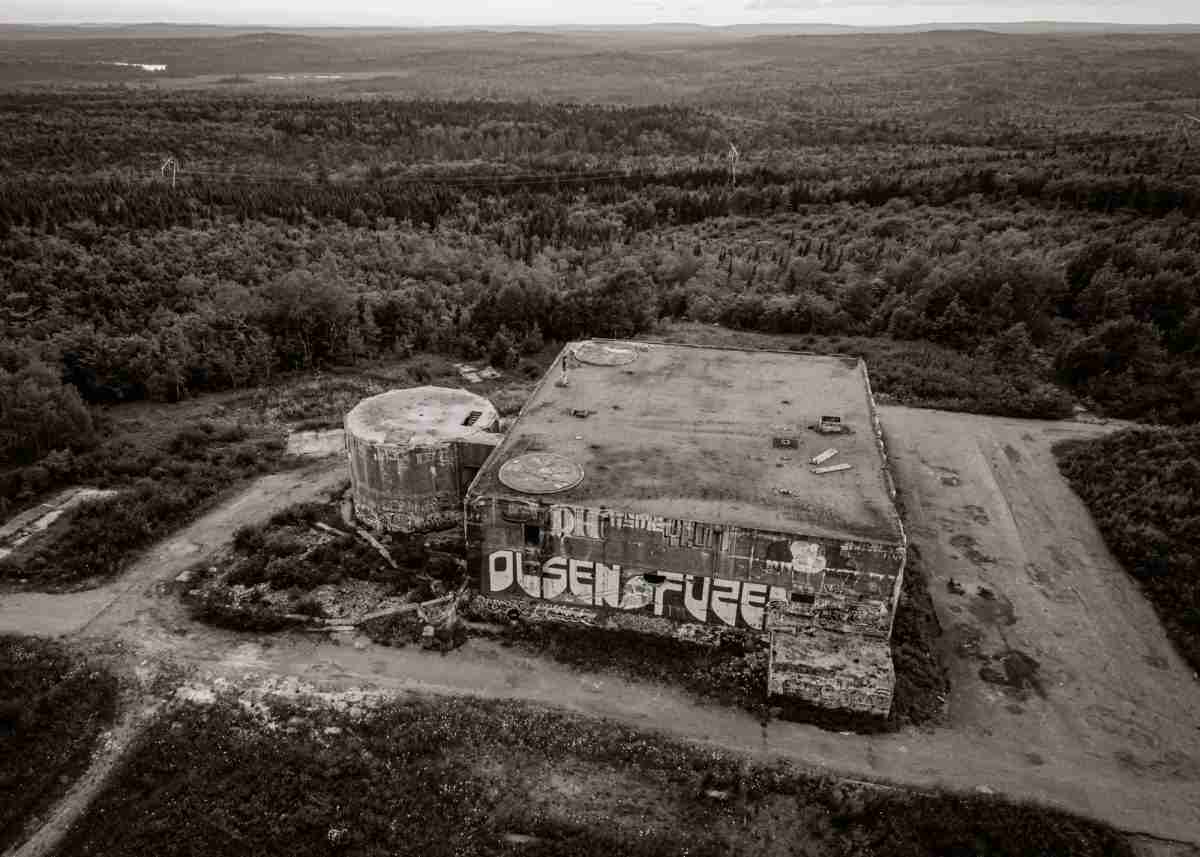
Tucked away in the forests of Beaver Bank, Nova Scotia, the abandoned RCAF Station Beaverbank is a hauntingly atmospheric location for photographers interested in urban exploration, Cold War history, and decaying architecture. Once an integral part of Canada's early warning radar system during the 1950s, this former Royal Canadian Air Force station has long been abandoned, leaving behind crumbling structures, graffiti-covered walls, and nature reclaiming what was once a bustling military installation. The site's eerie, overgrown ruins provide a fascinating setting for photographers looking to capture forgotten history, dramatic light, and moody compositions.
Best Photography Opportunities
• Aerial Views of Abandoned Infrastructure
– Drone photography provides a bird's-eye view of the crumbling buildings, old foundations, and encroaching forest. Capturing the stark contrast between the rigid military layout and the organic spread of trees highlights the passage of time. Experimenting with different altitudes and angles can create varied compositions that showcase both the scale of the base and the intricate details of its decay.
• Nature Reclaiming the Base
– From above, the gradual takeover of the station by trees, moss, and vegetation is striking. Wide aerial shots can showcase how the base is slowly disappearing into the dense Nova Scotian wilderness. Capturing seasonal changes in foliage, such as autumn colors or springtime growth, adds dynamic variation to repeat visits.
• Sunset and Golden Hour Overhead Shots
– The soft, warm tones of golden hour add depth and drama to the abandoned structures. Long shadows cast by the ruins at sunrise or sunset create moody, atmospheric images. Positioning the drone to capture the interplay of fading sunlight with the skeletal remains of the base enhances the emotional impact of the scene.
• Seasonal Transformations
– The site looks dramatically different in each season. Autumn drone shots capture the abandoned base surrounded by fiery fall foliage, while winter provides a stark, desolate contrast with snow-covered ruins. In spring and summer, the lush greenery creeping over the concrete further emphasizes nature's reclamation of the site.
• Minimalist and Abstract Compositions
– Close-up aerial shots of specific structures, roads, or overgrown areas can create unique, almost abstract images. The contrast between man-made geometry and the randomness of nature makes for compelling compositions. By adjusting the drone's altitude and rotating the camera to emphasize lines, textures, and symmetry, photographers can create artistic and unexpected perspectives.
• Foggy and Overcast Conditions
– Low-hanging mist adds an eerie quality to the scene, enhancing the sense of mystery and abandonment. Flying a drone through fog can create surreal, cinematic footage of the decaying remains appearing and disappearing in the mist. Capturing the base partially obscured by fog adds depth and a sense of time-worn isolation to the images.
Best Time to Visit
The best time to capture aerial shots of RCAF Station Beaverbank is during sunrise or sunset when the lighting adds depth and contrast to the ruins. Autumn offers the most striking color contrast as the abandoned structures are surrounded by vibrant foliage. Winter provides a bleak, almost monochromatic look that emphasizes the desolation of the site. Overcast and foggy conditions can add to the mystery, making the ruins look even more isolated and forgotten.
How to Get There
RCAF Station Beaverbank is located off Beaver Bank Road, about 30 minutes from downtown Halifax. As the site is on private property, ground access is restricted, and visitors should not attempt to enter the location illegally. Drone photographers can launch from public areas outside the property boundary to capture aerial shots while respecting privacy and regulations. Checking local drone laws and obtaining any necessary permissions is advised before flying.
Exploring RCAF Station Beaverbank and the Surrounding Area
Although ground access to the base is not permitted, the surrounding region offers excellent nature and landscape photography opportunities. The forests around Beaver Bank provide rich textures and seasonal beauty, while nearby lakes and trails allow for additional outdoor photography. Capturing the contrast between the untouched wilderness and the remnants of the Cold War era through aerial photography tells a compelling visual story.
Nearby Photography Locations
– A serene natural area with wooded trails, a quiet lake, and beautiful seasonal colors, perfect for landscape and wildlife photography. The reflective waters provide excellent compositions during sunrise and sunset, and the park's dense tree cover makes it a great location for capturing dappled light filtering through the leaves.
– A short drive away, this park features scenic forested trails, a peaceful lakeshore, and campsites, making it a great location for capturing Nova Scotia's outdoor beauty. The lake's still waters provide excellent opportunities for reflection photography, while the changing foliage throughout the year adds diversity to compositions.
• Windsor Junction Train Bridge
– An old railway bridge with stunning views of the water, this location is great for leading-line compositions and long exposure shots of passing trains. The contrast between the industrial structure and the natural landscape around it creates a striking visual juxtaposition.
• Bedford Basin Lookout
– For those interested in contrasting urban and natural scenery, this vantage point provides sweeping views of Halifax's harbor, with sailboats, bridges, and city lights creating striking compositions. During blue hour, the soft glow of city lights reflecting on the water adds a dreamy quality to images.
– If exploring more of Nova Scotia's abandoned or historical sites, this lighthouse—the oldest surviving lighthouse in North America—offers stunning coastal views and rich maritime history. The rocky coastline and crashing waves make for dynamic long-exposure shots, and the lighthouse itself serves as an iconic focal point for compositions.
Comments
Loading comments…