
At the heart of downtown Ottawa, ByWard Market is a vibrant urban photography destination known for its sensory richness, visual diversity, and constant motion. One of the city's oldest and most historic public markets, it offers a dynamic blend of outdoor produce stalls, artisanal shops, local cafés, and bold street art, all within a walkable core. The architecture here ranges from 19th-century market halls to glassy storefronts and mural-covered alleyways, offering endless visual contrast. Whether you're shooting early morning deliveries, golden hour portraits, or nighttime market life, ByWard Market rewards photographers with its layered textures and human energy.
The market is particularly photogenic in the warmer months when vendors spill out into the streets and patios buzz with activity. But even in winter, the market transforms into a cozy hub of lights, holiday installations, and steamy storefronts—a perfect backdrop for street photography or architectural compositions with atmosphere.
Best Photography Opportunities
• Outdoor Market Stalls and Morning Light
The best time to capture the outdoor stalls is early in the morning when vendors are setting up and the light is soft. Produce displays, flower arrangements, and colorful awnings create rich compositions. Look for repetition, symmetry, and human interaction. Side light enhances texture in fruits and vegetables, and a shallow depth of field allows for vibrant, storytelling detail shots. Capture the daily rhythm of the market as it comes to life, with carts rolling in and stall owners arranging their goods with care. This is also a great time to experiment with handheld shooting and motion blur as the energy of the day begins.
• Street Art and Murals in Hidden Alleys
ByWard Market is filled with expressive street art—from full-building murals to small stencil works tucked into brick walls. Walk the side streets and back lanes to discover these pockets of color. Use a wide lens to incorporate the mural within its urban context or go tight on detail to play with abstraction. These murals also make striking backdrops for environmental portraits. Some of the art changes over time, so documenting the evolution of the scene can become a long-term photo project. Murals often play with scale, so look for ways to frame passersby against the art to enhance its impact.
• Vendor Portraits and Street Scenes
The character of the market comes to life through the people who inhabit it. Street performers, bakers, florists, and passing locals all provide candid or posed photographic opportunities. Build trust with vendors and capture them at work, or document the crowd flow using layered street photography techniques. A 35mm or 50mm lens is perfect for immersing yourself without overwhelming the scene. Market regulars offer authentic expressions and rich storytelling potential. Don't shy away from photographing the quiet moments—vendors checking their phones, taking a break, or chatting with customers often reveal more than staged interactions.
• Night Photography and Light Play
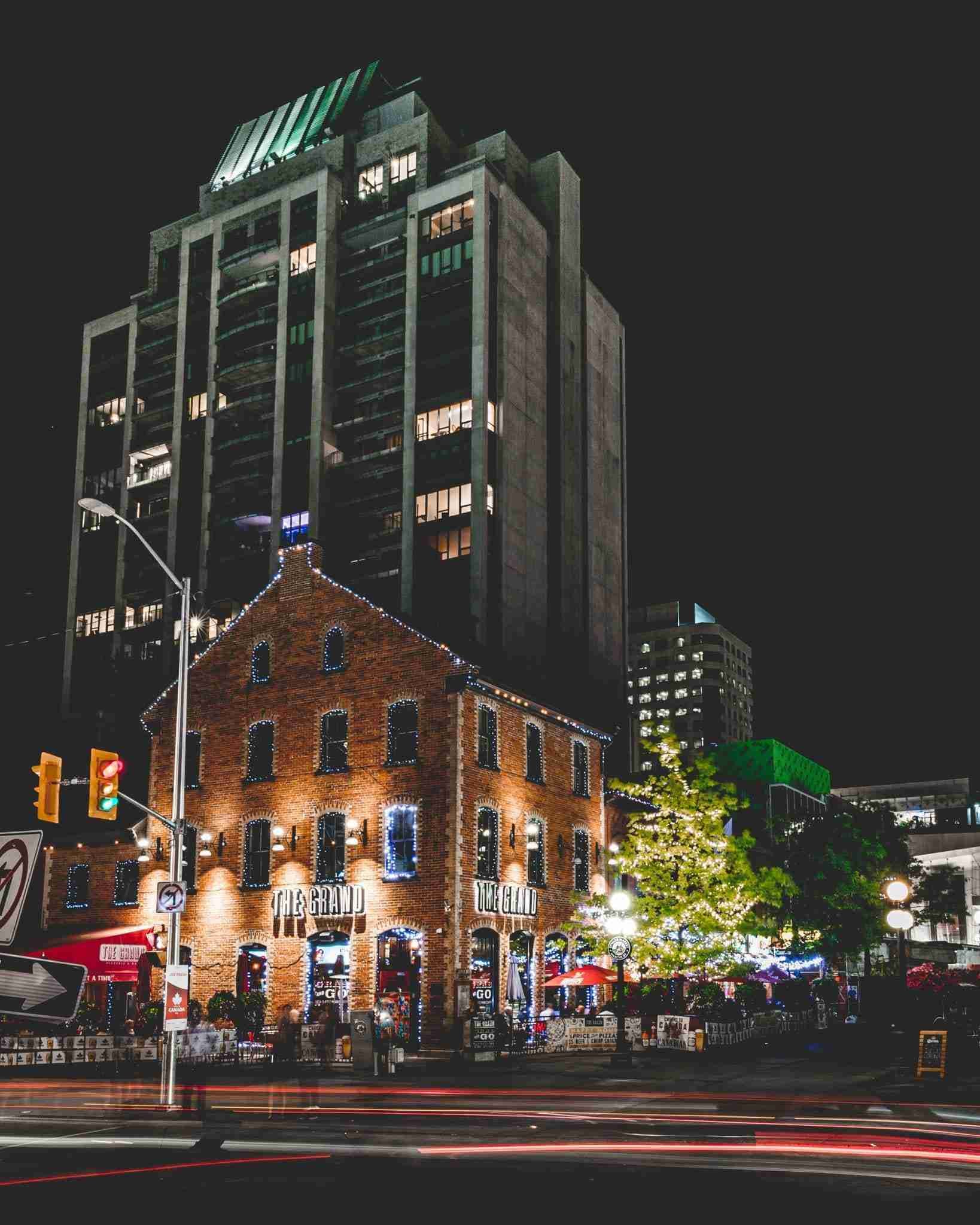
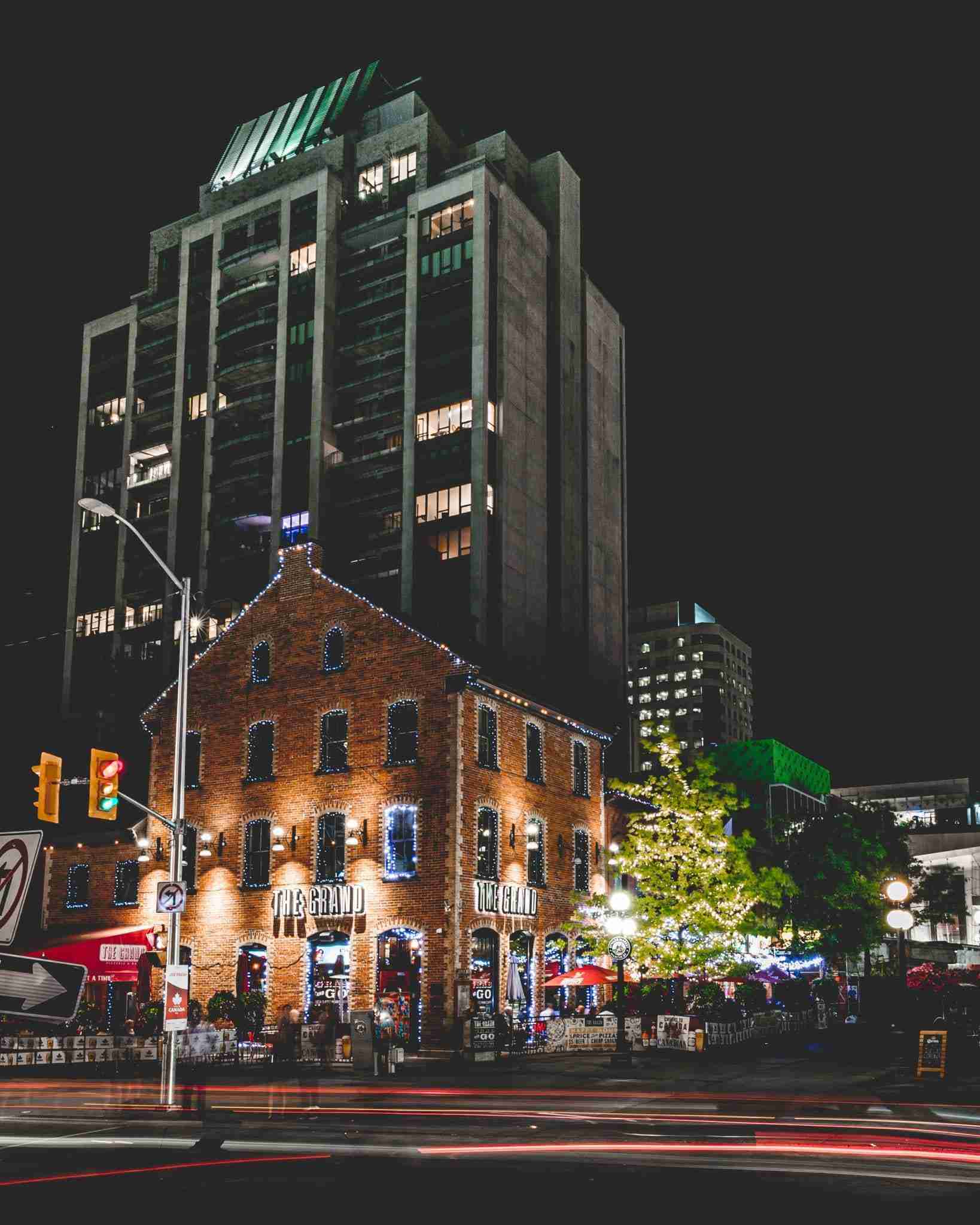
In the evening, the market lights up with string lights, neon signs, and glowing storefronts. Reflections on wet pavement or window glass add dimension and color contrast. The area around the market hall and Clarendon Lane is especially photogenic at night. Use a fast lens and higher ISO to shoot handheld, or bring a tripod for longer exposures and more cinematic compositions. Motion blur from passing pedestrians and streaks of light from passing cars can add movement to static street scenes. Try layering ambient storefront lighting with cooler ambient tones for balanced, dynamic night imagery.
• Architectural Contrast and Historic Details
ByWard blends new and old architecture, from heritage brick buildings to sleek boutique fronts. Look for juxtapositions in materials—glass next to stone, iron balconies over graffiti-tagged alleys. These scenes work well in both color and black-and-white. Overcast skies help reduce glare on windows and highlight texture in old masonry. Architectural details like signage, lampposts, window frames, and cornices help build a sense of place. Consider visiting at different times of day to observe how the light plays across façades and reveals hidden textures and patterns.
Best Time to Visit
The market is alive year-round, but each season offers distinct photographic moods. Spring and summer are best for street scenes and vendor activity, with early morning and late afternoon providing the best natural light. In these seasons, the golden hour casts warm tones over the brick buildings and street stalls, and the longer daylight hours allow for extended shooting sessions. Summer weekends tend to be the most active and vibrant, filled with musicians, performers, and outdoor diners, perfect for dynamic candid photography.
Autumn brings beautiful tones to the tree-lined streets and market produce, making it an ideal season for capturing rich, warm colors in both landscape and detail shots. In winter, festive lighting, snowy sidewalks, and warm storefronts offer atmospheric conditions for moody urban imagery and low-light practice. Nightfall comes early, which is a great opportunity for blue hour shots and experimenting with handheld or tripod-based long exposures.
Early mornings are best for quiet, clean compositions and soft directional light, while late afternoons deliver a golden hue that plays well off warm-toned architecture and market signage. Avoid mid-afternoon if you're looking for subtlety in lighting, though it's still good for vibrant street photography in peak activity. Visiting at different times of day and across the seasons provides a complete portrait of the market's rhythms.
How to Get There
ByWard Market is located in Ottawa's downtown core, just east of Parliament Hill and within walking distance of many other key attractions. Public transit serves the area extensively, and the LRT stops nearby at Rideau Station. For those driving, several public parking lots are located around York Street, Clarence Street, and George Street.
The market is extremely walkable, and many of the best photo spots are in alleys, side streets, or tucked between shopfronts. Wear comfortable shoes, and if you're planning to shoot at night, bring compact gear to remain mobile in busy pedestrian areas.
Recommended Gear and Shooting Tips
A 35mm or 50mm prime lens is perfect for street photography and environmental portraits. These focal lengths offer a natural perspective that keeps you close to the action without distortion, ideal for capturing interaction and mood. A wide-angle (24–35mm) works well for murals and market overviews, particularly in tighter alleyways or to emphasize scale. A short telephoto (85–135mm) is ideal for isolating architectural details or candid moments from a distance, offering a more discreet approach for street scenes.
Bring a fast lens (f/1.8 or wider) for low-light and evening work, especially during the winter months or inside dimly lit shops and restaurants. A tripod is useful for night photography, architectural shots, and capturing long exposures of lit storefronts or traffic trails, but may be impractical during peak hours. A lightweight travel tripod or monopod can help maintain flexibility in crowded environments.
Use a circular polarizer to reduce glare on windows, metal surfaces, or glossy produce, and to bring out color and contrast in foliage or signage. A lens hood will help manage flare when shooting midday or toward storefront lighting. Keep a microfiber cloth on hand, especially in winter or rainy conditions, when lenses can fog or gather condensation quickly.
It's also wise to travel light and dress for mobility—comfortable shoes, a weather-appropriate outfit, and a small, secure camera bag will let you stay flexible and attentive throughout your shoot. Consider keeping a few spare batteries and memory cards accessible, especially if you plan to shoot from sunrise to nightfall.
Nearby Photography Locations
Just a short walk from the market, this elevated park offers stunning views of Parliament Hill, the National Gallery, and the Ottawa River. Great for golden hour landscapes and city skyline backdrops. In spring, cherry blossoms and landscaped gardens add floral accents to wide shots. The park's elevation provides unique vantage points not available at street level.
• Rideau Canal and Locks
The nearby canal provides excellent opportunities for reflections, symmetry, and seasonal scenes—from skating in winter to canoeing in summer. The locks themselves are excellent for structural and historical shots. The changing water levels and boats passing through offer dynamic motion elements, while the surrounding trails make great framing foregrounds.
• Notre-Dame Cathedral Basilica
This towering church across from the National Gallery is perfect for architectural detail photography, especially at blue hour when its spires are dramatically lit. The intricate façade and twin towers are beautifully backlit at sunrise, and interior visits reward with stained glass and vaulted ceiling compositions. Gothic lines and textures lend themselves well to both wide and telephoto compositions.
• Sussex Drive Heritage District
Just northeast of the market, this area is lined with embassies, historic buildings, and well-preserved stone homes. Ideal for clean architectural studies and contrast-rich shadow work. The quiet streets provide a calmer counterbalance to the busyness of the market. Doorways, gardens, and flag details add layers of character to the streetscape.
• Parliament Hill and Confederation Square
A five-minute walk west, these iconic civic spaces are always photogenic—especially early in the morning before the crowds arrive. Capture government architecture, flags, and public life with a documentary approach. At night, the Hill is dramatically lit, making it a prime location for tripod-based architectural shooting. Events, protests, and seasonal displays offer photojournalistic opportunities throughout the year.
Comments
Loading comments…