
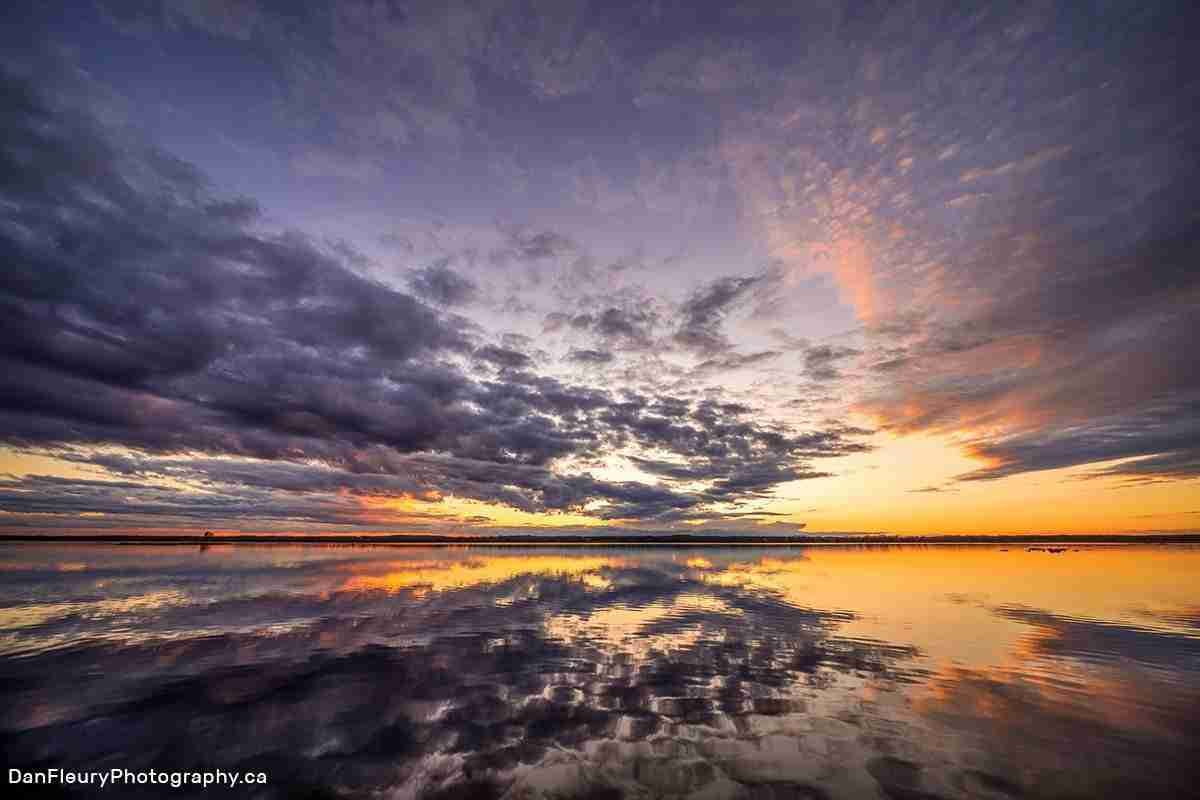
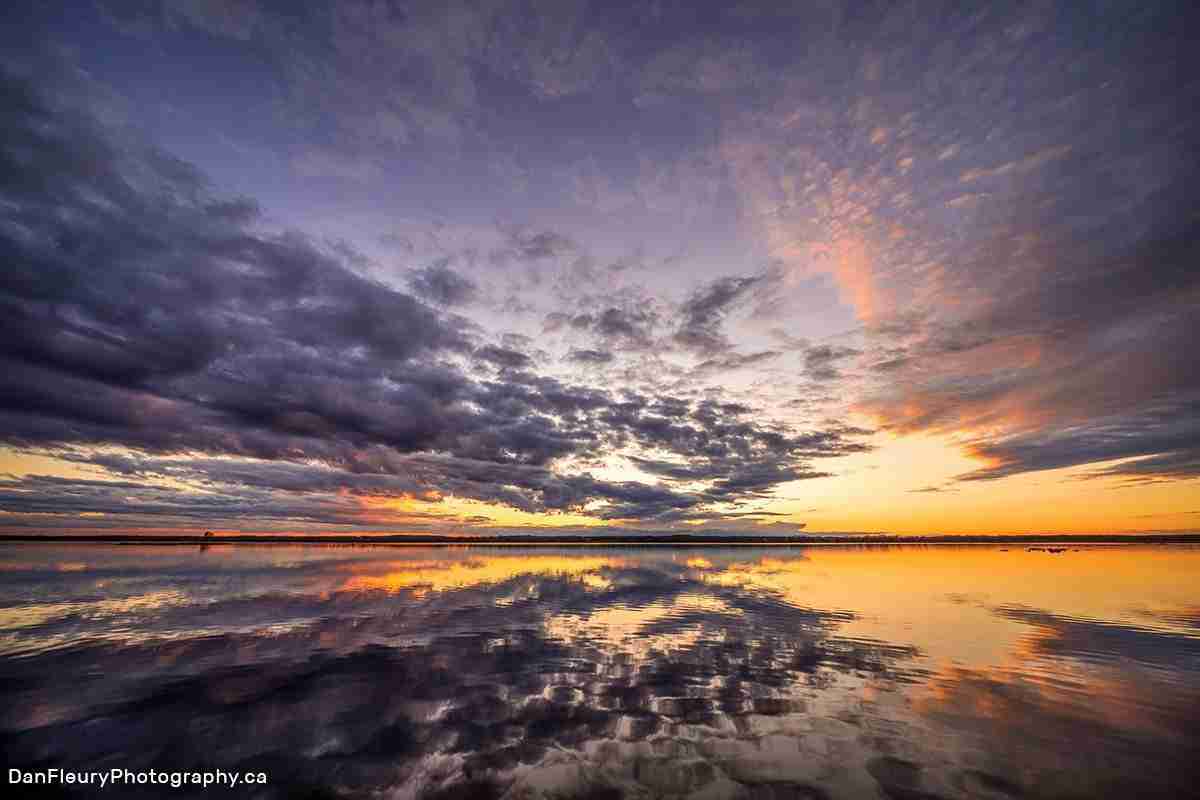
Nestled in the rural landscape of eastern Ontario, Camden Lake Wildlife Area is a hidden gem for photographers seeking untouched wetlands, diverse birdlife, and peaceful lake views. This 700-acre conservation area, located northwest of Kingston, offers a mix of marshes, forests, and open water, making it a prime location for landscape, wildlife, and bird photography. With its ever-changing seasonal scenery and quiet seclusion, Camden Lake Wildlife Area provides an immersive experience for nature photographers looking to capture Ontario's wilderness at its finest.
Best Photography Opportunities
• Bird Photography in the Wetlands
– Camden Lake Wildlife Area is a hotspot for birdwatching, with species such as herons, osprey, and waterfowl frequenting the wetlands. The shallow waters and marshy shoreline create excellent conditions for capturing birds in flight or wading through the reeds. A telephoto lens is recommended to get detailed shots without disturbing the natural habitat, and patience is key to photographing birds in their most natural behaviors.
• Sunrise and Sunset Over Camden Lake
– The expansive, open waters of Camden Lake provide breathtaking sunrise and sunset views. The sky's warm tones reflecting off the water create stunning compositions, while silhouettes of reeds and distant tree lines add layers of depth. Using a wide-angle lens can enhance the grandeur of the scene, while a long-exposure technique smooths the water's surface for a dreamlike effect.
• Moody Mist and Early Morning Reflections
– Cool mornings often bring low-hanging mist over the lake, creating an ethereal, soft-lit atmosphere perfect for dramatic landscape photography. The still water enhances mirror-like reflections of the sky and shoreline trees, offering countless opportunities for symmetrical compositions. Adjusting exposure compensation slightly downward can preserve the delicate contrast between the mist and the darker landscape elements.
• Wildlife and Mammal Photography
– Beyond its birdlife, Camden Lake Wildlife Area is home to beavers, deer, and small mammals that thrive in its diverse ecosystem. Photographers looking for these subjects should move quietly along the trails and shoreline, using a zoom lens to capture natural interactions without intrusion. Sunrise and dusk are the best times to spot wildlife, as animals are more active during these hours.
• Macro Photography of Flora and Insects
– The wetland ecosystem provides a fascinating array of plant life and insects, including dragonflies, butterflies, and wildflowers. A macro lens can capture the intricate details of dew-covered spiderwebs, blooming aquatic plants, or the iridescent wings of insects. Playing with different angles and backlighting can enhance texture and contrast, making these small details stand out.
• Seasonal Transitions and Ice Formations
– Each season brings a new look to Camden Lake, from lush green marshes in summer to fiery foliage in autumn. Winter transforms the area into a frozen wonderland, with ice formations along the shoreline and frost-covered reeds creating minimalist, high-contrast compositions. A monochrome approach can emphasize the stark beauty of winter scenes, while using a higher shutter speed helps capture delicate ice textures in sharp detail.
Best Time to Visit
The best time to visit Camden Lake Wildlife Area depends on the type of photography you're after. Spring and early summer are ideal for bird and wildlife photography, as migratory species return and the wetlands come alive with activity. The dense greenery provides a vibrant backdrop, while the longer daylight hours allow for extended shooting opportunities.
Autumn offers a breathtaking mix of golden foliage and misty mornings, making it the best season for atmospheric landscape photography. The crisp air and lower humidity create ideal conditions for sharp, clear images, and the reflections of red and orange trees in the still water add warmth to compositions.
Winter presents a more minimalist aesthetic, with frozen landscapes and stark contrasts between ice and sky. The subdued color palette works well for moody, high-contrast photography, while snow-covered marshes provide opportunities for unique compositions. Regardless of the season, early mornings and late evenings offer the best lighting conditions, with golden-hour hues enhancing the textures and tones of the natural environment.
How to Get There
Camden Lake Wildlife Area is located northwest of Kingston, Ontario, near the small community of Centreville. From Kingston, the drive takes approximately 40 minutes via Highway 401 and County Road 4. The area is accessible by backroads, so using GPS or offline maps is recommended for navigation.
There is a small parking area near the entrance, with walking trails leading to different vantage points around the lake and marshlands. Some sections of the trails can be muddy, especially in spring, so waterproof boots are advisable. The conservation area is largely undeveloped, which adds to its natural charm but also means that photographers should be prepared with extra batteries, water, and insect repellent during warmer months.
Exploring Camden Lake Wildlife Area and the Surrounding Area
Beyond the lake itself, the surrounding marshlands and forests offer endless opportunities for nature photography. The dense tree lines create beautiful framing elements for wide-angle landscape shots, while the smaller inlets and wetland patches serve as intimate, detail-rich compositions. The trails wind through different ecosystems, revealing subtle changes in vegetation and wildlife activity throughout the year.
Photographers who enjoy capturing the contrast between water and land will find plenty of inspiration in the interplay of reeds, fallen logs, and reflective pools. For a different perspective, using a canoe or kayak allows access to quieter corners of the lake, where the stillness amplifies the beauty of the natural surroundings. The isolation of the area ensures a peaceful experience, making it a perfect location for those looking to immerse themselves in Ontario's wild landscapes.
Nearby Photography Locations
– Located about 30 minutes north of Camden Lake, this designated dark-sky preserve offers unparalleled astrophotography opportunities. With minimal light pollution, it is an ideal spot for capturing the Milky Way, star trails, and long-exposure nightscapes with silhouetted treelines.
– A short drive to Napanee provides access to the scenic Napanee River, where cascading waterfalls, charming footbridges, and historic mill ruins create diverse photographic subjects. Long-exposure photography of the river's gentle flow can add a soft, ethereal quality to images.
– This lesser-known provincial park offers dense forests, winding trails, and tranquil ponds that provide excellent opportunities for landscape and macro photography. The shifting light through the tree canopy creates dramatic contrast, making it a rewarding destination year-round.
• Hay Bay
– A scenic spot along the Bay of Quinte, Hay Bay is known for its expansive water views and historic significance. The area is particularly stunning at sunrise, with the open horizon providing unobstructed views of the first light breaking over the water.
– Located about an hour east, Frontenac Park is a haven for backcountry photography, featuring rugged Canadian Shield terrain, deep lakes, and secluded forest trails. The park's diverse ecosystems provide a mix of landscape, wildlife, and seasonal compositions that change dramatically throughout the year.
With its tranquil wetlands, abundant wildlife, and stunning seasonal landscapes, Camden Lake Wildlife Area is a must-visit for photographers looking to capture Ontario's natural beauty. Whether focusing on bird photography, misty morning reflections, or the stark beauty of winter ice formations, this quiet conservation area offers endless inspiration in every season.
Comments
Loading comments…