
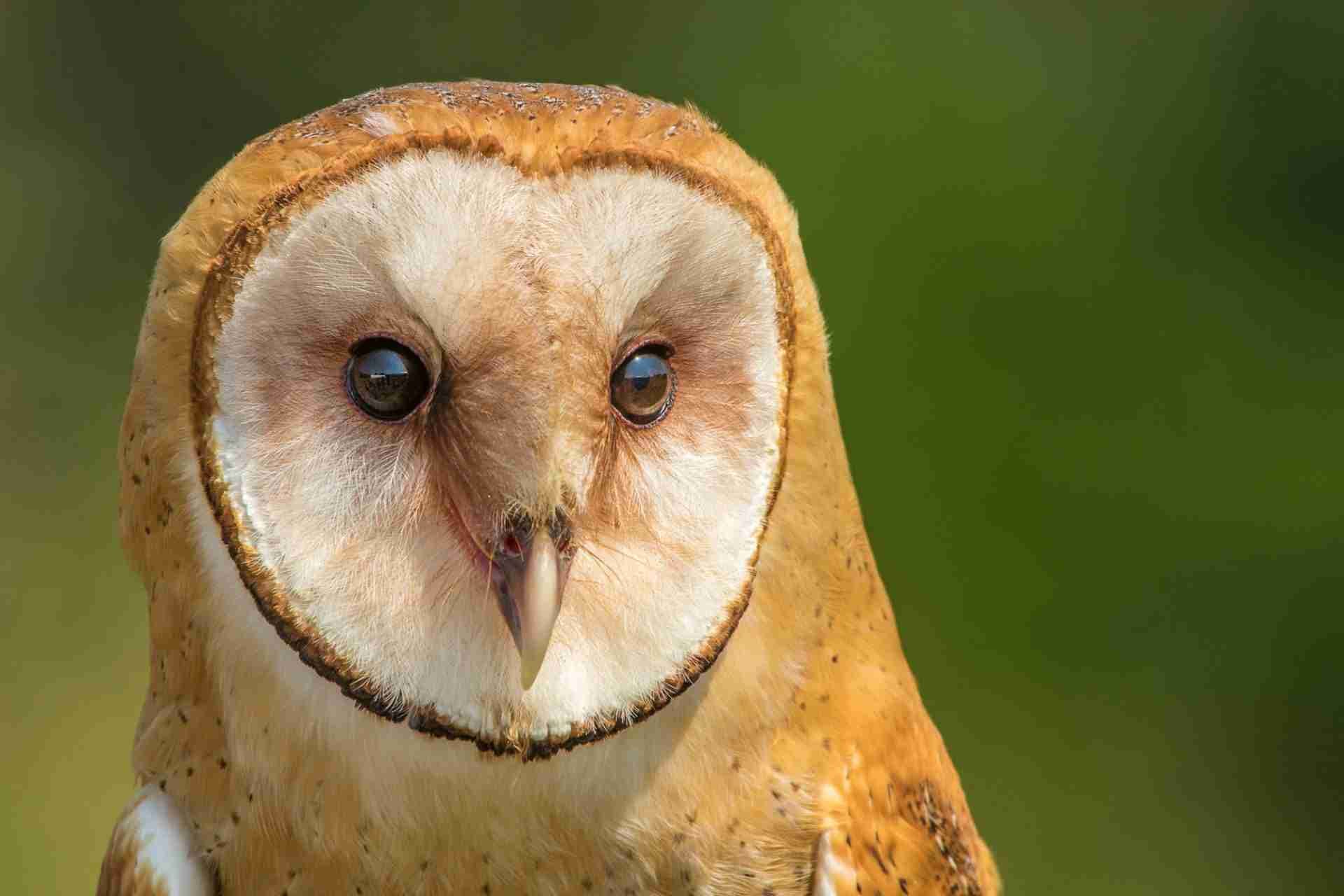
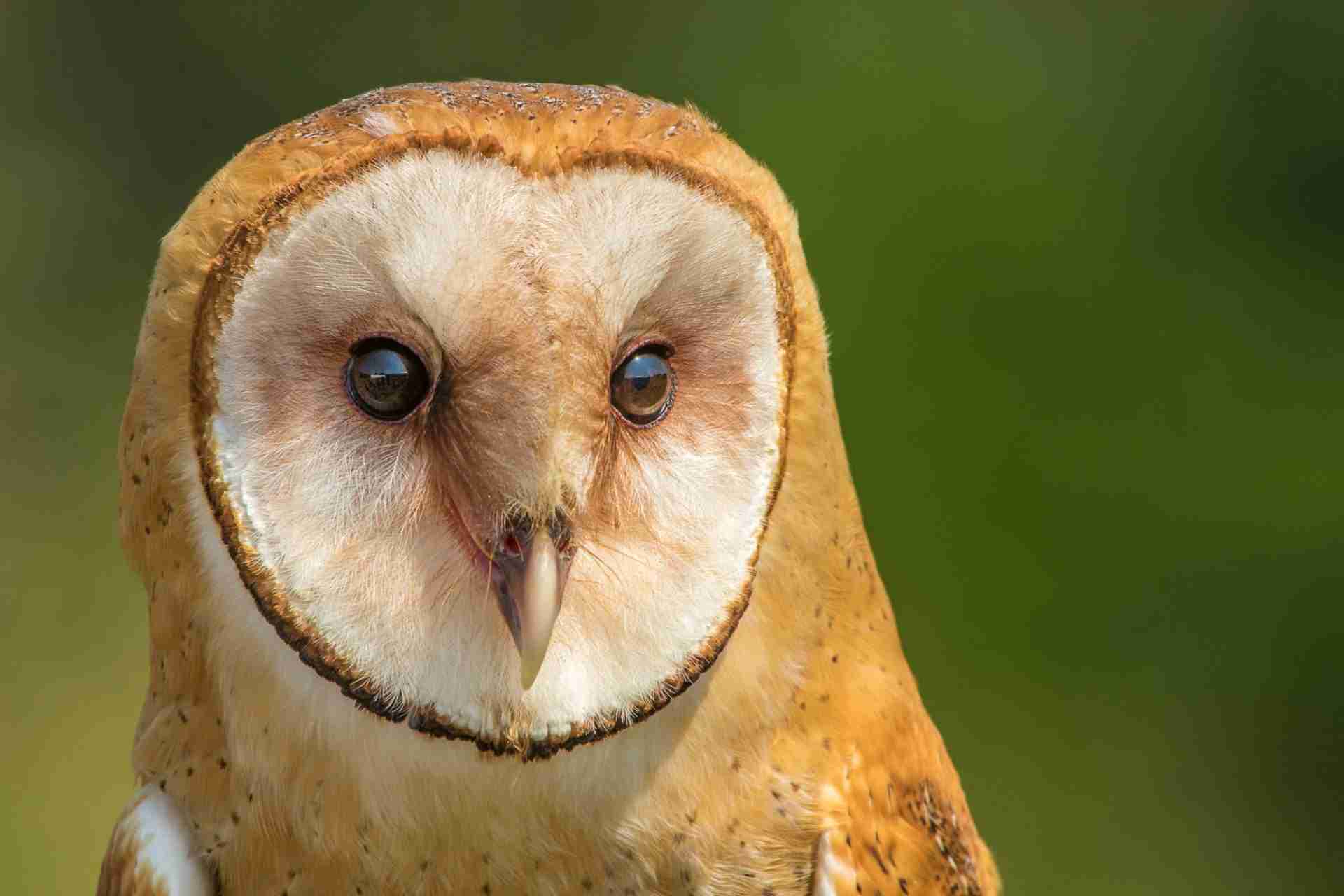
Tucked into the countryside near Vittoria, Ontario, the Canadian Raptor Conservancy offers a rare blend of dynamic wildlife action and intimate portraiture opportunities—all within an environment dedicated to education, conservation, and the ethical treatment of birds of prey. Unlike traditional wildlife encounters that rely on long lenses and distant sightings, this facility creates structured opportunities for photographers to capture eagles, owls, falcons, and hawks at close range. Whether perched in naturalistic enclosures or soaring during scheduled flight demonstrations, these birds present an unrivaled chance to explore power, grace, and anatomical precision through the lens. For photographers who value both image quality and conservation ethics, this conservancy is more than a location—it's a workshop in motion, light, and awareness.
Best Photography Opportunities
• Flight Demonstrations and Action Sequences
: One of the most popular draws for photographers is the Conservancy's flying sessions, where trained raptors soar across open clearings or between perches. These events allow for dramatic shots of birds in full motion—wings fully extended, eyes locked, talons outstretched. Use a telephoto zoom (100–400mm or 70–200mm with extender) to track birds in flight and freeze their movement with shutter speeds of 1/2000s or faster. These sessions usually occur at close range, allowing for high-resolution action shots without the extreme distance required in wild settings. Position yourself where the background remains uncluttered—tall grass, sky, or woodland edges all enhance the subject without distraction.
• Perch Portraits with Naturalistic Backdrops
: Between flights, many raptors are displayed on carefully positioned perches that replicate natural settings. These opportunities are ideal for more contemplative portraiture—tight shots that capture feather detail, the glint of an eye, or the curve of a beak. A standard zoom (24–70mm) or a short telephoto prime (85mm to 135mm) is excellent for controlled-depth work here. Consider side or backlighting during late afternoon to highlight plumage texture, and always aim for eye-level compositions when possible to enhance connection and presence.
• Close-Up Studies of Talons, Beaks, and Feathers
: With birds remaining stationary at various intervals, you can switch to tighter focal lengths to capture macro-style details—scaling on talons, feather layering on wingtips, or the serrated edge of a hawk's beak. These shots benefit from lower apertures (f/2.8 to f/4) to isolate structure and draw focus to the physical tools that define each species' hunting specialization. Use burst mode with single-point autofocus to maintain sharpness on your chosen feature, and avoid flash to respect the animals' sensitivity.
• Owl Photography Under Canopy Light
: Owls are frequently showcased in shaded forest sections, allowing for rich contrast and subdued light conditions. These are best photographed with fast primes or stabilized zooms that can handle lower shutter speeds without sacrificing detail. Capture the hypnotic symmetry of a staring owl by composing tightly from the front or at a ¾ angle to include wing or feather framing. Early morning sessions often provide the best ambient lighting, with fewer contrast spikes from overhead sunlight.
• Natural Behavior and Educational Demonstrations
: During private photography workshops or smaller group events, the Conservancy may stage birds in more natural settings—perched on stumps, low branches, or beside brush-covered clearings. These moments allow you to photograph natural raptor behavior, such as wing stretching, head swiveling, and preening, in context. Use wider focal lengths (35–50mm) to include habitat, and consider black-and-white conversions when shooting in challenging midday light, as it emphasizes form and contrast.
Best Time to Visit
The Conservancy operates year-round, but spring through fall offers the most flexible lighting and comfortable conditions for outdoor shooting. The best time of day for photography is mid-morning to early afternoon, which aligns with scheduled flying sessions while offering directional natural light without harsh midday overhead glare.
Autumn is especially photogenic, with fall foliage providing rich background color and contrast for raptors in flight. Summer brings lush greenery and warm tones, though heat shimmer can affect clarity during telephoto shooting. In spring, birds are often more active as part of breeding displays, offering unique behavioral frames.
Winter sessions are limited, and although some programming continues, shooting in colder weather requires preparedness for snow glare and gear protection. Regardless of season, book private sessions or workshops for the best access and lowest crowd interference, particularly if you're shooting with tripods or multiple lens setups.
How to Get There
The Canadian Raptor Conservancy is located in Vittoria, Ontario, within Norfolk County's rural landscape. From Toronto, the drive takes approximately two and a half hours. Head west along Highway 403, then south through Simcoe via Highway 24 and Regional Road 1. The conservancy is situated just west of Port Dover and south of Delhi, and the final stretch includes well-marked rural roads.
On-site parking is available, and the grounds are primarily accessible by gravel pathways. Most flight demonstrations and viewing areas are held outdoors in open clearings or forested borders. Bookings for photography events or private sessions must be made in advance, and additional fees apply depending on the format of your visit. There is no walk-in photography access; all shoots are part of guided experiences or pre-arranged demonstrations.
Photographers are expected to follow guidelines that prioritize the comfort and safety of the birds, which includes maintaining distance, using only natural light, and refraining from abrupt movements or sounds during flights.
Recommended Gear and Shooting Tips
A fast telephoto zoom (70–200mm or 100–400mm) is your primary tool for action shots, while a second body with a 24–70mm or 85mm prime is ideal for perched portraits and tight facial studies. Bring a monopod or compact tripod with a gimbal head for long sessions—particularly useful during repetitive flight routines or lower light conditions.
Shoot in manual or shutter-priority mode to lock in high shutter speeds when photographing in-flight movement. For static shots, switch to aperture-priority and isolate subjects at wider apertures (f/2.8–f/5.6) to soften the background. Use burst mode for sequences and focus tracking to stay locked onto a moving bird.
Bring extra batteries, lens cloths, and weather-appropriate gear—sessions can run several hours outdoors in varying conditions. Avoid using flash or focus assist beams, which can stress or distract the animals. If you're participating in a group shoot, be mindful of angles and avoid stepping into another photographer's line of sight.
Above all, patience and timing are critical. Learn the birds' behavior and flight patterns during early sessions so you can anticipate where the best moments will unfold. Sharpness and timing matter more than quantity—wait for the wing flare, the stare, the moment of lift-off.
Nearby Photography Locations
: Just a short drive from the Conservancy, this park offers forest trails, historic buildings, and seasonal wetlands. It's a good stop for nature detail, macro, or landscape shots in a quiet, controlled setting.
: A UNESCO Biosphere Reserve along Lake Erie, Long Point is ideal for bird photography—particularly migratory species in spring and fall. Marshland backdrops and open dunes offer wide compositional variety.
This scenic trail connects Port Dover to Simcoe through shaded woodland and riverbanks, with several bridges and ravine viewpoints that work well for portraiture or landscape sessions during golden hour.
: A more open shooting environment, Turkey Point combines beach scenes with cliffside lookout areas and hiking trails. Ideal for dramatic skies, lake reflections, and golden hour silhouettes.
• Port Ryerse and Fisher's Glen
: These quiet hamlets near Lake Erie feature heritage piers, driftwood-covered beaches, and hidden bays. Excellent for minimalist seascapes or long exposures on calm evenings.
The Canadian Raptor Conservancy invites photographers into a world where strength, precision, and wildness still take flight—but within an environment grounded in conservation and care. With each shutter click, you're not only capturing a subject but contributing to a deeper appreciation of these extraordinary birds and their role in the natural world.
Comments
Loading comments…