
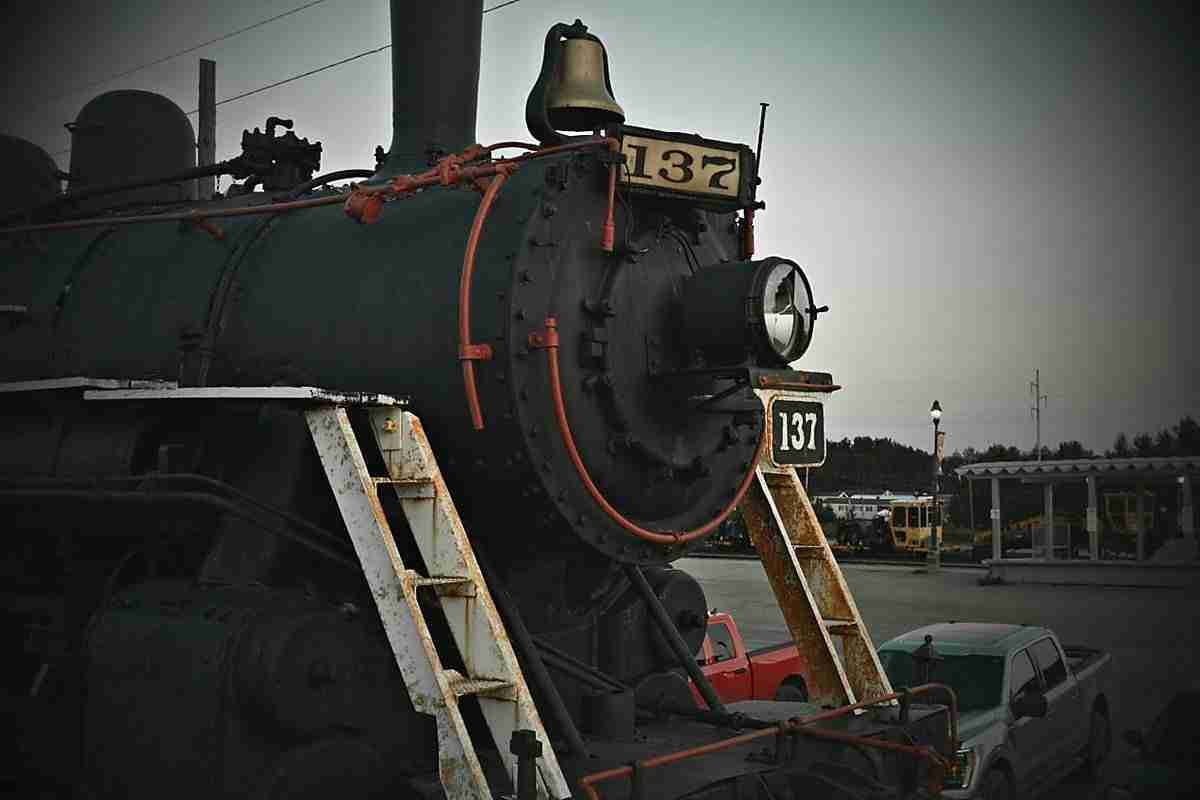
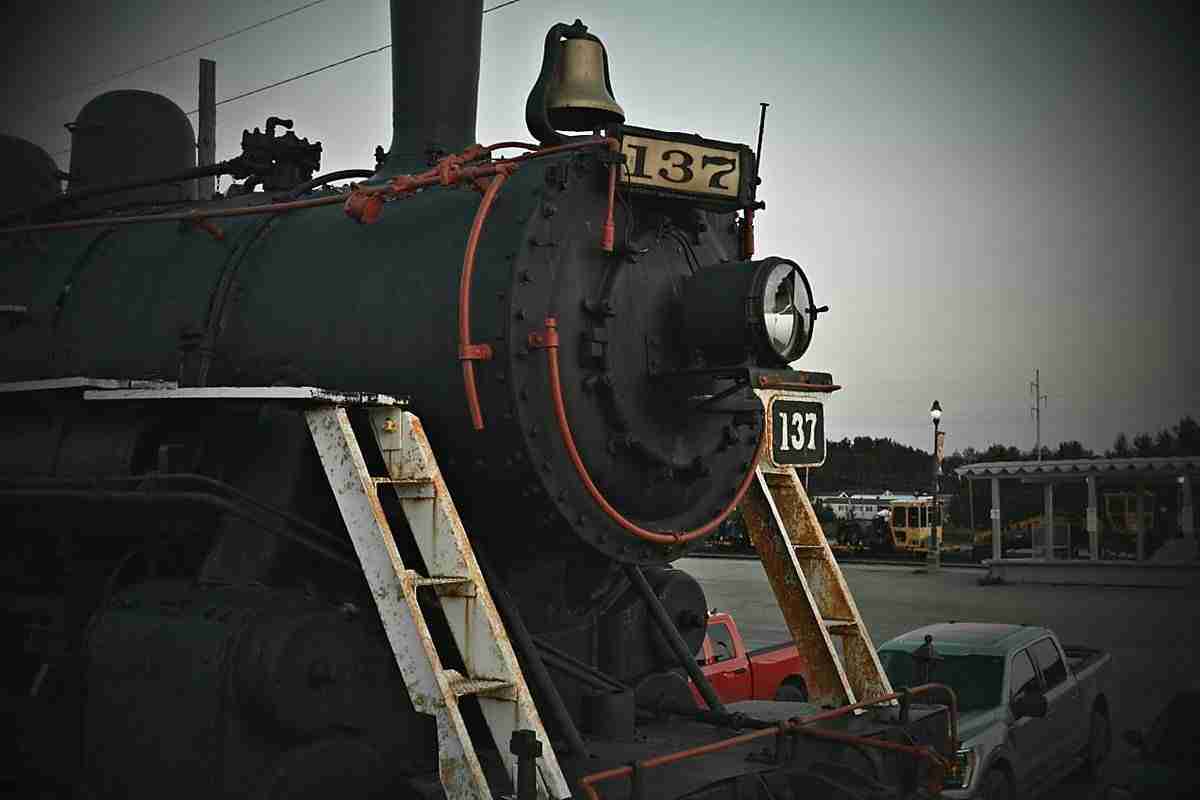
In the heart of Cochrane, Ontario, the Cochrane Railway & Pioneer Museum offers a richly textured setting where Canada's industrial past meets the rustic resilience of its northern frontier. This open-air museum is a haven for photographers drawn to vintage locomotives, pioneer artifacts, and the raw materials of history. Centered around a compelling collection of historic trains—including a classic steam engine—the museum weaves together the mechanical and the domestic, telling the story of early life in Ontario's north through both iron and wood. With broad access, atmospheric displays, and plenty of space for thoughtful composition, this location invites photographers to step into a past where railways shaped entire communities.
Best Photography Opportunities
• Steam Locomotive and Railcar Portraits
The museum's centerpiece is its collection of restored and weathered locomotives, many of which retain original detailing such as riveted steel, brass fixtures, and classic Canadian railway insignia. Use a wide-angle lens (16–35mm) to capture the front-facing power of the engines, emphasizing their symmetry and scale. Alternatively, a mid-telephoto lens (70–200mm) allows you to isolate specific features—exhaust stacks, drive wheels, headlamps—for tightly framed compositions. Early morning or late afternoon light will cast deep shadows along the locomotive's curves, enhancing the dimensionality and drama of your image.
• Cab Interiors and Mechanical Detail
Step inside the engineer's cab where levers, gauges, and worn wooden seats tell the story of a working railway life. These confined spaces are ideal for close-up and low-light photography. Use a 35mm or 50mm prime lens to shoot handheld in tight quarters and highlight the contrast between the mechanical complexity and the patina of time. Capture rusted textures, worn throttle controls, and window reflections to create a sense of presence and age. Side lighting, particularly in the late afternoon, helps emphasize shape and shadow within the enclosed space.
• Pioneer Tools and Domestic Artifacts
Beyond the trains, the museum's collection includes tools, furniture, and daily items used by early settlers in the region. These are displayed within small outbuildings or open sheds, where rough-hewn wood, iron implements, and antique furnishings offer a quieter kind of subject matter. Photograph these items in soft, indirect light using a shallow depth of field (f/2.8–f/4) to create intimate studies of surface wear and tactile history. Focus on combinations that tell visual stories—a hand-forged axe beside a wood stove, or ceramic jugs resting on a weathered table.
• Industrial-Natural Contrast in the Yard
One of the most distinctive aspects of this museum is its setting—vintage trains and pioneer buildings nestled among trees, grass, and open sky. This contrast between industrial heritage and the surrounding boreal landscape allows for creative juxtapositions. Frame a locomotive against a backdrop of tall spruce, or let rusted steel blur into a summer meadow. During golden hour, use backlight to silhouette machinery and tools against the setting sun. A polarizer can help manage sky reflections on metal surfaces and deepen the natural blues and greens in the frame.
• Textures and Weathered Surfaces
The museum is full of visual texture—from flaking paint and rusted bolts to cracked leather and sun-bleached wood. These make for excellent studies in contrast and surface, especially when shot up close. Use a macro lens or extension tubes to explore these elements in detail. Rust blooming along a bolt, paint worn thin on a wheel rim, or dust caught in the threads of an old uniform tells a story without needing a human subject. On overcast days, the diffused light is perfect for capturing these textures evenly and without glare.
Best Time to Visit
The museum is open seasonally from late spring through early fall, and each part of that window brings a different photographic character. Late spring (May to early June) offers bright, crisp light and blooming vegetation that complements the darker hues of the railcars and tools. Summer delivers the richest color palette, with deep greens, vibrant skies, and long daylight hours. Early morning is best for solitude and directional light that highlights surface detail.
Autumn is the most visually atmospheric season, particularly in late September and October. The rust tones of fallen leaves mirror the iron and patina of the trains, and golden light filters through thinning trees to produce dynamic contrast and mood. The grounds are especially striking after rain or on misty mornings, when wet surfaces deepen color and texture.
While the museum is not open during winter, photographers visiting the exterior in the off-season will find snow-covered equipment and silent rail lines ideal for minimalist compositions and monochrome treatments. Early morning and late afternoon remain the best times for lighting, with shadows that sculpt both machinery and surrounding terrain.
How to Get There
The Cochrane Railway & Pioneer Museum is located at 200 Railway Street in Cochrane, Ontario, directly adjacent to the Ontario Northland train station. If arriving by train on the Polar Bear Express from Moosonee or Cochrane's southern connections, the museum is within walking distance of the station. By car, Cochrane is accessible via Highway 11, with clear signage leading into the downtown core and museum grounds. On-site parking is available, with easy access to the open-air exhibits.
The museum operates seasonally, typically from late spring through early fall. Admission fees are modest and contribute to the upkeep of the collection. Photographers should confirm open hours in advance, particularly if planning an early morning shoot. Tripods are welcome outdoors, and interior shooting is permitted in designated exhibit areas—respect posted signage and avoid touching artifacts.
Recommended Photography Gear
To capture the diversity of subjects at the Cochrane Railway & Pioneer Museum, bring a kit suited to both wide-scale scenes and fine mechanical detail. A wide-angle lens (16–35mm) is essential for full train shots, environmental compositions, and storytelling images that incorporate architecture and sky. A standard zoom (24–70mm) provides excellent flexibility across lighting conditions, particularly when moving between indoor and outdoor settings.
A fast 50mm or 85mm prime excels at shallow-depth portraits of mechanical or pioneer artifacts. For macro work, a 90–105mm macro or extension tubes will allow you to focus on surface textures and small fittings. A tripod is recommended for long exposures inside darker railcars or buildings, and ND filters can be used creatively during golden hour to slow shutter speeds and soften natural light.
A circular polarizer is helpful for managing reflections on metal, glass, and painted surfaces. A lens hood and microfiber cloth are essential for handling dust and glare. For comfort and mobility, a small shoulder bag or modular belt system is more efficient than a large backpack—particularly when navigating narrow passages inside the railcars.
Nearby Photography Locations
• Ontario Northland Railway Station
Just next door to the museum, the operational rail station offers live train movements, industrial textures, and a strong sense of place. Capture passengers, platform signage, and the contrast between modern rail and the museum's historical stock.
A short walk from the museum, this lakeside park provides scenic water reflections, seasonal foliage, and calm views—perfect for balancing gritty industrial work with natural serenity in your photo set.
• Cochrane Polar Bear Statue
Located nearby, this larger-than-life sculpture offers high-impact visual contrast, particularly when framed with town elements or seasonal backgrounds. Great for storytelling or documentary photography with a regional theme.
• Downtown Cochrane Streetscape
Heritage buildings, small-town signage, and quiet street scenes provide a complementary setting for travel photography. Look for warm window light in the evenings and architectural detail during overcast days.
A unique opportunity to photograph live polar bears in a controlled, naturalistic environment. Ideal for wildlife photographers looking to connect their work to the railway and northern frontier themes of the museum.
The Cochrane Railway & Pioneer Museum stands as a tactile, immersive space where the textures of steel and timber tell a living story of Canada's industrial and settlement history. With every bolt, badge, and burnished handrail, photographers are invited to capture the resilience, ingenuity, and everyday life of an era that helped build the country's northern reach. Whether your focus is mechanical detail or environmental storytelling, this site offers a rewarding journey through time, framed by the northern light.
Comments
Loading comments…