
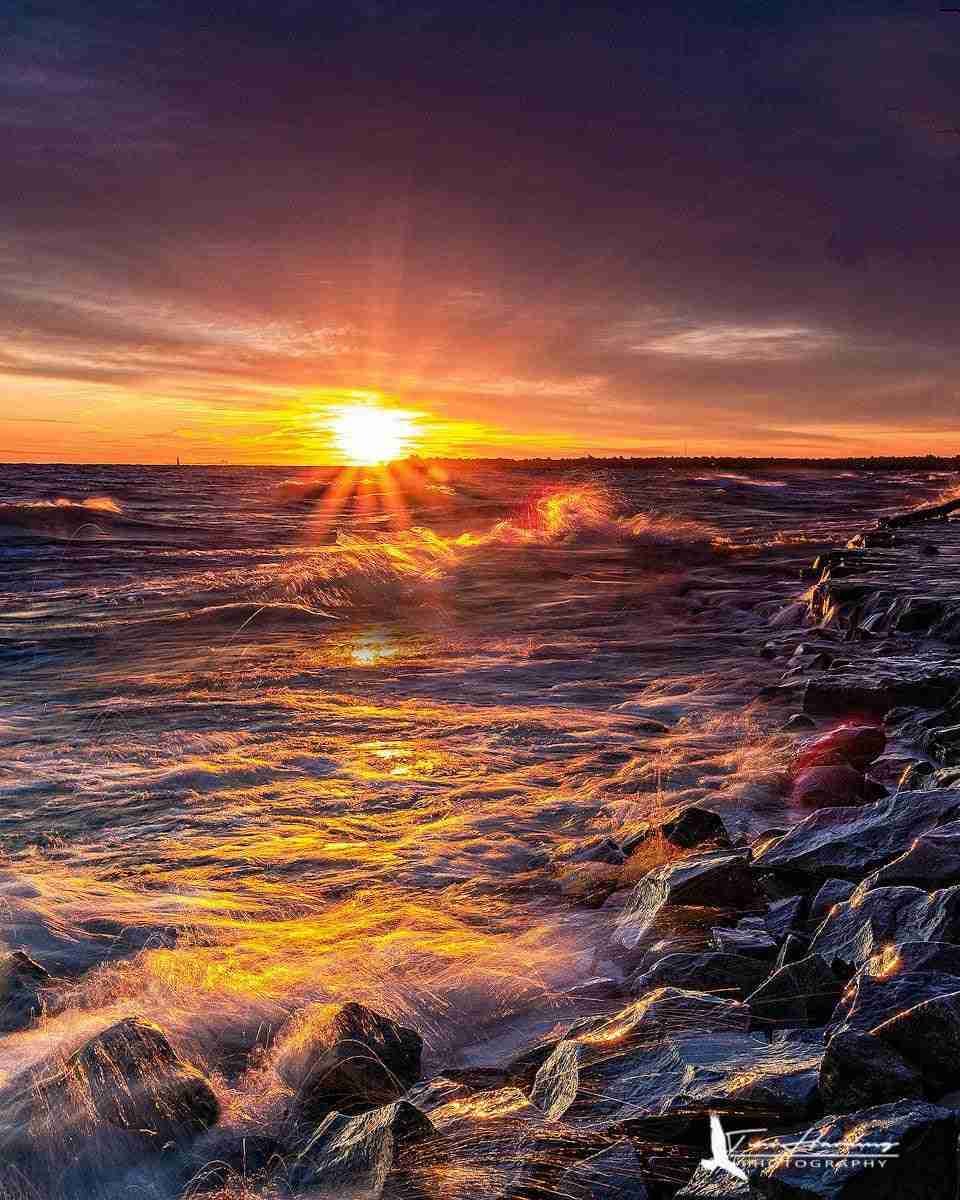
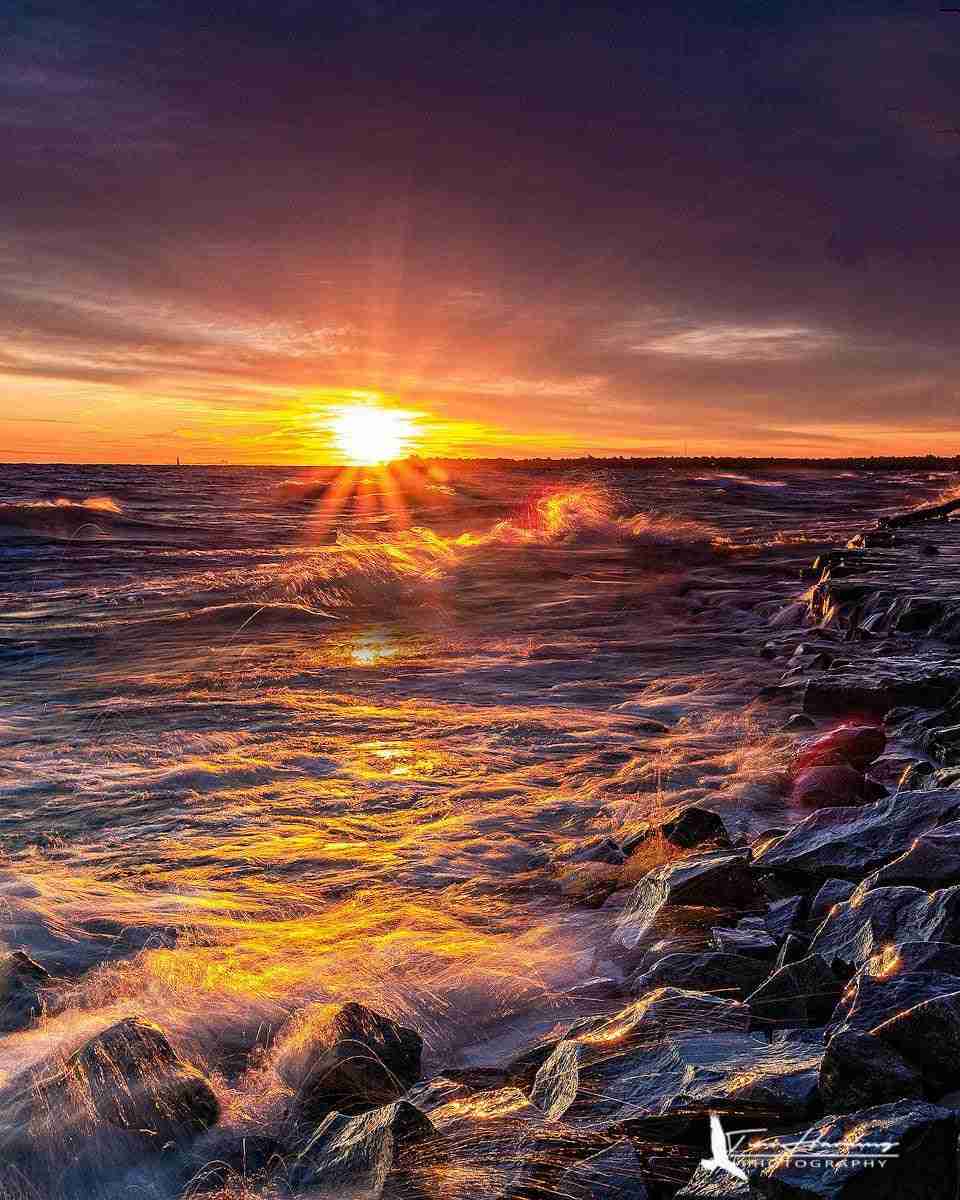
Nestled along the southern shore of Georgian Bay in the Blue Mountains region of Ontario, Craigleith Provincial Park is a small, rugged destination with a powerful visual presence. The defining feature here is its expansive shale shelf—an intricate, layered shoreline formed over 450 million years ago. These flat, fractured rock slabs stretch out into the water like nature's own tilework, providing both dramatic foreground and geological storytelling. Facing northeast, the park is perfectly oriented for capturing sunrise light over the bay, making it a favourite among landscape photographers chasing early color, long exposure seascapes, and minimalist coastal compositions. Despite its modest size, Craigleith rewards patient, detail-oriented shooters with one of the most unique lakefront scenes in Ontario.
Best Photography Opportunities
• Sunrise Over Georgian Bay
: Craigleith's shoreline faces directly into the rising sun for much of the year, offering spectacular opportunities to photograph the sky catching fire over still or wind-ruffled water. The flat shale slabs extending into the bay act as natural leading lines that guide the viewer's eye into the scene. Arrive at least 30 minutes before sunrise to capture the subtle gradients of dawn and the shifting colors on the stone. On calm mornings, the bay turns glassy, mirroring the warm light perfectly; on rougher days, waves rush between the cracks, making for dynamic, long-exposure opportunities.
• Layered Shale Formations as Foregrounds
: The fossil-rich shale beds at Craigleith are visually rich and highly textured. Use a wide-angle lens and low shooting angle to emphasize their linearity and pattern, especially when paired with a vibrant sky or early mist. These rock surfaces work beautifully as leading elements in minimalist compositions or as the main subject in tighter, abstract frames. Diffused light—either at dawn or under thin cloud—brings out the subtleties in their form and helps avoid hard shadow.
• Fossil Details and Macro Textures
: Craigleith is known for its ancient marine fossils—crinoids, trilobites, and brachiopods—embedded in the shale. While collecting fossils is prohibited, photographing them is encouraged. Use a macro lens or extension tubes to explore the fine details and natural patterns. Shaded conditions or a soft diffuser work best to control contrast and avoid glare on stone surfaces.
• Water Movement Over Stone
: When the waves are active, water flows over the shale in thin, reflective sheets or collects in cracks and tide-pool-like hollows. These micro-landscapes offer excellent potential for long exposures, where water motion becomes silky trails weaving through dark stone. ND filters and a tripod are essential here, and compositions benefit from including just a touch of sky to balance the tonal range.
• Evening Blue Hour Along the Shore
: While sunrise is the star at Craigleith, the afterglow and early blue hour offer a quiet mood that complements the stark lines of the rock. Shooting westward along the coast as the last light fades captures gentle hues on the water and subtle contrasts between warm stone and cool twilight. Look for reflections in shallow pools and the silhouetted shapes of shoreline trees.
Best Time to Visit
Craigleith is a park that rewards early risers. The best time to photograph is unquestionably at sunrise, particularly from late spring through early autumn when the sun rises over Georgian Bay. May through October offers mild temperatures, relatively calm water, and access to a wider range of shoreline due to seasonal water levels.
Early summer brings vibrant greens in the nearby forest and interesting cloud formations that can reflect dramatically on the water's surface. Late autumn offers fiery sunrise skies paired with bare, sculptural trees and more dramatic wave activity. Mornings after a storm often yield the most dynamic skies and textures on the lake surface, while foggy days wrap the rocks in an eerie softness that lends itself to black-and-white work.
Winter is more challenging, but when accessible, the contrast of ice-covered shale and low golden light can be mesmerizing. Just be mindful of slippery conditions and limited footing on the rock shelves during cold months.
How to Get There
Craigleith Provincial Park is located off Highway 26, just a few minutes west of Collingwood and about 10 minutes east of Thornbury, making it easily accessible for a sunrise shoot even from nearby accommodations. From the Toronto area, expect a drive of approximately two hours depending on traffic and weather conditions.
There is a designated parking area inside the park with trail access directly to the shale shoreline. As it is a managed Ontario Parks property, a valid day-use permit is required for entry. Fees apply for vehicle access, whether you're visiting for sunrise photography or spending time along the shore later in the day. During the main operating season (spring through fall), permits can be purchased at the entrance gate or in advance online.
For sunrise sessions or early arrivals before the gatehouse opens, a self-serve pay station may be available, or you can use a valid seasonal Ontario Parks permit. Outside of peak season, access may be more limited, and visitors should check the park's current status and regulations before planning a shoot.
Tripods, camera bags, and gear are easy to manage here due to the flat terrain, though caution is advised when navigating wet or algae-covered shale, which can be extremely slippery. Bring footwear with solid traction and consider waterproof boots if planning to shoot near or in the water.
Exploring the Surrounding Area
Beyond the shoreline, Craigleith Provincial Park offers a quiet forested campground and small bluff areas that provide slightly elevated views over the water. These higher vantage points are excellent for creating layered compositions, particularly when photographing the shoreline as it arcs gently eastward toward Blue Mountain in the distance.
The atmosphere is peaceful and intimate—free from the distractions of heavy tourism or overly developed infrastructure. Wildlife sightings are limited but not uncommon: gulls, herons, and ducks often sweep across the water at sunrise, and the occasional deer may be seen in the woods at the park's edge. The simplicity of the site encourages a slower pace and rewards photographers who take the time to notice light movement, textures, and the gradual rhythm of the lake itself.
Nearby Photography Locations
• Blue Mountain and Scenic Caves
: Just a short drive south, this elevated area offers sweeping views of Georgian Bay from cliffside lookouts. Sunrise and sunset are particularly dramatic from the suspension bridge or panoramic trail overlooks. The juxtaposition of high elevation and water far below makes for bold, layered compositions.
: East of the park, the harbor is a lively setting with sailboats, waterfront trails, and historic industrial relics. The grain terminals at sunset offer strong silhouettes, while morning fog can turn the harbor into a moody, atmospheric canvas.
• Thornbury Fish Ladder and River Trail
: Located west of Craigleith, the Beaver River and its surrounding trails offer small waterfalls, forested paths, and wildlife viewing opportunities—especially during the fall salmon run. A great complement to the coastal minimalism of Craigleith.
: A wide-open park with excellent west-facing views for sunset shoots. Smooth rock shelves and small inlets provide reflective surfaces for capturing the warm end-of-day light.
: This long, multi-use trail runs just inland from the park and is excellent for capturing rural textures—railway lines, birch groves, fence posts, and morning light slicing through open farmland and forest.
Craigleith Provincial Park may not sprawl across a wide area, but its compact shoreline packs a visual punch. The geometry of the shale, the purity of the light, and the timeless rhythm of Georgian Bay combine to create a space that's quietly dramatic and deeply satisfying to photograph. For those chasing sunrise solitude and coastal detail without venturing far from Southern Ontario's major hubs, it's a place worth returning to—again and again.
Comments
Loading comments…