
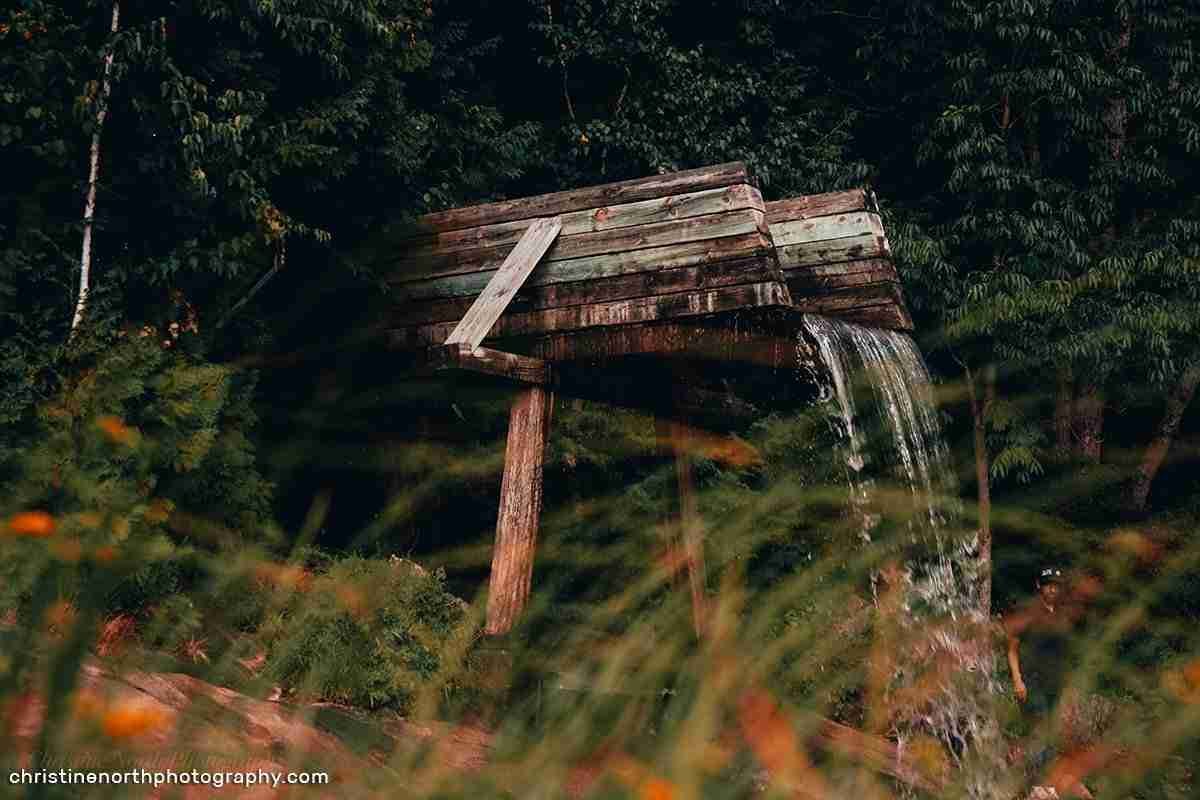
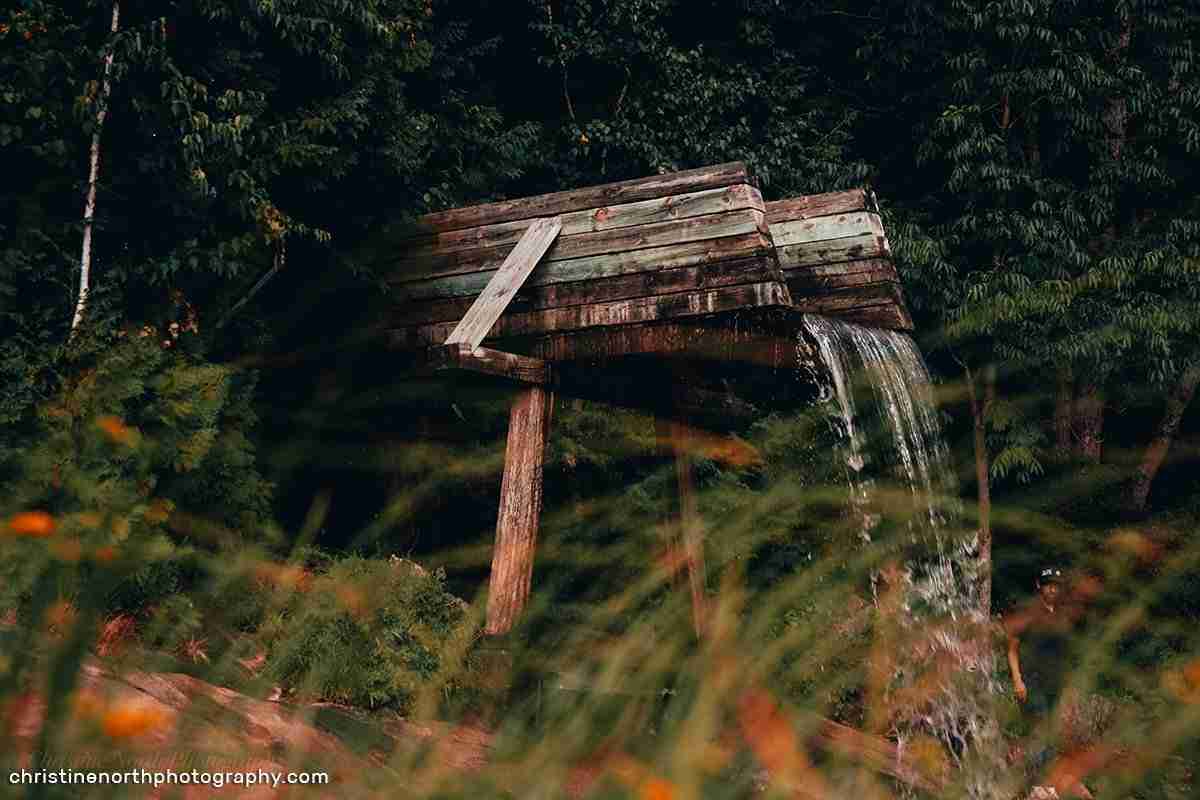
Tucked away in the forested hills of Ontario's Highlands near Combermere, Crooked Slide Park is a tribute to the region's logging heritage—and a picturesque gem for photographers drawn to rustic textures, flowing water, and historical storytelling. The site features a hand-built reconstruction of a log slide once used to guide timber down the creek during the logging boom. With its moss-covered beams, cascading water, and surrounding cedar forest, Crooked Slide Park delivers a timeless, almost cinematic atmosphere. Whether you're focused on long exposures of flowing water, documentary-style compositions of wooden engineering, or immersive landscape scenes, this quiet riverside park offers a rare mix of history and serenity.
Best Photography Opportunities
• Long Exposure Waterfalls Over the Slide
The reconstructed log slide channels a small creek into a controlled cascade that flows down its timber chute. This is the signature shot of Crooked Slide Park—best captured using a tripod and neutral density filter to smooth out the motion of the water. Position yourself low and frame the slide from an angle to show both the water's path and the texture of the weathered wood. Early morning light filtering through the trees creates a soft, natural glow.
• Textures and Close-Ups of the Slide's Timber Structure
The slide itself is built from heavy, hand-hewn timbers that have aged beautifully in the elements. Macro or mid-range lenses can capture the cracks, lichen, and joinery details that give the structure its character. Black-and-white processing works well here, emphasizing grain, contrast, and the tactile story of wood meeting water.
• Reflections in the Pool Below the Slide
At the base of the chute, a calm pool forms where the water collects before flowing downstream. On still days, this surface reflects the slide and forest canopy, offering opportunities for symmetrical shots or layered compositions with floating leaves or soft ripples. Use a polarizing filter to control reflection strength and manage glare.
• Environmental Portraits with Heritage Elements
The log slide and surrounding creek offer a rustic, authentic setting for environmental portraits or editorial-style shoots. Framing a subject on the rocks beside the water, seated on one of the beam supports, or walking along the trail gives a sense of time and place that's rich with atmosphere. This location pairs well with vintage clothing or earth-toned wardrobe styling for narrative effect.
• Framing the Slide Through the Trees
From the path leading into the park, photographers can frame the entire structure through a foreground of trunks, branches, and forest understory. This approach creates a sense of discovery and depth while highlighting the way the manmade structure integrates into its natural setting. Shoot during early morning or late afternoon to get directional light slanting through the trees.
Best Time to Visit
Crooked Slide Park is open seasonally from spring through late fall, with access becoming limited or unmaintained in winter. The most photogenic conditions occur from May through October. In spring, the creek flows strongest with snowmelt, turning the slide into a dynamic torrent—perfect for dramatic long exposures and misty atmosphere. Fresh greenery surrounds the scene, and the moss on the wood structure is at its most vibrant.
Summer brings more predictable light and accessible trails. While the water flow may slow slightly, it remains steady and photogenic. Dappled sunlight through the overhead canopy creates natural spotlighting on the wood and water, particularly in early morning or late afternoon. This is also a good time for close-up texture work and experimenting with handheld compositions.
Autumn adds a burst of visual interest as leaves begin to turn and drop into the stream. The surrounding forest lights up with oranges, reds, and yellows, which contrast beautifully with the deep brown of the timber and the cool tones of the water. Mid-October offers the best balance of fall color and trail conditions. Overcast days in autumn enhance saturation and reduce glare, creating ideal lighting for both wide and close compositions.
Winter visits are not recommended unless you have local knowledge and are equipped for deep snow and potential ice—though the structure covered in frost or snow would make for striking minimalist images. Because the park is not maintained in winter, access can be challenging and potentially unsafe.
How to Get There
Crooked Slide Park is located just east of Combermere in the Township of Madawaska Valley. From Barry's Bay, take Highway 62 south to Combermere, then head east on Old Barry's Bay Road. Turn right onto Schutt Road and follow signage to Crooked Slide Park. The final stretch is on a gravel road but is generally well-maintained during the open season.
There is no fee to visit or photograph Crooked Slide Park, and parking is available in a small lot adjacent to the slide itself. Space is limited, so early arrival is recommended, especially during peak fall weekends. The site is compact and easily walkable, with footpaths leading along the stream and around the perimeter of the slide.
The structure and surrounding area are open to the public, but tripods and gear should be used respectfully to avoid blocking access or damaging fragile vegetation. Because it's a heritage reconstruction, climbing on the slide itself is discouraged. Portable gear, rubber boots for creekside access, and a tripod with adjustable legs are recommended for working in uneven terrain.
Exploring the Surrounding Area
The forested landscape surrounding Crooked Slide Park is full of photographic potential. The creek that feeds the slide meanders downstream into dense cedar groves, creating opportunities for quiet, layered compositions with logs, rocks, and flowing water. Just a short walk from the slide, the path intersects with footbridges and natural clearings where light breaks through the canopy—a great place to slow down and explore macro subjects like mushrooms, moss, and ferns.
To the west, country roads wind through Madawaska Valley farmland and lakes, with scenic turnoffs offering big-sky views and pastoral subjects like silos, grazing cattle, and aged barns. The rural architecture in this area is varied and photogenic, often framed by dense forest or open fields, and works well for those interested in visual storytelling or rustic minimalism.
Nearby hills provide elevation that opens up views across the forested landscape. If you're willing to hike or explore gravel side roads, you can find lookout points perfect for capturing the rolling topography in morning mist or evening light. These quiet roads are excellent for roadside photography, especially in fall when maples and birch trees add vibrant contrast to the darker conifers.
Nearby Photography Locations
• Madawaska River in Combermere
Just west of the park, the Madawaska River flows through rocky channels and under historic bridges. Ideal for long exposures, moody water scenes, and capturing paddlers during the summer months. The shoreline features stone outcrops and soft forest light, perfect for natural compositions.
A short drive north, the lake offers wide, open vistas with dramatic skies and calm water. Use a telephoto to isolate cottages, docks, or lone pines on distant points. Sunrise and sunset are particularly strong here, especially with a light mist over the water.
This small park honors local aviation history and includes scenic views of Kamaniskeg Lake, vintage artifacts, and clean waterfront access. It's a peaceful stop for minimal landscapes or water-focused compositions with historical context.
High ridgelines just west of Combermere provide sweeping views over the Ottawa Highlands. These spots are ideal for golden hour landscapes or layering distant tree lines in misty morning light. Country roads like Paugh Lake Road and Letterkenny Road offer fantastic rural photo opportunities along the way.
About 30 minutes south, this park offers a quiet lakefront, mixed forest trails, and excellent conditions for sunrise lake reflections. Less trafficked than larger parks, it's ideal for solitude, long exposures, and wildlife encounters in early morning.
Crooked Slide Park is a reminder that compelling photo locations don't have to be grand in scale—they just need depth, history, and atmosphere. With its flowing water, heritage textures, and woodland setting, this quiet corner of Ontario's Highlands offers photographers a place to slow down, frame with intention, and connect with a story carved in timber and time. Whether you're shooting the rush of water over weathered beams or tracing the light through cedar branches, every detail here invites closer attention and creative interpretation.
Comments
Loading comments…