
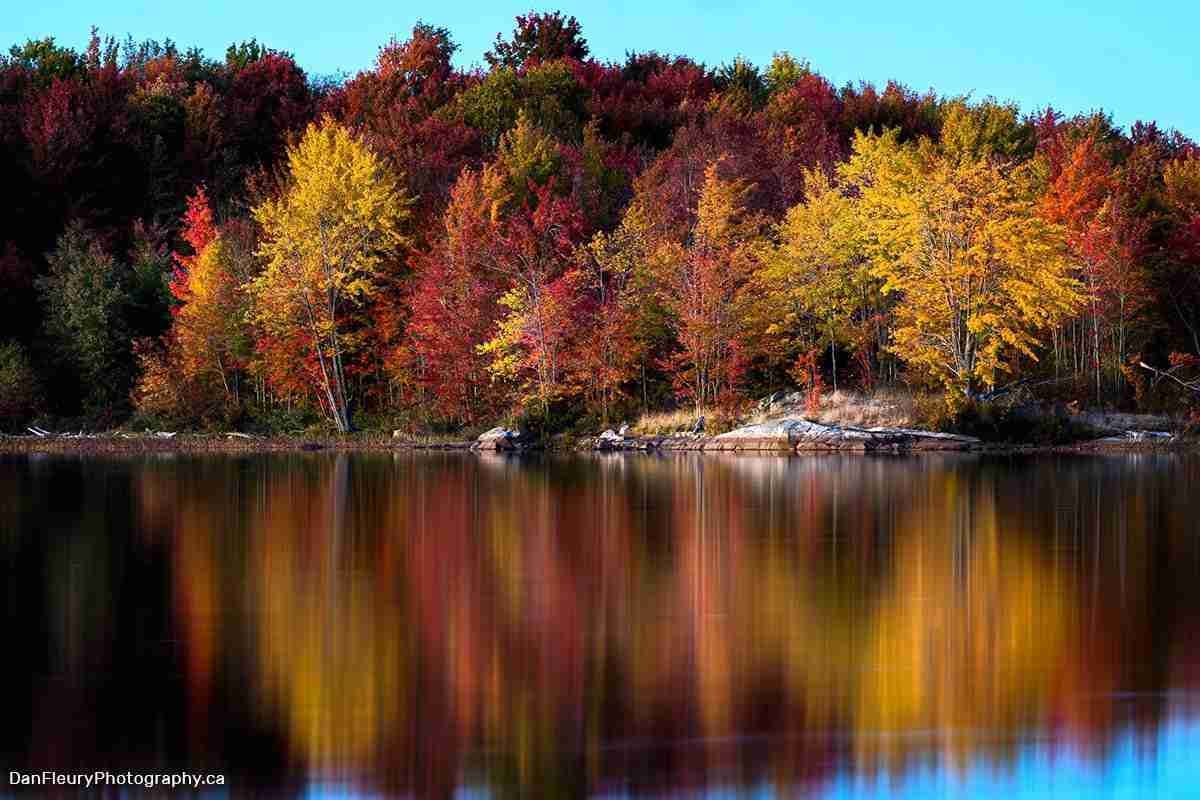
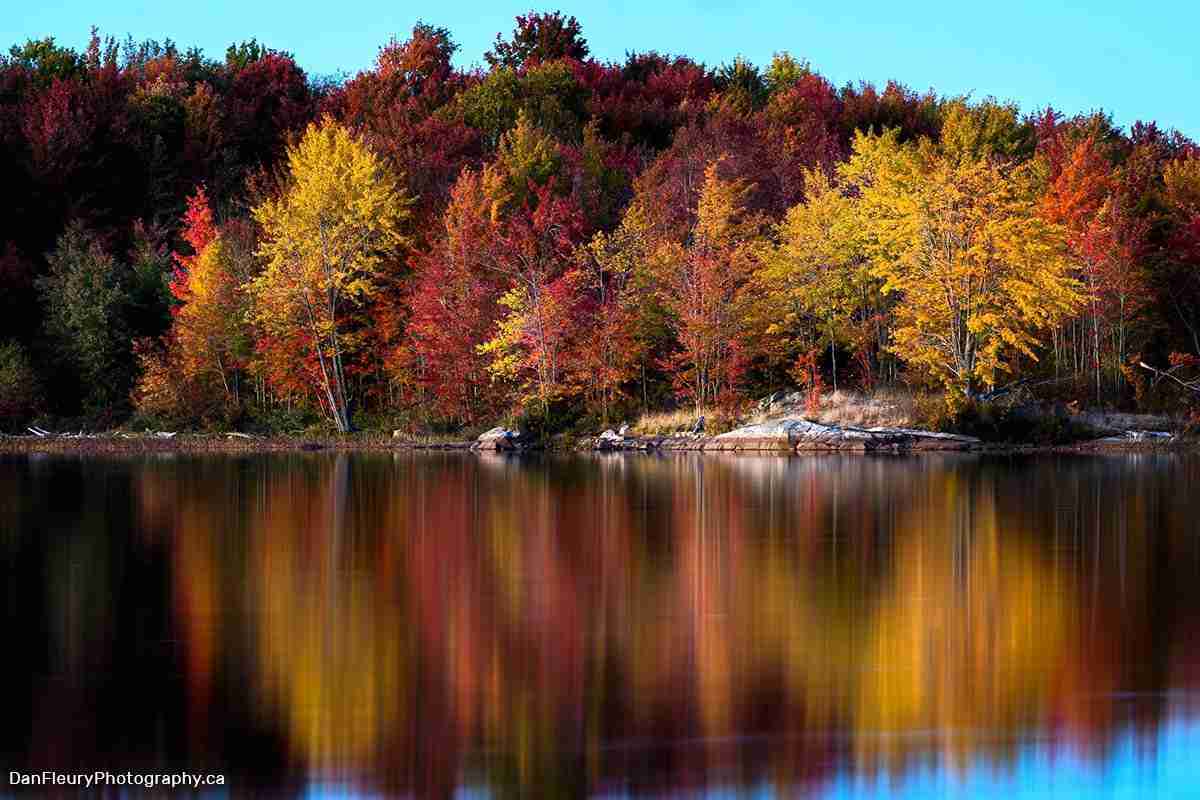
Set within the expansive Elzevir Peatlands Conservation Reserve, Deerock Lake Conservation Area is a remote and richly textured landscape in southeastern Ontario. Known for its largely uninterrupted peatlands—some of the most extensive in southern Ontario—this area combines ecological rarity with dramatic natural beauty. Featuring rugged rock islands, still waters, and boreal-edge vegetation, the lake and surrounding forest offer a dynamic environment for photographers interested in wilderness scenes, vibrant seasonal color, and wildlife-rich landscapes. With accessible vantage points and secluded views, Deerock Lake is especially compelling at sunset and during the height of autumn transformation.
Best Photography Opportunities
• Lakeside Sunset Vistas
: The shoreline around Deerock Lake offers a number of clear, elevated spots ideal for photographing the expansive water and rocky islands. Late afternoon light casts long reflections across the lake's calm surface, often catching on clusters of reeds or silhouetted trees. Use a wide-angle lens to incorporate foreground rocks or shoreline textures, and frame the glowing sky as it blends into the mirrored water. Golden hour creates deep shadows and rich hues, while a longer exposure can smooth out ripples and draw focus to the changing sky.
• Rock Islands and Water Reflections
: Scattered throughout the lake are rugged rock islands that rise dramatically from the water, topped with pine and birch. These islands work well as compositional anchors, especially when framed with shoreline foliage or reflected in still morning water. For best results, shoot from low vantage points near the waterline, using a polarizer to reduce surface glare and enhance reflections. These compositions become especially vibrant in autumn when surrounding trees blaze with color, offering bold visual contrast against granite and sky.
• Autumn Canopy and Color Studies
: Fall transforms the forested ridges around the lake into a brilliant mosaic of red, orange, and gold. Whether you're shooting wide to capture a full canopy or zooming in for detail studies of leaf clusters or backlit foliage, the colors provide rich depth and movement. Explore trail-accessible viewpoints or paddle closer to the islands to find scenes where branches arch over the water, creating layered compositions that play with symmetry and saturation. Mornings with mist enhance the mood and soften bright tones into painterly gradients.
• Wildlife and Habitat Context
: Deerock Lake's remote setting and proximity to vast peatlands support a surprising diversity of wildlife, including deer, moose, elk, and waterfowl. While wildlife sightings can be unpredictable, early morning and dusk are the best times to spot animals along the shore or drinking from the lake. Use a telephoto lens to photograph from a respectful distance, framing animals within their environment to tell a broader story of wild habitat. Even without large mammals, the shoreline often hosts herons, loons, and turtles, providing opportunities for quieter, patient wildlife photography.
• Textural Details and Ecological Layers
: The peatland edges and transition zones around Deerock Lake are rich in detail—spongy moss beds, lichen-covered rocks, and twisted spruce trees all contribute to the story of the landscape. A macro or close-focusing lens is ideal for isolating these textures and capturing the delicate contrast between plant species and surface moisture. These intimate images help round out a broader visual essay and emphasize the uniqueness of the habitat within southern Ontario's mostly altered ecological zones.
Best Time to Visit
The best time to photograph Deerock Lake is during the fall foliage season, typically from late September to mid-October. The dramatic color change in the forest surrounding the lake provides bold contrast against the granite outcrops and reflective water. The low angle of the autumn sun also casts a warm, golden glow across the landscape, ideal for both broad and detail-focused compositions.
Spring is also rewarding, especially in late May and early June when new green growth and wildflowers appear around the lake edges. This time of year also sees increased wildlife activity, particularly among migratory birds and moose. Summer offers long days and vibrant greens, though midday light can be intense—early mornings and evenings are best for softer illumination.
Sunset is the prime time to photograph here, especially along the western and southern shorelines. Clear skies produce radiant color, while overcast or misty evenings add mood and depth. Sunrise sessions can also be beautiful, though access to eastern-facing viewpoints may require some scouting or paddling.
How to Get There
Deerock Lake Conservation Area is located near the small community of Flinton, Ontario, approximately 90 minutes northwest of Kingston and just under three hours from Ottawa. From Highway 41, turn west onto Flinton Road and follow signs toward Deerock Lake. Access is via Deer Rock Lake Road, which leads to a parking area near the boat launch and main trailhead.
The conservation area offers limited amenities—expect a rugged, self-managed experience. There is informal parking near the launch site and a basic dock area that provides access to the lake for paddlers and photographers alike. Trails around the lake are unmaintained and may be muddy or overgrown depending on the season, so sturdy footwear is recommended.
There are no entrance fees for day-use photography, but visitors should follow Leave No Trace principles and respect local regulations to preserve the site's sensitive peatland environment. Canoes or kayaks can be launched easily from the dock, opening up further vantage points and access to otherwise unreachable angles.
Recommended Gear and Shooting Tips
A wide-angle lens (16–35mm) is excellent for capturing sweeping views of the lake, islands, and sky, particularly during sunset or under changing light. A mid-range zoom (24–70mm) allows for flexible compositions of forest edges, island groupings, and shoreline textures. A telephoto lens (100–400mm or longer) is essential for wildlife encounters or compressing distant elements like silhouetted trees against the sky.
Bring a tripod for long exposure work at dusk or for bracketing shots to manage contrast during high dynamic range scenes. A circular polarizer helps reduce glare on water and foliage, enhancing reflections and surface detail. ND filters are useful for smoothing water or adding motion blur to drifting clouds during golden hour.
Wear waterproof boots and carry a dry bag or rain cover for your gear—conditions can be damp around the peatland edges, especially in the early morning. A small ground pad or lightweight stool can help when setting up at low angles along the shoreline. Insect repellent is essential in spring and early summer, and a microfiber cloth is useful for cleaning off fog, water spots, or dust from lenses.
Nearby Photography Locations
: Just to the east, Bon Echo is home to Mazinaw Rock, a towering cliff face rising straight out of the lake and covered in Indigenous pictographs. The site is ideal for photographing reflections, dramatic rock faces, and cultural history under changing light conditions.
• Flinton Conservation Area
: A short drive south, this small but scenic location features a forest trail, river views, and a small waterfall tucked between rocky cliffs. It's perfect for shorter hikes and long-exposure waterfall photography in a quieter setting.
• Mazinaw Lake Lookouts
: These elevated viewpoints around Mazinaw Lake offer expansive views over forest, rock, and water, especially stunning in autumn. Early morning light often reveals mist drifting over the lake, making it an excellent location for layered landscape shots.
: Located southwest of Deerock Lake, this ecologically unique area features open pine forests, exposed bedrock, and rare lichen communities. The barrens are excellent for textural photography, environmental abstracts, and moody black-and-white compositions.
• Puzzle Lake Provincial Park (non-operating)
: Accessible only by water or rugged trail, Puzzle Lake's maze of narrow channels, forested islands, and rock-strewn shorelines makes it a hidden treasure for adventurous photographers. The unique geology and isolation of the area reward slow, deliberate exploration.
Deerock Lake Conservation Area is one of those rare places where remoteness meets visual richness. From calm reflections to vibrant autumn canopies and the quiet textures of a sprawling peatland system, it's a destination that encourages immersive photography and deep observation—best enjoyed slowly, thoughtfully, and with a lens ready for changing light.
Comments
Loading comments…