
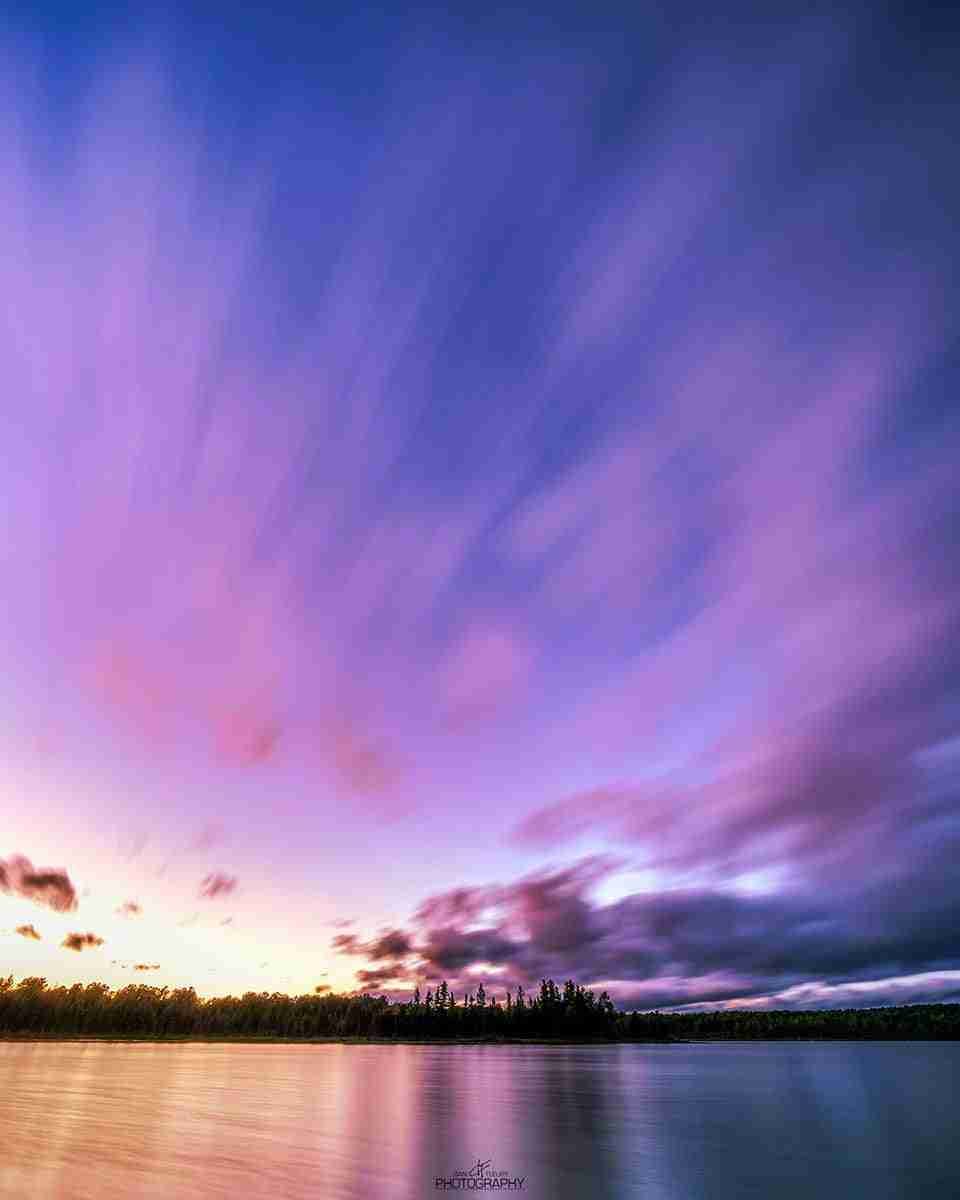
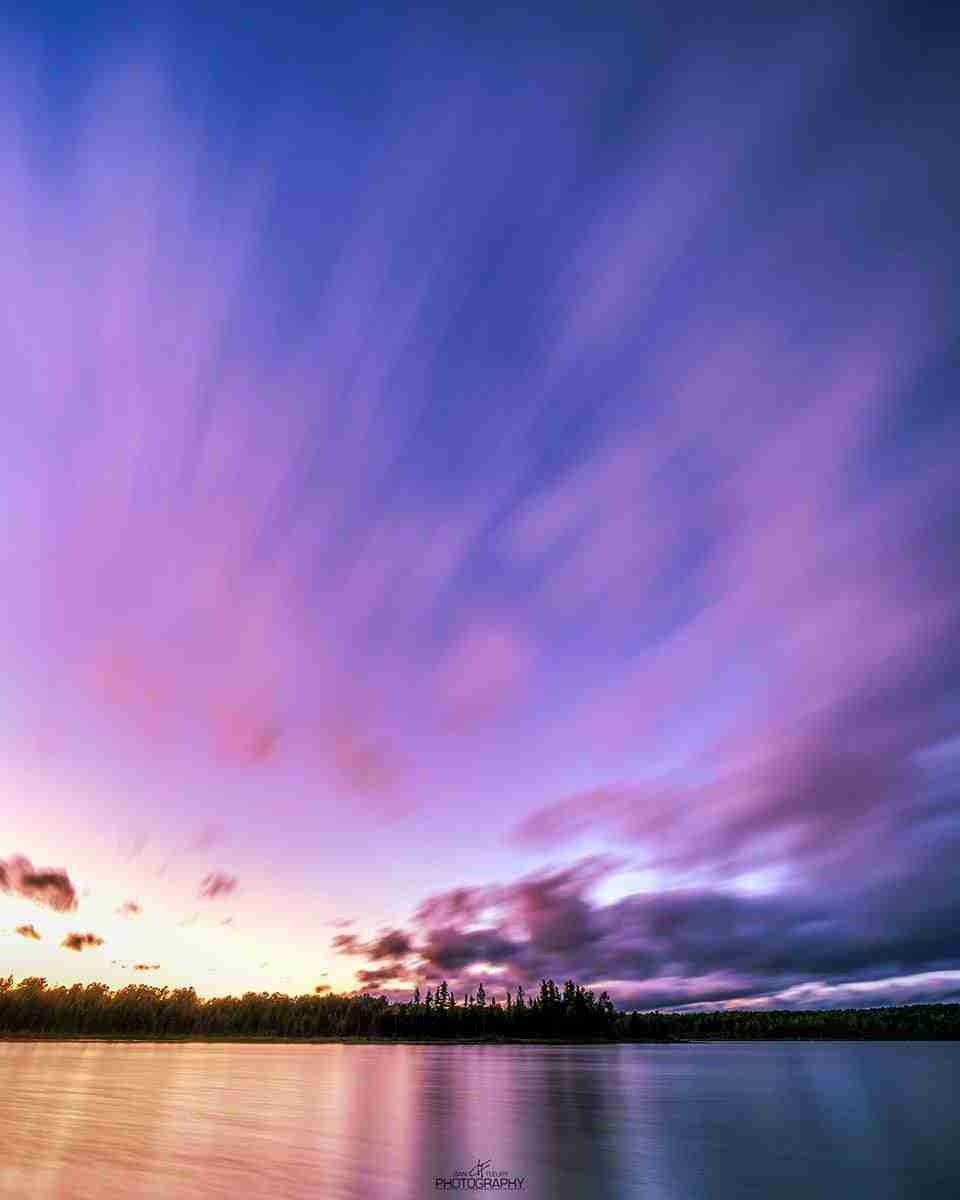
Tucked into the forested limestone country of Marlbank, Ontario, Dry Lake carries with it a quiet, post-industrial intrigue that belies its modest surface. Once the site of one of Canada's largest and most important cement production hubs, the lake and surrounding area are steeped in industrial history dating back to the late 19th century. What makes Dry Lake particularly compelling for photographers isn't just the stillness of its waters or the encroaching wilderness—it's the local lore that speaks of a sunken locomotive, left behind when the cement factory fell into decline. Whether you're drawn to industrial archaeology, eerie landscapes, or atmospheric natural textures, Dry Lake offers a rich and enigmatic canvas.
Best Photography Opportunities
• Reflections Across the Lake Surface
: In the early morning or late evening, the lake often settles into perfect stillness, creating mirror-like reflections of the surrounding treeline. Soft, diffused light during golden hour helps emphasize the muted colors of marlstone and evergreens, lending the scene a serene but mysterious tone. A polarizer can help manage glare or enhance sky contrast when the water is especially calm.
• Ruins and Industrial Relics Along the Shoreline
: Though much of the cement plant has long been dismantled or reclaimed by nature, photographers may find weathered foundations, rusting scrap metal, or crumbling concrete hidden along the fringes of the lake. These elements make for excellent foregrounds in wider compositions or abstract texture studies in their own right. Overcast conditions help bring out surface detail without harsh shadows.
• Forest Encroachment and Natural Reclamation
: The gradual takeover of the manmade by the natural is clearly visible around Dry Lake. Saplings growing through cracks in stone, moss-covered footings, and old rail alignments now overtaken by ferns offer compelling metaphors and strong compositional opportunities. This contrast between industry and wilderness is especially evocative in spring or late autumn when colors are rich and ambient light is gentle.
• Documentary Close-ups and Atmospheric Details
: Pay close attention to smaller elements—rusted bolts embedded in bedrock, railway ties poking from the earth, or layers of sediment that suggest past industrial dumping. These details work well for a more narrative style of photography, especially in series format. Late afternoon light, with its warm and low-angle shadows, is ideal for picking out the worn geometry of man-made materials amidst the organic chaos.
• Drone Overviews for Contextual Compositions
: Aerial views of Dry Lake reveal its unusual shape and the scars of its industrial history—flat expanses, quarried edges, and overgrown access roads become visible from above. Position your drone to contrast the lake's dark surface against the brighter tree canopy, especially in autumn. A high perspective can also evoke the mystery of the rumored locomotive resting beneath the waterline, visible or not.
Best Time to Visit
Dry Lake's appeal shifts subtly with the seasons, making it a location worth revisiting throughout the year. Spring brings a vivid resurgence of plant life, and with it, strong color contrast between the greenery and weathered industrial remnants. Early mornings during this season often come with a rising mist, which adds atmospheric depth and lends itself beautifully to minimalist, moody frames.
Autumn is arguably the best time for landscape photographers. The explosion of red, orange, and yellow foliage reflects richly off the water, and the lower sun angles throughout the day allow for more control over shadows and highlight. It's also a season when the lake's quiet presence feels most potent—especially during early dusk when the colors deepen and the surroundings quiet.
Summer offers full vegetation and extended shooting hours, though bright midday light can be harsh on reflective surfaces and reduce contrast in ruins and foliage. Winter transforms the site entirely. Snow-covered remains, frozen water, and skeletal trees lend themselves to stark compositions in black and white or cool-toned palettes. Keep in mind that some paths may be inaccessible due to ice or snowdrifts, and safe access will depend on current conditions.
How to Get There
Dry Lake is located near the small community of Marlbank in eastern Ontario, roughly 30 minutes north of Napanee and about two hours southwest of Ottawa. The lake is tucked into a sparsely populated area surrounded by forest and rural farmland. Access is informal, with no official signage or designated parking, and finding the site may require some advance scouting or local inquiry.
From Highway 41 or County Road 13, take the gravel roads leading into Marlbank and follow local directions toward the old marl quarry areas. The lake can be approached by foot from various directions, though be prepared for uneven ground and overgrown trails, especially in summer. Parking is typically on the roadside or in informal pull-offs—respect private property and avoid blocking rural access roads. While there's no official infrastructure, the remoteness makes it an excellent location for unhurried exploration and uninterrupted shooting.
Exploring the Site and Its Surroundings
The area around Dry Lake is rich in visual and historical texture, even if much of its industrial past has faded into the landscape. Explorers will find remnants of infrastructure tucked into the woods—collapsed sheds, rusted piping, and marlstone outcrops that hint at the scale of the former operation. Walk the lake's perimeter to uncover different shooting angles and perspectives, from low, wide views across the water to elevated forest lookouts through the trees.
Much of the charm lies in the silence and stillness. This is a place that rewards slower movement and observational awareness. Look for transitional spaces where the built environment yields to nature—places where a story can be suggested rather than shown. And if you're feeling particularly adventurous, bring a waterproof case or drop camera system: the tale of the submerged locomotive may be folklore, but it invites creative interpretation and speculative imagery all the same.
Nearby Photography Locations
: A few kilometers from Dry Lake, the remnants of the original Marlbank cement plant still stand. Cracked walls, towering kilns, and decaying brickwork provide a raw, industrial atmosphere perfect for urbex-style photography. The textures here are best captured under overcast skies or with raking side light.
: Located west of Marlbank, this protected area features lakes, granite outcrops, and hiking trails that contrast nicely with the industrial aesthetic of Dry Lake. It's especially scenic in fall, offering clean compositions of reflected foliage and calm water.
: Roughly 40 minutes north, Bon Echo is known for Mazinaw Rock, a towering cliff adorned with Indigenous pictographs. This is a destination for grand landscape photography—dramatic cliffs, deep forest, and expansive lake vistas await those looking for broader natural scenes to pair with the grit of Dry Lake.
• Tamworth Rail Bridge
: South of Marlbank, the old railway bridge crossing the Salmon River near Tamworth is a hidden gem. The iron trusses and decaying wooden ties contrast beautifully with the river below and surrounding vegetation, especially at dawn when the water is still and the bridge casts crisp reflections.
• Napanee Falls and Waterfront
: If you're heading back toward Highway 401, a stop at the Napanee River waterfall provides a nice endcap. The downtown waterfront area has an old-mill aesthetic and boardwalk paths that make for peaceful evening shoots with long exposure potential.
Dry Lake is not your typical landscape photography location. It doesn't shout, it whispers—offering subtle, layered stories to those who take the time to walk its edge and look closely. In its quiet decay, overgrown tracks, and the half-remembered rumor of a locomotive resting beneath its still waters, it gives photographers space to explore mood, history, and the power of suggestion. For those drawn to places where nature and memory overlap, this hidden Ontario site is as haunting as it is beautiful.
Comments
Loading comments…