
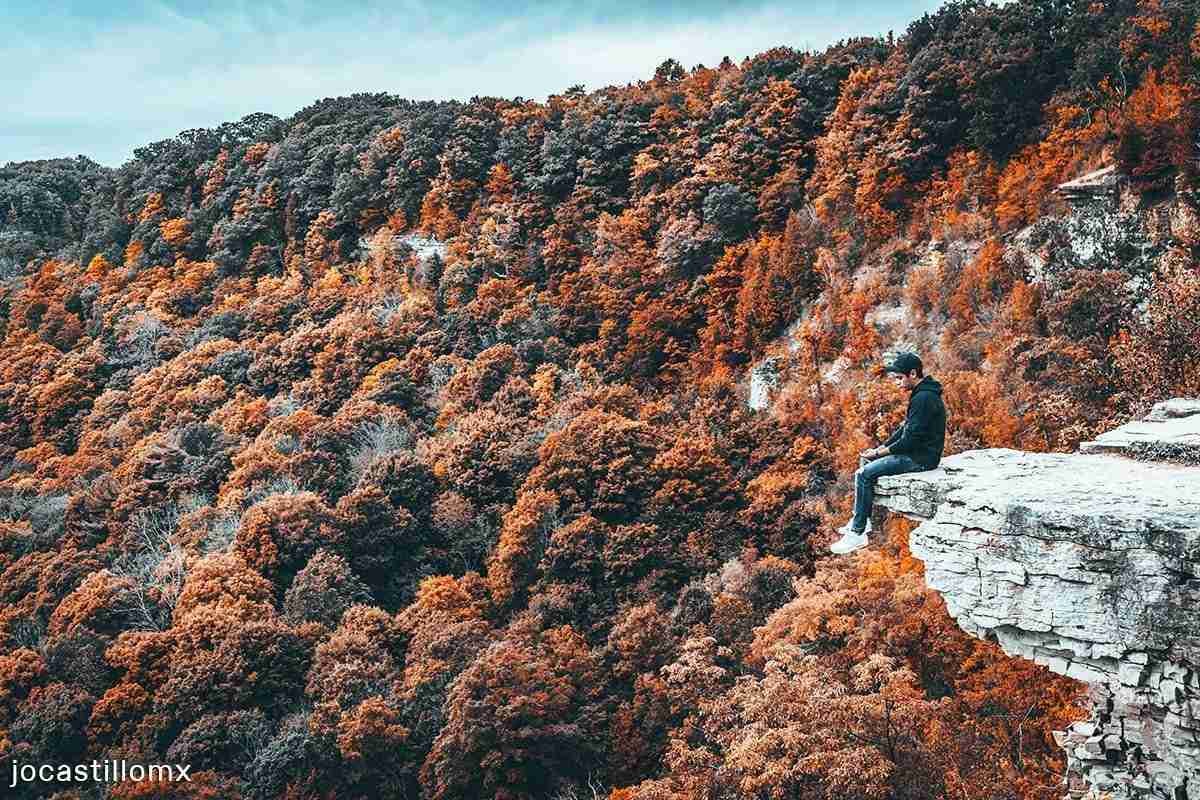
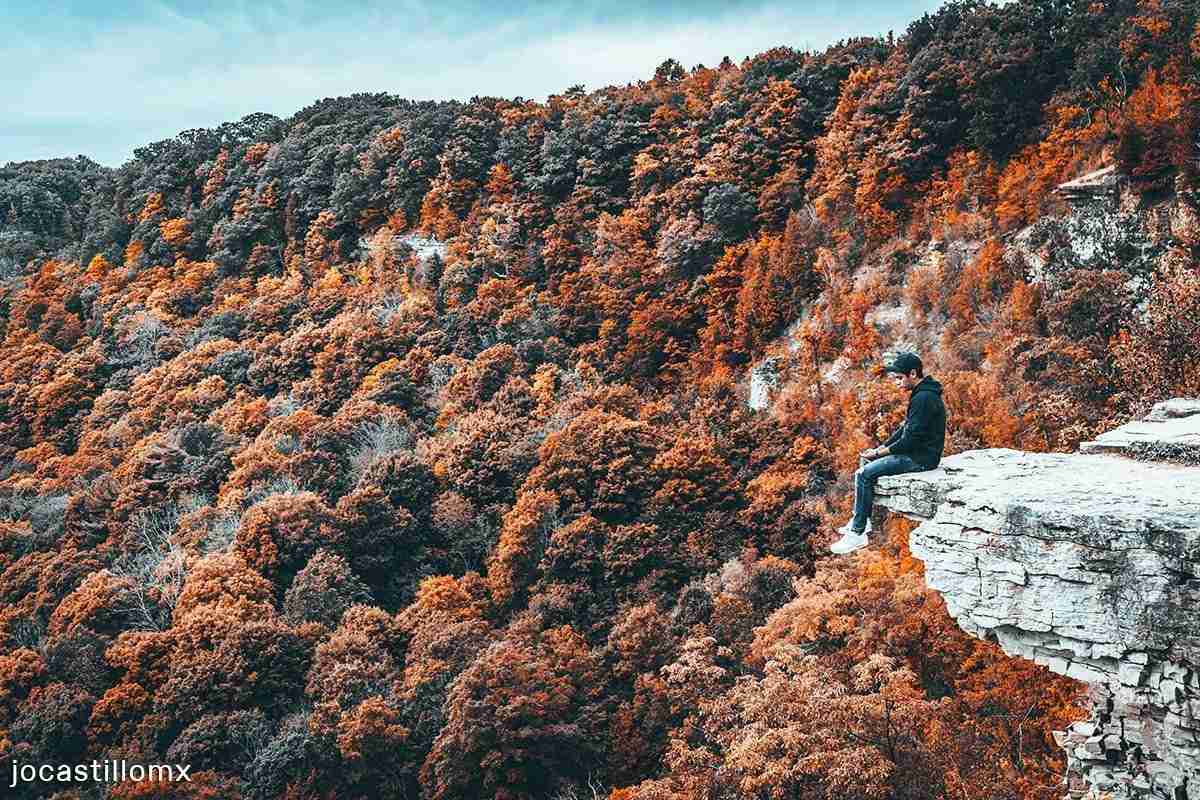
Perched high above the town of Dundas within the Spencer Gorge Wilderness Area, Dundas Peak offers one of Southern Ontario's most dramatic and accessible panoramic viewpoints. A relatively short hike leads to a sheer cliffside ledge that reveals sweeping vistas over the Dundas Valley, with the Niagara Escarpment's forested slopes framing the town below. While this spot is photogenic year-round, it reaches peak visual impact in the fall, when the surrounding woodlands erupt into a patchwork of crimson, gold, and rust. With its elevated vantage point, proximity to waterfalls, and moody forest trails, Dundas Peak is a top destination for landscape photographers seeking dynamic compositions and a strong sense of seasonal transformation.
Best Photography Opportunities
• Panoramic Valley Views from the Peak
: The main lookout provides a wide, unobstructed view over the Dundas Valley and the rooftops of the town nestled in the forest below. This elevated perspective is ideal for wide-angle shots that emphasize the vastness of the gorge and the layered textures of the escarpment. In autumn, the view becomes a riot of colour, with rolling hills of red, yellow, and orange stretching to the horizon. Visiting just after sunrise or before sunset bathes the valley in angled light that enhances contrast and shadow depth.
• Fall Foliage and Escarpment Colour
: Dundas Peak is among the most sought-after fall foliage locations in Ontario for good reason. The dense mix of deciduous trees blankets the surrounding slopes and gorges, creating rich tapestries of colour that are especially vibrant in early to mid-October. Telephoto lenses can isolate specific bands of colour or pick out lone trees with standout hues, while wide shots from the trail or peak can showcase the full gradient of seasonal change.
• Trail Views and Forest Textures
: The trail leading to Dundas Peak passes through shaded woodland, moss-covered rock, and occasional breaks in the canopy that offer smaller glimpses of the gorge. These forest sections are great for softer, more intimate compositions that contrast with the wide-open drama of the peak. Fallen leaves, tree trunks, and filtered light through autumn branches provide excellent subjects for mood-driven environmental photography.
• Tew Falls and Webster's Falls
: Both waterfalls are located within the same conservation area and can be accessed from nearby trails. Tew Falls is a slender, high cascade set within a narrow gorge, particularly photogenic after rainfall or during spring melt. Webster's Falls is more expansive, framed by stone bridges and surrounded by trees that flare with colour in October. Both offer classic long-exposure waterfall possibilities, especially during shoulder hours with soft, ambient light.
• Mist, Clouds, and Moody Atmosphere
: The elevation of Dundas Peak often places it at or above morning mist and low-lying cloud layers, especially in the fall. These conditions enhance depth and atmosphere, turning a bright scene into something moody and cinematic. Rolling fog over the valley adds drama, while light breaking through cloud gaps can spotlight distant ridges or town elements for a theatrical effect.
Best Time to Visit
While Dundas Peak is a compelling location throughout the year, its most photogenic season is undeniably autumn. From late September to mid-October, the surrounding forests begin to shift in tone, peaking in vibrancy around Canadian Thanksgiving. Early mornings during this period often bring fog, crisp air, and strong golden light—ideal for capturing warm colour contrast and depth in the landscape. Late afternoon light is also excellent, especially on clear days when the setting sun rakes across the valley from the west.
Spring offers waterfall volume and new foliage, while summer delivers deep greens and longer daylight for trail photography. In winter, snow transforms the gorge into a monochrome palette ideal for high-contrast black-and-white work, though trail conditions can be icy and steep. Early morning and golden hour remain the most rewarding times to shoot, particularly for softer light, fewer crowds, and more dynamic atmosphere. Weekday visits are best to avoid heavy foot traffic, especially during the peak fall colour season.
How to Get There
Dundas Peak is accessed via the Dundas Peak Trail, which begins in the Spencer Gorge Wilderness Area near the town of Dundas, now part of the City of Hamilton. The primary trailhead is located near Tew Falls on Harvest Road, with parking available at the Spencer Gorge Conservation Area lot. From the parking area, the hike to the lookout takes about 30 minutes along a well-maintained forest trail with moderate elevation gain. The trail is suitable for most fitness levels but can be muddy or uneven in wet weather.
Timed reservations and paid parking are typically required during peak seasons, especially in fall. Visitors should check the Hamilton Conservation Authority website for up-to-date information on access, fees, and seasonal restrictions. The lookout has no fencing and sits atop a steep cliff, so use caution, especially when carrying gear or shooting close to the edge. Tripods are welcome and useful for low-light or long-exposure work, particularly at the waterfalls.
Exploring the Surrounding Area
Beyond the peak itself, the Spencer Gorge Wilderness Area offers a network of trails and multiple points of interest. Photographers can extend their visit by looping through forested trails that pass Tew Falls and connect to Webster's Falls, taking in a mix of elevation changes, rock features, and dense canopy cover along the way. The gorge trails offer ever-changing perspectives, with opportunities to shoot cliff faces, canopy light, and river textures in quieter spots away from the crowds. The surrounding escarpment landscape features ravines, limestone outcrops, and seasonal wildflowers that reward slower exploration and a variety of lenses.
Nearby Photography Locations
• Webster's Falls
: This broad, curtain-like waterfall is one of the most picturesque in Ontario. Its dramatic drop, surrounding stonework, and fall foliage make it a magnet for landscape photographers, especially with a tripod and mid-range lens to frame the entire cascade.
: Tall and narrow, this waterfall plunges into a deep gorge surrounded by forested walls. Best shot from the dedicated platform, it's particularly dramatic after rainfall or in spring melt, and it pairs beautifully with long exposure techniques.
: Located within nearby Hermitage Gate Park, this site features 19th-century stone ruins in a forest clearing. A moody, atmospheric spot, especially in fog or low light, it's great for texture studies and architectural contrasts within nature.
: A short drive north, this area offers additional hiking trails and a lesser-visited waterfall with excellent cliffside views. The Rock Chapel trail includes overlooks of the escarpment and is ideal for sunrise or early golden hour.
: Situated closer to town, this elevated urban park features panoramic views over Dundas with mature trees and historic charm. It's an excellent location for portraits, macro work, or a quiet morning shoot before heading to the peak.
Dundas Peak is one of those rare locations where the trail is as rewarding as the destination. With its sweeping views, dramatic foliage, and rich access to waterfalls and escarpment terrain, it remains one of Ontario's most photogenic lookout hikes—especially for those chasing the changing light of fall. Whether you're looking to frame the golden valley below, capture the motion of cascading water, or simply experience the quiet grandeur of nature from above, Dundas Peak offers a deeply immersive setting where every step reveals something new.
Comments
Loading comments…