
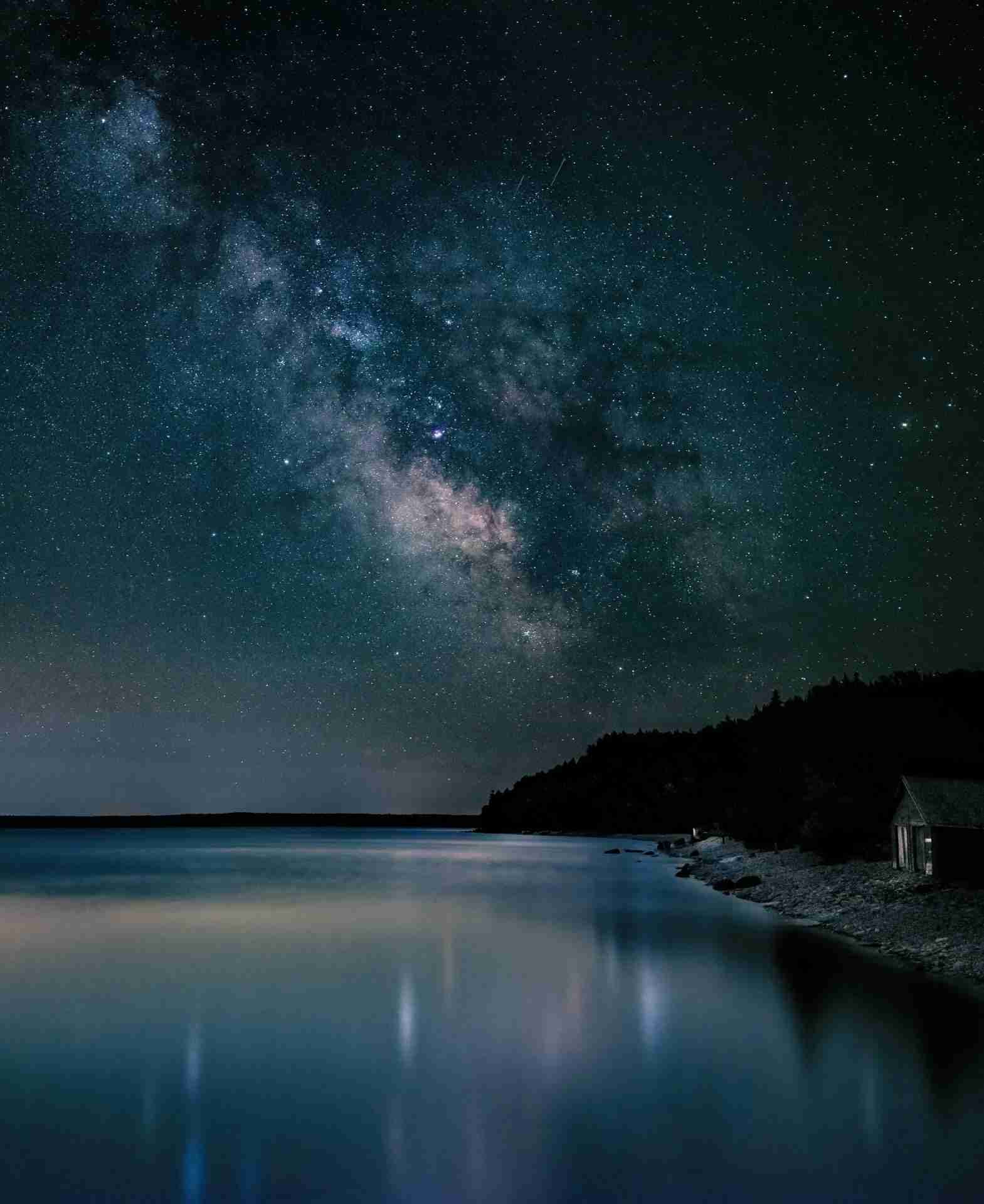
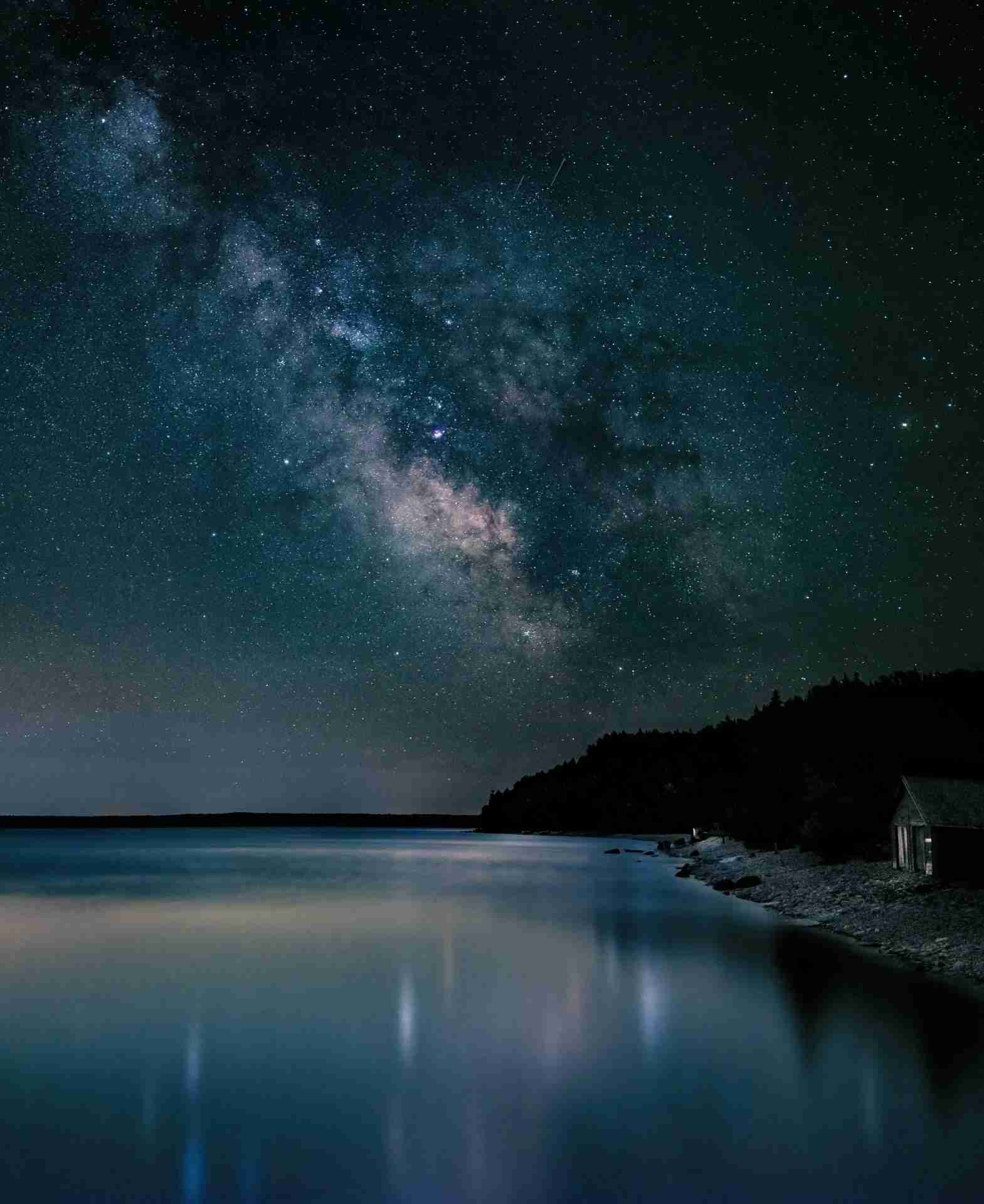
Once a 19th-century lumbering settlement, Dyer's Bay has transformed into a serene lakeside hamlet tucked along the rugged northeastern shore of the Bruce Peninsula. Nestled between the shimmering waters of Georgian Bay and the towering escarpment ridge behind it, the village feels sheltered, quiet, and timeless. Its minimal development, dramatic natural setting, and shifting moods make it a hidden gem for landscape photographers seeking texture, tranquility, and water-meets-rock compositions that change with the light. The bay's glassy mornings, pastel sunsets, and moody weather events all contribute to its reputation as one of the most photogenic spots on the Bruce coast.
Best Photography Opportunities
• Shoreline Rock and Water Compositions
: The bay's shoreline is defined by flat limestone slabs, scattered boulders, and glacially smoothed rocks that make excellent foreground elements in wide compositions. Use a wide-angle lens from a low position to capture texture in the stone and lead the viewer's eye toward the open water or rising ridgeline. The interplay between cool-toned stone, turquoise shallows, and changing skies provides rich color contrast, especially in early morning or after rainfall. Look for cracks, water-filled pockets, or moss-covered surfaces that add dimension and interest to your foreground. With the right light, even simple stone lines can lead into a compelling horizon.
• Dawn Reflections and Calm Water
: Early mornings at Dyer's Bay often bring absolute stillness to the water, creating mirror-like reflections of the sky, clouds, and distant shoreline. Set up along the beach or pier to frame long exposures that smooth out water movement and enhance the mood. The clarity of Georgian Bay allows you to see lakebed rock and underwater texture, especially when using a polarizer to cut surface glare. This moment of calm typically lasts for only a short window just after sunrise, making timing crucial. It's an ideal condition for creating minimalist, meditative compositions.
• Escarpment Backdrop and Atmospheric Framing
: Behind the village, the Niagara Escarpment rises steeply, forming a dramatic natural barrier that glows with side light during sunrise and sunset. Use the ridge as a compositional anchor in vertical or layered landscape shots, or frame elements like cottages, docks, or lone trees against the highland silhouette. Mist often clings to the ridgeline in early hours, adding depth and softness to contrast-heavy scenes. In autumn, the ridge comes alive with rich color, and layering tree lines into your composition can add visual weight and seasonal emotion.
• Changing Weather and Cloud Drama
: The bay's orientation toward Georgian Bay allows for dramatic skies when weather systems roll in from the northeast. Cloudbanks, fog, and sudden changes in wind create moody backdrops ideal for black and white or high-contrast landscape photography. Shoot long exposures with an ND filter to capture motion in the clouds or water, or use a telephoto lens to isolate distant weather events against the horizon line. Keep an eye out for breaks in the cloud cover—shafts of light occasionally cut through to spotlight the escarpment or water surface in dramatic, cinematic fashion.
• Harbor and Cottage Details
: While small, the village harbor and dock area offer storytelling opportunities through old boats, weathered timbers, and shoreline structures. These rustic details work well for documentary-style environmental shots or tighter compositions that highlight texture and human presence within a natural setting. Look for details like rusted chains, dock cleats, or hand-painted cottage signs that help tell the story of this lakeside retreat. These elements can add contrast and narrative value when paired with the clean natural environment that surrounds them.
Best Time to Visit
Dyer's Bay is most photogenic from late spring through autumn, with the months of May, June, and October offering particularly rewarding light and atmosphere. Spring brings clear water and fresh growth, with minimal tourist presence and crisp sunrise conditions. Early summer mornings are usually calm and bright, providing reflections and warm side light across the bay.
Autumn transforms the escarpment backdrop into a wall of fiery red and gold, particularly in early to mid-October. This seasonal color reflects in the water and enhances both wide and detail-oriented compositions. Morning mist, overcast skies, and long shadows add to the visual complexity.
Sunrise is generally the best time to shoot, as the sun rises directly over the bay, casting warm light across the shoreline and revealing the clarity of the water. Sunset light washes over the escarpment from behind, ideal for backlit ridge profiles and long shadow play. Midday light can be harsh but is manageable when diffused by thin clouds or when shooting under tree cover along the backroads.
How to Get There
Dyer's Bay is located on the northeastern shore of the Bruce Peninsula in Ontario, within the Municipality of Northern Bruce Peninsula. From Highway 6, turn east onto Dyer's Bay Road just south of Miller Lake, and follow the winding route through forested countryside until the road terminates at the shoreline.
The village is small and navigable by foot, with informal parking along the roadside near the bay and harbor area. There are no formal facilities for visitors, so plan accordingly—bring food, water, and any gear you'll need for extended sessions.
There are no admission fees or restricted access zones, though the area is largely residential. Be respectful of private property, especially when shooting near cottages or docks. The shoreline and public harbor areas are open and welcoming, with ample space to set up tripods or explore with handheld gear.
Recommended Gear and Shooting Tips
A wide-angle lens (16–35mm) is excellent for capturing shoreline scenes, layered rock formations, and wide sky reflections. A mid-range zoom (24–70mm) provides flexibility for both environmental scenes and tighter compositions of boats, structures, and natural detail. A telephoto lens (70–200mm or longer) can help compress the escarpment or isolate dramatic cloud formations and light patterns on the water.
A sturdy tripod is highly recommended for early morning long exposures, especially when shooting glassy water or low-light scenes. A polarizer will enhance sky contrast and eliminate glare from the lake surface, allowing underwater rock detail to come through. Consider bringing a 6- or 10-stop ND filter for extended shutter work during sunrise, when you can stretch exposures to capture cloud or water motion.
Because of the rocky shoreline, wear stable footwear and bring weather protection for your gear, especially if mist or lake spray is present. Take your time moving through the environment—shifting just a few feet can dramatically alter your angle on reflections, rock texture, or background alignment.
Nearby Photography Locations
: Located just north of Dyer's Bay, this historic lighthouse sits atop a rugged bluff with panoramic views over Georgian Bay and the surrounding forest. The dramatic drop to the water below, combined with the clean lines of the lighthouse itself, offers excellent opportunities for coastal landscape and architectural compositions, particularly in early morning light.
• Gillies Lake Lookout Trail
: Accessible from the area south of Dyer's Bay, this short but steep trail climbs through mixed forest to a high bluff overlooking the bay and the Niagara Escarpment. The view from the top is a sweeping panorama of forest, lake, and sky—perfect for wide-angle landscapes or layered telephoto shots that showcase elevation and fall color.
• Larkwhistle Garden
: This private but periodically open garden, not far from the village, features a beautifully designed mix of native plants, stonework, and open meadows. The manicured chaos of blooms and textures is ideal for macro photography and gentle environmental studies when the garden is in bloom during the summer.
: Just south of Dyer's Bay near the entrance to Bruce Peninsula National Park, this cobble beach offers striking blue-green waters and a rugged, undeveloped shoreline. The contrast between rounded stones, crystal-clear shallows, and dense forest makes it a rewarding spot for minimalist shoreline compositions and water-level shooting.
: About 30 minutes southwest, this escarpment-top viewpoint offers one of the most iconic views on the Bruce Peninsula. A moderate hike leads to cliff-edge views high above Georgian Bay, with sweeping vistas, dramatic drop-offs, and pine trees clinging to limestone shelves—ideal for grand landscapes and layered golden hour shots.
Dyer's Bay offers photographers a rare combination of stillness, structure, and shifting natural elements that change from one hour to the next. Whether you're chasing reflections at dawn, isolating textures in limestone rock, or watching mist rise over the escarpment, this quiet lakeside retreat rewards close observation and a slow, deliberate approach to landscape work.
Comments
Loading comments…