

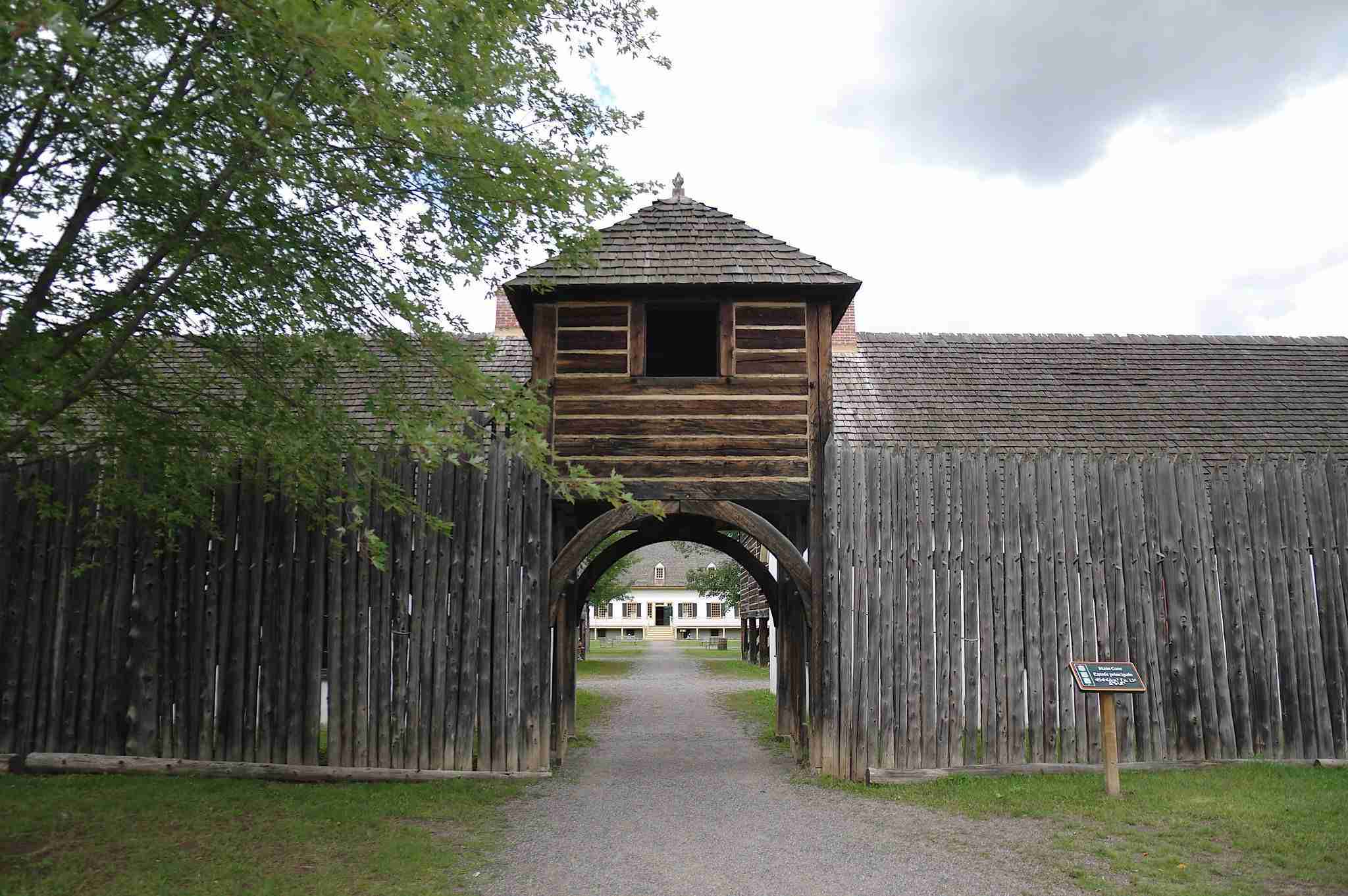
Fort William Historical Park in Thunder Bay, Ontario, is one of North America's largest living history sites, offering photographers an immersive glimpse into the Canadian fur trade era. Spanning 250 acres and featuring 57 meticulously reconstructed heritage buildings, the fort re-creates the world of the North West Company in the early 19th century. Whether capturing costumed interpreters in action, detailed craftsmanship of historic structures, or the natural beauty surrounding the site, Fort William Historical Park is a dream destination for historical and cultural photography.
Best Photography Opportunities
• Authentic 19th-Century Fur Trade Buildings
– The log structures, trading posts, and warehouses provide rich textures and historical authenticity, making them ideal subjects for architectural photography. Capturing them in the warm glow of sunrise or sunset enhances the rustic atmosphere.
• Costumed Interpreters in Action
– The park's staff, dressed as voyageurs, artisans, and traders, bring the fort to life with engaging demonstrations. Photographing blacksmiths at work, canoe builders shaping wood, or fur traders negotiating in dimly lit trading halls adds storytelling depth to images.
• Historic Canoes Along the Kaministiquia River
– Traditional birchbark canoes docked along the riverbank or in motion on the water provide dynamic compositions that reflect Canada's fur trade history. Capturing reflections of the canoes in the calm river at sunrise adds an extra layer of beauty.
• Heritage Farming and Livestock
– The working farm at the fort features heirloom crops, horses, and other farm animals that contribute to the historical experience. Wide shots of fields with the fort in the background or close-ups of farmhands tending to animals create an agricultural narrative.
• Seasonal and Event-Based Photography
– Throughout the year, Fort William hosts reenactments, Indigenous cultural events, and special themed activities. These moments offer excellent opportunities for photographing historical reenactments, period-accurate performances, and vibrant festivals.
• Candlelit and Firelit Night Scenes
– In the evenings, lantern-lit cabins and roaring fires create a warm, intimate atmosphere that contrasts with the cool night sky. Long-exposure shots of fire pits or silhouettes of interpreters against flickering candlelight provide dramatic historical compositions.
Best Time to Visit
The best time to photograph Fort William Historical Park depends on the season and events taking place. Summer offers the liveliest experience, with full reenactments, green landscapes, and active farming. Autumn provides stunning fall foliage that complements the wooden structures, while winter transforms the fort into a snow-covered historical wonderland, ideal for capturing the hardships of fur trade life. Spring offers fresh greenery and the beginnings of agricultural activities. Early mornings and late afternoons provide the best natural lighting, while special event days add unique photography opportunities.
How to Get There
Fort William Historical Park is located in Thunder Bay, Ontario, along the Kaministiquia River. The site is easily accessible by car, approximately 15 minutes from Thunder Bay's city center. Ample parking is available for visitors. Public transportation options are limited, so driving is the most convenient option. Entry fees apply, and photographers should check the official website for up-to-date pricing, seasonal hours, and special event schedules.
Exploring Fort William Historical Park and the Surrounding Area
Beyond the fort itself, the surrounding landscape of the Kaministiquia River and nearby forests offers additional scenic photography opportunities. The park's waterfront setting allows for peaceful sunrise and sunset shots over the water, while trails and wooded areas provide a natural backdrop for historical compositions. Just outside the park, Thunder Bay's vibrant mix of history and nature includes Kakabeka Falls, the Sleeping Giant, and various waterfront views along Lake Superior.
Nearby Photography Locations
• Kakabeka Falls
– Known as the "Niagara of the North," these powerful falls cascade over rugged cliffs, offering stunning landscape photography, particularly during autumn when surrounded by fiery foliage.
• Sleeping Giant Provincial Park
– A short drive from Thunder Bay, this park features dramatic cliffs, hiking trails, and breathtaking views of Lake Superior. The legendary Sleeping Giant rock formation is one of the region's most iconic landscapes.
– The marina and public parks along the Lake Superior shoreline provide opportunities for urban landscape photography, with sailboats, piers, and reflections in the water.
– This elevated viewpoint offers panoramic views of Thunder Bay, the Sleeping Giant, and the vast expanse of Lake Superior, perfect for sunrise and sunset photography.
– A hidden gem for landscape photographers, this dramatic gorge features towering cliffs and lush vegetation, offering breathtaking views and unique geological formations.
Fort William Historical Park is a must-visit destination for photographers interested in history, culture, and immersive storytelling. From authentic fur trade reenactments to picturesque natural surroundings, the fort offers a perfect blend of historic charm and scenic beauty, making it a rich and rewarding subject for photography.
Comments
Loading comments…