
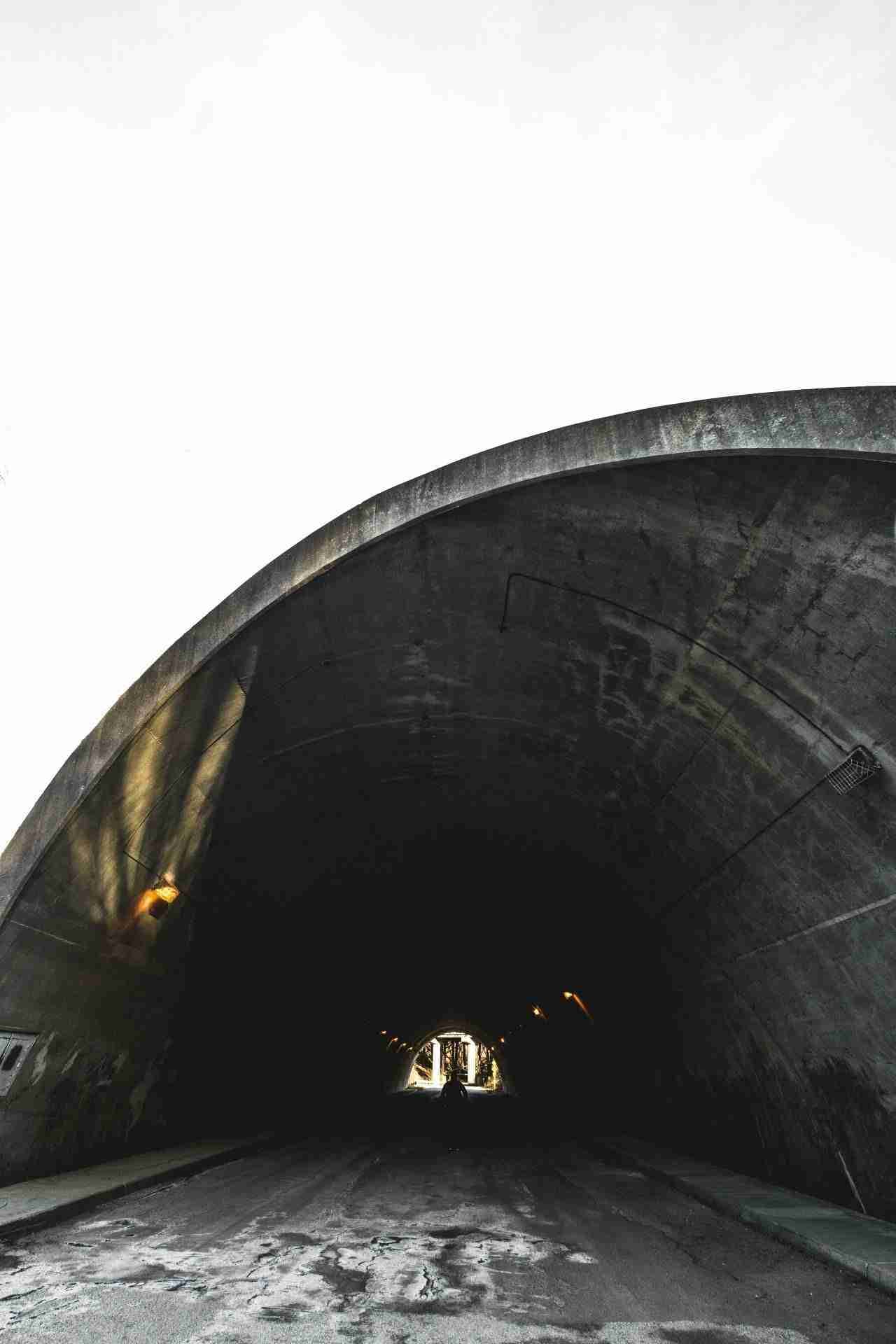
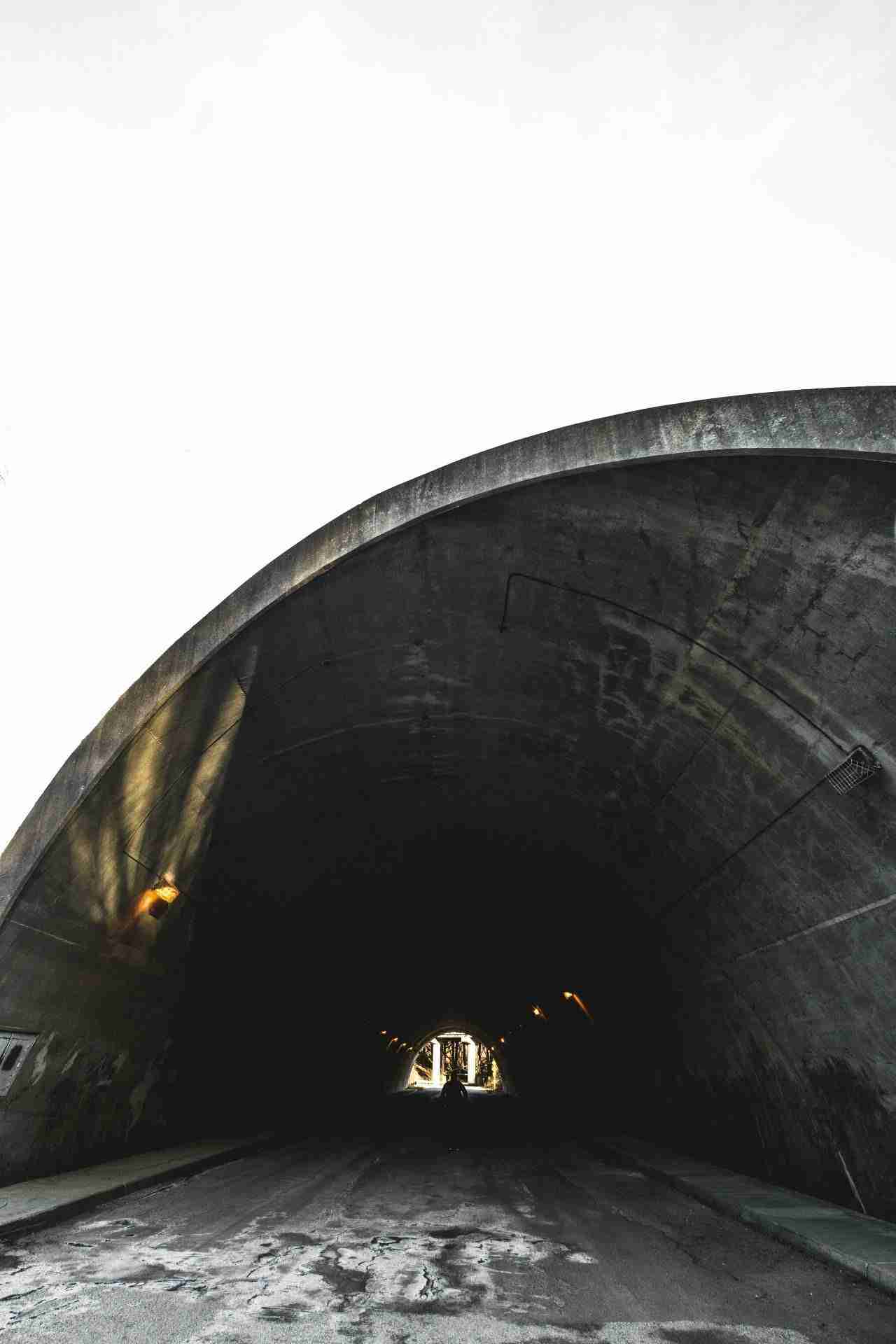
Beneath the hum of the Chedoke Expressway and nestled in the serene confines of Hidden Valley Park, the Hidden Valley Road Tunnel in Burlington, Ontario, reveals itself as a striking fusion of concrete and color, wilderness and urban decay. This unassuming passageway—part drainage tunnel, part pedestrian underpass—has evolved into a living art gallery, with its weathered concrete walls constantly refreshed by layers of graffiti and mural work from local artists. For photographers with an eye for contrast, symmetry, and street-level texture, the tunnel is a dynamic environment where industrial design meets natural quiet. Whether you're chasing strong leading lines or exploring the relationship between human mark-making and the landscape, this site rewards both curiosity and creative experimentation.
Best Photography Opportunities
• Symmetrical Tunnel Compositions and Leading Lines
The tunnel's elongated, rectangular shape naturally draws the eye inward, creating perfect conditions for symmetrical compositions. Position yourself centrally at either entrance with a wide-angle lens (16–35mm) to emphasize converging lines and vanishing points. This perspective works particularly well when framed low to the ground, allowing water stains, gravel, or puddles to add foreground interest. Morning and late afternoon light streaming in from either end adds dimension, casting long shadows that ripple across the graffiti-covered walls.
• Graffiti and Street Art Texture Studies
The tunnel's constantly changing graffiti makes it an excellent subject for detail photography. Bold lettering, layered spray patterns, and stencil work pop against the cold concrete, especially when captured in soft natural light. Use a 35mm or 50mm prime to isolate color patches, explore overlapping textures, or capture entire mural sections with edge-to-edge sharpness. Overcast days are particularly effective for even exposure, allowing the colors to speak without harsh contrast or glare. Return visits can yield entirely different subjects, as new pieces replace older ones in a living cycle of expression.
• Environmental Portraits and Urban Mood
With its raw surfaces and unique acoustics, the tunnel provides an excellent setting for environmental portraiture. Frame subjects walking, biking, or pausing mid-tunnel to create moody, cinematic scenes. Backlighting from the tunnel's opening can silhouette a figure or cast dramatic sidelight across the walls. Shoot with a fast lens wide open (f/1.8–f/2.8) to create shallow depth of field and separate your subject from the textured background. The gritty urban environment contrasts beautifully with polished wardrobe choices or natural posing, offering visual tension and narrative depth.
• Interplay Between Structure and Nature
The location's surrounding forest and creek add a serene context to the industrial setting. Look for moments where vines creep toward the structure, water reflects graffiti beneath, or trees frame the concrete mouth of the tunnel. These juxtapositions are strongest during shoulder seasons—early spring and autumn—when light filters through bare or thinning branches and introduces dramatic contrast between hard and soft forms. Use a 24–70mm lens to balance both tunnel and natural elements within the same frame.
• Seasonal Light and Shadow Play
The tunnel changes character depending on the time of day and season. In winter, snow along the entry paths and soft ambient light filtering through bare trees adds a high-contrast, monochrome aesthetic to the site. During summer, dappled foliage casts shifting shadows into the tunnel, offering fleeting compositions rich in pattern and depth. Try long exposures in low-light conditions to accentuate light trails, ghosted movement, or reflections in puddles. A tripod is useful here, especially during early morning or dusk sessions when ambient light is minimal.
Best Time to Visit
The tunnel is accessible year-round, but the quality of light and atmosphere varies significantly with the seasons. Spring and fall offer the most dynamic compositions—spring brings soft greenery and dramatic contrasts between new growth and urban grit, while autumn cloaks the surrounding woods in golds and reds, perfect for color-rich, moody compositions.
Summer delivers the fullest foliage and midday lighting patterns, making the tunnel entrance particularly photogenic when sunlight filters through dense tree cover. In these warmer months, the tunnel also tends to stay cool, creating a comfortable setting for longer portrait or texture-focused sessions.
Winter simplifies the surrounding landscape. Snow and ice accentuate the angular structure, while muted tones emphasize the color and form of any surviving graffiti. Foot traffic is minimal during this season, making it ideal for long-exposure work and peaceful documentation.
Lighting is best during early morning and late afternoon when the sun is low and shadows stretch deep into the tunnel. Cloudy days are excellent for graffiti and texture work, as they reduce glare and create soft, diffused light that enhances surface detail.
How to Get There
The Hidden Valley Road Tunnel is located within Hidden Valley Park in Burlington, Ontario. The park is easily accessed via Hidden Valley Road, just off Plains Road West and close to the Royal Botanical Gardens and Highway 6. From the main parking area, a short trail leads to the tunnel, cutting through the forested edge of the park and running parallel to Grindstone Creek. The path is well-maintained and walkable in all seasons, though it can be muddy in spring or after heavy rain.
By public transit, the area is reachable via Burlington Transit with a short walk to the park entrance. Cyclists can connect via nearby trail systems, and the park's relatively secluded layout means you're unlikely to encounter large crowds—ideal for uninterrupted shooting sessions.
There is no cost to access the tunnel or park, and photography is permitted throughout the area. Graffiti artists often return to repaint sections of the tunnel, so photographers are encouraged to respect the evolving nature of the space and avoid disrupting any in-progress work.
Recommended Photography Gear
A compact but versatile kit will help you capture the full range of opportunities in and around the Hidden Valley Road Tunnel. A wide-angle lens (16–35mm) is ideal for architectural and symmetry-focused compositions inside the tunnel. A standard zoom (24–70mm) provides the flexibility needed for both portraiture and environmental work along the trails. A fast 50mm or 85mm prime lens is excellent for texture studies and low-light handheld shooting within the shaded tunnel interior.
A tripod is useful for long-exposure or HDR work, especially in lower light or when experimenting with reflections. Bring a circular polarizer to reduce glare on wet surfaces and to enhance the color depth of graffiti. A headlamp or small LED panel is handy for light painting or accenting shadowed areas during dusk or dawn shoots.
Protect your gear from the elements with a weather-resistant bag, and bring a lens cloth to manage humidity or condensation, particularly when shooting near the creek or during cooler months. Lightweight shoes with grip are advisable for navigating uneven or damp surfaces along the tunnel and adjacent trail.
Nearby Photography Locations
Just minutes away, this natural preserve offers boardwalks, marsh views, and diverse wildlife. It's an excellent complement to the tunnel's grit, offering soft nature scenes and sunrise landscape potential.
A short drive south, LaSalle Park features shoreline views of Burlington Bay, sailboats, and quiet wooded trails. Ideal for long-lens water studies and golden hour compositions.
Extending west from the expressway corridor, this multi-use trail includes overpasses, underpasses, and urban-natural transitions perfect for documentary and street-style photography.
For those seeking historical architecture, this grand estate in Hamilton offers neoclassical facades, gardens, and period details—a striking contrast to the raw concrete of Hidden Valley's tunnel.
At the western edge of Hamilton Harbour, this expansive park includes walking paths, water features, and skyline views. It's particularly photogenic during evening golden hour or under stormy skies.
The Hidden Valley Road Tunnel is more than a passage beneath a highway—it's a liminal space where color, form, and environment collide. For photographers chasing bold contrasts, shifting textures, and visual dialogue between human mark-making and the natural world, this overlooked corridor offers something rare: a site that changes not just with the seasons, but with every visit.
Comments
Loading comments…