
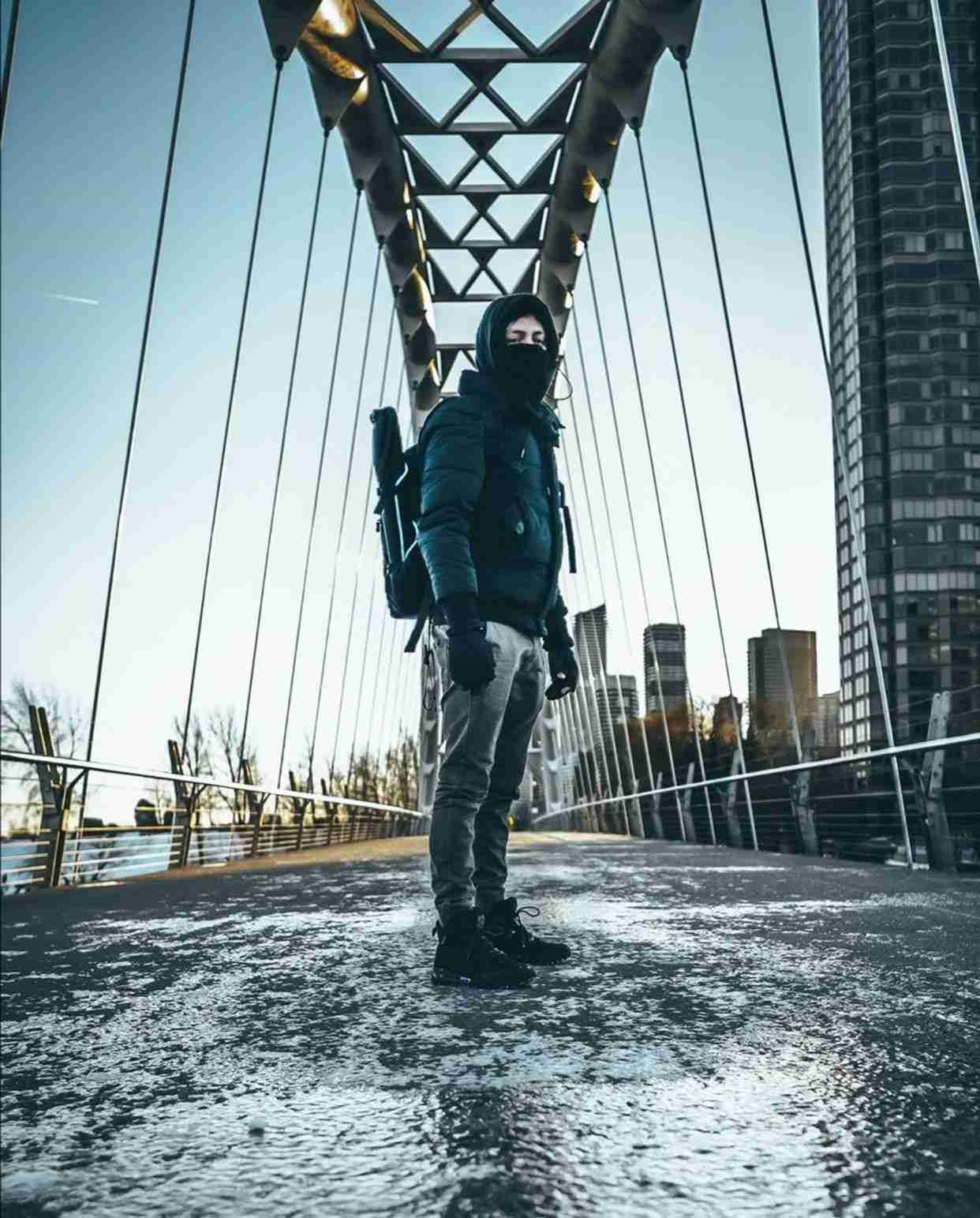
The Humber Bay Arch Bridge in Toronto, Ontario, stands as one of the city's most photogenic modern landmarks. Spanning the mouth of the Humber River as it flows into Lake Ontario, the bridge offers a compelling mix of architectural geometry and natural elements, making it a favored subject for both landscape and urban photographers. Its elegant twin-ribbed arch design and prominent location along the Martin Goodman Trail provide endless opportunities for unique compositions, especially during golden hour when the structure catches the warm light against a backdrop of the Toronto skyline or a serene lakeside horizon.
Best Photography Opportunities
• Symmetrical Compositions from the Center Path
Standing directly in the center of the pedestrian walkway creates a powerful sense of balance, making full use of the bridge's double arch design and evenly spaced suspension cables. This vantage point allows photographers to lead the viewer's eye straight down the frame, especially effective when the horizon aligns with the arch's apex. Early morning light can cast golden tones on the steel, while evening lights from passing cyclists or joggers lend themselves to long exposures with light trails. For added interest, try including a single figure in the frame to give a sense of scale and human connection to the structure.
• Sunset and Twilight Skyline Views
From the eastern approach to the bridge or nearby shoreline spots, photographers can align the arch in front of the downtown Toronto skyline, especially when shooting with longer focal lengths to compress distance. As the sun drops behind the city, the skyline becomes backlit with rich color gradients that reflect in the lake. After sunset, the city lights begin to shimmer, creating an excellent setting for extended exposures using a tripod. For dynamic compositions, consider including passing boats or cyclists on the bridge itself, blurred just enough to imply movement.
• Low-Angle Reflections from the Lakeshore
Just off the southern flank of the bridge, a narrow pebble beach and lakeside rocks provide excellent low-angle vantage points, especially for minimalist compositions. When Lake Ontario is calm—usually in the early morning—the arch reflects almost perfectly in the water. These shots benefit from a sturdy tripod and a polarizing filter to control glare or enhance color saturation. In colder months, ice forms on the rocks and along the water's edge, adding texture and contrast to an otherwise clean composition.
• Drone Perspectives Above the Bridge
Flying a drone above the Humber Bay Arch Bridge reveals patterns and symmetry invisible from ground level. Direct overhead shots showcase the twin arches forming a clean white arc over blue water, while oblique angles can capture the bridge leading into the Toronto skyline. Shooting during foggy mornings or after rainfall adds an atmospheric quality that softens the industrial lines of the bridge. Autumn flights are particularly effective, as the trees lining the Humber River explode with color, framing the white steel against oranges and reds. Always check for drone restrictions in Toronto's airspace before flying.
• Framing with Natural Elements from Humber Bay Park East
The nearby trails in Humber Bay Park East are lined with wild grasses, tall reeds, and seasonal wildflowers that can be used as natural frames for the bridge. Composing with foreground layers—like silhouetted branches or blooms—adds depth and context to your image, turning a simple architectural shot into a multi-dimensional landscape. Morning mist rising from the river or late spring blossoms along the trail add ephemeral details that elevate even straightforward compositions. This is also a good spot to experiment with shallow depth of field techniques for more painterly effects.
Best Time to Visit
The most photogenic conditions at the Humber Bay Arch Bridge occur from late spring through early fall, when foliage along the riverbanks is lush and the light takes on a warm, golden tone during sunrise and sunset. During these months, sunrise light from the east backlights the arches with a subtle glow, creating soft, diffused shadows perfect for shooting from the bridge's western side or capturing the symmetry from its center. Sunset brings rich color gradients behind the Toronto skyline when shooting eastward, often mirrored in the lake if winds are calm—ideal for long exposure work or silhouette framing.
Summer offers long shooting windows and plenty of natural light, but it also comes with heavier foot and bike traffic, especially during evenings and weekends. Early mornings remain the quietest time, giving photographers room to work uninterrupted. Morning mist is not uncommon near the water, adding atmosphere and mood, particularly when viewed from the shoreline or captured in drone footage hovering just above the lake.
Fall introduces a dramatic shift in palette, with trees along the Humber River and surrounding parks bursting into shades of amber, crimson, and gold. These warm hues contrast beautifully against the stark white steel of the arch, especially in soft overcast light or during golden hour when the sun enhances the vibrancy of the foliage. October is particularly rewarding for those seeking seasonal color and cleaner, crisper air.
Winter transforms the location into a minimalist landscape. Snow accumulates on the bridge's curved structure, simplifying the lines and adding contrast to the surrounding environment. Ice along the lake's edge and frozen marshes nearby create intriguing textures for close-up compositions or environmental wide shots. Be aware that high winds and sub-zero temperatures can make longer sessions challenging, so dress accordingly and keep batteries warm.
Spring marks the return of wildlife and early blooms in the adjacent parks, softening the scene with color and new textures. Overcast skies are common, but they help reduce harsh shadows and bring out detail in the bridge's structure and the surrounding environment. Fog is more frequent in early spring, which can turn a standard cityscape into a moody, atmospheric capture.
How to Get There
The Humber Bay Arch Bridge is located along the Martin Goodman Trail, accessible via several nearby parking areas. For those driving, parking is available at Humber Bay Park East, with a short five-minute walk leading to the bridge via paved trails. While access to the bridge and trail is free, some parking lots in the area may charge a fee, particularly during weekends or busy summer months. Cyclists can access the location directly via Toronto's extensive waterfront bike path. For public transit users, the 501 Queen streetcar stops nearby at the Humber Loop, followed by a short walk south toward the lake. The bridge is fully pedestrian-friendly, with wide walkways suitable for setting up tripods and capturing long exposure images. Note that during peak weekends, the area can become crowded with walkers and cyclists, so patience and timing are key.
Exploring the Surrounding Area
The Humber Bay Arch Bridge is just one part of a broader, photo-rich environment along Toronto's western waterfront. Immediately west of the bridge, the Martin Goodman Trail meanders past windswept grasses, native shrubs, and open views of Lake Ontario, offering plenty of opportunities to capture environmental portraits, abstract shoreline textures, or wide-angle landscapes. Early morning is particularly rewarding here, when the path is quiet and low light rakes across the water, creating contrast and definition in both natural and man-made elements.
Along the banks of the Humber River itself, especially north of the bridge, photographers will find more intimate scenes—like quiet eddies reflecting early light or ducks and swans gliding through still water. The paved and gravel paths leading inland provide access to tree-lined bends, footbridges, and even hidden clearings that glow with filtered sunlight in the early hours. These lesser-traveled stretches offer a different mood from the bridge's clean architectural lines—more organic, layered, and immersive.
The mixture of open spaces and tight corridors framed by vegetation invites exploration for those interested in blending urban and natural aesthetics. At night, the footpath lighting along the trail and the soft ambient glow from the city can be used creatively for night photography, especially when incorporating light painting or experimenting with shadows and silhouettes.
Nearby Photography Locations
• Polson Pier
Located across the city on the eastern edge of the Port Lands, Polson Pier provides one of the most iconic views of the Toronto skyline, especially during sunset. The unobstructed view across the harbor, with reflections dancing on the water, makes it ideal for long exposure cityscapes and skyline panoramas.
Just north of the bridge, High Park is a year-round gem for nature and seasonal photography. In spring, the cherry blossoms draw crowds and cameras alike, while fall transforms the park into a patchwork of color. Its hilly trails and ponds create layered compositions with varied lighting throughout the day.
Situated near Ontario Place, this newer park offers clean sightlines of the city skyline with landscaped stone paths, native vegetation, and lakefront seating areas perfect for composed foregrounds. The soft curvature of the trail complements architectural themes found at the Humber Bridge.
A short ferry ride from downtown, the Toronto Islands provide a relaxed, almost rural contrast to the city's intensity. Photographers can shoot westward back toward Humber Bay or capture skyline views framed by beaches, sailboats, and piers. Early morning fog or twilight from the islands often yields moody, atmospheric imagery.
This urban wilderness is a haven for birdwatchers and landscape photographers alike. Its unique geography extends deep into Lake Ontario, allowing for isolated views of the city and expansive compositions of land meeting water. Sunsets here are long-lasting and often dramatic, perfect for wide-angle or telephoto experimentation.
Whether you're chasing early morning mist, golden hour reflections, or sweeping aerial views, the Humber Bay Arch Bridge delivers a rare blend of architectural precision and natural atmosphere that continues to inspire photographers year-round. Its ever-changing light, layered surroundings, and seamless connection to Toronto's broader waterfront trail network make it not just a single destination, but a gateway into a rich and varied visual landscape. For photographers willing to slow down, explore the adjacent parks, and revisit through the seasons, this bridge offers more than just a striking subject—it offers a chance to refine your eye and tell deeper stories through your lens.
Comments
Loading comments…