
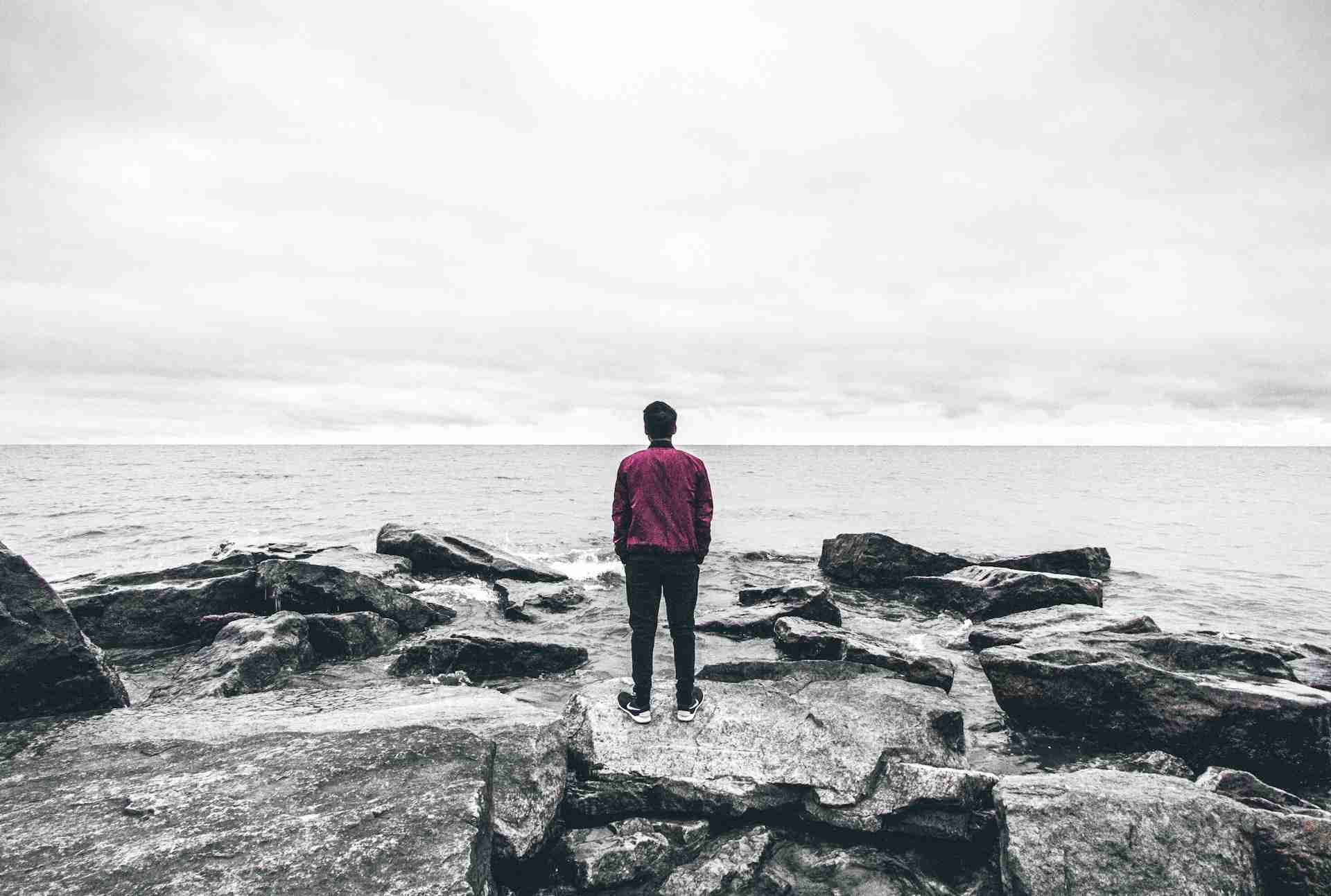
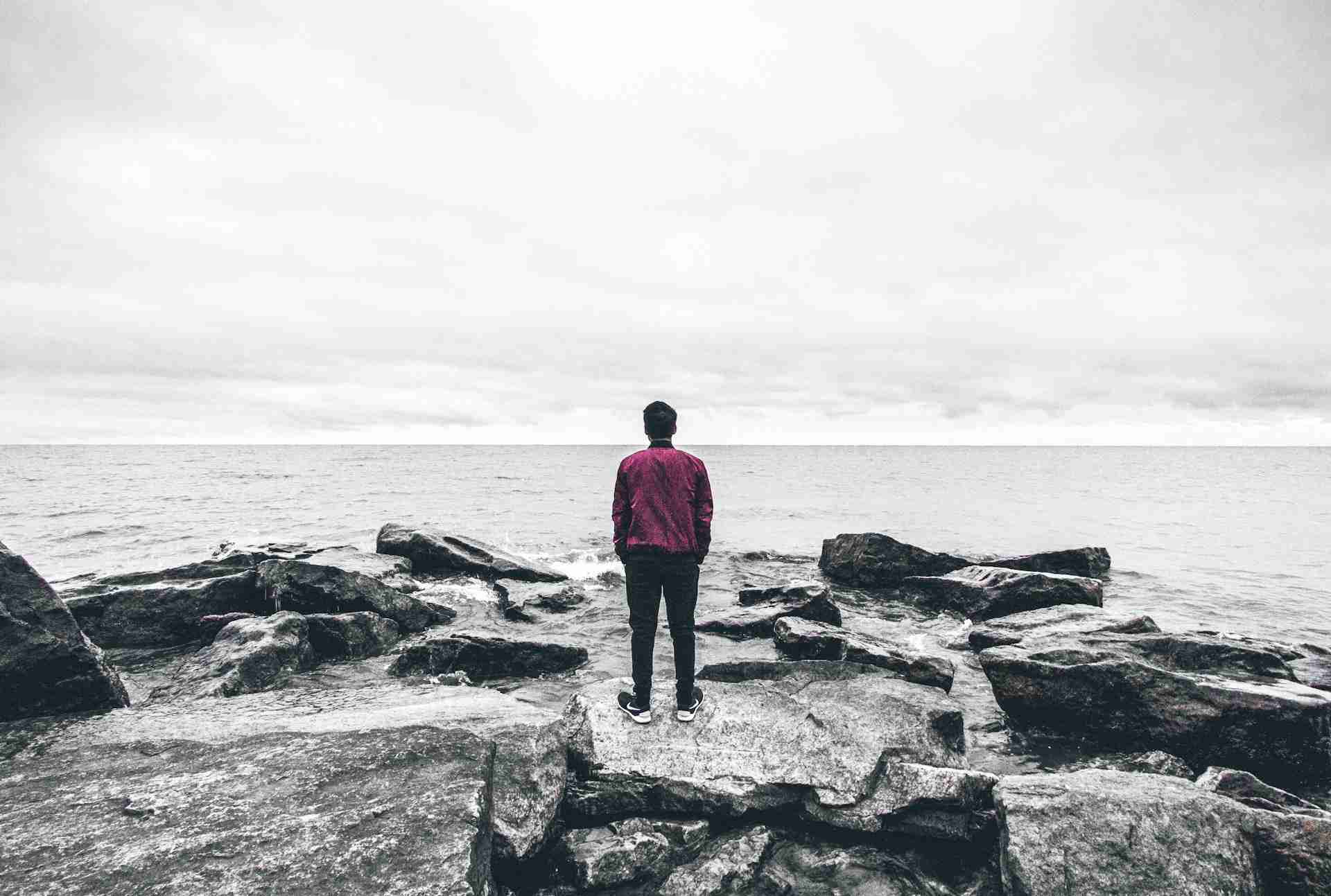
Set along the edge of Lake Ontario just south of downtown Mississauga, J.C. Saddington Park is a peaceful lakefront location where photographers can explore open water views, layered shorelines, and wide skies. Built on reclaimed industrial land, the park has been thoughtfully designed with walking trails, rock embankments, small wetlands, and elevated lookouts that provide a surprising range of photographic compositions. The park faces southeast toward the open lake, making it especially productive during sunrise sessions when the first light reflects off the water and filters through trees and mists. There is a balance here between urban and natural elements, with Toronto's skyline sometimes visible in the distance on clear mornings and sailboats drifting in and out of frame throughout the warmer months. For those looking for a quiet place to focus on light, water, and composition, J.C. Saddington Park offers plenty to work with throughout the year.
Best Photography Opportunities
• Sunrise Over Lake Ontario
The park's southeast orientation makes it one of the best sunrise spots in Mississauga. On clear mornings, the sun rises directly out of the lake, casting golden light across the rippling water and illuminating the shore with a soft, warm glow. Wide-angle compositions work well here, especially when the lake is calm and the sky holds reflected color. During colder months, mist often drifts off the surface of the water, adding texture and atmosphere. The breakwater and rock shoreline provide strong foreground anchors, and early arrivals will have the park largely to themselves.
• Reflections and Rock Formations Along the Shore
J.C. Saddington Park features a mix of natural and constructed shoreline with large boulders placed to prevent erosion. These rocks catch and reflect light throughout the day, making them ideal for foreground elements in both wide and tight compositions. After a rain, small pools form in the depressions between rocks, offering still reflections of sky, clouds, or nearby trees. This area works well for low-angle photography, especially with a tripod positioned close to the waterline. A polarizer can help manage glare and enhance contrast between rock and sky.
• Minimalist Compositions with Open Water and Sky
The openness of Lake Ontario invites minimalist photography, especially on hazy days or in winter when snow and ice mute the colors and textures of the landscape. From several spots along the trail, you can frame the water and sky with a single tree, a rock outcrop, or a drifting boat in the distance. Long exposures are particularly effective here, transforming the lake into a smooth surface and reducing detail to tone and form. These compositions benefit from overcast light or soft morning color and work best with a telephoto lens or mid-range zoom to isolate clean shapes.
• Trail Views Framed by Trees and Shrubs
The internal paths of the park pass through landscaped areas with small stands of trees, flowering shrubs, and wetlands. In spring and early summer, this part of the park becomes vibrant with new growth and offers opportunities for more layered and textural compositions. Shooting along the curves of the path or through clusters of wildflowers can help create depth in your images. Backlighting through trees in the early morning adds warmth and separation between layers of foliage.
• Evening Color and City Lights
While sunrise is the most productive time for natural light, evenings at J.C. Saddington Park can offer strong color gradients across the lake and reflections from passing boats or distant buildings. On clear nights, the Toronto skyline may appear faintly on the eastern horizon, depending on visibility. Shooting after sunset allows for low-light compositions using the ambient glow from nearby lampposts and buildings. These conditions are ideal for longer exposures, and the stillness of the lake often adds a reflective element to the frame.
Best Time to Visit
J.C. Saddington Park is accessible and photogenic in all seasons, though certain times of year offer clearer advantages depending on your goals. Spring brings fresh growth, blooming shrubs, and early bird activity, along with unpredictable but rewarding light. Summer mornings provide the clearest skies and best chance of direct sunrise visibility over the lake, though the park sees more foot traffic after 8 a.m. Autumn offers warm tones in the vegetation and softer, angled light throughout the day. This is also a good time to photograph backlit trees and ground fog along the shoreline. Winter transforms the park into a more minimal landscape, with snow-covered rocks, icy lake edges, and frost on the ground, especially just after dawn. Sunrise is consistently the most rewarding time to photograph here, both for light quality and solitude. Early evening is also effective, particularly when wind is low and the lake holds soft reflections. Wind and waves can affect foreground detail and tripod stability, so it's best to visit on calmer days if planning long exposures.
How to Get There
J.C. Saddington Park is located at the southern end of Mississauga near the Port Credit area, with access via Mississauga Road just south of Lakeshore Road West. The park entrance is clearly marked, and there is a dedicated parking lot that provides direct access to the lakefront trails and open space. Parking is free, though it can fill up quickly on weekends and during summer evenings. From downtown Toronto, the drive takes approximately 30 minutes depending on traffic. Public transit options are available, with Port Credit GO Station a short walk or taxi ride away. The park is open year-round from early morning to late evening, and there are no fees for entry or for photography. Paved paths make it accessible for rolling gear or tripods, and most of the best vantage points are within a few minutes' walk of the parking area. Tripods and drones are permitted, though drone operators should observe Transport Canada guidelines and avoid flying over people or near the nearby marina.
Recommended Photography Gear
The variety of subjects at J.C. Saddington Park allows for a flexible kit, but certain gear will help maximize your time at the lakefront. A wide-angle lens between 14 and 24 millimeters is essential for sunrise scenes that include both sky and shoreline. A mid-range zoom such as a 24 to 70 millimeter lens gives you versatility for compositions along the trails and reflective details in tide pools. A sturdy tripod is key for low-light work and long exposures, especially when shooting close to the water's edge or working in soft light. A set of neutral density filters will help control shutter speed when working with waves or reflections. Circular polarizers are useful throughout the day to manage glare from wet rocks and deepen sky contrast. A lens cloth or microfiber towel is necessary for clearing mist or condensation during colder months. If using a drone, bring extra batteries and plan flights during low-traffic hours to avoid interfering with park visitors. Weather protection is advised in winter and during windy conditions, and a lightweight pack makes it easy to move between shoreline, trails, and open grass areas.
Nearby Photography Locations
Just east of the park, the marina offers sailboats, dock structures, and reflective water surfaces that shine during golden hour and early evening. The mix of boats and surrounding buildings creates strong compositions using lines and reflections, particularly at sunset.
A few kilometers west along the shoreline, this larger park provides wide lake views, elevated bluff perspectives, and open picnic areas surrounded by mature trees. The open grass fields are excellent for sunrise silhouette work or telephoto compression of people and trees against the lake.
Located west of Saddington Park, this wetland preserve is one of the few remaining natural marshes along the Lake Ontario shoreline. Boardwalks and forest paths provide access to bird habitats, reed beds, and hidden viewpoints. Early morning is best for fog, bird activity, and soft, natural light.
This historic property features a stately old house, stone walls, and mature trees set along the lakefront. It is popular for portraits and lifestyle photography but also offers quiet spaces for environmental scenes and architectural details. Late afternoon light works well here.
• St. Lawrence Park, Port Credit
Just a short walk from J.C. Saddington Park, this small lakeside park provides an alternative angle for sunrise and includes benches, trees, and unobstructed lake views. The atmosphere is more intimate, and the park often has fewer people during early hours.
J.C. Saddington Park offers a calm, flexible, and rewarding environment for photographers working with light, water, and natural form. Whether you are planning a deliberate shoot at sunrise or exploring spontaneous compositions along the shoreline and trails, the park provides a dependable and inspiring location with year-round visual potential. Its close proximity to both urban and natural elements makes it a useful location for both short sessions and extended practice.
Comments
Loading comments…