
The Ken Seiling Waterloo Region Museum is more than a cultural institution—it's a multifaceted visual destination that bridges contemporary design with over 12,000 years of local history. As the largest community museum complex in Ontario, it includes a modern museum building, a living heritage village, and extensive exhibits that chronicle Indigenous life, European settlement, and regional development through to the present day. From striking architectural elements to the immersive environments of Doon Heritage Village, this site offers photographers a rich range of subjects, whether you're drawn to symmetry, texture, candid scenes, or atmospheric light.
Best Photography Opportunities
• Museum Exterior and Glass Facade
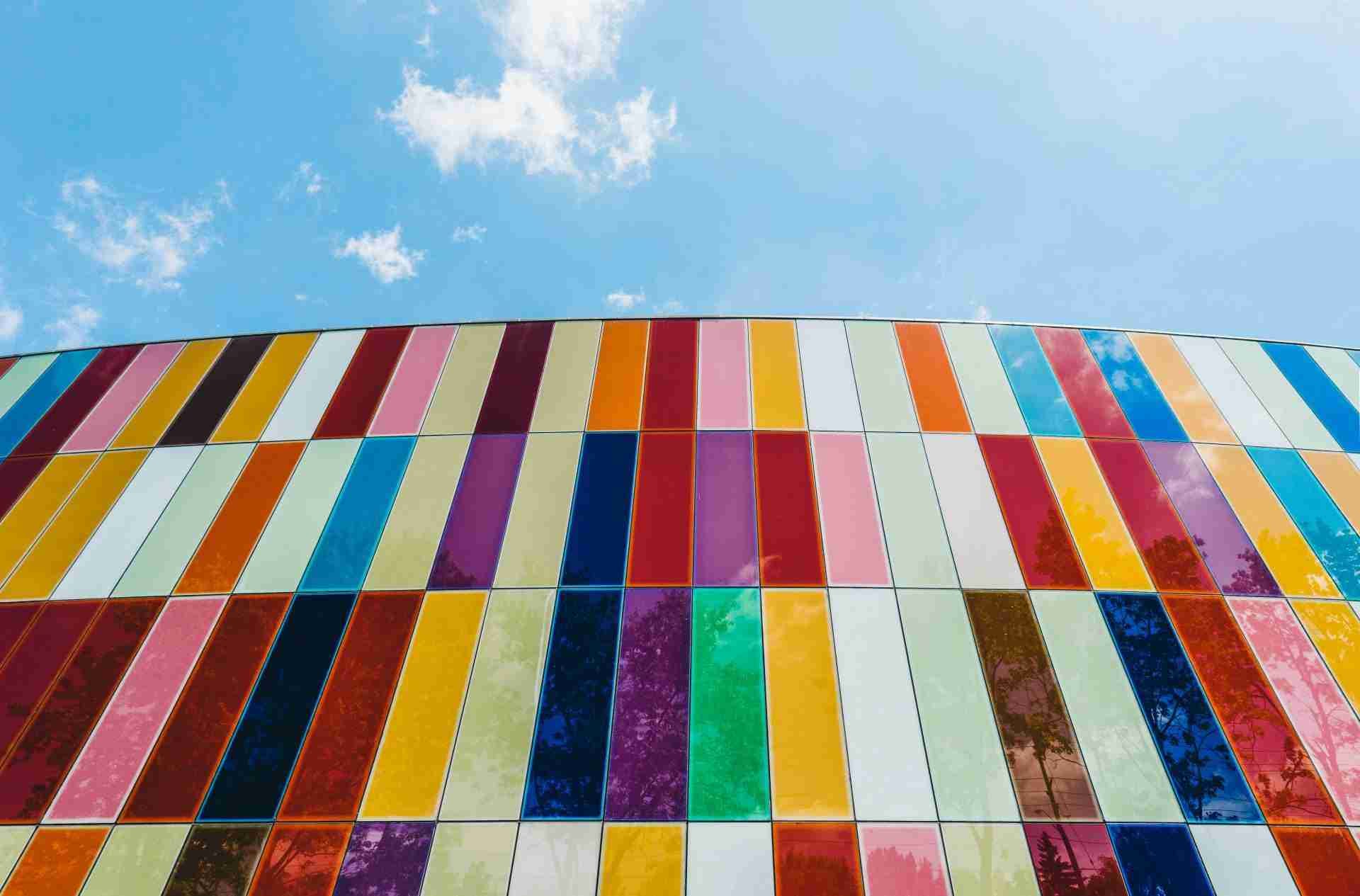
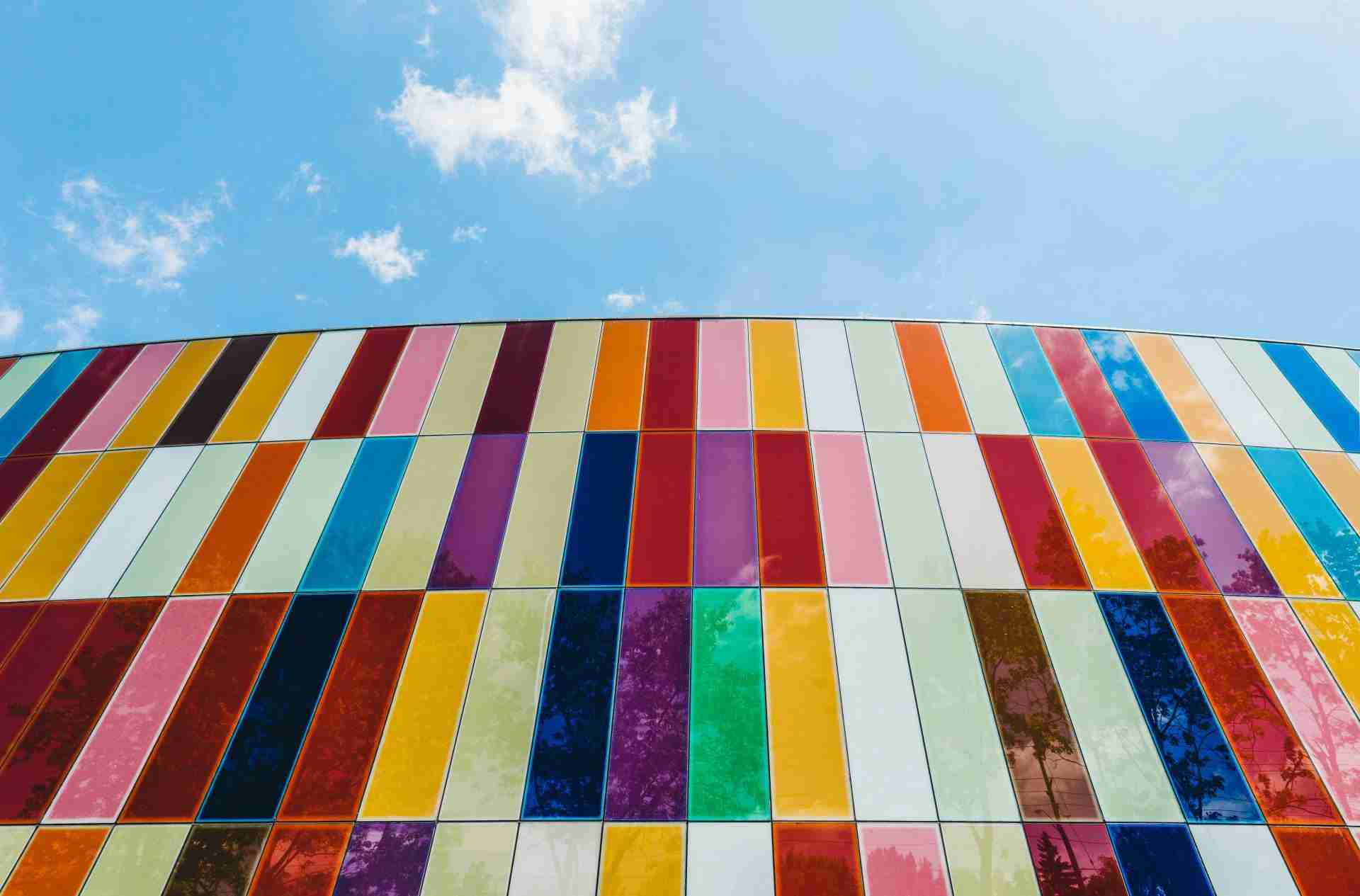
: The museum's main building is wrapped in a bold array of multicoloured glass panels that shimmer in shifting light. Use a wide-angle lens to capture the full sweep of this façade, especially from oblique angles that allow the colors to overlap and reflect the surrounding trees and sky. On sunny days, the glass glows with jewel tones; on overcast days, it creates a moody, graphic aesthetic perfect for more abstract architectural work. The strong lines and angular geometry of the structure make it ideal for high-contrast compositions with leading lines and architectural symmetry.
• Interior Spaces and Exhibit Design
: Inside the museum, the long-term gallery explores the region's deep history through interactive displays, life-sized dioramas, and artifact-rich exhibits. The layout combines darkened spaces with spotlit features, creating dramatic lighting conditions for environmental detail shots. Use a fast lens and high ISO to work handheld in low light, capturing intimate images of tools, clothing, or installations that bring local stories to life. Framing through doorways or between exhibits allows you to create depth and suggest narrative flow.
• Doon Heritage Village Street Scenes
: Adjacent to the museum is Doon Heritage Village, a recreated early 20th-century settlement with period buildings, gravel roads, and heritage gardens. This open-air environment is ideal for timeless compositions, especially in the golden hours when the warm light plays off wood siding and old glass windows. Shoot wide for full street scenes or use a telephoto lens to compress picket fences, porches, and tree lines. Keep an eye out for costumed interpreters or seasonal décor, which add human presence and detail to the historical atmosphere.
• Portraiture and Documentary Moments
: Whether indoors or in the heritage village, the museum is an excellent setting for environmental portraits and candid documentary photography. The heritage buildings provide rustic textures, warm tones, and authentic architectural backdrops, while the modern gallery offers clean lines and ambient light from the high windows. Portraits near the multicoloured glass wall can use reflected light and color overlays to dramatic effect. If visiting during a special event, candid shots of demonstrations or public interaction offer opportunities for storytelling and authentic emotion.
• Details and Architectural Textures
: Throughout the complex, look for micro-compositions in signage, historic materials, and environmental contrast—weathered wood next to wildflowers, rusted hinges on barn doors, or glass panels reflecting a changing sky. These smaller subjects round out broader visual narratives and help build cohesive photo essays. A mid-range zoom or prime lens allows you to explore these quieter moments without switching gear constantly.
Best Time to Visit
The museum and heritage village offer year-round photography opportunities, but the nature of your subject matter will change with the seasons. Spring and summer bring lush foliage, blooming gardens, and open doors throughout the village, ideal for colorful scenes and dynamic environmental portraiture. Autumn is particularly photogenic, with changing leaves complementing the warm wood tones of the heritage structures and softening the light across the entire site.
Winter reduces the color palette but enhances texture and contrast, especially when snow dusts rooftops or clings to old fences. It's a quieter time, ideal for more contemplative compositions, architectural studies, and minimalism.
The best time of day to photograph the museum's exterior is in the late afternoon when the multicoloured glass panels are illuminated by side light. For the heritage village, morning and golden hour light offer strong directionality and softness, perfect for storytelling and mood. Overcast skies are especially helpful for interior work and even lighting across wooden surfaces and narrow village lanes.
How to Get There
The Ken Seiling Waterloo Region Museum is located at 10 Huron Road in Kitchener, Ontario, just off Homer Watson Boulevard and minutes from Highway 401. The site is well signed and accessible by car with ample free parking available onsite. It's also reachable via public transit from within Kitchener-Waterloo, with Grand River Transit routes stopping nearby.
Admission includes access to the museum and Doon Heritage Village during its operating season. Tripods and non-commercial photography are permitted throughout the site, though interior use may require discretion due to low light and other visitors. Special events and seasonal programming may bring additional photographic opportunities, such as costumed interpreters, live demonstrations, and vintage vehicles.
Recommended Gear and Shooting Tips
Bring a wide-angle lens for architectural shots and broad environmental compositions, especially around the museum's modern structure and inside the exhibit hall. A mid-range zoom (24–70mm) is ideal for most scenes in the heritage village, while a fast prime or macro lens will help with artifact details, low light, and shallow depth of field.
A tripod is useful for interior work, especially in the museum's darker exhibit areas or for evening shots around the exterior glass wall. If working handheld, raise your ISO and shoot with fast apertures to maintain sharpness. A circular polarizer can help reduce reflections on the museum's glass and enhance sky contrast on bright days, but use caution around multicoloured panels to avoid uneven effects.
Plan for both outdoor and indoor shooting, and dress accordingly—especially if you're exploring the heritage village for extended periods. Bring a lens cloth for managing fog or dust, and keep an eye out for fleeting light changes through doorways or across windows. These transitional moments often create the most evocative images.
Nearby Photography Locations
: Just down the road from the museum, this historic home and art space offers a peaceful garden, original architecture, and rotating art exhibits. The house itself is beautifully preserved and ideal for architectural detail shots, while the surrounding grounds are excellent for portraiture and soft afternoon light.
: Located in downtown Kitchener, this restored 19th-century homestead offers immersive pioneer-era environments, complete with period furniture, gardens, and seasonal displays. It's perfect for capturing indoor historical details and storytelling images framed by rustic textures and warm, natural light.
: One of the city's oldest parks, featuring a picturesque bridge, large weeping willows, and a Victorian-style pavilion beside a tranquil pond. The changing seasons dramatically influence compositions here, and it's an excellent setting for both candid portraits and peaceful landscape work.
: A linear multi-use trail that runs through the heart of Kitchener-Waterloo, offering access to industrial heritage features, old rail bridges, and tree-lined corridors. It's great for lifestyle photography, street documentary work, or capturing cyclists and walkers against urban backdrops.
: Just north of the city, this charming rural town is rich in photographic material—from Mennonite heritage and horse-drawn buggies to rustic storefronts and riverside trails. Visit the market early in the morning for candid street scenes and artisan-focused detail shots, or explore the old mill district for architectural work.
The Ken Seiling Waterloo Region Museum is a rare combination of architectural presence and narrative richness. Whether you're documenting a quiet morning in the heritage village, exploring vibrant reflections in modern glass, or focusing your lens on a piece of local history, this museum complex offers photographers an expansive canvas where time, culture, and visual storytelling all converge.
Comments
Loading comments…