
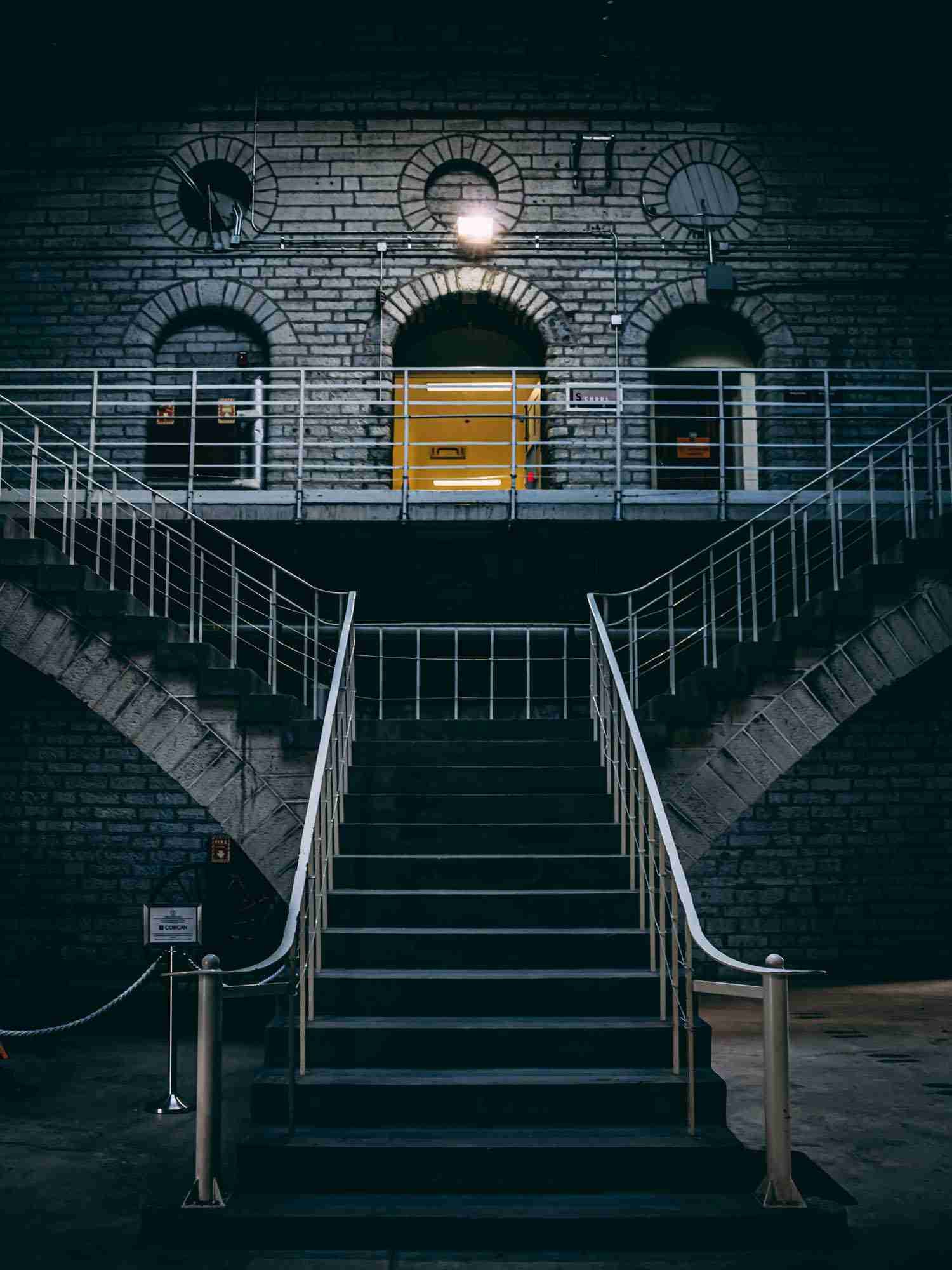
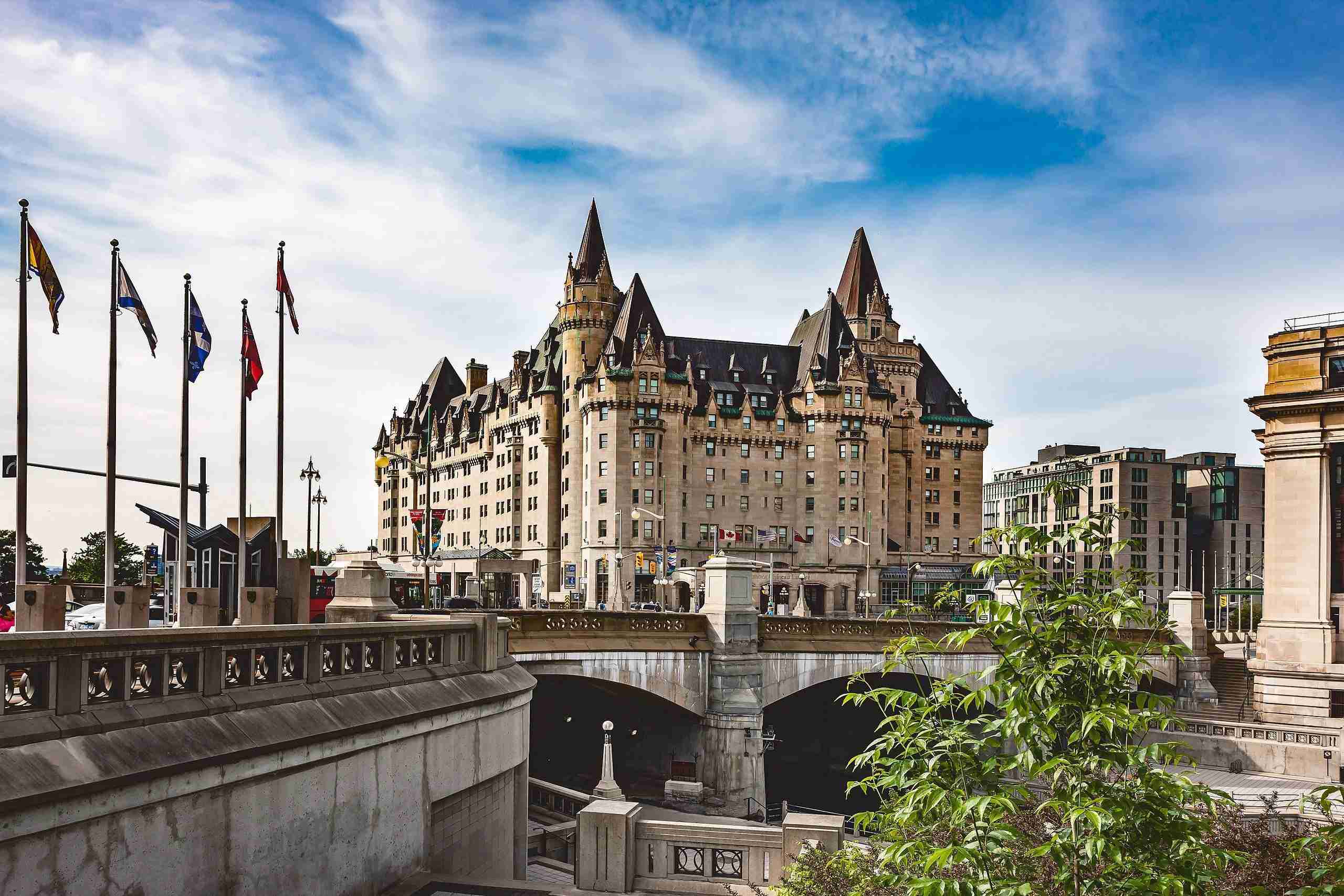
Perched just outside the towering walls of one of Canada's most infamous former prisons, the Kingston Penitentiary Museum is a unique location for photographers interested in architectural heritage, social history, and the quiet drama of institutional space. Housed in the former Warden's residence of Kingston Penitentiary, this limestone building holds a fascinating collection of artifacts from Canada's correctional system—but for photographers, it's the exterior, setting, and surrounding context that offer the most evocative visual material.
The museum sits just across from Kingston Pen itself, allowing you to frame scenes of historic confinement from a thoughtful distance. Whether you're drawn to the formality of 19th-century stonework, the symbolism of bars and locks, or the eerie calm that lingers in decommissioned spaces, this site offers a layered and meaningful photographic experience.
Best Photography Opportunities
• Historic Stone Architecture and Textural Contrast
The museum building is a well-preserved example of late 19th-century limestone construction, with classic proportions, arched windows, and heavy lintels. Weathering has given the stone a rich texture that photographs beautifully in raking light. Early morning or late-day golden hour enhances the tonal depth in the stonework and reveals the chisel marks and weather-stained mortar that bring character to the building. You can work the façade from multiple angles to emphasize different architectural rhythms, from wide, symmetrical compositions to tighter frames that isolate masonry detail and aging surfaces.
• Contextual Compositions with Kingston Penitentiary
Just across the street stands the massive fortress-like structure of Kingston Penitentiary itself, with its imposing walls, barred windows, and watchtowers. Composing both structures in a single frame tells a larger story of institutional life and authority. Use a wide-angle lens from the nearby parking area or sidewalk to frame the museum in the foreground and the prison in the distance, placing the two in quiet visual dialogue. The contrasting purposes of these two buildings—domestic versus carceral—can be subtly conveyed through perspective, light, and the physical space between them.
• Architectural Details and Ironwork
Iron bars, period locks, exterior cell doors, and original signage around the museum provide strong focal points for detail-oriented shooting. These close-up elements carry symbolic weight and visual impact, especially when isolated with a shallow depth of field. Overcast skies help reduce glare on reflective surfaces like aged iron and allow you to capture rust and patina with clean tonal separation. Seek out shadow-play through bars or angled sunlight across peeling paint to create strong visual metaphors or standalone vignettes within a broader photo series.
• Interior Displays and Artifacts (If Accessible)
With permission and during open hours, the museum's interior features displays of handcrafted prisoner tools, escape devices, and prison-made artwork that make compelling photographic subjects. Glass cases and low light can be challenging, so bring a fast lens and avoid flash. If permitted, isolate these artifacts against their dark backgrounds to highlight their handmade, often haunting character. Focus on the textures and craftsmanship—many of these objects speak volumes about resourcefulness and life lived under constraint, making them ideal subjects for intimate, story-driven images.
• Black-and-White Interpretations and Historic Mood
The symmetry of the building, the gravitas of the subject matter, and the texture of the materials make this a particularly strong location for black-and-white work. Stripped of color, the scene becomes more about contrast, shape, and historical weight. Consider using monochrome edits for moody, timeless images that reflect the somber tone of the site's history. This approach works especially well on cloudy days or in winter, when shadows are soft and the reduced palette naturally leans toward grayscale tones that enhance the emotional tone of your photographs.
Best Time to Visit
The museum and penitentiary grounds are accessible throughout the year, and each season brings its own visual tone. Spring offers bright, clean light and fresh greenery that provides a natural contrast to the cold austerity of the limestone buildings. The fresh foliage softens the scene without overwhelming it, making this a good season for balanced compositions.
Summer brings stronger light and longer days, which can be useful for working through a variety of lighting conditions, especially if you're planning to shoot both early and late. However, harsher midday light can wash out detail on the pale limestone unless it's creatively used for high-contrast work or black-and-white conversions. Visitors tend to peak in the summer months, particularly on weekends, so early morning or late evening is best if you're seeking solitude.
Autumn is arguably the most photogenic season at this site. The warm tones of turning leaves and low, golden sunlight create rich contrasts with the institutional grey of the buildings. Shadows lengthen, light becomes directional, and opportunities for atmospheric storytelling increase—especially when paired with long exposures or subdued color grading.
Winter transforms the museum and surrounding grounds into a stark and evocative scene. Snow clings to ledges and collects in window recesses, outlining architectural forms and giving visual clarity to the heavy stone geometry. The subdued color palette in winter lends itself especially well to monochrome work, and cold weather often brings calm, clear air for precise detail shots. Just be prepared for strong winds and very cold conditions coming off Lake Ontario.
How to Get There
The Kingston Penitentiary Museum is located at 555 King Street West in Kingston, Ontario, directly across from the main gates of Kingston Penitentiary. From downtown Kingston, it's a short five-minute drive or a pleasant 20-minute walk along the waterfront. Parking is available on-site or along the adjacent streets, though it can be limited during museum hours or while penitentiary tours are in session.
While the museum offers exterior access at all times, visitors looking to deepen their photographic and historical experience can book a guided tour of Kingston Penitentiary itself, operated seasonally by the St. Lawrence Parks Commission. These tours provide rare access inside Canada's most famous maximum-security prison, including the cell blocks, exercise yards, and surveillance infrastructure. Photography is permitted during the tour, though flash and tripods are restricted, and visitors must remain with the group. Booking in advance is strongly recommended, especially during peak travel months or weekends.
The museum and penitentiary share the same stretch of King Street West, making it easy to visit both in the same outing. Even if you don't take the interior tour, the area around the museum provides strong photographic context, and the street frontage of the penitentiary remains one of the most visually commanding façades in Ontario.
Recommended Gear and Shooting Tips
A wide-angle lens (16–35mm) will allow you to capture the scale of the museum and its relationship to the penitentiary across the street, especially if you want to include foreground elements or shoot in tighter urban quarters. Use it to emphasize the weight and symmetry of the architecture while placing the structures in their broader context.
A mid-range zoom (24–70mm) offers excellent flexibility for isolating architectural elements such as windows, doors, and historical signage while still allowing you to pull back for contextual compositions. A fast prime lens (35mm or 50mm f/1.8 or wider) is highly useful if you're working indoors or aiming for low-light handheld shots with shallow depth of field, particularly if you're granted permission to shoot the museum's interior artifacts.
A sturdy tripod is essential for long exposures, symmetrical compositions, and shooting during early morning or twilight hours. It also helps with precision framing when working with lines and structure, especially for compositions involving doorways, arches, and interior displays. Bring a circular polarizer to cut glare on glass or metal surfaces and to enhance cloud definition when shooting under bright skies.
If you're photographing in winter, bring extra batteries and keep them warm—cold conditions will drain power quickly. A lens cloth is important for dealing with moisture and condensation, especially if moving between indoor and outdoor environments. In summer, a lens hood will help with flare, and neutral-density filters can allow for long exposures of moving clouds or crowds in bright conditions.
Consider working the site from multiple distances: shoot establishing frames from across the street, then move in for midrange architectural context, and finally close-ups of textures, signage, and lock mechanisms. This progression helps build a strong visual narrative anchored in both structure and story.
Nearby Photography Locations
• Kingston Penitentiary Exterior and Waterfront Wall
Just across the street, the penitentiary's massive limestone façade and gatehouse offer dramatic photographic opportunities. Use side light to enhance the verticality of the guard towers and watch for golden-hour glow on the west-facing walls.
• Murney Tower and Kingston Waterfront
A short walk south, this 19th-century Martello tower sits on the shore of Lake Ontario and provides a compact but photogenic military structure. Pair it with wide lake views or shoot close to highlight its thick walls and defensive architecture.
• Portsmouth Olympic Harbour
Located just west of the penitentiary, this marina offers wide water views, sailboats, and sunset opportunities over Lake Ontario. A nice contrast to the more static and structured imagery of the museum and prison.
A few blocks away, the university's historic limestone buildings provide additional architectural subjects with cleaner lines and active pedestrian scenes. Ideal for blending human scale and heritage in one frame.
Northeast of downtown, this quiet park with historical grave markers and large trees offers moody, shaded compositions and layered texture. It's a good spot for atmospheric portraits or quiet street-style shooting in early or late light.
The Kingston Penitentiary Museum sits at the intersection of architecture, memory, and justice—an evocative and deeply visual site that invites careful composition and thoughtful engagement. For photographers seeking to document structures with stories embedded in stone and iron, it offers a rare and resonant opportunity.
Comments
Loading comments…