
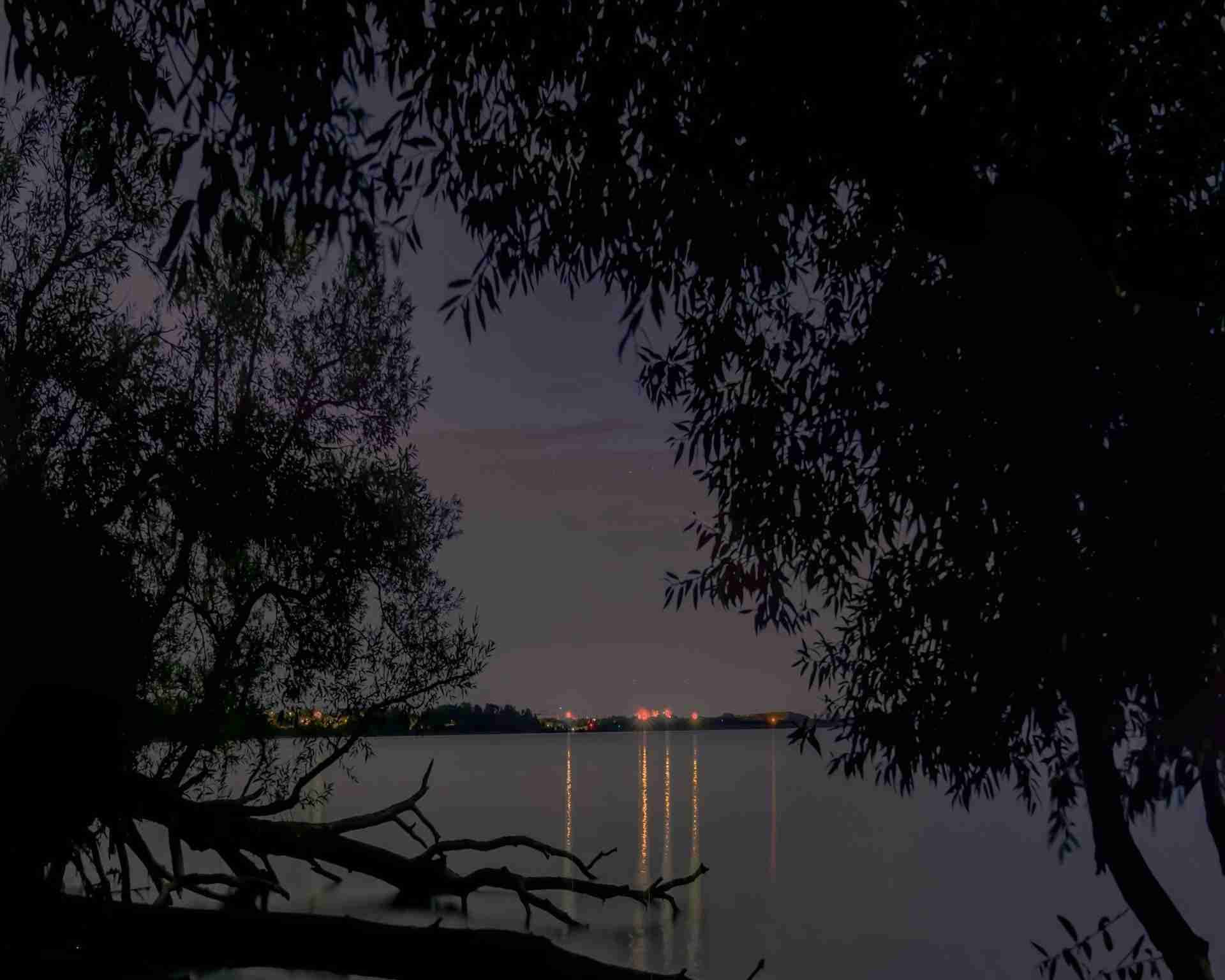
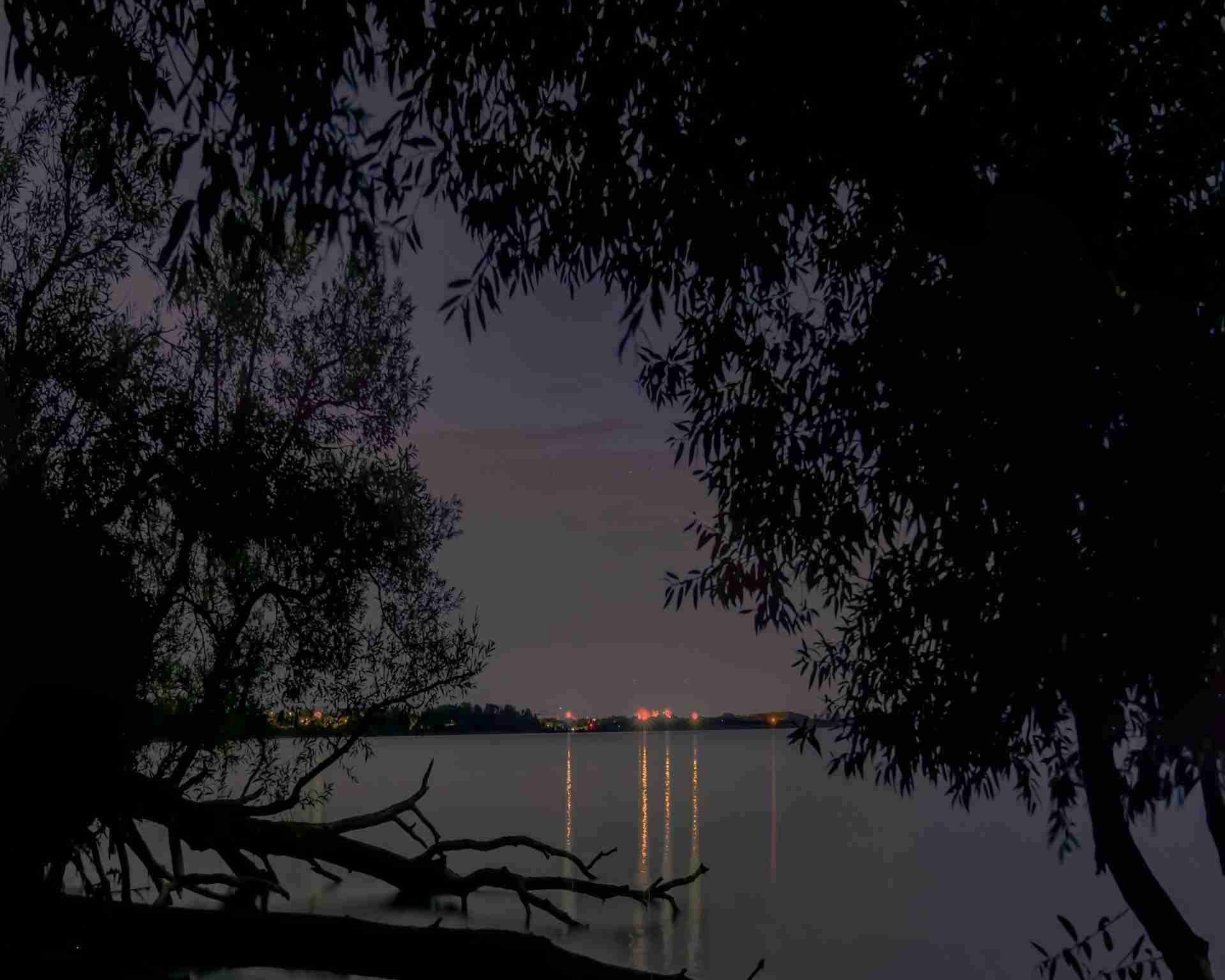
Located along the north shore of Lake Ontario in Whitby, Lynde Shores Conservation Area offers one of the Greater Toronto Area's most accessible and rewarding nature photography destinations. Known for its expansive wetlands, hardwood forests, and proximity to migratory bird pathways, the area provides a rich variety of subject matter across multiple ecosystems. Trails and boardwalks wind through marshes, wooded corridors, and shoreline habitat, allowing photographers to get close to wildlife without disturbing it. Whether you're shooting the delicate light of a foggy morning or capturing the striking posture of a heron in flight, Lynde Shores is a place where quiet observation and creative composition go hand in hand.
Best Photography Opportunities
• Bird Migration and Waterfowl in the Marshes
Spring and fall are prime seasons for photographing migratory birds passing through the wetlands. Ducks, geese, swans, and shorebirds gather in high numbers, while warblers and red-winged blackbirds flit through the reeds. A telephoto lens in the 300–600mm range is ideal for capturing detail from the boardwalks without needing to leave the path. Mornings often produce soft, directional light and rising mist that enhance color and add atmosphere. Use burst mode to freeze movement or capture takeoffs and landings on the water.
• Deer and Small Mammals in Woodland Clearings
White-tailed deer are commonly seen grazing in the early hours along the Meadow Trail and woodland edges. These moments are best photographed with a medium telephoto lens that allows for a balanced composition of subject and environment. Use a wide aperture (f/2.8–f/4) to isolate your subject while preserving background context. Quiet approach and patience are essential—many of the deer are accustomed to human presence, but they still respond to sudden movement or noise.
• Boardwalk Compositions with Leading Lines
The boardwalks at Lynde Shores provide natural leading lines that lend themselves to strong landscape compositions. Framing with low angles and including trail curvature or railings can add depth and rhythm to the scene. These structures also reflect the morning light, especially after rainfall, and are useful foregrounds for storytelling images that show the interaction between habitat and human presence. A wide-angle lens in the 16–35mm range is ideal here, especially during golden hour or under foggy conditions.
• Songbirds and Feeders Along the Forest Trail
Near the main entrance and trailheads, feeders attract a variety of smaller birds including chickadees, nuthatches, cardinals, and woodpeckers. These areas are excellent for more controlled wildlife photography, allowing you to test timing, exposure, and focus tracking in relatively predictable conditions. A fast lens and high frame rate are helpful, especially when photographing birds mid-flight between branches and feeders. Late afternoon light filtering through the canopy creates soft background bokeh that enhances the visual appeal.
• Seasonal Color and Reflections on the Lynde Creek Shoreline
In autumn, the trees along Lynde Creek and the forest edges turn a vibrant palette of yellows, oranges, and reds. Reflections in the still water along the creeks and marsh pools offer opportunities for abstract compositions or mirror-like images. Polarizing filters help manage glare and boost saturation, while overcast days allow you to emphasize color and tone without the harsh shadows of direct sunlight. This is also an excellent time to shoot wide scenics or slow-paced environmental studies.
Best Time to Visit
Lynde Shores is photographically productive year-round, but the transitional seasons—spring and autumn—are the most dynamic. During spring migration in April and May, the marshes and tree canopies fill with activity, from nesting geese to returning songbirds. The foliage is soft and green, and morning mist often blankets the trails, creating mood and depth.
In autumn, from late September through October, the area is at its most colorful. The trails are flanked with vibrant leaves, the light is warm and angled, and both birds and mammals are highly active in preparation for winter. This is an excellent time for landscape and close-range wildlife work alike.
Winter brings simplicity and stark beauty, especially after fresh snow. While fewer species are present, those that remain—such as chickadees, woodpeckers, and deer—can be easier to spot and photograph in the open. Snow also highlights animal tracks and simplifies background clutter, making compositions cleaner.
Early mornings offer the best light and the most wildlife activity. Sunrise sessions provide low-angle light across the marshes and fewer people on the trails. Avoid mid-afternoon on weekends when the area becomes busy with walkers and casual visitors.
How to Get There
Lynde Shores Conservation Area is located at 1225 Victoria Street West in Whitby, Ontario, just off Highway 401. From Toronto, take the Brock Street exit and head south to Victoria Street, then turn west. A clearly marked entrance leads to the main parking lot, which is operated by Central Lake Ontario Conservation Authority.
Parking is available year-round, with a modest fee that helps fund trail upkeep and habitat protection. From the lot, several trail options branch out, including the Waterfront Trail, the Marsh Trail, and the Chickadee Trail. All are well-maintained and relatively flat, with boardwalks and resting areas throughout.
The site is easily accessible on foot, by bike, or via public transit routes from Whitby and Oshawa. While the area is open year-round from dawn until dusk, early morning visits are recommended for both optimal lighting and quieter conditions.
Recommended Gear and Shooting Tips
A telephoto lens in the 300–600mm range is essential for bird photography, particularly in the marshes and shoreline areas. A fast lens with f/4 or wider aperture is helpful for freezing action in low light, especially in early morning or under canopy cover. For landscape compositions or boardwalk studies, a wide-angle zoom (16–35mm) offers the flexibility needed for immersive scene setting.
Tripods or monopods are useful but should be used with care—boardwalks can vibrate with foot traffic, so image stabilization or handheld techniques are often more reliable. A beanbag or compact support system is handy when working close to the ground.
Bring a circular polarizer to manage water reflections and deepen sky contrast, especially useful during autumn or post-rain sessions. Waterproof footwear and lens protection are strongly advised in spring and fall when trails can be muddy or marsh edges are flooded.
Shoot in RAW to maximize dynamic range and flexibility in post-processing. Practice patience and stay alert—wildlife often appears suddenly and disappears just as quickly. Respect trail etiquette and conservation rules, and avoid approaching or feeding animals, even in well-frequented areas.
Nearby Photography Locations
Located just north of Lynde Shores, Heber Down offers upland forest trails, a meandering creek, and quiet glades that are ideal for macro and woodland photography. Autumn is particularly colorful, and wildlife sightings include hawks, owls, and deer.
Just east along the waterfront, this mature forest remnant is a haven for bird photographers, especially during spring migration. Warblers, vireos, and thrushes are frequent visitors, and the canopy light makes for excellent handheld shooting.
This urban waterfront park features sandy beach areas, groves of mature trees, and long pier views of Lake Ontario. It's ideal for sunrise shoots and minimalist long-exposure compositions of water and sky.
• Duffins Creek Marshlands
West toward Ajax and Pickering, these extensive wetlands provide similar habitats to Lynde Shores but with less foot traffic. Canoe-based photography is possible here, offering access to less disturbed shorelines and reed beds.
A short drive east, this lakeside park offers beach scenes, migratory bird habitat, and open meadows perfect for sunrise and sunset compositions. Seasonal camping access can extend shooting opportunities into blue hour and early morning.
Lynde Shores Conservation Area offers photographers a rare blend of approachability and ecological richness. It's a location where intimate wildlife moments and broad natural vistas coexist on quiet trails just minutes from the city. For those who shoot with intention and patience, it provides an ever-changing canvas shaped by seasons, species, and the soft rhythm of Ontario's southern shore.
Comments
Loading comments…