
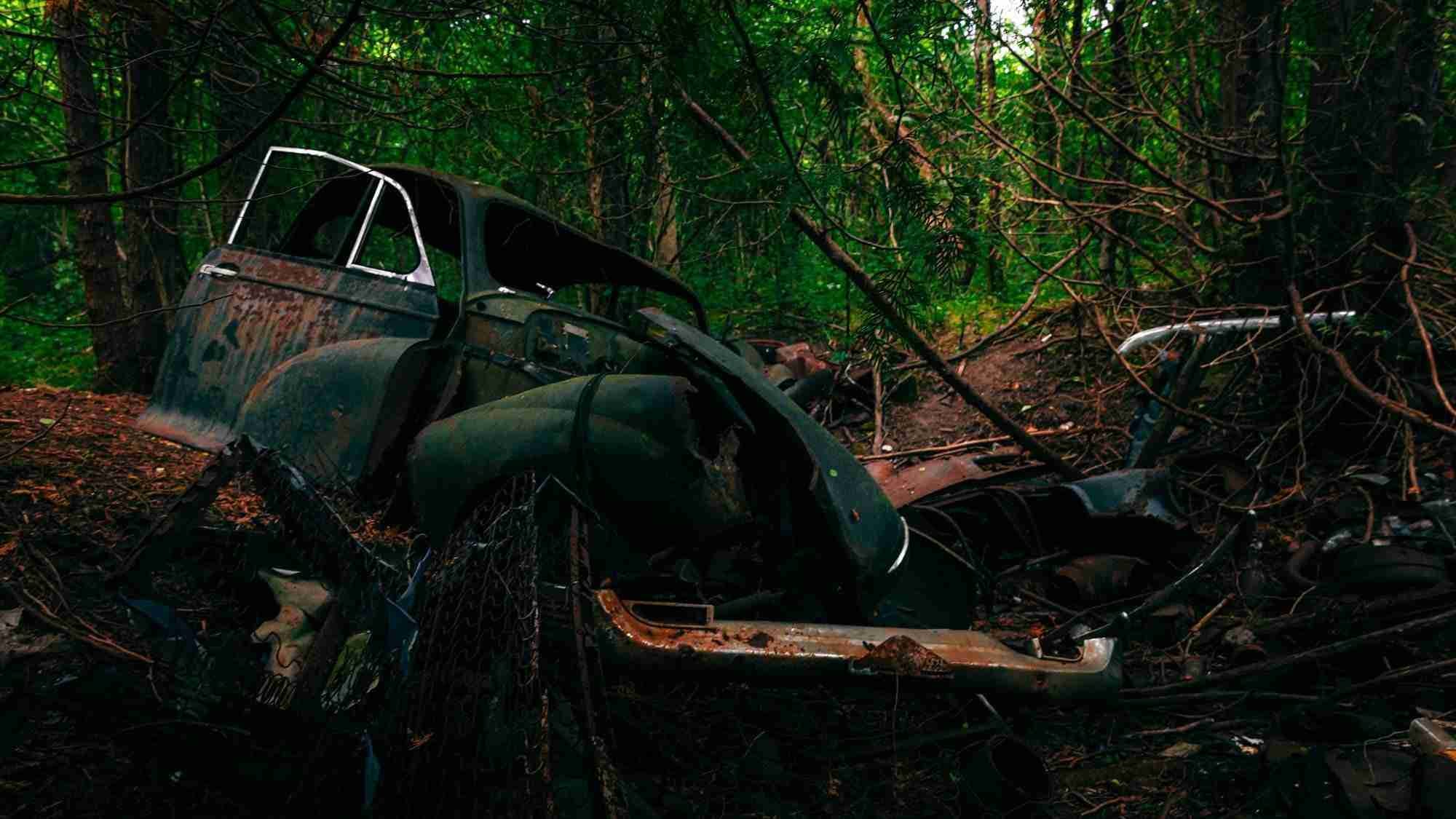
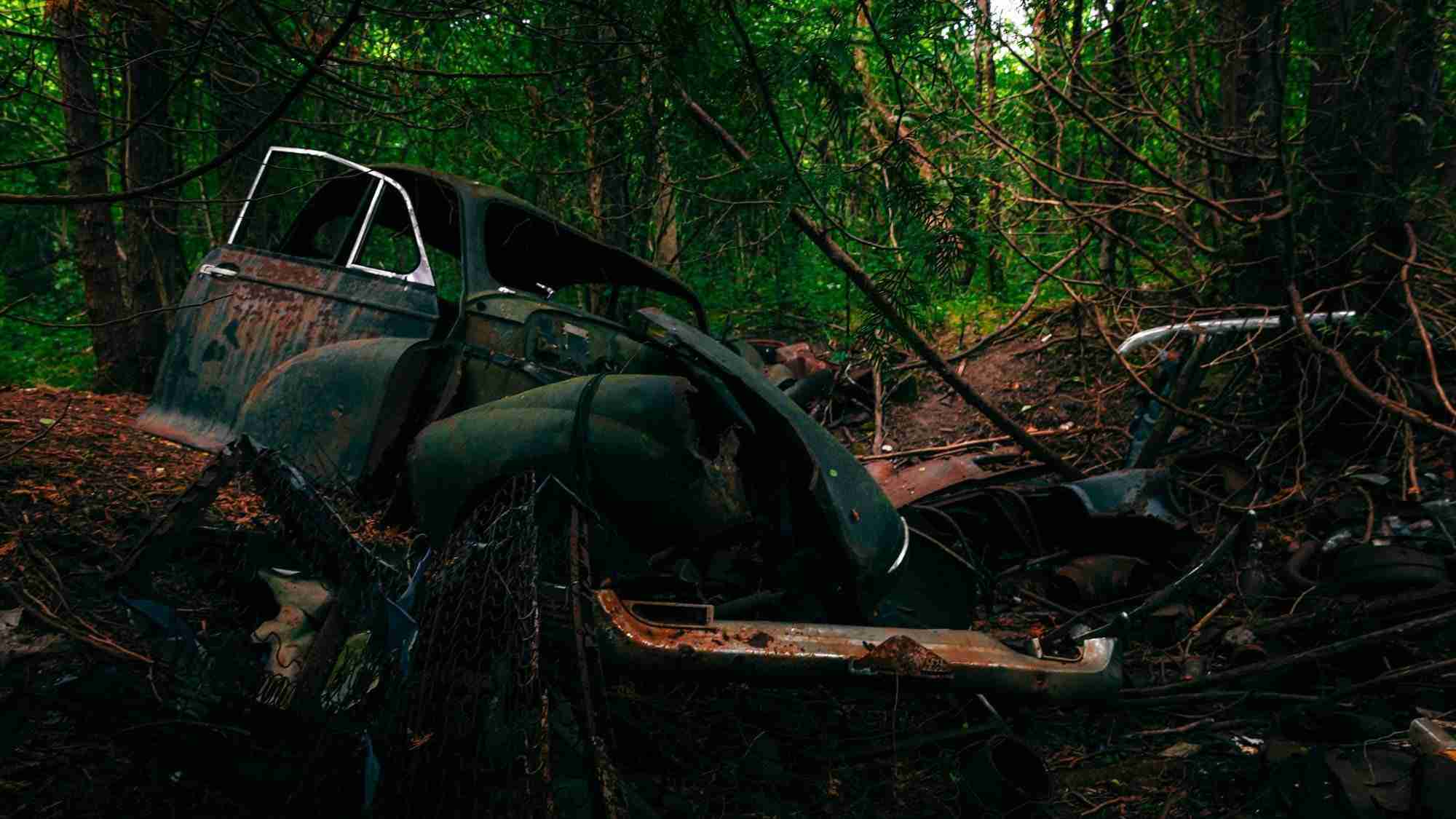
Deep in the woods just off the Rideau Trail in Ottawa's Greenbelt, the Monaghan Forest hides one of the region's most unusual and atmospheric photography locations—a forgotten car graveyard where vintage vehicles from the 1930s rest under decades of leaves, moss, and rust. What was once scrap is now sculpture. The forest has slowly grown around the relics, transforming them into haunting, surreal artifacts of both mechanical history and natural decay. For photographers interested in urban exploration, environmental storytelling, or textural detail, this location offers a rare blend of narrative depth and visual drama—all wrapped in the stillness of the woods.
Best Photography Opportunities
• Rusting 1930s Car Bodies
: At least five vehicles from the 1930s are clustered in varying states of decay—frames half-buried, fenders eaten through with rust, and doors swung open like broken wings. These make for compelling compositions with moody side light or backlight filtering through the forest canopy. Use a wide-angle lens to capture the full form and surrounding environment, or a macro lens to explore peeling paint, shattered glass, and moss-covered badges in tight, abstract detail.
• Nature Reclaiming Metal
: One of the most striking themes here is the encroachment of the forest on machine. Roots thread through engine blocks, saplings sprout from floorboards, and vines creep along chrome. These juxtapositions create powerful symbolic images. Soft, diffused light—especially on overcast days or during golden hour—enhances the tonal range of greens, browns, and rust-reds.
• Documentary Details and Found Objects
: Scattered among the cars are forgotten tools, bits of frame, broken headlights, and items that once belonged to the vehicles' former lives. These make for strong environmental storytelling when composed with care. Use shallow depth of field to isolate them, or shoot wide to include the larger context of decay and woodland.
• Seasonal Atmosphere in the Forest
: In early spring and late autumn, the leafless forest casts angular light and stark shadows, making the cars stand out with cinematic contrast. In summer, lush undergrowth adds visual clutter—but also opportunities to frame the cars partially obscured, as if emerging from the forest's memory. In winter, the scene becomes more abstract, with frost and snow adding texture and isolation to each rusted form.
• Low-Angle and Interior Perspectives
: Shoot from ground level through a wheel well or open window to give a dramatic, immersive view into the decay. Interiors, while collapsed and glass-strewn, can provide unexpected compositions—steering wheels, exposed dashboards, and coiled springs silhouetted against the canopy overhead. Just be cautious and avoid stepping inside, as the structures are fragile and unsafe.
Best Time to Visit
The site is accessible year-round, but each season brings a different photographic flavor. Spring and fall are the most visually and physically rewarding times to visit. In spring, ground vegetation is low, allowing cleaner sightlines and soft light through new leaves. In autumn, the forest comes alive with warm tones that echo the patina of rust, and fallen leaves carpet the site in seasonal contrast.
Summer can be visually lush, but overgrowth makes the cars harder to spot, and insects—particularly mosquitoes and deer flies—can be aggressive. It's the best time for vibrant green color contrast, but bug spray and long sleeves are essential. Winter, while stark and slippery, can transform the site into a minimalist wonder—rusted forms emerging from snow with ice-cloaked detail. Just ensure you're dressed for deep snow and are able to locate the site under white cover.
Early morning is best for soft, angled light and low activity on the trail. Overcast days provide beautiful diffused light that enhances surface texture and reduces distracting shadows within the cars.
How to Get There
The Monaghan Forest car graveyard is tucked off a spur of the Rideau Trail, southwest of Ottawa in the Greenbelt area near Old Richmond Road. The closest access point is typically via the Rideau Trail entrance near the intersection of Fallowfield Road and Old Richmond Road. Follow the trail into the forest for a short walk until you reach the approximate location—keeping an eye to the side, as the cars are not marked and can be surprisingly easy to miss.
There's no official signage or markers, so a GPS-enabled trail map or app is recommended. The graveyard lies only a few dozen meters off the main trail, but can be obscured by foliage in the summer. Look for signs of footpaths veering into the woods, or the distinctive glint of metal through the trees.
There is no designated parking lot, but roadside parking is available near the trailhead. The site is on public land, and photography is allowed, though it's essential to be respectful—leave all objects in place and tread lightly, as many of the structures are unstable. Good boots are a must, as the area contains broken glass, rusted metal, and uneven ground. Tripods are manageable, though maneuvering with them in dense brush may require some patience.
Exploring the Surrounding Area
Once you've reached the car graveyard, plan to spend some time circling each vehicle and walking slowly through the scene. There are at least five primary cars, but surrounding them are dozens of smaller visual details—old wiring, broken glass, decaying interiors—that reward a slow, observant shooting style. The vehicles are arranged in an organic scatter, as if gently placed by time rather than design, and the light changes constantly as it filters through the trees above.
Step carefully and move quietly—this is a rare kind of silence where the only sounds are wind through leaves and the distant calls of birds. It's a place where nature is both stage and sculptor, slowly wrapping metal in moss and shadow. It's also an ideal setting for photographers exploring themes of impermanence, memory, and reclamation.
Nearby Photography Locations
: Just northeast of the Monaghan Forest, this section of the Greenbelt offers boardwalks, beaver ponds, and forested trails—perfect for wildlife photography and early morning light. The marshes glow beautifully during golden hour.
: A short drive north, this converted rail trail includes bridges, wooded cuts, and long vanishing points—ideal for symmetry and line-based compositions, especially in fall.
: East of the Rideau Trail, this pine-rich forest features long, quiet paths and soft undergrowth that create peaceful, painterly woodland scenes. Great for low-contrast days and black-and-white studies.
• Moodie Drive Gravel Pits
: A more abstract shooting environment, this area offers piles of stone, machinery, and barren textures—perfect for industrial contrast or editorial-style compositions.
• Rideau River South Trail
: Heading back toward Barrhaven, this riverfront path includes quiet rapids, bridges, and reflective water—excellent for long exposure work and softer landscape scenes.
The Monaghan Forest abandoned cars offer something rare: not just a location, but a mood. Hidden, weathered, and slowly vanishing into the forest, they're reminders of forgotten stories and the quiet persistence of nature. For photographers drawn to decay, texture, and atmosphere, this woodland graveyard is a rewarding and deeply evocative place to explore.
Comments
Loading comments…