
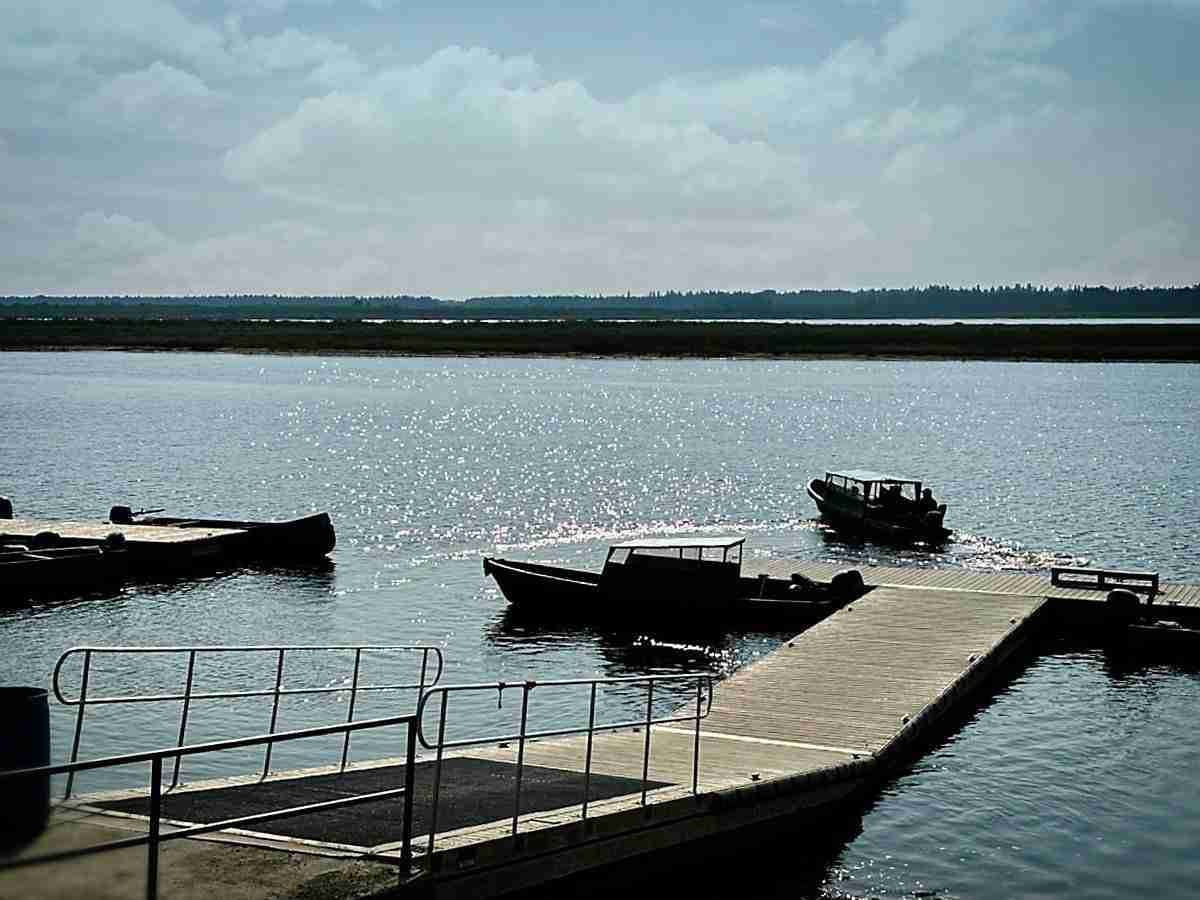
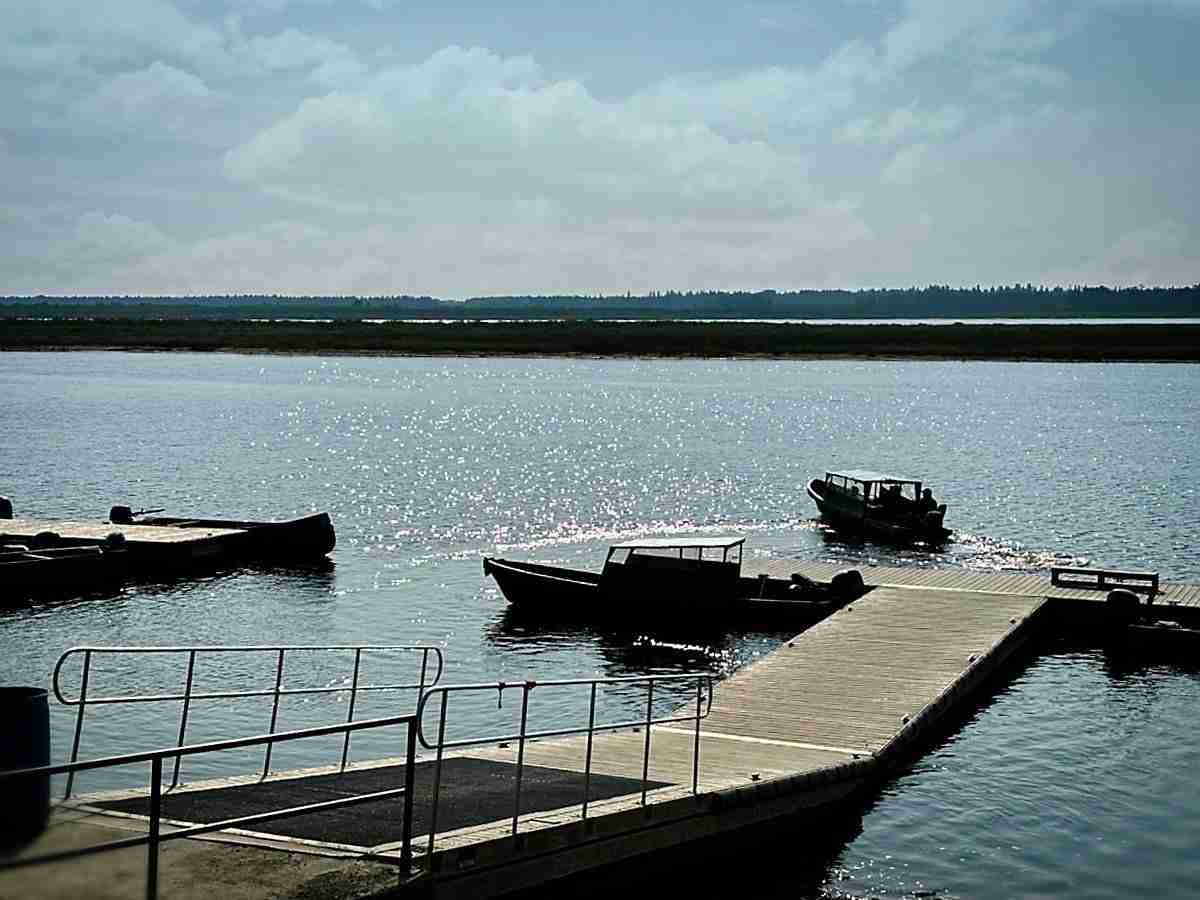
At the edge of the remote town of Moosonee, Ontario, where roads give way to rivers, the Moose River Taxi Boat Docks form a lifeline for northern transportation and a compelling subject for photographers drawn to rugged realism and remote landscapes. These modest but vital docks serve as a gateway to communities and wilderness areas unreachable by land, where the Moose River flows wide and steady toward the distant James Bay. It's a place where function meets atmosphere—boats tied to creaking pilings, the soft slap of water on hulls, and vast skies stretching overhead. For those looking to document the rhythm of life in Northern Ontario, this riverside setting offers a cinematic blend of solitude, purpose, and raw natural beauty.
Best Photography Opportunities
• Reflections and River Calm at Dawn
Early morning along the Moose River provides some of the most dramatic and serene photographic conditions. When the wind is low, the river surface becomes a reflective sheet, capturing the silhouettes of boats, docks, and distant treelines. This is the perfect time for mirror-like compositions—wide shots that balance man-made elements with natural reflections. Use a 16–35mm lens to include both dock infrastructure and sky, or a 70–200mm lens to compress elements and isolate layered reflections. The soft northern light at this hour paints the boats with a quiet glow and deepens the tonal contrast between wood, water, and sky.
• Textural Studies of Boats and Equipment
The variety of watercraft docked here—aluminum runabouts, fiberglass taxis, working skiffs—offers rich subject matter for detail work. Many boats show signs of wear: scuffed paint, tangled ropes, hand-lettered names, and repair patches that tell a story of regular use and northern resilience. Photograph these details with a 50mm or 85mm prime lens wide open to emphasize texture and depth. Close-ups of boat hardware, motor housings, and river-stained hulls make excellent standalone images or supporting frames in a documentary series.
• Atmospheric Dockside Compositions
The docks themselves—simple, weathered platforms built for utility—make strong visual anchors. Shoot them from shore with boats arrayed beside them, or stand on the dock to frame the open water beyond. In the right light, these structures become strong graphic elements: leading lines, horizontal textures, and shadows that stretch across planks. Include small details like mooring cleats, dock signage, or stray gear to add narrative. For overcast or foggy mornings, take advantage of the soft light to create moody, introspective compositions that emphasize stillness and isolation.
• Human Presence and Daily Rhythm
While the scene is often quiet, the docks occasionally come alive with movement—boat operators prepping for trips, residents loading supplies, or travelers disembarking. These brief moments of human interaction are ideal for documentary-style photography. Capture gestures, silhouettes, and candid expressions using a standard zoom (24–70mm) or a fast prime lens for unobtrusive work. Consider shooting from a low angle to highlight the connection between people and the boats they rely on, or include a wide frame to show the human figure dwarfed by the openness of the river.
• Skyscapes and Seasonal Transition
The Moose River is bordered by endless sky, making cloud formations, weather shifts, and light transitions key components of any successful image. In summer, dramatic cumulus clouds build during the afternoon; in autumn, the low sun casts a golden hue across the water and forest. Winter, though less accessible, transforms the river into a stark expanse of snow and ice with lonely pilings poking through the white. Compose wide shots that include shoreline brush or tree silhouettes to frame the sky and introduce scale. Use a polarizer to deepen blues or a graduated ND filter to balance exposure between bright skies and darker river foregrounds.
Best Time to Visit
The Moose River Taxi Boat Docks can be photographed in every season, though spring through fall offers the most dynamic conditions. In late spring, melting ice gives way to flowing water and dramatic skies. Summer mornings are best for glassy river reflections and clear visibility across the water. Late afternoon in summer brings warm tones and long, angled shadows that sculpt boats and docks with rich contrast.
Autumn, particularly in late September and early October, transforms the surrounding forest with vibrant color. The contrast between golden leaves and steel-gray boats provides both narrative and visual tension. Low sun angles during this season enhance textures and highlight the separation between water and sky.
Winter brings stillness and minimalist compositions—snow-covered docks, frost-covered ropes, and bare skeletal trees along the shore. Access may be more difficult, and the river may freeze, limiting boat traffic, but the atmosphere is stark and powerful. Overcast days in winter soften the tonal range and work well for black-and-white treatment or muted color grading.
Regardless of season, early morning is ideal for calm water and even light. Golden hour provides warmth and directional depth, while overcast or misty conditions are excellent for mood-driven images. Be prepared for fast weather changes and the challenge of shooting in wet or windy conditions along the open water.
How to Get There
The Moose River Taxi Boat Docks are located at the north end of Moosonee, accessible via a short walk from the Ontario Northland train station or from the town's central area. Visitors arriving on the Polar Bear Express from Cochrane will find the docks just a 10–15 minute walk through town, following Bay Road or Fifth Street north toward the river.
Moosonee itself is only accessible by rail, air, or water—there are no road connections from the south. For photographers planning a trip, the Ontario Northland train from Cochrane is the most reliable method. In summer and early fall, the river taxi services operate regularly, with docks serving as both departure points and destinations for travel to Moose Factory Island and beyond.
There is no fee to visit or photograph at the docks. Paths and access points are public and informal, with open movement allowed along the shoreline. Be respectful of working boats and equipment, especially during active hours. Footing can be uneven or slick, so wear appropriate footwear and exercise caution when navigating docks and boat areas.
Recommended Photography Gear
To capture both expansive river scenes and fine dockside detail, bring a well-balanced kit suited to outdoor and environmental photography. A wide-angle lens (16–35mm) is ideal for framing docks, sky, and water in single compositions, while a standard zoom (24–70mm) offers excellent flexibility for walk-around shooting. A telephoto lens (70–200mm) is useful for compressing background elements, isolating boats from the shoreline, or capturing distant human activity on the river.
For close-up work on boats and equipment, a fast prime (50mm or 85mm) gives sharpness and control over depth of field, especially in early morning or overcast conditions. A polarizing filter helps reduce glare on water and boat surfaces, while a graduated ND filter balances exposure between bright skies and darker river foregrounds. A tripod is helpful for golden hour and long-exposure work but may be cumbersome on narrow docks.
Protect your gear with a weather-sealed bag, especially in wet or windy weather. Bring a lens cloth, extra batteries, and backup storage, as conditions near water can be unpredictable. For those planning to document movement or conduct interviews, a second camera body or small video rig can help capture more of the site's character.
Nearby Photography Locations
• Moose Factory Island
Just across the river, this historic island community includes Hudson Bay Company heritage buildings, riverbanks, and traditional homes. A short boat ride opens up new perspectives on both history and lifestyle photography.
• Hudson Bay Company Cemetery
Located near the edge of Moosonee, this historic burial ground offers atmospheric compositions, aged headstones, and quiet reflection points nestled within the boreal forest.
• St. Thomas' Anglican Church
One of the oldest landmarks in Moosonee, this modest wooden church with a steeple and cross stands out beautifully in soft light. Ideal for architectural compositions and environmental storytelling.
• Moose River Shoreline Trails
Walking along the river toward the east or west reveals new shooting angles, shoreline vegetation, and wildlife activity—especially birds, beavers, and seasonal insects in warmer months.
• Ontario Northland Railway Station
The main rail gateway to Moosonee provides a contrast to the docks—industrial textures, passenger movement, and the storytelling dynamic of arrival and departure.
The Moose River Taxi Boat Docks embody the spirit of the north—resilient, remote, and quietly essential. As a photographic subject, they offer more than just striking visuals; they reveal a way of life built on water, weather, and movement. Whether you're capturing reflections in the still river or the weather-worn surfaces of working boats, this location delivers an evocative look at the rhythms of a community defined by its connection to the land and the flow of the river.
Comments
Loading comments…