
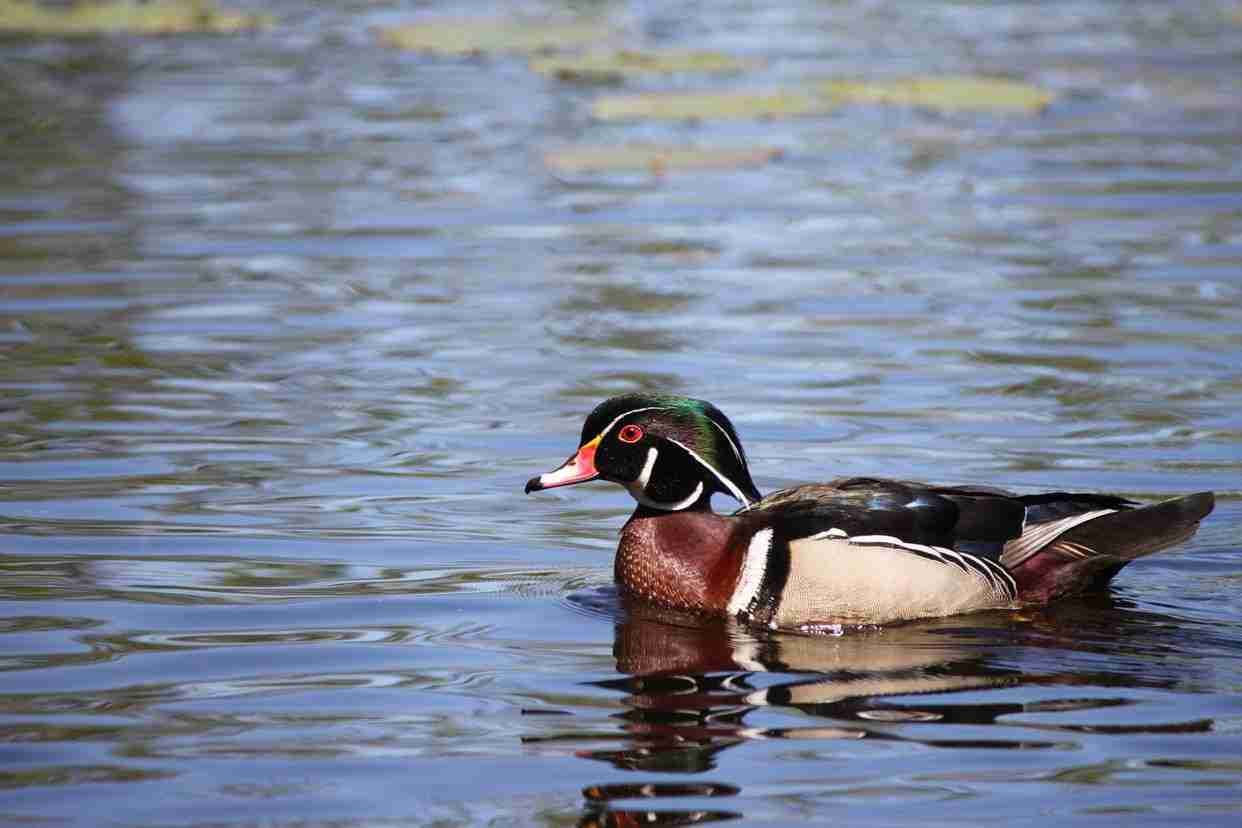
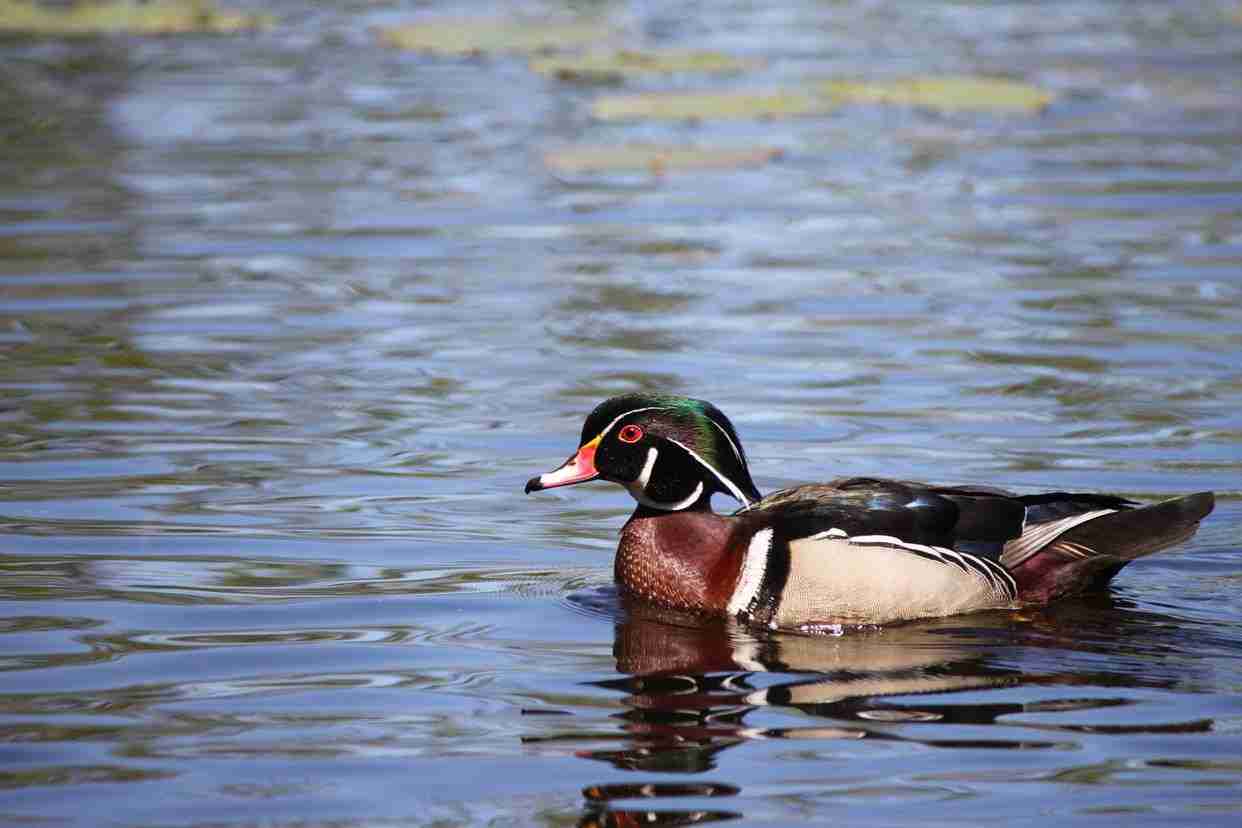
Nestled within the west end of Ottawa, Mud Lake is a hidden gem for nature photographers seeking rich biodiversity and serene landscapes close to the city. Covering 60 hectares, this Provincially Significant Wetland and Area of Natural and Scientific Interest offers a mosaic of habitats, from mature deciduous swamp forest to open water and marshlands connected to the Ottawa River. Home to over 200 bird species, numerous reptiles, amphibians, and mammals, Mud Lake is a year-round haven for wildlife photography and a tranquil escape into wildness. Whether focusing on intimate animal portraits, wide marshland vistas, or the shifting moods of the seasons, photographers will find endless material along its quiet trails and wooded shores.
Best Photography Opportunities
• Bird photography along shoreline trails
: Mud Lake is renowned for its birdlife, particularly during spring and fall migrations when warblers, waterfowl, and raptors pass through in large numbers. Walk the perimeter trails and position yourself quietly along shoreline openings or near fallen logs where birds often perch. Use a telephoto lens to capture detailed portraits or dynamic flight shots, and visit early in the morning for soft light and active feeding behavior. Patience is key—many of the best moments occur when the scene seems quietest. Bringing binoculars to scout movement before setting up your camera can improve your hit rate for hard-to-spot species.
• Turtle and amphibian portraits near water edges
: Sunny days bring turtles to bask on logs, rocks, and low branches in the shallow areas of the lake. Frogs and toads are abundant along marshy sections and among the reeds. A long lens or a careful low approach allows for intimate wildlife portraits without disturbing the subjects. Focus on the interplay of light and shadow across the water surface and on the details of the subjects' texture and form. Look for reflections or shallow depth-of-field compositions that isolate the animal while still hinting at its natural environment.
• Mammal encounters in the forest fringe
: Red foxes, raccoons, and the occasional deer can be spotted along the quieter forest edges and within the swampy woods. These subjects are more elusive and often require patience and silent observation. Position yourself near known trails or clearings and use a mid-range or telephoto lens to be ready for sudden movement through the underbrush. Early morning and late evening offer the best chances for sightings, especially in cooler months. Try sitting quietly for extended periods near fruiting bushes or water sources where animals may naturally pass through.
• Wide wetland landscapes with seasonal change
: In spring, the wetlands come alive with vibrant greens and fresh water reflections, while autumn drapes the trees in fiery oranges and golds. Use a wide-angle lens to capture the broader scene, including tree trunks rising from the water, lily pads floating in mirrored reflections, and morning mist lifting off the surface. Compose shots with layered elements such as overhanging branches, reeds, and reflections to create a sense of depth. Fog, dramatic skies, or even gentle rain can turn a simple marsh view into a moody, painterly image.
• Macro and detail work among marsh plants
: Mud Lake's rich undergrowth and shoreline flora offer superb opportunities for macro photography. Focus on dew-covered spider webs, colorful mushrooms, or the textures of leaves and bark. Early morning light and high humidity often enhance these small worlds, creating intimate, storytelling images that reveal the ecosystem's intricate beauty. Slow down and scan the forest floor or low branches for insects, seed pods, and hidden life. Use a small aperture to achieve deep focus when photographing textured scenes, or open wide for creamy bokeh that separates subject from background.
Best Time to Visit
Mud Lake offers rewarding photographic opportunities throughout the year, each season bringing its own rhythms and focal points. Spring is peak bird migration season and also marks the awakening of amphibians, reptiles, and lush plant life. Summer offers dense green coverage, active turtles, and dragonflies flitting over the water, though midday heat can slow wildlife activity.
Autumn is one of the most beautiful times to visit, with vivid foliage surrounding the wetland and birds preparing for their southern journeys. Early mornings often produce fog and ethereal light over the water. Winter, while quieter, transforms the landscape into a minimalist tapestry of snow, ice, and stark trees, with hardy bird species like chickadees and woodpeckers providing dynamic subjects against the subdued palette.
The best times of day to photograph are early morning and late afternoon, when wildlife is most active and the light is soft and directional. Midday light can be harsh, but overcast conditions provide excellent diffused lighting for detail and macro photography.
How to Get There
Mud Lake is located in the Britannia area of Ottawa, just west of downtown. The primary access point is from Cassels Street near Britannia Road North, where visitors can find a small parking area adjacent to the trail entrances. Additional access is available from the nearby Britannia Conservation Area parking lots.
The area is crisscrossed by an informal network of trails that range from wide paths to narrower foot tracks along the lakeshore and through the woods. Some sections can be muddy or flooded depending on recent weather, so waterproof footwear is advisable. The trails are well-trodden but unsigned; it's helpful to familiarize yourself with the general layout before venturing deeper into the woods.
No entrance fees apply, and all photography is permitted for non-commercial purposes. Be mindful of wildlife and remain on trails where possible to protect the sensitive wetland ecosystem.
Recommended Gear and Shooting Tips
A telephoto lens (300mm or longer) is crucial for bird, turtle, and mammal photography, allowing you to capture close-up details without disturbing sensitive wildlife. A mid-range zoom (24–70mm) is excellent for framing wider environmental portraits of animals within their habitat or capturing broader landscape scenes. For intimate detail shots of plants, insects, and small creatures, a dedicated macro lens is highly effective.
A sturdy tripod or monopod is useful for supporting longer lenses, especially when waiting patiently for animal activity or shooting in lower light conditions during dawn and dusk. Bring a circular polarizer to manage reflections on the water's surface and deepen the saturation of green foliage. An ND filter can be handy if you want to experiment with smoothing moving water during early spring or after rain.
Wear muted colors to blend into the environment and move slowly and quietly to maximize your wildlife encounter chances. Keep gear protected with rain covers or dry bags, as sudden weather shifts and muddy conditions are common. Insect repellent is recommended during the warmer months.
Nearby Photography Locations
: Adjacent to Mud Lake, this conservation area features open fields, shoreline access to the Ottawa River, and additional trails perfect for birdwatching and sunset landscapes. Early mornings here often reveal mist rising off the river for dramatic wide compositions.
: Located a short drive east, this lakeside park offers manicured green spaces, waterfowl photography opportunities, and sunset views across the Ottawa River. Its ponds and walking paths are especially scenic in autumn when the trees explode in color.
: Further west along the river, this area is popular with birders and photographers for its mudflats and wetlands, particularly during migration seasons. It's a quieter, more expansive alternative for photographing water birds, shorebirds, and dramatic river skies.
: Near the mouth of the Ottawa River, the yacht club area offers opportunities to capture sailboats, reflections, and casual harbor scenes, ideal for relaxed, water-themed compositions in late afternoon light.
: Just inland, this large parkland space provides open fields, woodland trails, and equestrian events, offering a different type of nature photography and seasonal variety, particularly with spring wildflowers and late fall colors.
Mud Lake is a place where Ottawa's urban pulse fades into a world of wetland wonders, where patience and quiet observation are rewarded with rich images of life at every scale. For photographers, it offers a rare chance to capture the dance of light and life in one of the city's most vital and beautiful natural refuges.
Comments
Loading comments…