
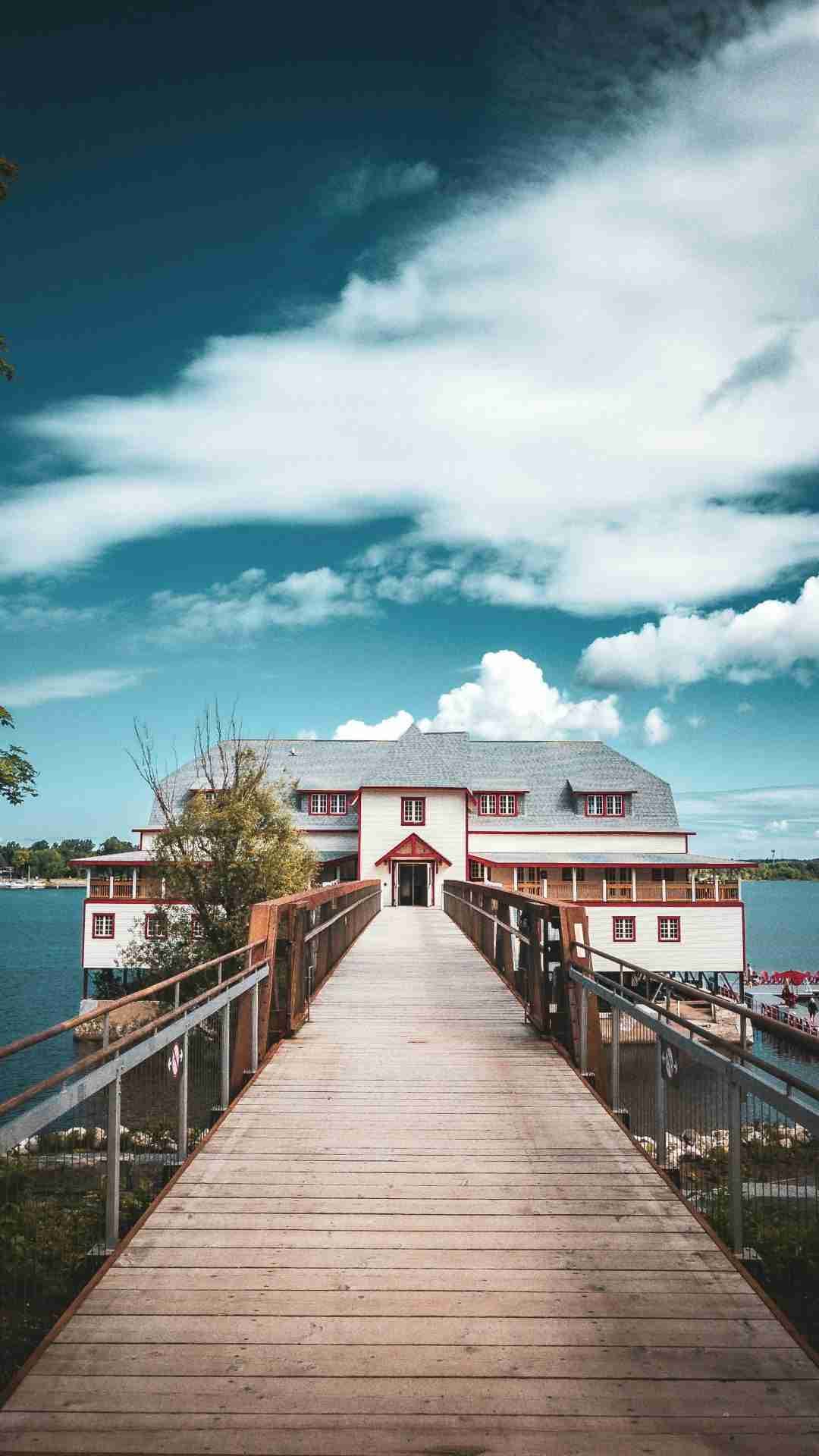
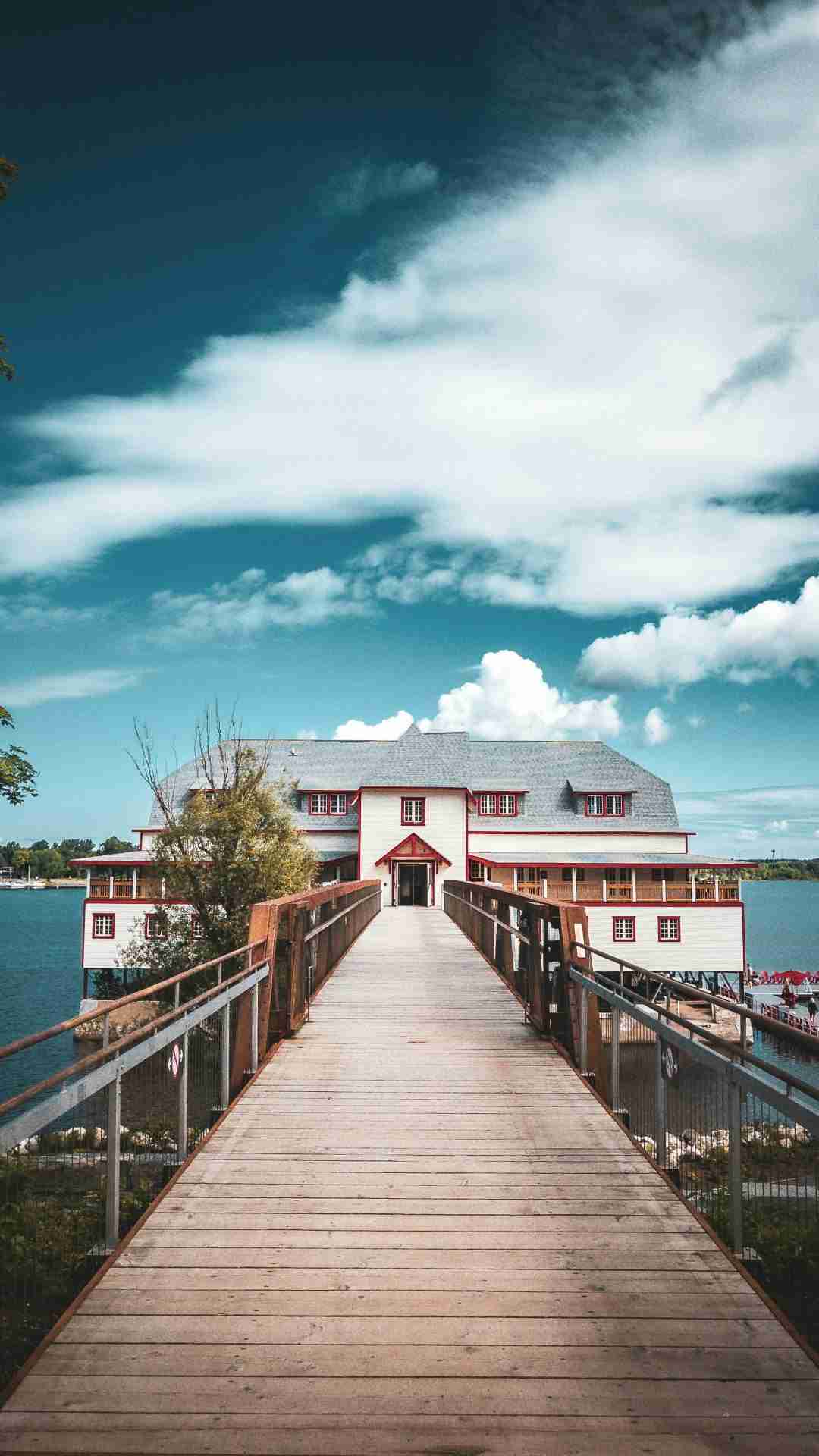
Perched along the banks of the Ottawa River and backed by the scenic sweep of the Sir-George-Étienne-Cartier Parkway, the NCC River House is a refined yet approachable destination for photographers in search of elegance, light, and landscape. This recently revitalized heritage site, once known as the Ottawa New Edinburgh Club boathouse, blends early 20th-century architectural charm with panoramic views of the river and surrounding parklands. Its waterfront location and clean sightlines make it ideal for sunrise reflections, architectural compositions, and seasonal nature work. Whether you're drawn to stately structures or soft river atmospheres, the NCC River House offers a rare opportunity to capture both within a single, walkable site just minutes from downtown Ottawa.
Best Photography Opportunities
• Architectural Portraits of the River House
The NCC River House features crisp lines, white-painted woodwork, and a broad wraparound balcony that nods to its heritage as a former boathouse. Shoot from the grassy riverbank or the nearby docks to frame the building against the water and sky. Early morning light catches the east-facing façade beautifully, while late afternoon warms the scene with golden tones that reflect in the calm river waters. Use a 24–70mm zoom for compositional flexibility—wide for full architectural context, or tighter to emphasize the symmetry of windows, railings, and shadows. Overcast days are perfect for capturing textures in the wood and muted colors in the gardens.
• Reflections and River Vistas at Sunrise
Positioned on a gentle bend of the Ottawa River, the River House provides a front-row seat to some of the city's most understatedly beautiful waterscapes. Just before dawn, the river often lies still, allowing for mirror-like reflections of the building and shoreline trees. Long exposures with a 6-stop ND filter smooth the water, while a polarizer helps manage glare and deepen tonal contrast. Compose from the paved pathway or step slightly off-trail toward the shoreline for lower angles that include grasses or stone in the foreground. A 16–35mm lens works well to emphasize width and depth in these tranquil, layered scenes.
• Garden and Detail Photography
The landscaped gardens surrounding the River House offer a seasonal abundance of subjects—from tulips and perennials in spring to ornamental grasses and mature foliage in autumn. These beds frame the building and walkways, giving opportunities for intimate foregrounds, soft-focus layers, and textural compositions. Use a fast prime (35mm or 85mm) for shallow depth-of-field shots that isolate blossoms or architectural elements through the leaves. Mornings after a light rain offer especially rich conditions, with droplets clinging to petals and benches gleaming against damp earth.
• Pathways, People, and Seasonal Color
The adjacent parkway paths offer a more documentary approach to photography—capturing cyclists, walkers, and the changing light that plays across the riverbank. These paths curve gently through shaded groves, past benches, and along wildflower meadows that bloom in late spring and summer. Capture motion and interaction using a 50mm or 70–200mm lens, with a relatively fast shutter speed to preserve sharpness. In fall, the area erupts in yellows, reds, and oranges, making it a prime location for environmental portraits or wide-angle landscape shots that blend nature and culture.
• Twilight and Blue Hour Atmosphere
As the sun drops behind the Gatineau Hills, the sky shifts to soft blues and purples that reflect delicately on the Ottawa River. The River House lights begin to glow, creating a gentle contrast between warm artificial light and the cool tones of twilight. A tripod is essential for these lower-light conditions, allowing you to slow your shutter and retain detail without overexposing lit elements of the building. This is the moment for balanced compositions—river, house, and sky in harmony, captured with a moderate wide-angle lens around 35mm. Include silhouetted trees or the curve of the boardwalk to add structure and subtle movement to your frame.
Best Time to Visit
The NCC River House is photogenic in every season, but spring through fall offers the richest diversity of light, color, and subject matter. In early spring, fresh plantings and budding trees provide soft pastels and cool, crisp air that enhances architectural detail. Summer brings lush greenery and busy foot traffic, ideal for capturing the area as a living public space. Mornings are best for calm river surfaces and directional light that defines the structure's lines.
Autumn transforms the landscape into a warm mosaic of color. Between late September and mid-October, surrounding trees reach peak foliage, and the low angle of the sun creates long, sculptural shadows across the lawn and water. This is also the best season for photographing the River House with color reflected in both water and windows.
Winter brings minimalism. Snow outlines the roofline and balcony rails, and the river becomes a subdued, moving sheet of grey and blue. Shoot during the blue hour or after fresh snowfall for serene compositions that highlight the form and contrast of the house against its stark seasonal backdrop.
Sunrise and sunset provide the best lighting conditions year-round. Sunrise, in particular, offers rich reflected light from the opposite shore, while sunset silhouettes the house against the glowing sky. Overcast conditions are ideal for shooting white architecture and garden details, allowing you to avoid harsh highlights or blown-out skies.
How to Get There
The NCC River House is located at 501 Sir-George-Étienne-Cartier Parkway, just east of downtown Ottawa. By car, take Sussex Drive and follow the Parkway east until you see signage for the River House entrance and parking area. Free parking is available on-site during daytime hours.
Cyclists and pedestrians can access the site directly via the Ottawa River Pathway, part of the Capital Pathway network. This route is especially popular in summer and fall, making it easy to incorporate into a longer riverside photo walk. Public transit stops are available nearby along Beechwood Avenue or Montreal Road, with a short walk through adjacent green space to reach the River House grounds.
There is no cost to visit the NCC River House or walk the surrounding trails, but check hours of operation if you plan to photograph interior spaces or scheduled events. Exterior photography is permitted at all hours, with golden hour and blue hour being the most rewarding for light and atmosphere. The area is well maintained year-round, though winter access to riverside sections may be limited due to snow or ice.
Recommended Photography Gear
Photographing the NCC River House benefits from a versatile, lightweight kit that balances wide views, architectural detail, and soft natural elements. A wide-angle lens (16–35mm) allows you to include both building and river in tight compositions, while a mid-range zoom (24–70mm) is perfect for capturing the structure with contextual elements like trees, people, and reflections. A 50mm or 85mm prime provides excellent shallow depth of field for garden details, portraiture, or candid documentary work along the trail.
A travel tripod is essential for twilight and blue hour shooting. Consider packing a polarizer to manage reflections on water and windows, and an ND filter for long exposures of the river at sunrise. For macro or close-up work in the gardens, bring a short telephoto or macro lens to isolate texture and subtle seasonal color shifts.
Because the site is close to urban amenities, you can travel light and return easily for changing conditions. However, weather can shift quickly near the river—so bring a microfiber cloth, rain protection, and a lens hood to handle mist, sun flare, or wind.
Nearby Photography Locations
Just west of the River House, this site features two dramatic waterfalls and historic government buildings surrounded by landscaped grounds. It's an excellent location for water and architecture photography, particularly at sunset or after rain.
• Major's Hill Park and Parliament Hill
A short ride or drive toward downtown, these elevated locations offer sweeping views of the Ottawa River and the Gatineau Hills, along with iconic shots of the Parliament buildings. Ideal for wide compositions and cityscapes, especially in golden light.
• New Edinburgh Park and Stanley Avenue
Directly south of the River House, this quiet neighborhood is rich in residential charm and tree-lined pathways. Capture heritage homes, winding sidewalks, and the slower rhythm of Ottawa's riverside communities.
• Rockcliffe Park Lookout
Just a few minutes east, this scenic bluff offers commanding views over the Ottawa River and Gatineau hills. It's best at sunset or twilight when warm light bathes the cliffs and rooftops below.
Cross into Quebec for access to Gatineau Park's trailheads and scenic lakes. Less than 20 minutes from the River House, it provides a dramatic contrast to urban photography with forests, hills, and natural textures ideal for full-day excursions.
NCC River House blends historic elegance with natural simplicity, offering photographers a setting where every element—from reflective water to woodwork detail—feels considered and composed. Whether you're capturing the hush of sunrise, the glow of golden hour, or the quiet textures of a garden path in spring, this riverside location invites you to slow down, observe, and craft images that reflect both structure and serenity.
Comments
Loading comments…