
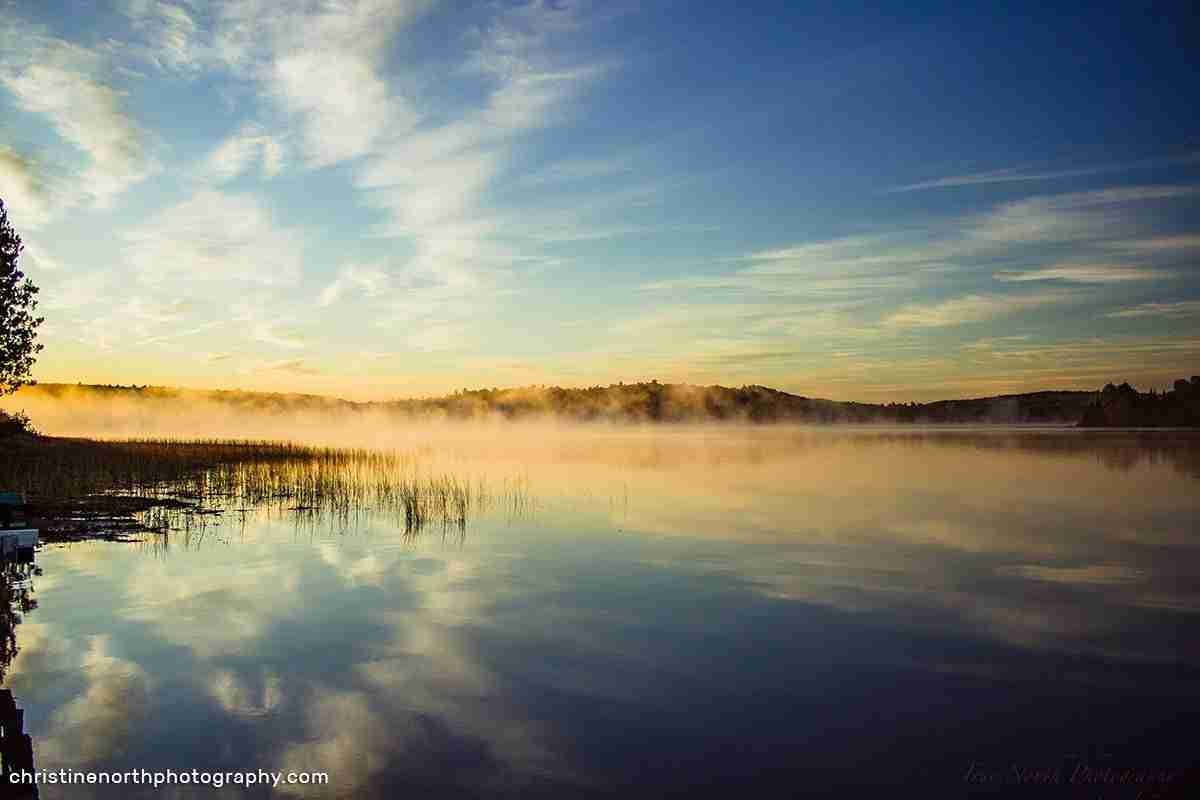
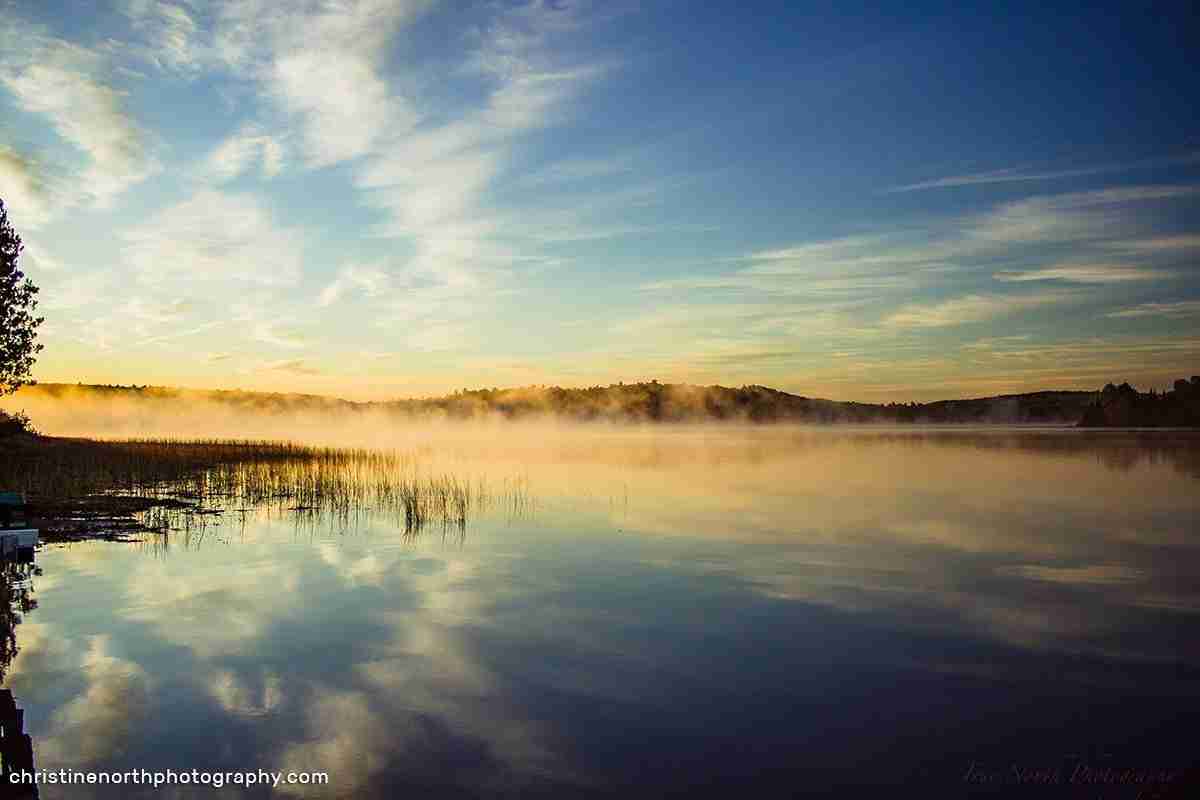
Nestled deep in the heart of Ontario's Highlands near Barry's Bay, Paugh Lake is a serene, lesser-known destination that rewards photographers with unspoiled natural beauty, still waters, and immersive forested surroundings. Its calm, reflective surface and minimal development make it an ideal location for landscape, wildlife, and astrophotography. Unlike busier, commercialized lakes in cottage country, Paugh Lake offers a more intimate and tranquil setting—where misty mornings, golden shorelines, and mirror-like reflections turn each moment into a painterly scene. Whether you're canoeing into a quiet cove, capturing the rich color of autumn leaves, or waiting for the Milky Way to rise over the water, this remote lake invites a slower, more intentional approach to photography.
Best Photography Opportunities
• Lakeshore Sunrise Reflections
Paugh Lake faces east in several areas, making it ideal for sunrise photography. As the sun breaks over the treetops, the water remains glassy, creating symmetrical reflections of shoreline pines and glowing sky. Arrive early and use a graduated ND filter to balance sky and water tones. Mist is common in early morning, especially in late summer and early fall, adding layers of depth to wide compositions.
• Canoe or Kayak Perspectives from the Water
Taking to the lake by canoe or kayak opens up mid-lake views that are otherwise inaccessible. From here, you can frame the sweeping tree line from water level or isolate small islands and rock outcrops. Use a waterproof housing or dry bag for your gear and aim for golden hour or just after sunrise when the lake is quietest. Polarizing filters can reduce glare and bring out greens and blues in both the water and the forest.
• Autumn Foliage Along the Southern Shore
In late September and early October, the mixed hardwood forest surrounding Paugh Lake bursts into vibrant oranges, reds, and yellows. The southern shoreline, in particular, offers a wide, unobstructed view across the water to the opposite bank, which becomes a wall of autumn color. A telephoto lens allows you to compress layers of trees and enhance the richness of the foliage, especially in soft, diffused light.
• Long Exposure and Minimalist Compositions
The quiet nature of Paugh Lake makes it perfect for long exposure work. Use a tripod and ND filters to smooth out ripples in the water and soften any passing clouds. Look for lone logs, rock groupings, or drifting canoes as minimal focal points in wide compositions. These images work well in subdued weather—overcast skies or foggy days bring a quiet, contemplative mood to the frame.
• Night Sky and Astrophotography
With very little light pollution, Paugh Lake is a dark-sky gem for night photography. On clear summer nights, the Milky Way stretches across the southern sky and reflects faintly on the water's surface. The open northern bays and docks are ideal for framing star trails or shooting time-lapses. Be sure to scout locations in daylight and bring extra batteries—temperatures can drop significantly at night even in summer.
Best Time to Visit
Paugh Lake is at its most photogenic from late spring through mid-autumn, with each season offering its own character. Late May through June brings fresh foliage, rising water levels, and early morning fog that adds mystery and softness to sunrise images. Summer offers deep greens, stable water conditions for boating or swimming shots, and long twilight hours perfect for landscape and golden hour work. It's also an excellent time for photographing loons, herons, and turtles, especially from the water.
Autumn is the standout season for photographers. From mid-September through early October, the surrounding hills and shoreline trees explode with color. Calm mornings yield mirror-like reflections, and the low-angled autumn sun creates rich contrast and clarity. Fewer visitors also mean more freedom to compose shots without interruption.
Winter, while more challenging, offers its own rewards for those comfortable shooting in snow and sub-zero conditions. If the lake is frozen and accessible, snow-covered pines and soft morning light create ethereal, high-key compositions. However, access is limited and weather can be unpredictable, so winter shoots require extra preparation and local knowledge.
The best light is consistently found early in the morning or during late afternoon, when the sun is lower and shadows stretch across the water and forest. Midday can be harsh, but works well with cloud cover or when focusing on forest interiors and shoreline textures.
How to Get There
Paugh Lake is located northeast of Barry's Bay in Renfrew County, and is accessible by vehicle via a network of rural roads. The most direct route from Barry's Bay is via Siberia Road and Paugh Lake Road, which winds through forest and farmland before reaching the lake's western edge. The roads are gravel but well-maintained in summer and fall, though 4WD is helpful during spring thaw or after heavy rains.
There is no formal public beach or developed boat launch, but several access points exist depending on current landowner permissions and the use of local cottage areas. Canoe and kayak access is common along the southern shore, and public access is sometimes permitted near trailheads or hydro cuts—always respect signage and private property.
There is no cost to visit or photograph Paugh Lake, but amenities are extremely limited. Bring everything you need with you, including water, food, and gear protection. Cell service can be spotty, so offline maps and GPS are recommended. The area is best suited for self-sufficient, low-impact visits. Parking is informal and often at trail pullouts or roadside clearings—be mindful not to block access for residents or emergency vehicles.
Exploring the Surrounding Area
The landscape surrounding Paugh Lake is a rich blend of forest, wetland, and highland rock, offering photographers plenty of reason to stay and explore. To the south, small forest access roads lead to quiet marshes and beaver ponds that are active with wildlife in the early morning—ideal for birders and nature photographers using telephoto lenses. These hidden corners are particularly alive in spring, with frog choruses and fresh green textures.
Several hiking and ATV trails wind through the area, offering elevated views of the surrounding hills. These vantage points are excellent for wide landscape shots, especially during fall when layers of forest canopy stretch in every direction. The trails also pass through maple stands, granite outcrops, and shaded glades that are perfect for quiet, ground-level macro work.
Closer to the water, fallen trees and stony inlets create natural foregrounds for shoreline compositions. Whether shooting from the dock, exploring the forest floor, or paddling out into the center of the lake, photographers will find a slow, immersive rhythm that encourages deeper observation. The lack of development makes ambient sound—wind, water, birds—a memorable part of the shooting experience.
Nearby Photography Locations
Just a short drive west, this small but scenic park sits on Round Lake and features sandy beaches, tall pine forests, and boardwalk trails through wetlands. It's perfect for sunset lake photography, forest compositions, and wide shots from the waterline with excellent light late in the day.
• Madawaska River Lookouts
Several pull-offs along the river between Barry's Bay and Combermere offer photogenic views of whitewater, rock walls, and forested banks. These areas are ideal for long exposure water shots or high-contrast black-and-white compositions of moving water and static trees.
Located within the nearby Spectacle Lake Lodge area, this trail loops through a dense maple forest and over granite ridges. The trail is especially rewarding in the fall, with fiery foliage and elevated views of the lake below. Midday light filters through the canopy and works well for shooting soft forest abstracts.
The highland area around Wilno features rolling farmland, country roads, and scenic lookouts—ideal for rural landscape photography. The historic hilltop church provides a focal point, especially at sunset or with storm clouds overhead. This area pairs well with wide-angle lenses and soft color grading for a pastoral feel.
• Combermere and the Madawaska Valley
This stretch of the Ottawa Highlands features lakes, rivers, and rustic architecture. Stop at the Madonna House Apostolate grounds for peaceful garden imagery or the remains of old bridges along the riverbanks. It's an excellent area for photographers chasing a quieter, slower vision of rural Ontario.
Paugh Lake may not appear on many travel lists, but for photographers seeking stillness, reflection, and the deep greens and golds of Ontario's backcountry, it is a hidden gem. With its glassy water, minimal interference, and immersive natural soundscape, it encourages a pace of photography that's unhurried and deeply connected to place. Whether you're capturing sweeping dawn reflections or focusing on the grain of bark and ripple of a paddle, Paugh Lake offers space to breathe—and to see.
Comments
Loading comments…