
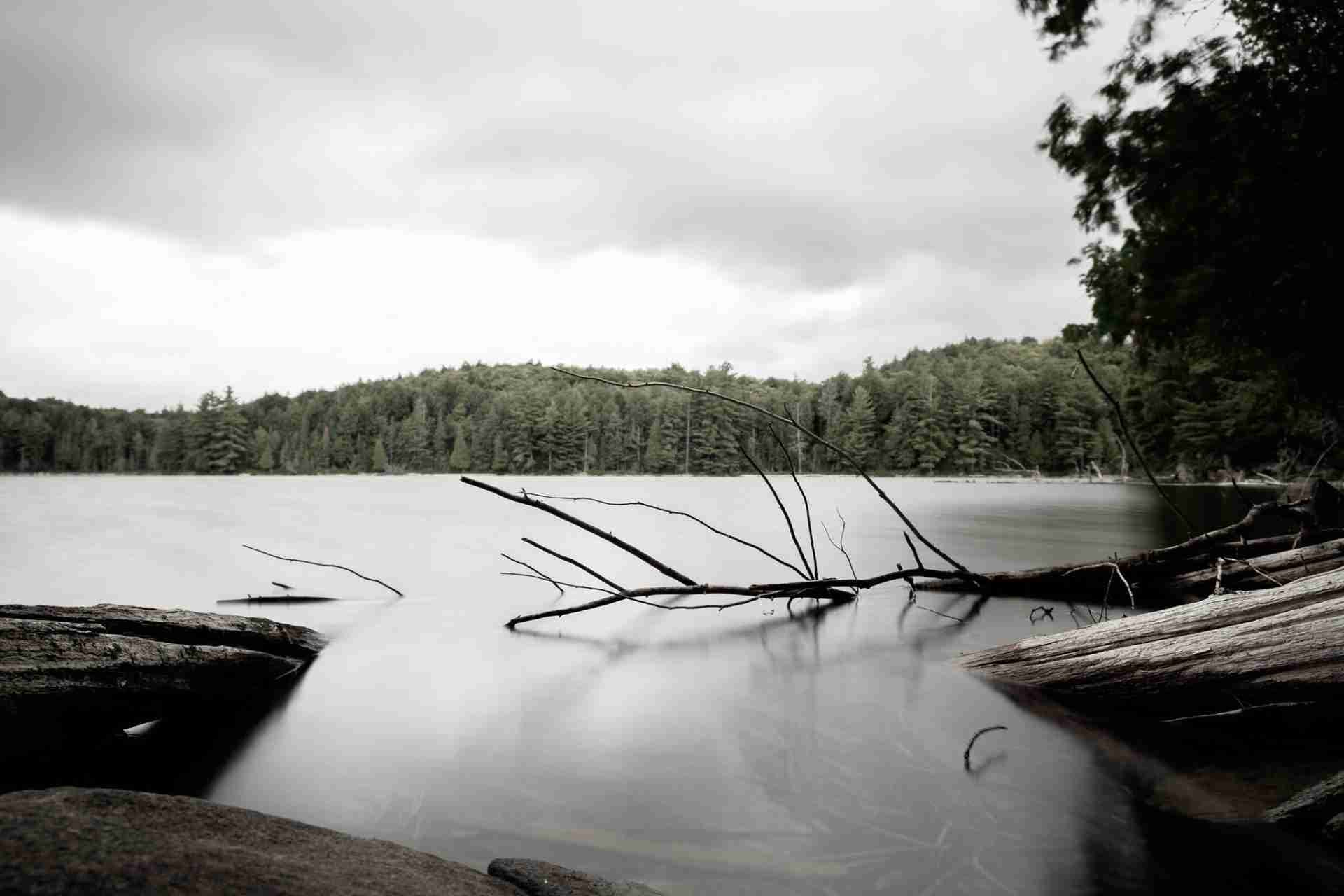
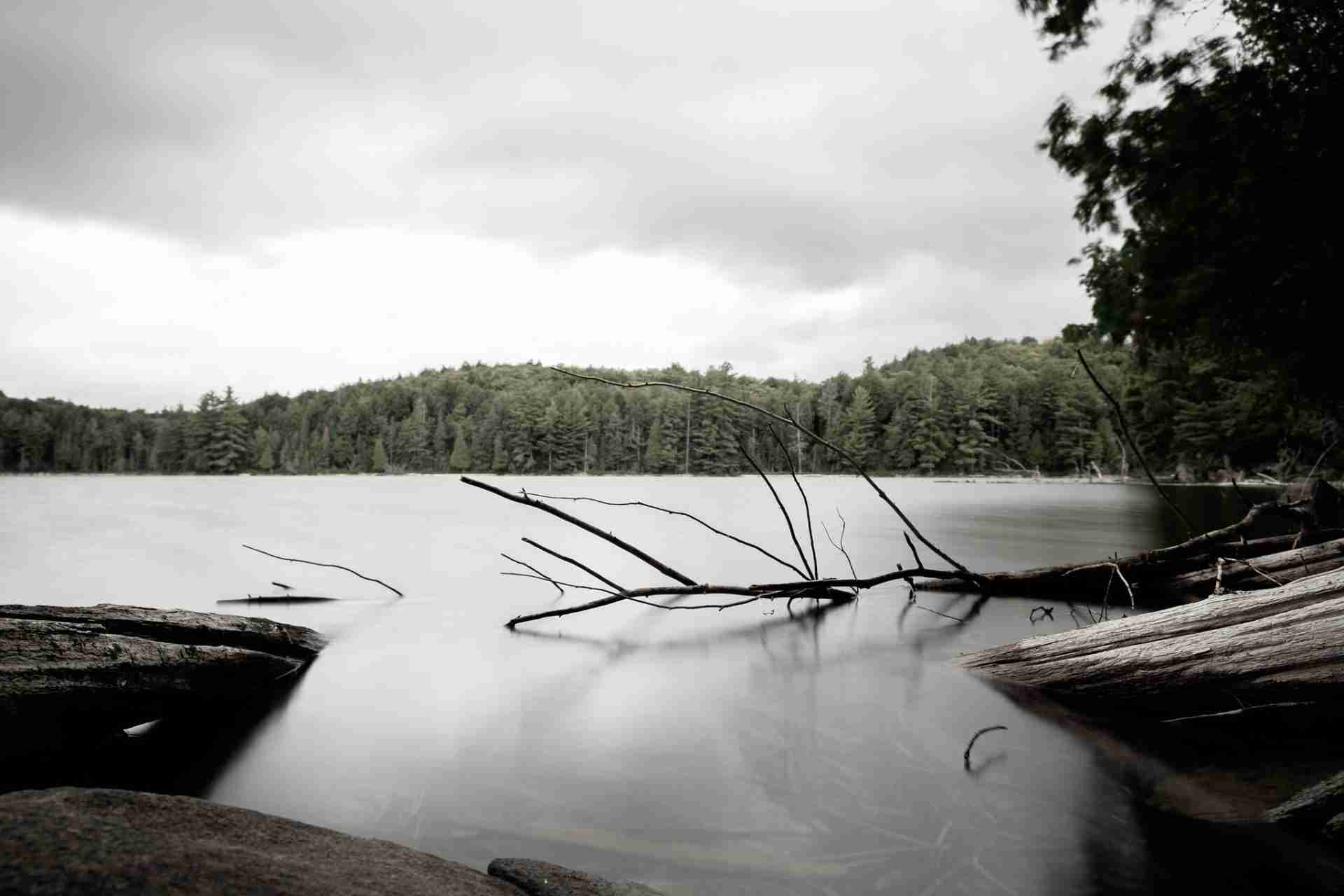
Tucked within the western corridor of Algonquin Provincial Park, Peck Lake is a compact, serene body of water surrounded by dense, untouched forest. Known for its mirrored surface and wildlife-rich shoreline, it's a location that combines accessible beauty with an unmistakable sense of wilderness. Whether paddling its still waters or hiking the well-loved trail that loops around it, photographers will find a perfect balance of scenic stillness and active opportunity. The lake's modest scale—just over a kilometer across—belies the variety it offers: misty mornings, wildlife encounters, quiet coves, and golden-hour reflections that encapsulate the essence of Algonquin.
Best Photography Opportunities
• Wide Reflections at Sunrise
: The eastern shoreline of Peck Lake provides the ideal setup for shooting across still waters during the early morning hours. The lake surface acts as a perfect mirror for soft, color-soaked skies and silhouetted treetops. Use a wide-angle lens (16–35mm) and position yourself at a slight elevation along the trail to frame both forest and reflection without distortion. Mist frequently rises from the lake at dawn, adding atmosphere and depth to an otherwise minimalist composition.
• Forest Trail Compositions Along the Loop
: The 2.3 km trail encircling Peck Lake offers continuous shooting opportunities as it winds through stands of spruce, maple, and birch. Look for naturally framed windows between tree trunks that open onto the water. Use a standard zoom (24–70mm) to balance trail and lake in the same frame. Light filtering through the canopy in the early morning or late afternoon provides directional highlights that illuminate moss, roots, and undergrowth with painterly effect.
• Wildlife and Water's Edge Detail
: Peck Lake is often quiet, especially on weekday mornings, making it an excellent spot for observing wildlife. Deer and moose have been spotted near the trail, while loons and mergansers patrol the lake's edges. A telephoto lens (100–400mm) allows you to capture close-ups without disturbing the animals. In the shallows, look for shoreline detail—lily pads, submerged logs, and drifting feathers—that work well for intimate environmental shots or soft-focus studies of natural texture.
• Canoe or Kayak-Based Perspectives
: While the lake is too small for extended paddling sessions, a short canoe or kayak trip can unlock new angles and perspectives—especially along the less-trafficked southern shoreline. Use a waterproof camera bag and a compact lens like a 35mm or 50mm prime to shoot low from the seat of your boat, capturing the rippled surface, forest edge, and sky as one flowing composition. Paddle just after sunrise or during the blue hour for the quietest, most reflective conditions.
• Stargazing and Night Photography
: On clear nights, Peck Lake becomes an excellent site for capturing the night sky. With little light pollution and a wide, open water surface, the lake provides strong reflections of stars, planets, and the occasional meteor. Set up on the northern shore and face south for the best celestial movement. A wide-aperture lens (f/2.8 or faster) and tripod are essential. Long exposures reveal star trails or, in fall and spring, the faint glow of the Milky Way across the treetops.
Best Time to Visit
Late spring through mid-autumn is the ideal window for photography at Peck Lake. May and June bring active wildlife, fresh green foliage, and low visitor traffic, though mosquitoes are at their peak. Summer months (July and August) offer full foliage, longer daylight hours, and the clearest skies for sunrise, sunset, and night photography.
Autumn transforms the trail into a tunnel of color—especially in late September and early October—when golden birches and fiery maples reflect vividly on the water's surface. Morning fog and fallen leaves add texture and contrast, though the trail can become slick in damp weather.
Early mornings are best for light, solitude, and wildlife activity. Evenings deliver warmer tones across the lake surface, but expect more hikers and paddlers around sunset. Winter access is limited and not maintained, but the lake can be reached by snowshoe for those seeking minimalist compositions and frozen textures.
How to Get There
Peck Lake is located off Highway 60 inside Algonquin Provincial Park, approximately 40 minutes east of Huntsville, Ontario. From the park's west gate, drive east along Highway 60 and watch for the clearly marked Peck Lake Trail sign and parking lot on the south side of the road. The trailhead is adjacent to the lot and includes an interpretive sign with trail length and key features.
The 2.3 km loop is considered moderate in difficulty, with uneven terrain, short elevation changes, and narrow boardwalk sections. The trail is well-marked and manageable with a day pack and camera gear. A day-use permit is required to enter the park, available online or at the West Gate. Tripods and personal photography gear are permitted without restriction.
Canoes and kayaks can be launched at a small access point near the trailhead, though there are no rental facilities on site. Bring your own equipment if you plan to paddle.
Recommended Gear and Shooting Tips
Bring a wide-angle lens (16–35mm) for sunrise and lake-overview shots, a standard zoom (24–70mm) for trail and shoreline compositions, and a telephoto lens (100–400mm) if you're hoping to photograph wildlife discreetly from the path or canoe. A tripod is essential for sunrise, sunset, and long-exposure work—especially at night.
Pack a circular polarizer to manage glare and enrich colors in the water and sky. A neutral density filter can help smooth water movement or capture long exposures during daytime. Consider a waterproof cover for both yourself and your gear if you plan to paddle or shoot near the water's edge.
Use quiet shutter modes and move slowly when photographing wildlife. Avoid blocking the narrow trail with gear during busy times, and be respectful of the silence many visitors seek at this tranquil location. Mornings often yield the best light, with fog, dew, and calm conditions creating atmospheric possibilities that disappear by mid-morning.
Nearby Photography Locations
: One of Algonquin's best-known vistas, this elevated view over Cache Lake is perfect at golden hour. It requires a longer hike but rewards photographers with sweeping panoramas framed by forest and water.
: This full-day loop passes through multiple ponds and wetlands, home to beavers, moose, and birds. Excellent for wildlife photography and early morning misty landscapes, especially in late spring and early fall.
: An accessible, short loop with unique boreal habitat, this boardwalk trail is ideal for macro shots of moss, fungi, and insects, as well as forest reflections in tannin-rich bog pools.
: Just east of Peck Lake, this popular beach area offers open skies and clean water for sunrise or sunset photography. It's also a solid location for stargazing on clear nights with minimal foreground obstruction.
• Lookout Trail
: A steep but short hike leads to one of the most iconic fall photography points in the park—especially around late September. From the top, you'll see a rolling sea of treetops blazing with color.
Peck Lake offers a quieter, more intimate slice of Algonquin—less dramatic than the park's larger lakes, but no less captivating. Whether you're watching the stillness break under a loon's wake or capturing the last light before stars emerge, this little lake holds the grandeur of the north in every ripple and leaf.
Comments
Loading comments…