
Pomona Mills Park is a subtle but rewarding photographic destination tucked into a residential stretch of Thornhill, Ontario. What it lacks in dramatic vistas it makes up for in soft lighting, forest rhythm, and seasonal mood. Winding through a wooded ravine along the East Don River, the park offers photographers a peaceful place to work with creek reflections, layered foliage, and shifting textures throughout the year. Because the park sits in a shallow valley, it often escapes the worst winds, making it especially appealing for quiet winter or late-autumn photo walks.
This is a location for photographers who enjoy subtlety: water flowing over small stones, light filtering through bare branches, or the quiet hush of snow in still air. It's perfect for capturing the relationship between urban green space and seasonal transformation. Whether you're documenting foliage change, early morning mist, or just practicing mindful compositions along a quiet path, Pomona Mills invites a slower, more meditative approach to image-making.
Best Photography Opportunities
• Ravine Trail Perspectives and Forest Layers
The main pathway offers several opportunities to shoot down the length of the trail itself, with tree trunks and foliage creating natural tunnel effects. During autumn, fallen leaves blanket the ground and enhance the leading lines of the trail. In winter, the soft grey palette and bare trees create strong vertical compositions. The slope of the ravine can be used to change perspective slightly without needing to leave the path, which helps when shooting with a handheld setup.
• East Don River Reflections and Ripples
The creek is narrow but photogenic, particularly in the early morning or after rain when the water level is slightly higher. Small cascades, exposed rocks, and still pools all offer opportunities for reflective compositions. In autumn, the river mirrors gold and red foliage; in winter, pockets of moving water surrounded by ice add delicate detail. A circular polarizer helps manage glare while allowing color and surface texture to come through clearly.
• Backlit Leaves and Overhead Canopy Shots
In spring and summer, the ravine's trees form a high, layered canopy ideal for shooting upward. Backlighting through leaves offers opportunities for abstract or painterly frames, especially with a fast prime lens and shallow depth of field. This type of image benefits from early morning or late afternoon light, when the sun is low enough to filter in at an angle. For more dynamic shots, try framing the canopy with converging trunks or branches.
• Bridges and Creek Crossings
Several modest wooden or metal footbridges cross the East Don throughout the park. These offer excellent framing devices and anchor points for composition. Shoot along the length of the bridge for vanishing point effects, or use the bridge's geometry to divide a frame into foreground and background elements. After a snowfall or during golden hour, bridges provide warm contrast against the cooler tones of the surrounding trees and water.
• Minimalist Winter Scenes and Quiet Details
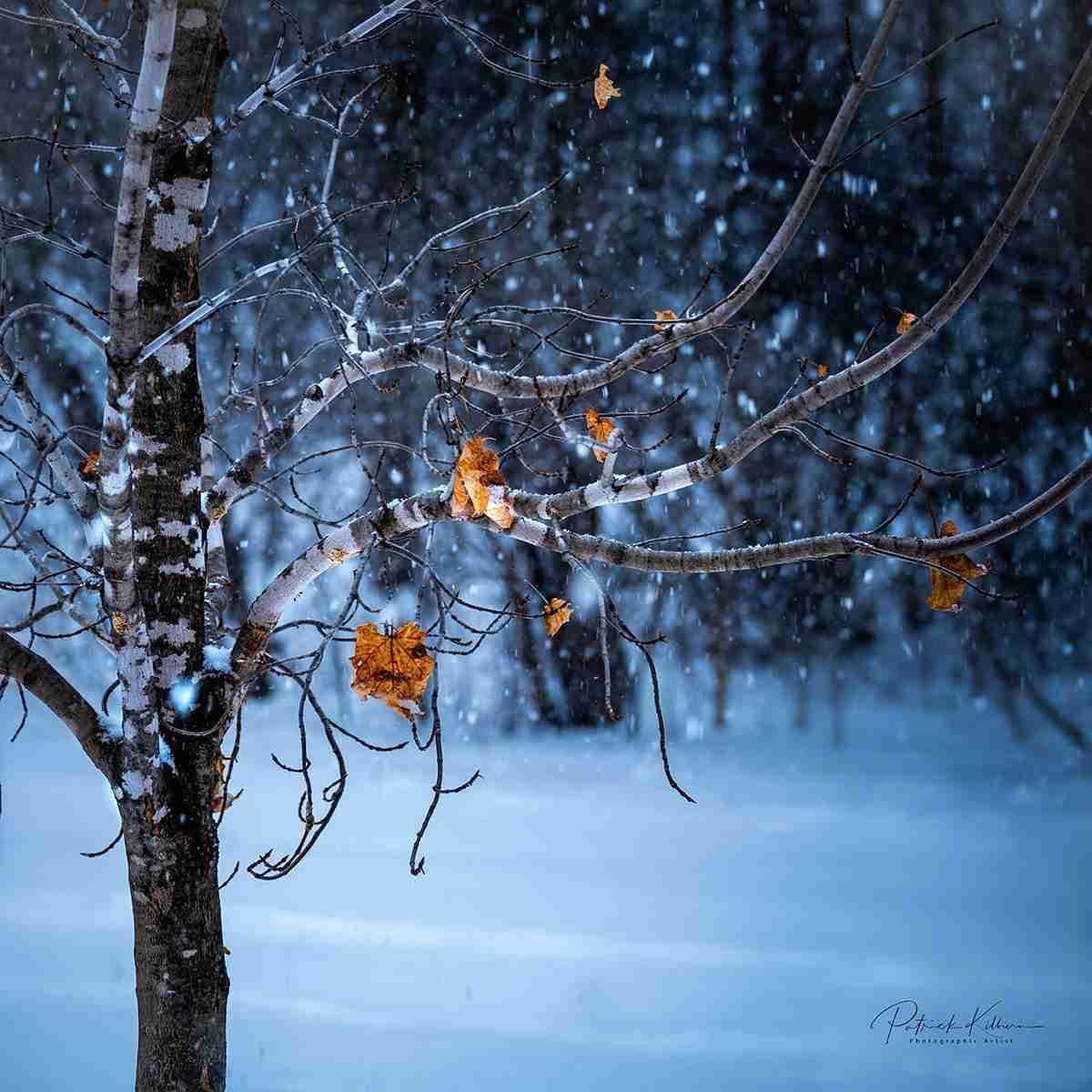
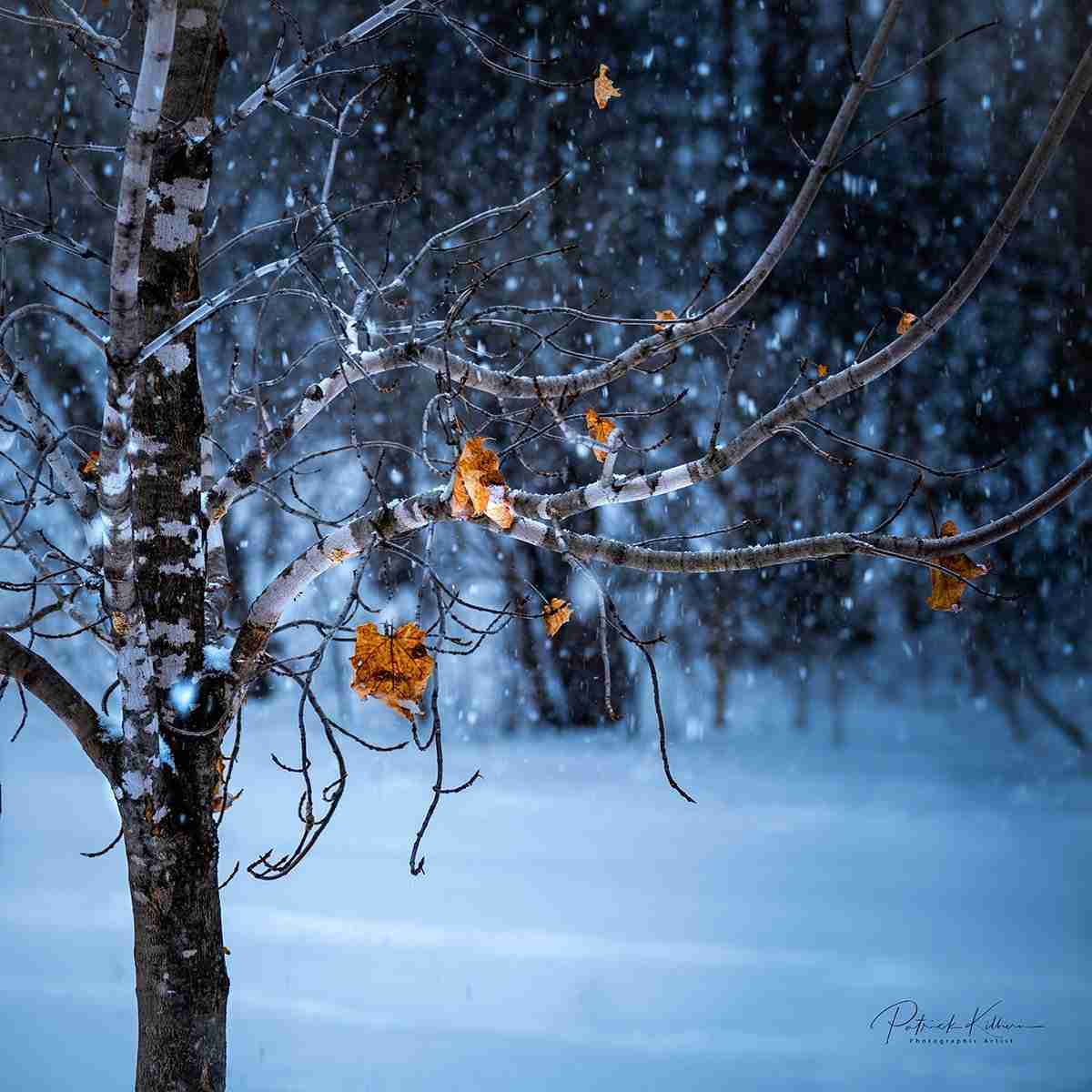
Winter transforms the park into a minimalist landscape, perfect for black-and-white or desaturated compositions. Isolated branches, snow-covered logs, or a single person walking in the distance all become effective focal points. The absence of color highlights composition, line, and texture. Footprints in fresh snow or animal tracks near the river add subtle storytelling elements worth capturing in quiet, patient frames.
Best Time to Visit
Pomona Mills Park is accessible year-round and offers unique photographic qualities in each season. Autumn is the most colorful and arguably the most photogenic, with warm foliage and golden light filtering through thinning leaves. Morning visits in October provide rich, directional light and less foot traffic, perfect for undisturbed compositions.
Winter is ideal for minimalism and atmosphere. The park's protected position in the ravine often traps fog or softens snowfall, allowing for gentle, moody shots with excellent natural diffusion. It's also one of the few spots in the area that remains quietly accessible in icy weather, though good footwear is a must.
Spring brings a layered return of green, with ferns, budding trees, and soft mossy textures along the riverbanks. Summer, while lush and pleasant, often comes with high contrast and occasional crowds—but early morning shoots still offer serenity and quality light through the treetops.
How to Get There
Pomona Mills Park is located just north of John Street between Bayview Avenue and Yonge Street in Thornhill. There are several access points along John Street and connecting side streets such as Henderson Avenue or Meadowview Avenue. The most common trailhead begins at Pomona Mills Park Entrance off John Street, near the community center.
Free street parking is usually available nearby, and public transit options via YRT and TTC buses stop within walking distance. Trails are flat and well-maintained, with occasional gentle slopes. The park is open daily and accessible to both walkers and cyclists, though tripods may require a bit of care on narrow sections of the path.
Recommended Gear and Shooting Tips
A wide-angle lens (16–35mm) is ideal for trail scenes and ravine-wide compositions. It allows you to exaggerate depth when shooting down the trail or emphasize the layered lines of trees and creekbanks. A mid-range zoom (24–70mm) is perfect for quickly switching between close details and wider shots without changing lenses.
A tripod is useful for long exposures along the creek or for stability in low-light winter conditions. A polarizing filter helps bring out detail in reflections and wet rocks, especially after rain. A fast prime lens (35mm or 50mm f/1.8) is great for handheld, low-light scenes beneath the trees or for shallow depth-of-field work on forest textures.
The park is best explored slowly. Look for repeating patterns in the branches, hidden compositions in the underbrush, or moments of changing light through the trees. Rubber boots or trail shoes are helpful in early spring and late fall when the path can become muddy. In winter, microspikes or good tread are recommended, especially near slopes or icy bridge crossings.
Nearby Photography Locations
A short drive west, this park features more open wetland and meadow landscapes, along with remnants of early settlement. It contrasts well with the forested enclosure of Pomona Mills and offers broader vistas for sunrise and sunset.
South in Markham, this large conservation area includes river crossings, forest trails, and wide floodplains that make for strong compositional variety. Ideal for long lens work or bird photography in the early morning.
East of Thornhill, Toogood Pond offers a quiet water feature surrounded by trees, bridges, and boardwalks. Pair this natural location with nearby Unionville Main Street for heritage storefronts and architectural shooting.
• Bayview Glen Ravine
Just south of Pomona Mills, this lesser-known ravine trail offers similar woodland scenery with less foot traffic. The bridges and winding paths make it a peaceful spot for slow, atmospheric work in winter or spring.
West of Yonge Street, this large urban park includes open fields, forested trails, and a reservoir—ideal for wide compositions, long exposure water shots, and mixed habitat textures throughout the year.
Pomona Mills Park may not shout for attention, but it rewards the patient photographer with natural rhythm, soft transitions, and understated seasonal beauty. For those drawn to forest walks, quiet streams, and the artistry of subtle light, this Thornhill ravine holds lasting creative potential.
Comments
Loading comments…