
Set in the heart of Niagara's wine country, Ravine Vineyard Estate Winery is a fifth-generation family farm that combines sprawling vineyards, restored heritage buildings, and sweeping views over gently rolling terrain. Located in the village of St. Davids, this estate balances rustic charm with refined rural elegance, offering photographers a compelling mix of old-world textures and vineyard symmetry. Whether you're drawn to classic wine country aesthetics or the quiet beauty of golden hour over vines and barns, Ravine is a thoughtfully preserved property where history and horizon meet.
Best Photography Opportunities
• Vineyard Rows and Escarpment Light
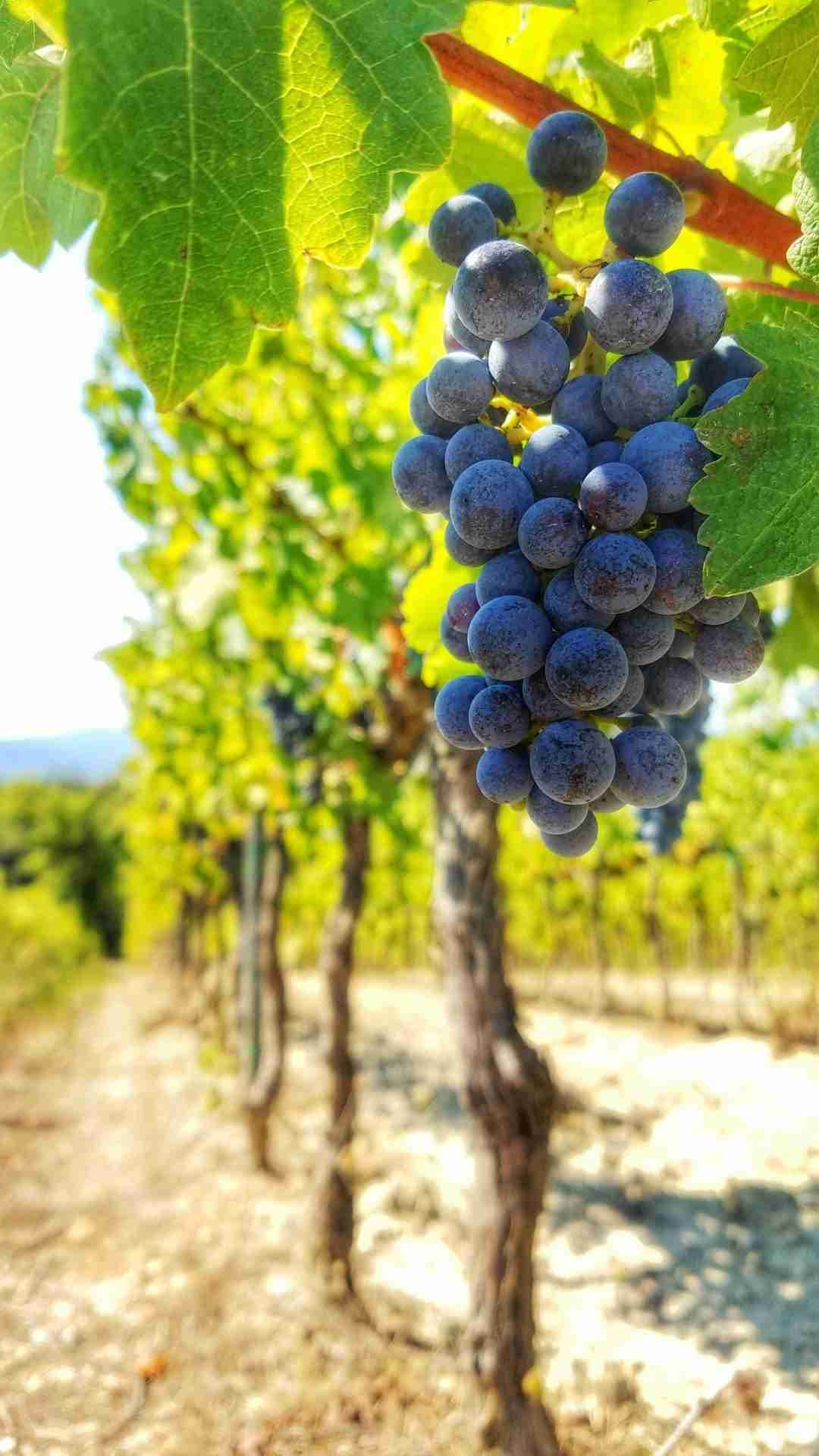
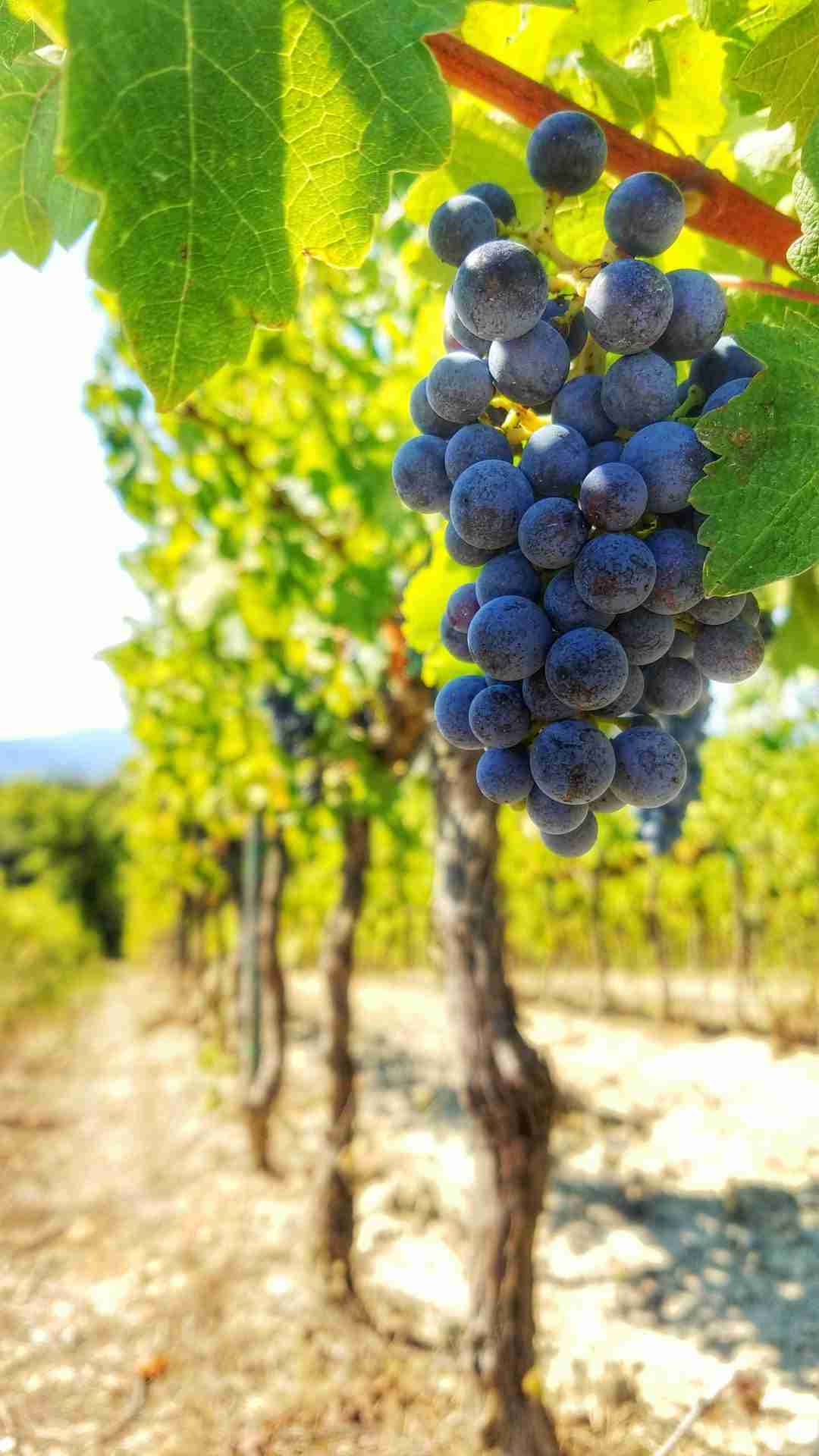
: The estate's vineyards stretch in neat, rhythmic lines over soft Niagara slopes, creating natural leading lines that are ideal for wide-angle compositions. Shoot along the rows during sunrise or sunset to capture shadows and highlights that emphasize the land's form. In late summer and fall, grape clusters add texture and visual interest to the vines. A low shooting angle will exaggerate depth, while a longer focal length compresses the vineyard lines into bold, abstract patterns.
• Historic Farmhouse and Outbuildings
: The original family home and surrounding structures—restored to preserve their 19th-century character—serve as the architectural heart of the estate. These buildings feature warm stonework, wood siding, and period windows that photograph beautifully in side light. Use a mid-range lens to frame the farmhouse within the surrounding vines, or explore detail shots of doors, stone textures, and decorative trim that echo the site's agricultural roots. Seasonal floral arrangements and landscaping around the property add softness and color to structural scenes.
• Tasting Room and Patio Atmosphere
: The winery's restaurant and tasting patio provide refined, lived-in vignettes ideal for lifestyle and documentary-style imagery. Capture the atmosphere of alfresco dining under string lights, rows of wine glasses catching the sun, or plates of seasonal food paired with house vintages. A fast prime lens will allow you to isolate these details in soft natural light. Framing with shallow depth of field brings focus to small table moments, while keeping the background ambiance intact.
• Golden Hour Over the Vines
: One of the most visually rewarding moments on the property comes just before sunset, when light spills across the vineyard rows and illuminates the landscape with warm, cinematic tones. Position yourself on higher ground to capture sweeping shots that layer grapevines, architecture, and distant trees under a glowing sky. On clear evenings, the sunset colors reflect in wine glasses and windowpanes, offering opportunities for tight compositions that echo the vineyard's mood.
• Environmental Portraiture and Seasonal Shoots
: The vineyard and surrounding gardens are popular for portrait sessions, from engagement and wedding shoots to fashion and family photography. Use vine rows, pathways, and porch spaces to create layered frames with natural light and strong context. Late summer and early fall offer the most vibrant backgrounds, but even winter shoots benefit from the estate's strong lines and structural character. Consider placing subjects in dappled light through trees or framed by barn doors for visual storytelling that feels rooted and timeless.
Best Time to Visit
Ravine Vineyard is photogenic year-round, but late spring through autumn provides the best conditions for vineyard photography. June through September delivers lush green vines and vibrant light, while October brings harvest season, golden foliage, and richly textured scenes across the estate. Grape clusters are most prominent from late August through mid-September.
Golden hour—both at sunrise and sunset—is the optimal time for capturing the most dynamic lighting, with side light accentuating vineyard textures and architectural detail. Overcast conditions can be excellent for portraits, food photography, and close-up work by softening shadows and enriching color.
For fewer crowds and a quieter shooting experience, weekday mornings or late afternoons are ideal. During weekends and events, the tasting areas may be more active but offer chances for candid lifestyle photography and atmospheric documentary-style imagery.
How to Get There
Ravine Vineyard Estate Winery is located at 1366 York Road in St. Davids, Ontario, just 15 minutes from Niagara-on-the-Lake and about 90 minutes from Toronto. The winery is easily accessible from the QEW via Highway 55 and is well signed as part of the Niagara Wine Route.
There is ample parking on site, with easy access to the vineyard, tasting room, and outdoor dining areas. Visitors are welcome to explore the grounds during operating hours, and non-commercial photography is permitted. For professional or commercial shoots, especially those involving portrait sessions or styled work, advanced permission and scheduling may be required. Inquire through the winery's contact channels for booking details.
Recommended Gear and Shooting Tips
A wide-angle lens (16–35mm) is excellent for capturing vineyard rows, dramatic skies, and full-building exteriors. A mid-range zoom (24–70mm) offers flexibility for food, lifestyle, and environmental portraits, while a longer telephoto (70–200mm) is helpful for compressing vineyard patterns or isolating subjects against distant hills or structures.
Use a polarizing filter to enhance sky contrast and reduce glare from leaves and glass, particularly during midday. A lens hood is essential when shooting into the sun during golden hour. A fast prime lens (35mm or 50mm) is ideal for intimate detail work in soft light—perfect for wine pours, food spreads, or architectural flourishes.
Bring a tripod for low-light work or bracketed exposures, especially during sunrise and sunset. Reflectors can help fill shadows in portraiture and product shots. As you move through the estate, explore high and low angles to vary your perspective—shoot through vines, frame subjects with doorway arches, or use shadows to add complexity to your compositions.
Nearby Photography Locations
: A short drive down the escarpment, this historic site offers forested trails, war memorials, and views over the Niagara River. Especially photogenic in fall, it's ideal for long-lens landscape work or quiet nature compositions.
: This scenic drive runs from Niagara-on-the-Lake to Fort Erie and is dotted with lookout points, orchards, and historic homes. Several spots along the parkway are perfect for riverfront sunrise photography or atmospheric golden hour shots with boats and trees.
: Known for its perfectly preserved Victorian architecture and boutique-lined streets, the town center is a rich canvas for architectural, lifestyle, and street photography. Soft morning light filters beautifully between the buildings, while window reflections and garden paths add texture.
: Just east of St. Davids, this winery offers a more formal architectural style with Tuscan-inspired lines and manicured grounds. It's a good contrast location for those wanting to expand a wine-country shoot across multiple estates.
: Located in nearby Queenston, this restored heritage site offers period architecture, gardens, and educational exhibits. Perfect for combining historical storytelling with quiet, rustic compositions in a well-kept setting.
Ravine Vineyard Estate Winery is a place where legacy and land intersect—where every sunset over the vines, every weathered beam in the old house, and every curve of a wine glass on a stone patio contributes to the quiet richness of the scene. For photographers, it offers both structure and softness, depth and intimacy—a visual invitation to slow down and tell the story of place through light and lens.
Comments
Loading comments…