
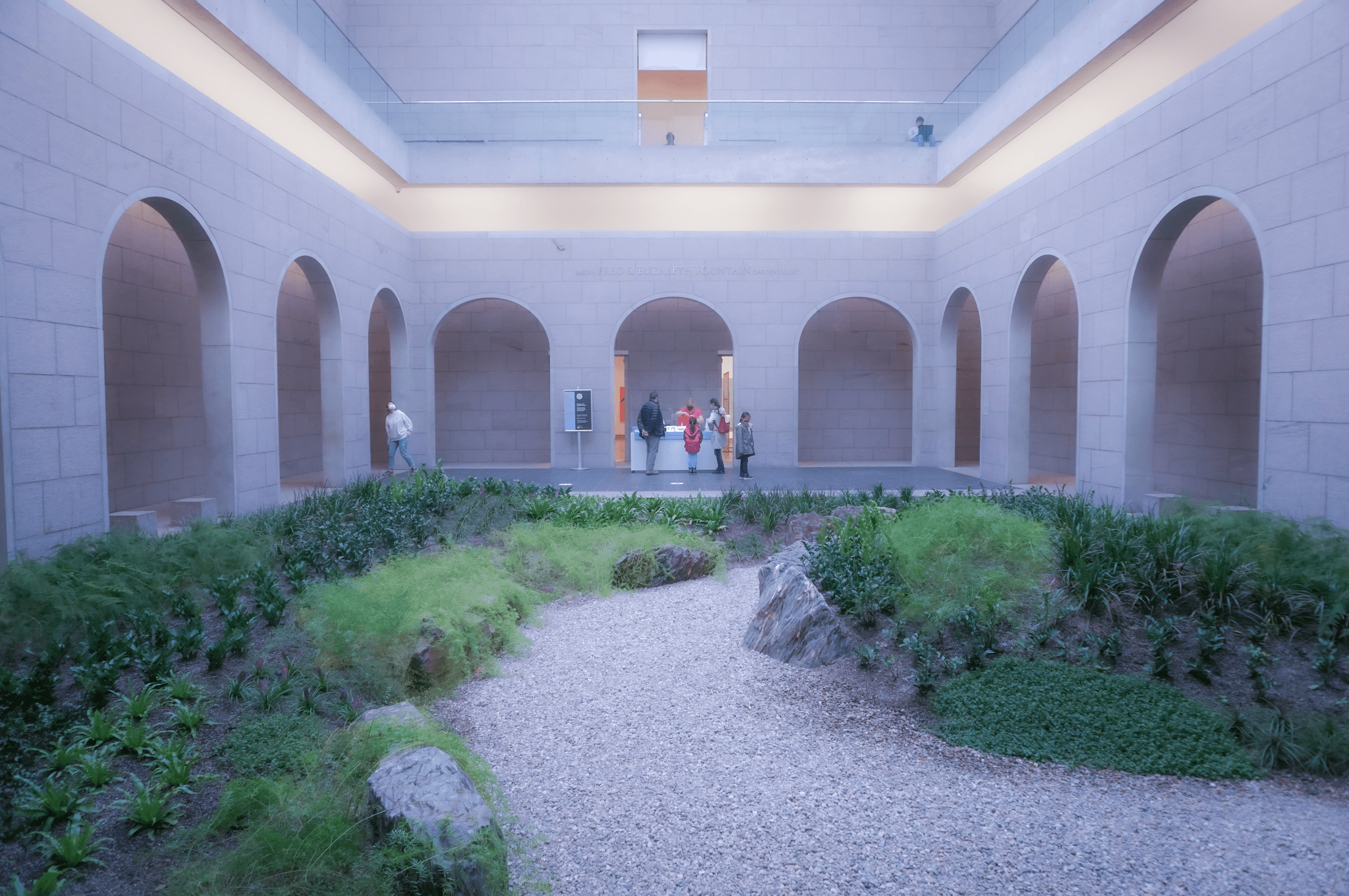
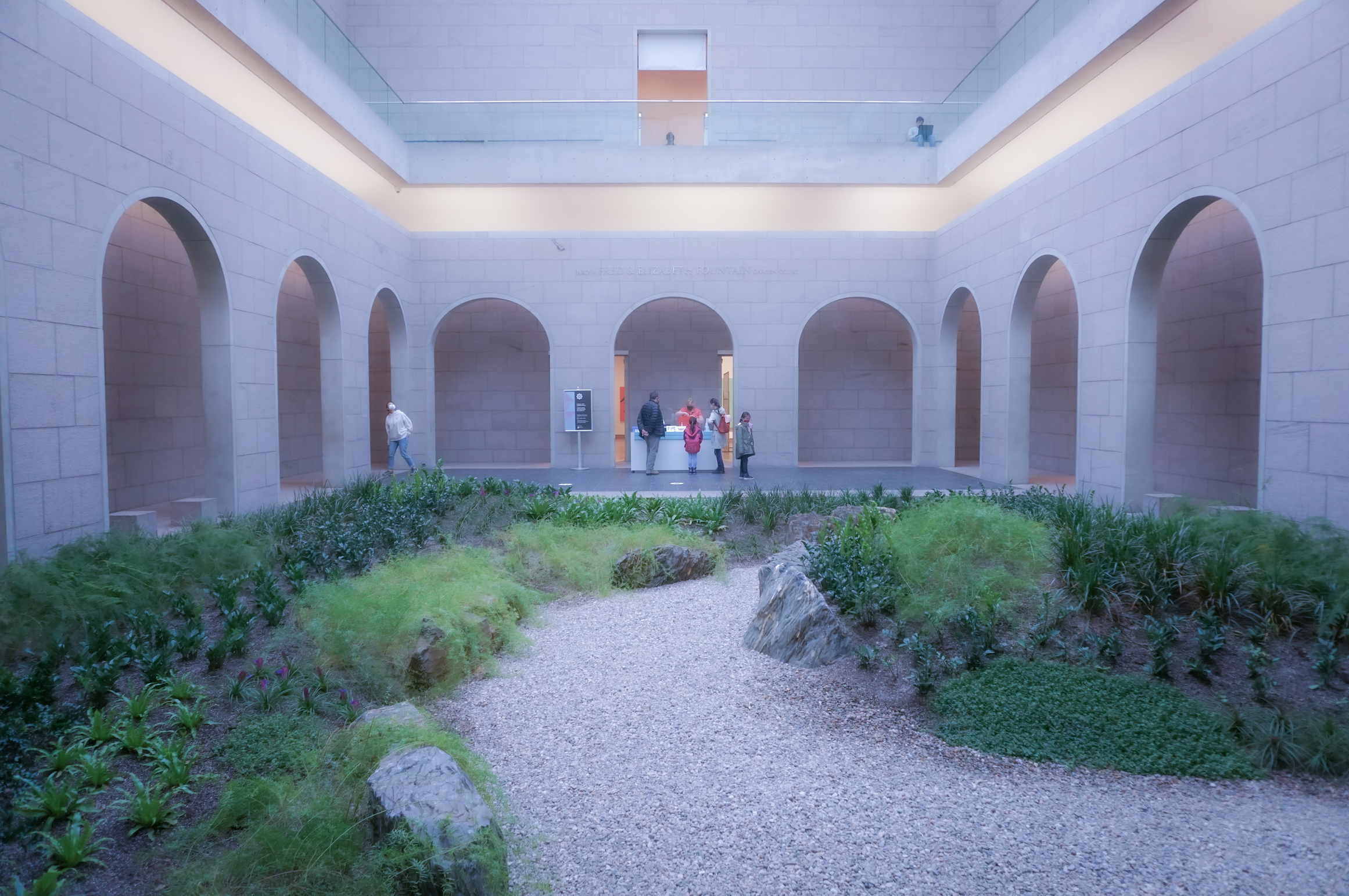
Preserved within the walls of the National Gallery of Canada, the Rideau Street Convent Chapel is a rare and compelling synthesis of heritage architecture and contemporary curation. Originally constructed in the 1880s as part of the Convent of Our Lady of the Sacred Heart, this Tudor-Gothic masterpiece was saved from demolition in the 1970s, disassembled into over 1,100 individual elements, and painstakingly reassembled within the Gallery's glass-clad structure. Designed by Georges Bouillon, the chapel now functions as both a spiritual echo of the past and an architectural installation of quiet grandeur. Photographers drawn to symmetry, historical detailing, and contemplative light will find this hidden sanctuary among Ottawa's most photogenic interiors.
Best Photography Opportunities
• Central Nave Perspective and Architectural Symmetry
: Standing at the rear of the chapel, photographers can take advantage of the perfect one-point perspective that leads the eye directly to the altar. The symmetry of the wooden columns, the repeating ribbed vaults, and the even spacing of pews create a natural visual rhythm that is ideal for wide-angle compositions. Morning visits, when light filters gently through the clerestory openings above the altar, offer the most even illumination across the structure. Including leading lines into your composition heightens the chapel's sense of depth and balance.
• Gothic Woodwork and Ornamental Detail
: The chapel's Tudor-Gothic ornamentation reveals itself in close range. Carved wooden motifs, floral tracery, and altar embellishments provide ample opportunity for detail studies. Using a 50mm or 85mm prime lens allows you to isolate decorative elements while preserving ambient softness. Photographing these carvings at different heights and angles gives a fuller sense of the craftsmanship layered throughout the space.
• Ceiling Ribs and Vertical Compositions
: The ribbed ceiling of the chapel is among its most architecturally striking features. Composing upward shots, especially from the center aisle, can create powerful vertical images that emphasize height, repetition, and sacred geometry. A tilt screen or wide-angle lens helps with alignment in low-light conditions, and hand-holding may be necessary due to restrictions on tripods. These shots work best with balanced light and a centered composition to preserve the chapel's visual harmony.
• Integration of the Forty-Part Motet Installation
: When Janet Cardiff's Forty-Part Motet sound installation is in place, the chapel transforms into an immersive sensory experience. Forty speakers encircle the space, each broadcasting an individual voice from a choral performance. While this installation changes the visual environment, it adds depth and context that enrich documentary-style photography. Use a moderate focal length to capture both the installation and the architectural backdrop, showing how contemporary sound meets historic space.
• Ambient Mood and Natural Light Shifts
: Despite being indoors, the chapel receives diffused ambient light from the National Gallery's surrounding architecture. This filtered illumination changes subtly throughout the day and highlights the grain of the wood, the texture of the floorboards, and the shadows cast by the pews. Capturing these quiet transitions requires patience and careful metering. This setting rewards photographers who work slowly and with attention to tonal nuance.
Best Time to Visit
As an indoor exhibit, the Rideau Street Convent Chapel can be visited year-round, making it one of the most reliable locations for architectural photography in Ottawa regardless of weather. The most favorable time for photography is early in the day, shortly after the gallery opens, when the space is calm and ambient lighting is soft and even. During these hours, light from the upper portions of the surrounding gallery gently floods the chapel interior, casting subtle shadows and enhancing textural detail without introducing harsh contrast.
Weekdays are preferable to weekends, especially if you are hoping to photograph the chapel with minimal foot traffic. While the space is generally quiet, weekends and holidays can bring more visitors. Periodically, the chapel houses the Forty-Part Motet installation, which changes the environment and may influence your shooting plans. If photographing the chapel empty is a priority, plan your visit around these scheduled installations, which are listed in advance on the National Gallery of Canada's website.
The light inside the chapel does not rely on windows in the traditional sense but is affected by the gallery's larger architectural lighting. Thus, overcast days or subtle seasonal shifts can change the tone and direction of the light, providing slightly different atmospheres even with repeated visits.
How to Get There
The Rideau Street Convent Chapel is located within the National Gallery of Canada at 380 Sussex Drive in Ottawa. From Parliament Hill, it is a short 10-minute walk northeast via Wellington Street and Sussex Drive. The gallery is easily accessible by foot, bike, public transit, or car, with paid underground parking available on-site. Bus routes from OC Transpo also serve the area, with nearby stops along Sussex and St. Patrick streets.
Once inside the National Gallery, follow the main floor signage to reach the chapel, which is situated near the Indigenous galleries in the western wing. Access to the chapel is included in the gallery's general admission. Photography is allowed for personal, non-commercial use. Flash and tripods are generally prohibited, so visitors should plan accordingly. Staff may restrict photography during certain special exhibitions or when the space is being used for audio installations.
There is no additional fee to enter the chapel beyond the gallery's admission price. Visitors are encouraged to be respectful of the space, as it functions both as a heritage installation and as a place of quiet reflection.
Recommended Gear and Shooting Tips
Due to low indoor light and restrictions on support equipment, handheld shooting with fast prime lenses is recommended. A 35mm or 50mm lens at f/1.8 or faster is ideal for capturing wide and mid-range compositions while maintaining image clarity. Image stabilization, either in-camera or in-lens, will help maintain sharpness at slower shutter speeds. For detail work, an 85mm or 100mm prime provides the reach needed without excessive distortion.
Shoot in RAW to preserve tonal range and allow for fine adjustments to white balance and exposure in post-processing. High ISO settings may be required but can be mitigated by careful noise reduction during editing. Use the quiet shutter mode if available to minimize disruption in the reflective space.
Framing is especially important inside the chapel. The architecture rewards centered, symmetrical compositions, but alternative angles—from the side aisles, upward from the pews, or down the columns—can produce compelling variations. Avoid overexposing the ceiling or underexposing darker wood areas; consider metering for midtones and adjusting selectively in post.
Return visits often yield new compositions as the light subtly shifts or as new installations alter the environment. Bring a lens cloth and small pouch to carry your gear, as backpacks may be restricted in tighter gallery sections.
Nearby Photography Locations
• Notre-Dame Cathedral Basilica
: Situated directly across Sussex Drive from the gallery, this basilica features soaring Gothic interiors, intricate wood carvings, and vibrant stained glass. Its rich color and vertical grandeur offer a dynamic contrast to the subdued tones of the chapel.
: This elevated park behind the gallery provides panoramic views of Parliament Hill, the Ottawa River, and the nearby architecture. Ideal for sunset cityscapes or soft morning light across the treetops and skyline.
• ByWard Market District
: A few blocks south, this historic neighborhood offers cobblestone streets, classic storefronts, and excellent opportunities for street photography. Early mornings are best for clean architectural frames and soft side light.
• Parliament Hill and Confederation Square
: Within walking distance, these civic landmarks offer grand exteriors, statues, and historic perspectives that work well for architectural or editorial shooting.
• Alexandra Bridge and Nepean Point (under redevelopment)
: Once accessible again, these locations offer elevated perspectives over the Ottawa-Gatineau skyline and sweeping river views. Twilight and blue hour conditions are especially effective here.
The Rideau Street Convent Chapel is a rare opportunity to experience heritage architecture not in isolation but thoughtfully preserved within a living museum. It invites quiet study, reverence, and visual exploration. For photographers, it is a space of both aesthetic richness and cultural depth—a testament to the value of architectural memory in modern times.
Comments
Loading comments…